Photo credit: Ruger
A lot of pistols get blamed for problems they did not create. You see it all the time with carry guns. A pistol that is dependable, easy enough to shoot, and well suited for concealed carry starts getting called “snappy,” “unreliable,” or “not worth carrying,” when the real issue is the setup or the habits wrapped around it. The gun becomes the easy target because it is simpler to blame the hardware than to admit the carry system was flawed from the start.
That matters because carry choices are built on confidence. If your holster shifts, your belt sags, your magazines are questionable, or your practice is weak, even a decent pistol can start feeling like a mistake. Most of the time, the gun is still capable. The problem is that you have made it harder to carry well, harder to draw cleanly, and harder to trust. These are the carry mistakes that turn perfectly decent pistols into guns people unfairly give up on.
Using a holster that does not hold the gun consistently
A decent pistol starts feeling like a bad one fast when the holster never puts it in the same place twice. If the gun rides too deep one moment, tilts outward the next, or shifts every time you move, your draw becomes inconsistent. That creates hesitation, sloppy grip acquisition, and the feeling that the pistol is awkward when the real problem is how it is being carried.
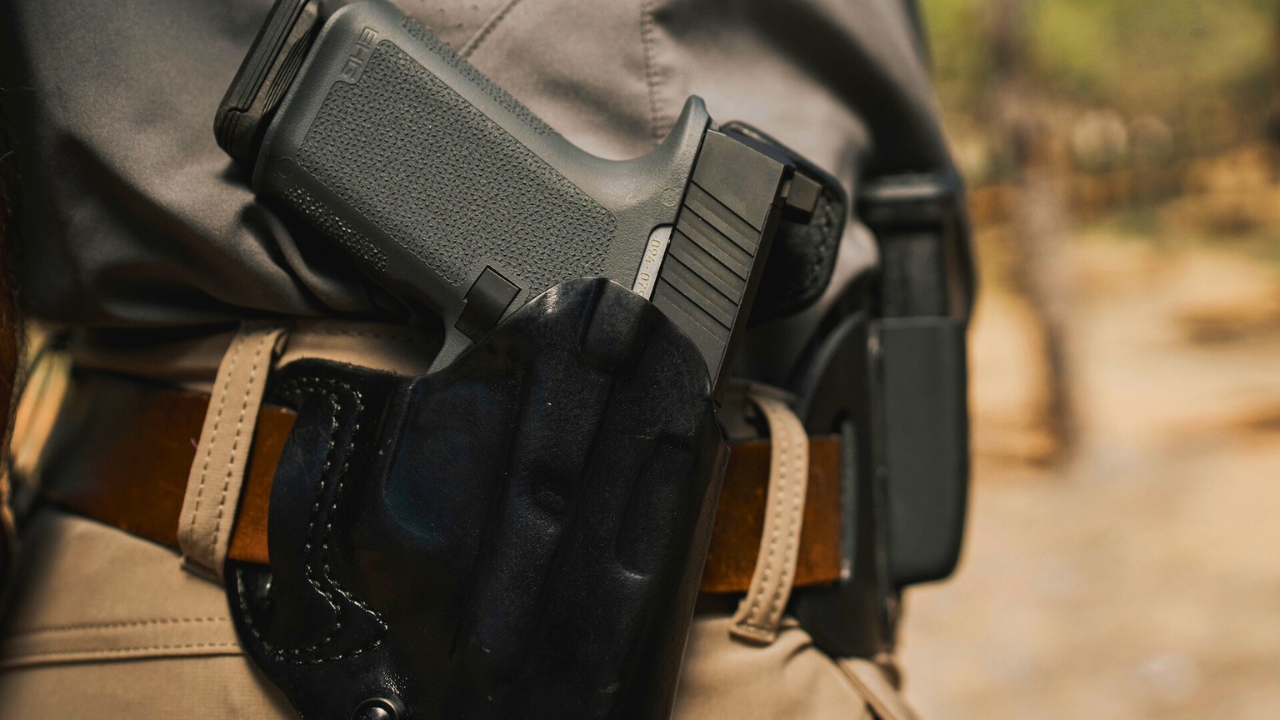
A good carry holster does more than cover the trigger. It keeps the pistol stable, holds it at a usable angle, and lets you get the same grip every time. If the holster collapses, drifts, or prints badly because it is poorly designed, you start losing trust in the whole setup. Before you decide the pistol is the issue, look at the gear that is supposed to keep it ready and accessible.
Pairing the pistol with a weak belt
A carry belt is part of the system, not an accessory you can ignore. If the belt twists, rolls, or sags under the gun, the pistol starts shifting all day. That changes concealment, changes the draw angle, and makes the gun feel less secure than it really is. A pistol that should carry cleanly can feel annoying and unstable because the foundation underneath it is weak.
That gets mistaken for a problem with the handgun more often than it should. You end up thinking the pistol is too heavy, too bulky, or badly balanced when what you are really noticing is poor support. Even compact guns need a stable platform. A decent pistol carried on a bad belt will often feel worse than a larger pistol carried on a proper one. If the belt fails, the rest of the setup usually goes with it.
Choosing the wrong size pistol for how you actually dress
A pistol can be a perfectly solid carry choice and still be wrong for the clothes you wear every day. If you are trying to carry a gun that constantly prints under your normal shirts, digs into you when you sit, or forces you to adjust your wardrobe more than you realistically will, the gun starts feeling like a burden. That frustration gets blamed on the pistol, even when the issue is poor matching between the gun and your real routine.
The opposite mistake happens too. Some shooters go so small that the gun becomes harder to control and harder to shoot well. That can make it feel cheap or inadequate when it is really being asked to solve the wrong problem. The best carry pistol is not the biggest or smallest one you can manage. It is the one that fits how you actually live, dress, and move.
Carrying with magazines you have not proven
A lot of “bad pistol” stories start with a magazine problem. The handgun gets blamed for failures to feed, failures to lock back, or random reliability issues, but the real weak point is often the magazine. That is especially common when people mix in off-brand mags, worn carry mags, or extensions they never truly tested under realistic use.
A decent pistol can feel untrustworthy in a hurry when the magazine introduces just enough inconsistency to make you doubt it. Then the shooter starts wondering whether the gun itself is flawed. Factory magazines in good condition solve a lot of problems before they start. If you are carrying with unknown or worn-out mags, you are not really testing the pistol fairly. You are testing a compromised feeding system and attaching that failure to the wrong piece of equipment.
Over-accessorizing a pistol meant for concealment
A carry pistol is supposed to be carried. That sounds obvious, but people still bolt on lights, oversized optics, giant basepads, and other extras until the gun becomes harder to conceal, harder to holster, and less comfortable to wear daily. Then they start leaving it behind more often or feeling like the pistol is awkward and badly designed, when the real issue is that the setup stopped matching the mission.
A well-chosen accessory can make sense. The problem starts when every add-on creates bulk, weight, or compatibility issues that work against the reason you chose that pistol in the first place. A decent carry gun can become a frustrating one when it is loaded down beyond what your daily carry habits can support. If the pistol felt right before you turned it into a project, the gun probably was not the problem.
Using carry ammo you barely tested
A pistol that runs well with practice ammo can still feel questionable if you load it with defensive ammo you have not actually tested. Different bullet shapes, pressure levels, and recoil impulses can change how a handgun behaves. In carry-size pistols especially, that difference can show up quickly. If the gun feels harsher, slower to recover, or less reliable with your carry load, that matters far more than how it behaved on cheap ball ammo.
Too many shooters assume a decent pistol will run any quality defensive load the same way. Sometimes it will. Sometimes it will not. If you skip testing and go straight to carrying, you create uncertainty for no good reason. Then when the gun behaves differently, you start doubting the pistol itself. A trustworthy carry setup depends on knowing how your actual carry load performs in your actual gun, not guessing.
Neglecting maintenance because the pistol is “still working”
A pistol does not have to fully fail before neglect starts affecting confidence. Dirt, lint, dried lubricant, worn recoil springs, and dirty magazines can all make a handgun feel sluggish or inconsistent before it outright stops. That matters with carry pistols because they often spend more time riding on your body than sitting clean on a bench. Sweat, clothing fibers, and daily movement add up faster than many people think.
When the gun starts feeling rough, sticky, or slower in cycling, a lot of shooters take that as a sign the pistol is not very good. In many cases, the gun is fine and the maintenance is not. A decent carry pistol still needs inspection and basic upkeep. If you treat it like something you can ignore for months because it fired fine last time, you are setting yourself up to lose trust in a gun that probably only needed attention.
Practicing too little with the gun you carry most
A carry pistol can seem like a bad choice if you only judge it by how unfamiliar it feels. Many decent pistols get written off as too snappy, too hard to track, or too difficult to shoot well when the real issue is that the owner has barely trained with them. Carry guns are often smaller, lighter, and less forgiving than range guns. That means they demand more repetition, not less.
If you carry a pistol but rarely draw it from concealment, rarely shoot it at realistic speed, and rarely practice with your actual carry gear, you never get comfortable enough to know what the gun really offers. That lack of familiarity turns normal carry-gun behavior into something that feels like a flaw. Before you decide a pistol was a bad pick, make sure you have actually put in enough work to judge it honestly.
Blaming the pistol for problems caused by poor carry habits
Sometimes the biggest mistake is broader than gear. You may carry inconsistently, adjust the setup constantly, switch holsters every week, or change positions before you ever learn one system well. That makes the pistol feel unpredictable because nothing around it stays consistent long enough to become second nature. A decent gun can feel like a bad choice when it is surrounded by habits that never let you settle into a repeatable routine.
Confidence comes from repetition and familiarity. If your carry habits are sloppy, rushed, or always changing, your opinion of the pistol is going to be shaped by that instability. Then the gun gets blamed for discomfort, slow access, or weak performance that really started with the way you carry it. Before you write off a decent handgun, make sure the problem is not the human side of the setup. That is often where the real issue lives.
Like The Avid Outdoorsman’s content? Subscribe to our newsletter so you never miss an article.
Here’s more from us: