Photo credit: LIPSEY'S/Youtube
Some rifles earn their place slowly. They do not always look like the smartest buy on day one, and they do not always win much attention from buyers chasing the newest stock design, the hottest chambering, or whatever rifle everybody is acting excited about that season. Then a few years pass. The rifle keeps hunting well, keeps shooting honestly, and keeps being the one that never gives its owner much reason to second-guess the purchase. That is usually when a rifle starts proving it belongs.
The rifles on this list earned that kind of staying power. Some did it through accuracy, some through handling, and some through the simple fact that they kept making sense long after trendier rifles lost their shine. These are the rifles that proved they were worth keeping.
Browning BAR Safari

The Browning BAR Safari is one of those rifles that owners often keep because it keeps reminding them how useful a good hunting autoloader can be. It is not a rifle built around hype. It is built around steady field performance, practical follow-up speed, and a kind of old-school confidence that still matters once a buck is moving and the shot is not as clean as it looked in your head. The rifle feels mature from the beginning, and that only helps it age well.
What really proves its value over time is how easy it is to trust. A good BAR Safari tends to settle into a hunter’s routine without much drama. It carries enough weight to feel steady, shoots with real authority, and keeps doing useful work after louder rifles have already become yesterday’s conversation. That is exactly the sort of rifle worth hanging onto.
Winchester Model 88
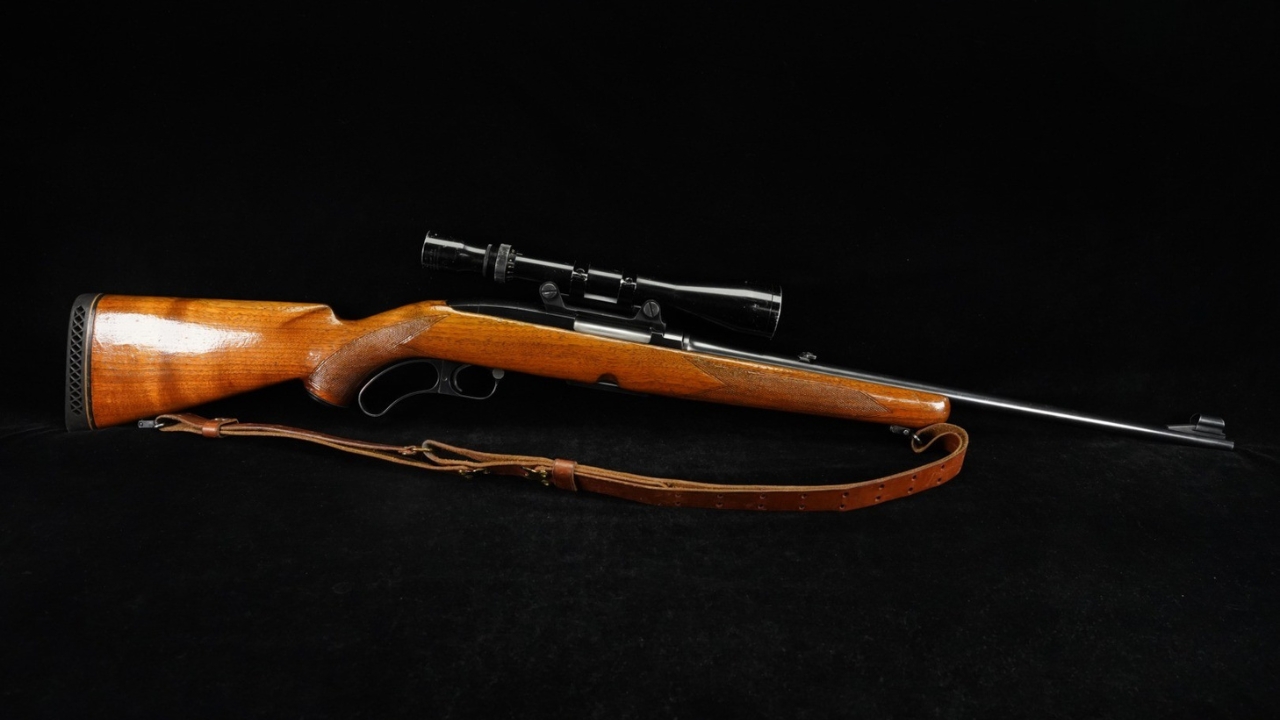
The Winchester Model 88 proved it was worth keeping because it never really behaved like a compromise rifle. It offered quick handling, a slick feel in the field, and a different sort of hunting-rifle personality than the average bolt gun. That made it easy to appreciate from the start, but what really matters is how well it ages once you spend serious time around it. The rifle still feels distinct without ever feeling gimmicky.
Owners keep them because they do more than just look interesting. The 88 carries well, points naturally, and still feels like a very practical deer rifle instead of just a collectible Winchester with a good story attached. Plenty of rifles become easier to sell once the novelty wears off. The Model 88 usually gets harder to let go of because the novelty fades and the usefulness stays.
CZ 527 Carbine

The CZ 527 Carbine proved it was worth keeping by doing something a lot of modern rifles struggle with: it felt right from the beginning and never stopped. It is trim, lively, and built on a scale that actually matches the cartridges it was chambered for. That gives it a sort of honesty in the hands that many bigger, bulkier rifles simply do not have. It feels like a rifle made for field use instead of sales language.
That is what keeps people from moving them along. The 527 Carbine is the sort of rifle that becomes more enjoyable the longer you own it. It carries beautifully, shoots with enough precision to stay useful, and keeps reminding the owner that a small centerfire rifle should actually feel small. That is a trait a lot of shooters do not fully appreciate until they realize how rare it has become.
Remington 700 Mountain Rifle

The Remington 700 Mountain Rifle is one of those rifles that proved its value every time the country got steeper and the day got longer. There are plenty of rifles that sound good when people talk about lightweight hunting rigs. Fewer actually feel good after miles of climbing and hours of carrying. The Mountain Rifle built its reputation by being light enough to matter without becoming a twitchy little headache when it was finally time to shoot.
That is why so many owners kept them. They found out the rifle was not just easy to carry. It was also very easy to live with. The balance stayed practical, the shape stayed useful, and the whole thing felt like a rifle designed around the kind of hunts people actually remember. Once a rifle starts proving that to you year after year, selling it stops feeling like a very smart idea.
Sako 85 Hunter

The Sako 85 Hunter proved it was worth keeping because it feels sorted out in ways that never really go out of style. The action is smooth, the stock shape feels right, and the rifle gives the owner that quiet sense that somebody took the whole package seriously from the start. That may not sound exciting on paper, but it matters a lot once you have lived with enough rifles that always seem to need some kind of apology attached.
That is what makes the 85 Hunter hard to replace. It does not just shoot well. It also carries itself like a finished rifle. It keeps feeling refined without turning delicate, and it keeps hunting well without becoming boring. Rifles like that tend to outlast whatever the market is excited about because their value shows up every time you pick them up, not just when you first buy them.
Ruger No. 1A Light Sporter

The Ruger No. 1A Light Sporter proved it was worth keeping by staying memorable long after a lot of other rifles blended together. It never looked like the practical choice to every buyer, but owners who actually spent time with one usually found out the rifle offered far more than style. It carried well, handled beautifully, and made even simple hunts feel a little more deliberate. That matters more over time than many shooters expect.
What keeps people hanging onto one is the experience of ownership. The rifle feels distinct in a way that most production hunting guns simply do not. It is useful enough to justify its place and unique enough to stay interesting. A lot of rifles become easier to part with because they start feeling interchangeable. The No. 1A tends to prove exactly the opposite.
Savage 99F
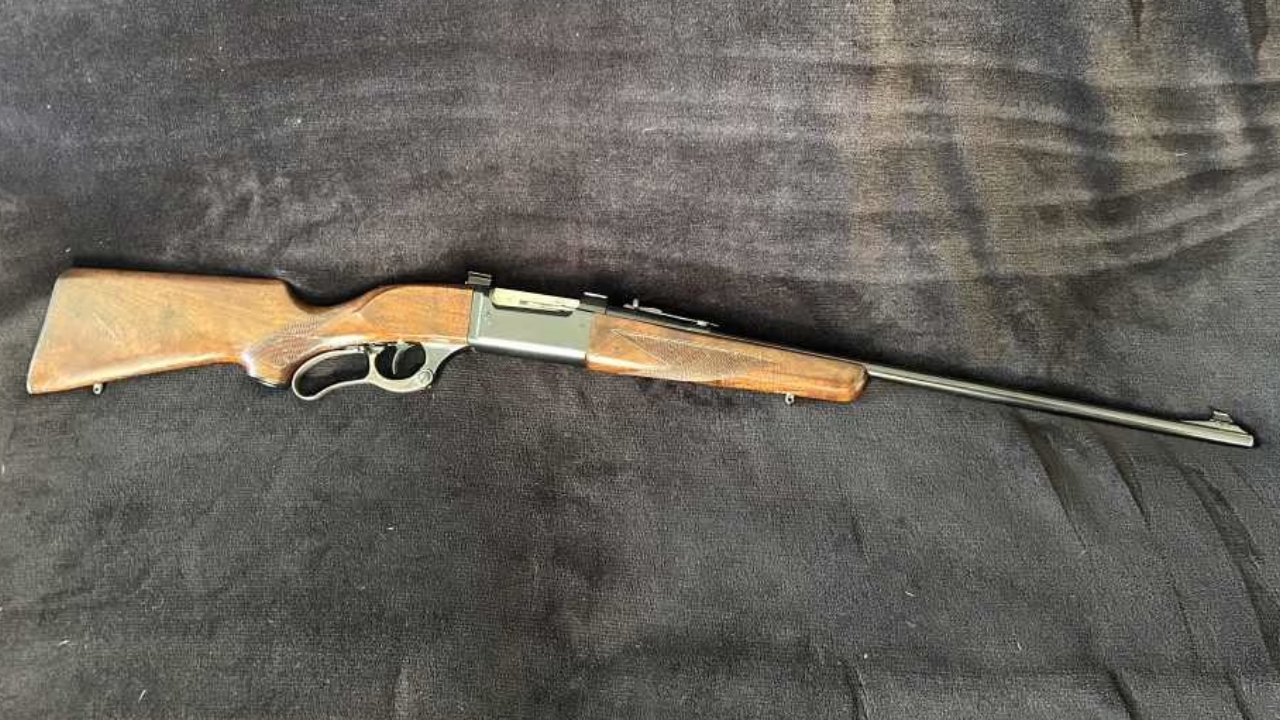
The Savage 99F proved it was worth keeping because it never stopped being a practical hunting rifle, even after the market drifted away from rifles like it. It is light enough to carry comfortably, quick enough to handle in the woods, and chambered in cartridges that still make real sense for real game. That combination gave it staying power that did not depend on hype or collector talk.
Owners tend to keep them because the rifle still feels alive in the hand. It does not move like a generic lever gun or a generic deer rifle. It has its own balance, its own pace, and its own field logic. Once a hunter gets used to that, replacing it with something technically newer often feels like a downgrade rather than an upgrade. That is a strong sign the rifle earned its keep.
Browning X-Bolt Medallion
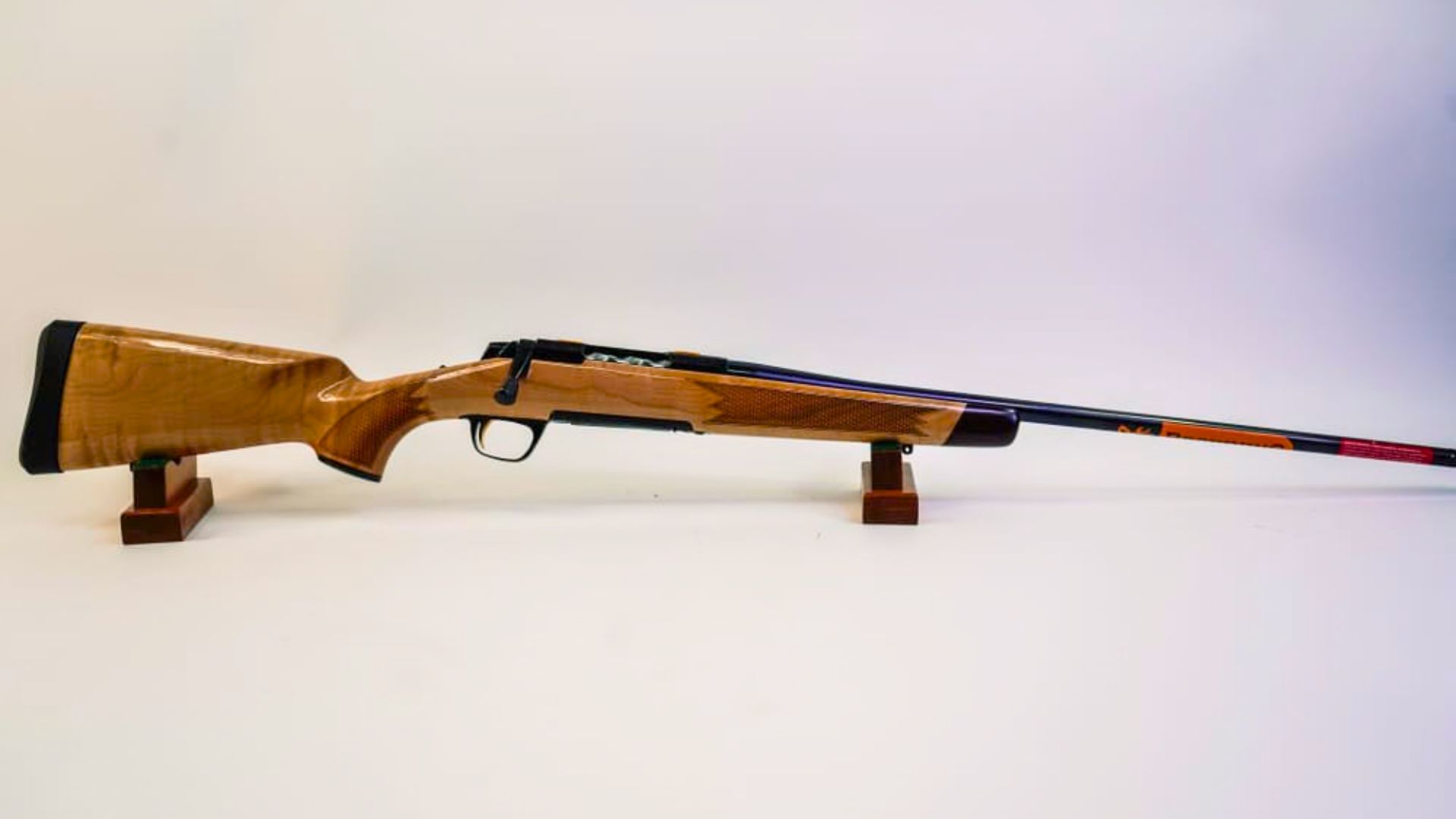
The Browning X-Bolt Medallion proved it was worth keeping because it managed to be both handsome and genuinely useful, which is harder to pull off than some buyers think. Plenty of rifles look good in the safe and then start feeling less impressive when they actually get hunted. The Medallion usually avoids that trap. It has the polish people notice immediately, but it also has the field manners that keep it relevant long after the shine wears off.
That is what makes it a keeper. The rifle tends to shoot well, handle cleanly, and carry enough practical balance to stay enjoyable in real hunting conditions. Owners often end up keeping it not just because it looks good, but because it turns out to be a lot more than a pretty face. Once a rifle proves it can do both, it gets much harder to justify letting it go.
Kimber 84M Montana

The Kimber 84M Montana proved it was worth keeping because it solved a problem a lot of hunters spend years trying to solve badly. It gave owners a truly useful lightweight rifle without forcing them to accept a clumsy, oversized, or dead-feeling package. That alone separated it from a lot of rifles that made bigger promises and delivered less satisfaction. The 84M Montana feels like it understands mountain and backcountry hunting in a very direct way.
Owners keep them because they do not stop making sense. The rifle stays light where it helps, trim where it matters, and practical in the kind of country where bad rifle choices become obvious in a hurry. Once a hunter has used one enough to trust it, many other lightweight rifles start looking like they were trying much too hard to imitate something this one already does naturally.
Winchester 70 Extreme Weather SS

The Winchester 70 Extreme Weather SS proved it was worth keeping by continuing to make sense every time the weather turned nasty. Stainless steel and a synthetic stock may not stir much romance at first, but ugly weather has a way of clearing up what matters. This rifle feels ready for bad conditions in a way a lot of prettier rifles never really do, and that practical confidence becomes more valuable the longer a person hunts with it.
That is why owners keep circling back to it. It still offers the controlled-round-feed Model 70 feel, but wrapped in a package built for hard seasons rather than admiration. The rifle does not ask the owner to baby it or think too hard about it. It asks to be loaded, carried, and trusted. That kind of simplicity is one of the strongest reasons a rifle proves worth keeping.
Browning BLR Lightweight ’81
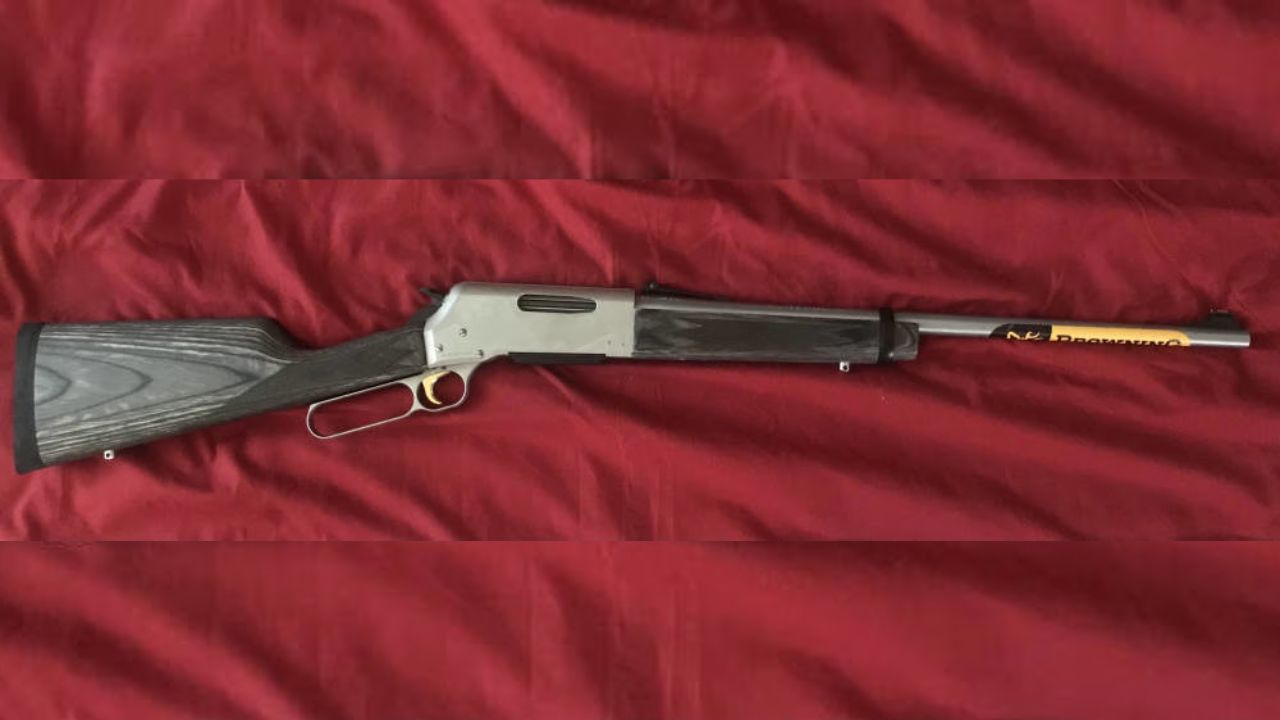
The Browning BLR Lightweight ’81 proved it was worth keeping because it gave hunters something many rifles do not: flexibility without awkwardness. It handles pointed cartridges, carries like a proper field rifle, and still feels quick in thick country where longer or clumsier rifles become a nuisance. That made it easy to underestimate at first and much harder to give up later.
Owners keep them because the rifle stays practical in real use. It is the kind of gun that starts to make more and more sense once you stop worrying about categories and start thinking about where and how you actually hunt. The BLR is not just different. It is useful in ways that keep showing up season after season, which is usually why a rifle survives every attempt to replace it.
Ruger M77 RSI

The Ruger M77 RSI proved it was worth keeping because it offered more than just looks. Yes, the full-stock design catches the eye, but rifles like this do not stay around just because they photograph well. They stay because they carry beautifully, feel distinct in the hands, and make ordinary hunting feel a little sharper. The RSI gives owners something many modern rifles do not: personality that does not come at the expense of field use.
That is what makes it a keeper. It never becomes just another bolt rifle in the rack. It keeps reminding the owner why he liked it in the first place, and it does so while still being genuinely useful in the field. Once a rifle proves it can be both memorable and practical, it usually earns a long stay.
Tikka T3 Hunter

The Tikka T3 Hunter proved it was worth keeping because it never forced the owner to choose between performance and comfort. It gave people the smooth action and accuracy they wanted, but it also did so in a rifle that still felt like a proper hunting gun rather than a stripped-down plastic answer to every question. That combination gave it a lot of staying power with hunters who wanted real use, not just decent groups on paper.
Owners keep them because the rifle stays easy to like. It carries well, shoots well, and does not create many of the little frustrations that can make other rifles start feeling temporary. The T3 Hunter keeps making a simple case for itself every season, and rifles that do that tend to prove their worth in the most convincing way possible.
Marlin 39A

The Marlin 39A proved it was worth keeping by being the kind of rimfire rifle owners kept reaching for long after they assumed they had outgrown “just” a .22. It is solid, smooth, and satisfying in the hands in a way that makes many other rimfires feel forgettable. That alone gives it real staying power, especially once owners have had enough time to understand what quality in a small-caliber rifle actually feels like.
People keep them because they stop looking like simple rimfires and start feeling like permanent parts of a collection. The 39A carries real usefulness, but it also carries a kind of mechanical warmth that newer rifles often lack. Once a rifle gives you both, it does not have to scream for attention to prove it deserves a place.
Weatherby Vanguard Sporter
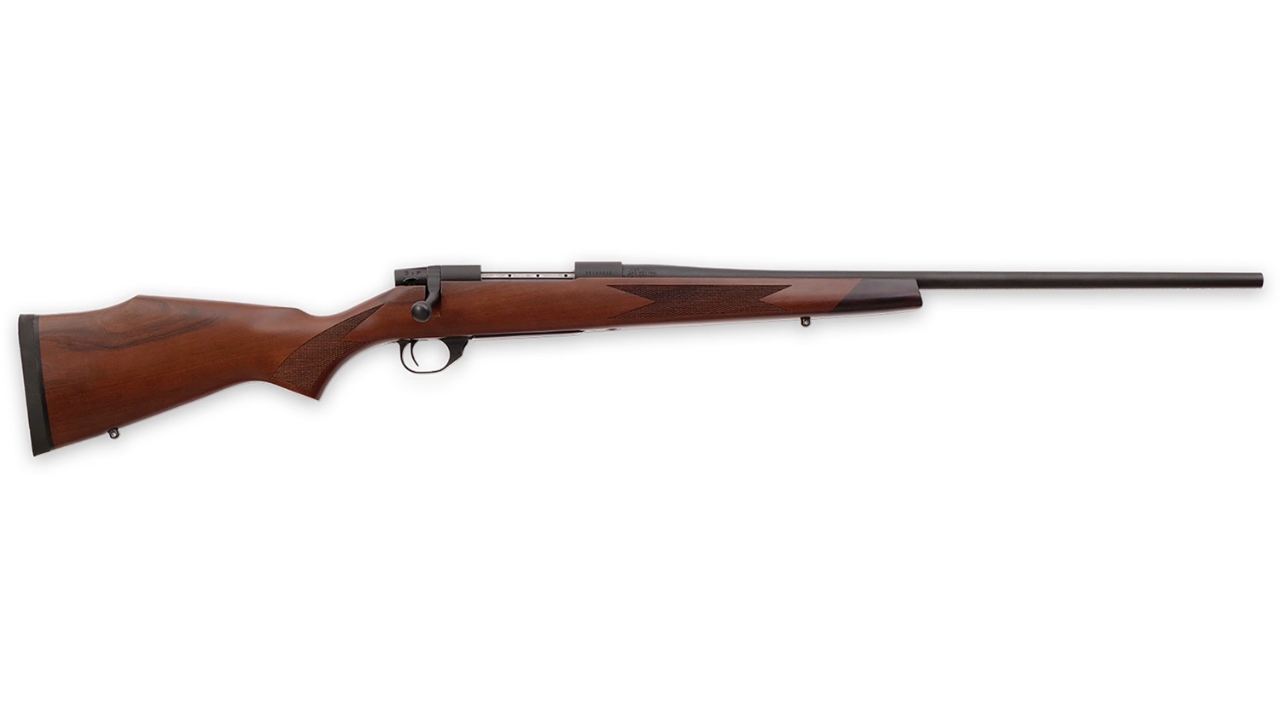
The Weatherby Vanguard Sporter proved it was worth keeping because it never needed much defending. It shot well, handled real hunting life without fuss, and made itself useful in a way that outlasted louder first impressions from other rifles. For a lot of owners, that is exactly what turned it from a practical purchase into a rifle they were in no hurry to part with.
The Vanguard Sporter earns loyalty because it feels mature. It is not trying to be the flashiest rifle in the safe. It is trying to be one that still makes sense after years of hunting, carrying, and comparing. Once a rifle proves it can keep doing that quietly and consistently, it usually stops being something you think about selling and starts being something you are glad you held onto.
Like The Avid Outdoorsman’s content? Be sure to follow us.
Here’s more from us: