Photo credit: WHO_TEE_WHO/YouTube
When you’re standing behind a rifle at the range or out in the field, paper ballistics can sound mighty convincing. But numbers on a box or charts in a catalog don’t always line up with what happens after you pull the trigger. Some calibers get praised for their long-range potential, but out past a couple hundred yards, they start losing steam, drifting off target, or falling apart entirely. These are the cartridges that sell you on reach, then disappoint once they’re airborne. If you’ve ever had a shot that should’ve landed but didn’t, odds are you’ve tangled with one of these.
.243 Winchester
On paper, the .243 looks like a sweet spot—flat-shooting, light recoil, and fast. It’s lured plenty of deer hunters and even more coyote callers. But once you start pushing it past 300 yards, the lightweight bullets start to falter. Wind eats it alive. You’ll see a flyer you can’t explain and think it’s the rifle. It’s not. It’s the 85-grain pill you sent coasting. That doesn’t mean it can’t work out far, but it takes a steady hand and perfect conditions. It’s a cartridge that acts like it wants to be a long-range option, until the air says otherwise.
.30-30 Winchester

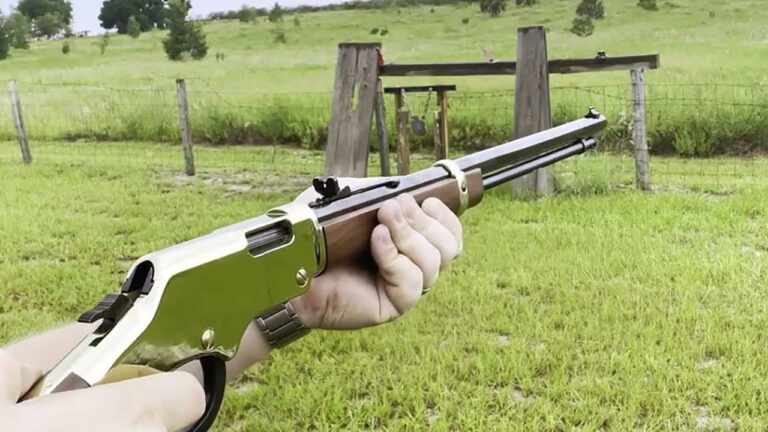
Nobody’s ever accused the .30-30 of being a sniper’s pick, but every year someone tries to stretch it farther than it wants to go. It was made for close work in the woods, not sending bullets across canyons. Past 150 yards, that flat-nosed slug starts acting more like a rainbow than a rifle round. You’ll need Kentucky windage and then some. Elevation corrections feel like you’re tossing bricks, and even with modern pointed options like the LeveRevolution loads, it still struggles to keep velocity. If your game is sitting at 250 yards, you’ve brought the wrong tool.
.25-06 Remington
The .25-06 gets hyped as a flat-shooting deer slayer with extra reach. And sure, it’s quick out of the gate. But its velocity edge comes with a tradeoff—lightweight bullets that shed energy fast. Once you pass 400 yards, drop and drift become real problems. It’s also hard on barrels, and accuracy degrades as the throat erodes. There’s no denying it’s a great mule deer round inside of 300 yards, but beyond that, it starts to run out of breath. It sounds like a long-range solution but isn’t quite built to hold on for the full ride.
6.5 Grendel
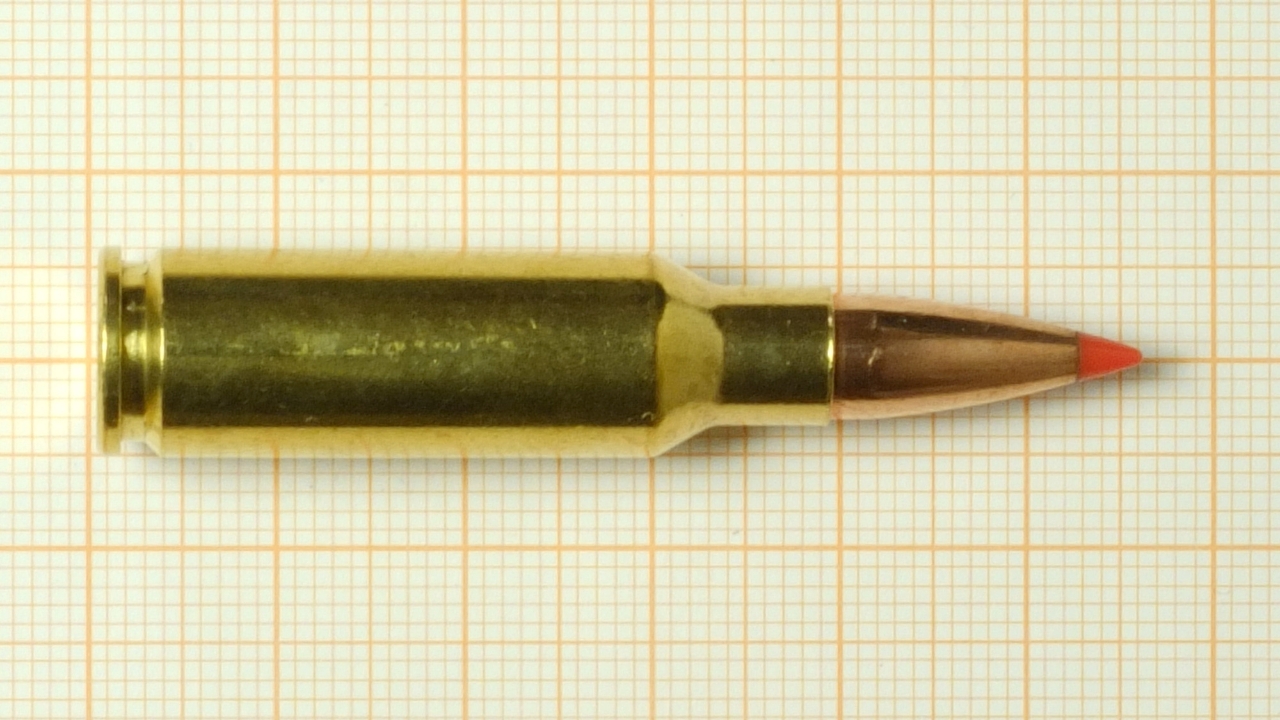
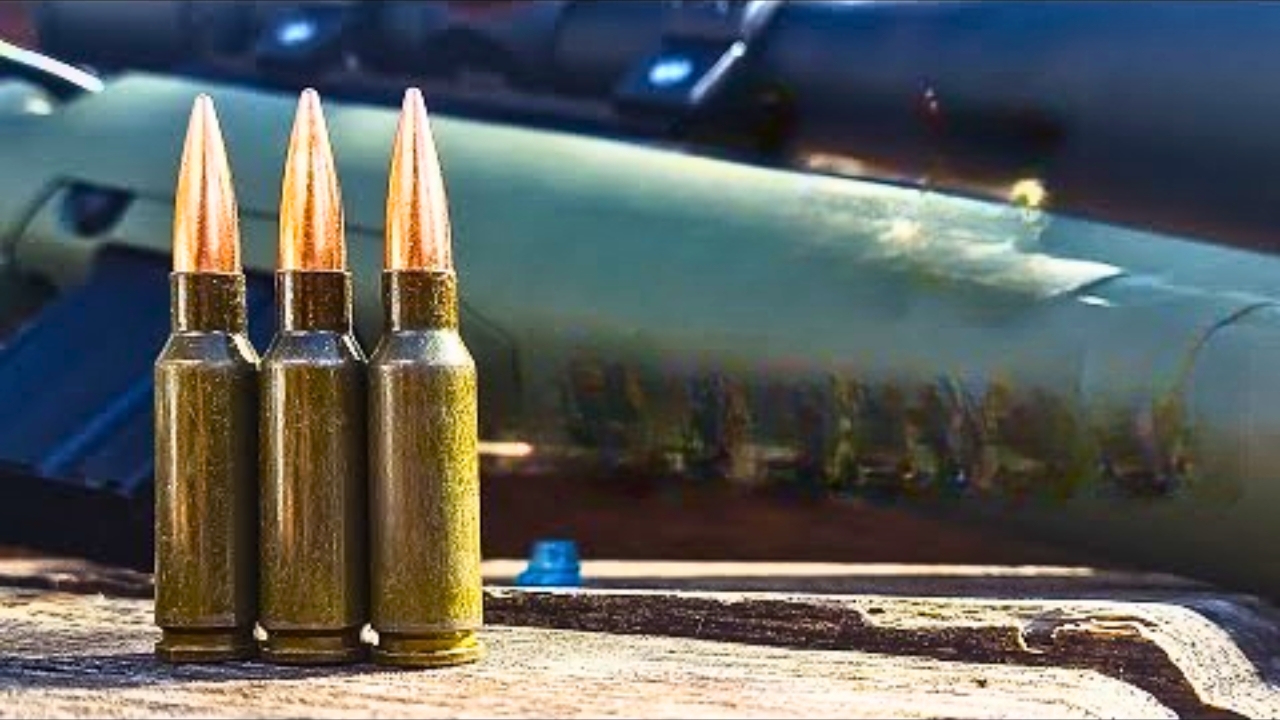
The Grendel was marketed as a cartridge that could stretch your AR’s legs. And for medium range, it does okay. But anyone expecting it to match Creedmoor-level performance past 500 yards is in for a wake-up call. It just doesn’t carry enough velocity or energy to keep up, especially when using shorter-barreled AR platforms. Drop and drift start to show up faster than expected. On paper, the ballistic coefficient helps, but in real wind with real targets, it gets outpaced fast. It’s a better 300-yard cartridge than anything with “long-range” on the box.
7mm-08 Remington
It’s hard not to like the 7mm-08. It’s accurate, soft-shooting, and good for deer. But long-range shooters expecting it to hang with bigger 7mm cartridges like the Rem Mag will be disappointed. Once you start asking it to perform past 500 yards, especially on game, the energy drop is too steep. It does fine inside of that, but beyond it, you’re asking a mild cartridge to do a magnum’s job. The drop-off in power is enough that shots on elk or larger critters become a gamble. It’s an honest cartridge—but not a long-range one.
.22-250 Remington
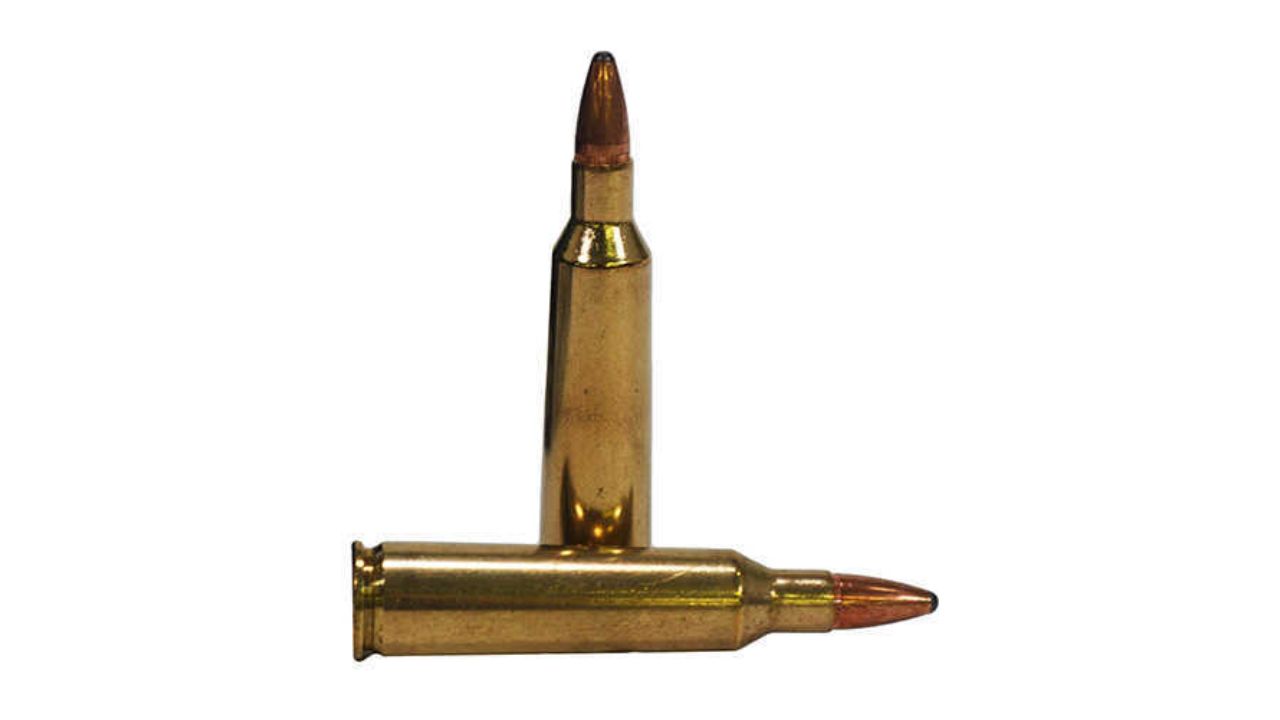
The .22-250 is a laser beam—until it isn’t. Coyotes inside 200 yards have good reason to fear it. But stretch it to prairie dog distances on a breezy day, and you’ll see how fast that little bullet starts to misbehave. It leaves the barrel screaming, but with such light weight, wind correction becomes guesswork. Long-range varmint hunters know it well—you start seeing misses you can’t explain until you watch the wind flags. For high-volume shooting, barrel heat also becomes a factor. It looks like a flat shooter on the bench, but in the field, it fades fast.
.350 Legend
You’ll hear plenty of talk about how the .350 Legend carries energy better than it looks. But at range, it’s more myth than reality. This is a straight-wall cartridge built for tight shots in thick woods—anything beyond 150 yards and you’re dealing with severe drop and sluggish terminal performance. Sure, it’s legal in more states and easy on the shoulder, but that doesn’t make it a reach-out-and-touch-it round. It flies like a brick in a headwind. If your deer stand faces an open field, you’ll wish you’d brought something with a little more staying power.
Like The Avid Outdoorsman’s content? Be sure to follow us.
Here’s more from us:
The worst deer rifles money can buy
Sidearms That Belong in the Safe — Not Your Belt
*This article was developed with AI-powered tools and has been carefully reviewed by our editors.