Photo credit: Wirestock Creators/Shutterstock.com
Outsmarting a sharp-nosed deer is no easy task. Every hunter knows that one of the biggest challenges in deer hunting is managing your scent. It doesn’t matter if you’re a seasoned pro or just starting; scent control can make or break your hunt. In this guide, I’ll walk you through ten effective scent control strategies that have worked wonders for me in the field. From the clothes you wear to the routes you take, each tip is about being smarter with your scent to keep those deer none the wiser. Let’s get into the details and help you step up your game.
Wash and Treat Your Hunting Gear

When gearing up for deer season, always start by washing your hunting clothes with a scent-reduction laundry detergent.
This special detergent is a game-changer—it won’t completely eliminate all scents, but it significantly reduces them and avoids adding any artificial odors. This is crucial since deer are incredibly sensitive to smells.
Store Your Gear Properly

After washing, how you store your gear can make or break your hunt. Keep those freshly laundered clothes in a sealed container. This isn’t just any box; it should be a dedicated, odor-blocking storage space that’s easy to toss in the back of your truck. To keep your clothes smelling naturally fresh, tuck a pine branch inside the tote. It’s a simple trick that keeps everything ready and smelling like the great outdoors.
Shower with Scent-Free Products
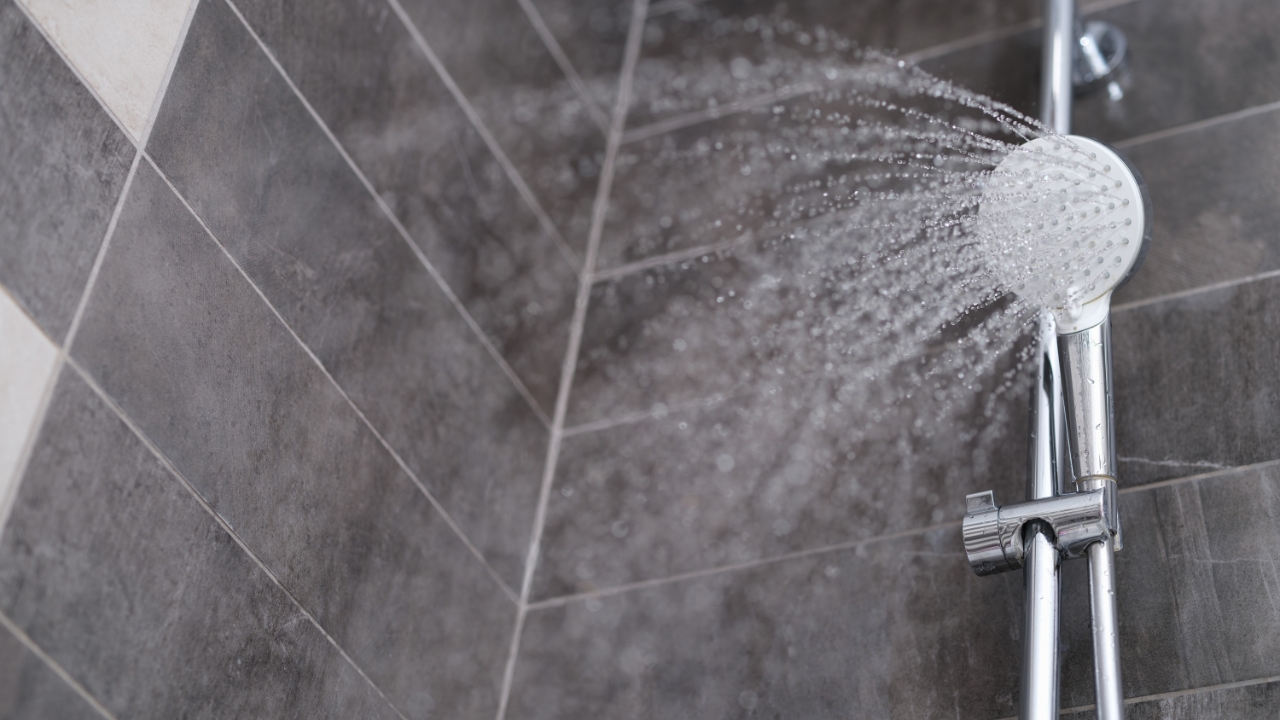
Before you head out on the hunt, make sure to shower using products specifically designed to minimize human scents. Use shampoos and soaps that tackle your natural odors without introducing any fake smells into the mix. This step is vital; while it won’t strip away all your scent, it drastically reduces what you carry into the deer woods, making you less detectable to deer.
Neutralize Your Breath

It’s not just your body you need to worry about—the scent of your breath can also betray you to a deer. Brush your teeth with low-scent or unscented toothpaste. Want a pro tip? Munch on an apple afterwards. It’s a natural way to cleanse your palate and helps neutralize odors that might linger in your mouth.
Dress at the Hunting Site

One of the best strategies to keep unwanted scents at bay is to get dressed right in the field. By waiting to don your hunting gear until you’re at your hunting spot, you avoid picking up any additional smells from pets, fuel pumps, or any incidental stops along the way. Sure, changing outdoors can be tough, especially if it’s chilly or raining, but this move significantly cuts down on foreign scents clinging to your clothes.
Use Scent-Free Wipes for Mid-Hunt Freshening

During a long day of hunting, sweat is inevitable, but it’s also manageable. Keep scent-free field wipes or wash cloths handy to wipe down periodically. This simple step helps control sweat-induced odors that could alert deer to your presence. It’s a quick fix that keeps you focused on the hunt and less on battling body odor.
Plan Smart Entry and Exit Routes
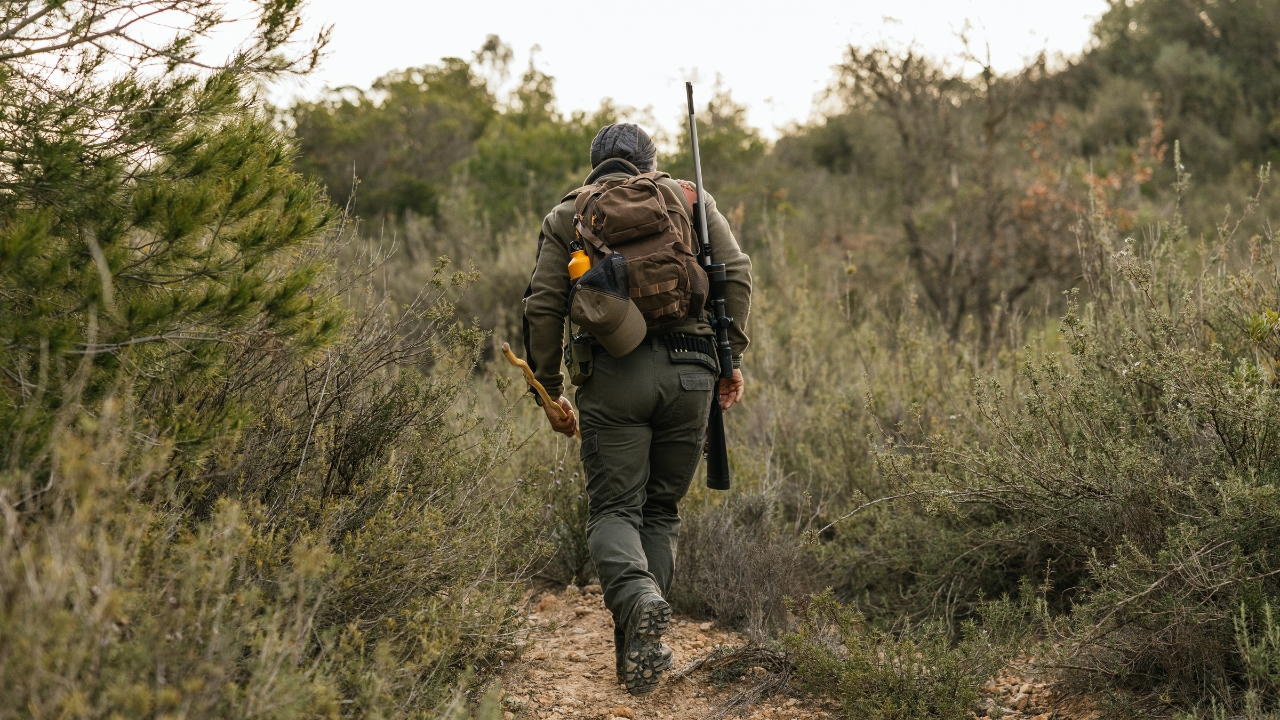
Managing how your scent disperses across the hunting terrain is critical. Pay close attention to the wind direction and select your entry and exit paths accordingly. The goal is to avoid your scent drifting towards deer hotspots, like their bedding and feeding areas. This might mean taking a longer route to your stand, but it ensures that your scent trail doesn’t tip off your quarry.
Use a Fully Enclosed Blind

For an added layer of scent control, consider using a fully enclosed hunting blind. These blinds, designed with sealable doors and windows, are effective at containing human scent inside. Keep those windows shut until the moment you need to make your shot. This tactic not only helps with scent control but also enhances your ability to stay hidden and patient as you wait for the perfect moment.
Use Natural Wind Blockers

Smart placement near natural barriers can greatly enhance your scent control strategy. When setting up your stand, consider locations like the edge of a bluff, riverside, or near a lake—places where the landscape itself helps block your scent from traveling downstream to the deer. Additionally, setting up mock scrapes on either side of your scent cone can act as a temporary distraction, potentially stopping a buck right before he catches your scent.
Harness the Power of Thermals
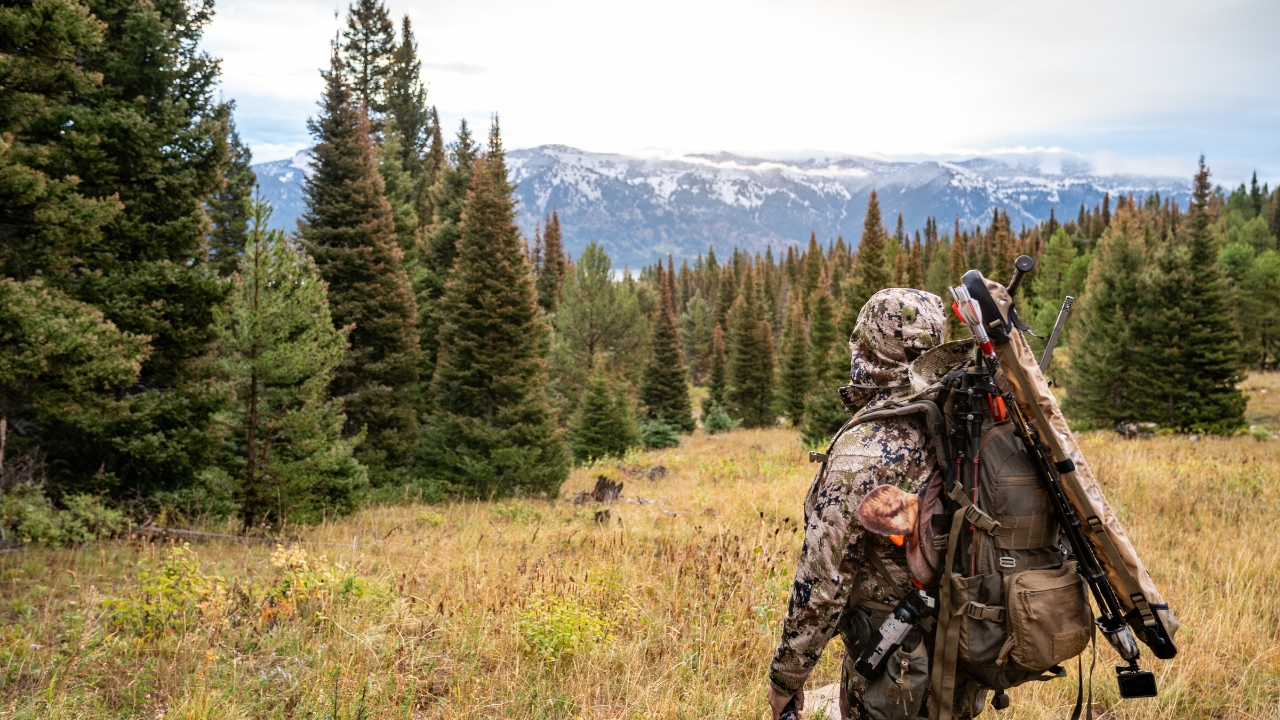
Understanding and using thermals to your advantage can make a significant difference in how well you mask your scent. Morning thermals, for example, rise with the warming air, so positioning yourself high on a ridge at this time can help lift your scent away from deer. Conversely, in the afternoon, as the air cools and thermals sink, setting up in lower areas can keep your scent closer to the ground and less detectable. Navigating thermals correctly ensures your scent is less likely to reach a deer.
Like The Avid Outdoorsman’s content? Be sure to follow us.
Here’s more from us: