Photo credit: Wilson Tactical Protection/YouTube
You hear a lot of noise these days about clones “doing the same thing for less.” But once you’ve carried a Glock 19X for a while, you learn quick that the folks saying that usually haven’t run one hard. The 19X didn’t build its reputation online. It earned it through field time, rough weather, and thousands of rounds without throwing fits. That matters more than any spec sheet ever will.
And if you’ve ever put a cheaper copy next to it on the bench, you already know the truth—similar isn’t the same. Not when your life hangs on whether the gun cycles when your hands are cold and the ammo isn’t perfect.
It actually survived the military trials
The 19X is the civilian version of Glock’s MHS submission, and that history isn’t marketing fluff. It went through brutal temperature swings, mud immersion, drop tests, and endurance cycles meant to break lesser designs. It didn’t take home the contract, but it didn’t fail the test either—it held its own in a field of serious competitors.
You’re buying that same DNA today. A lot of clones copy the silhouette, but none of them went through Army-level abuse before hitting the shelves. There’s something to be said for a pistol proven under conditions where excuses don’t matter.
The mixed-length setup actually works
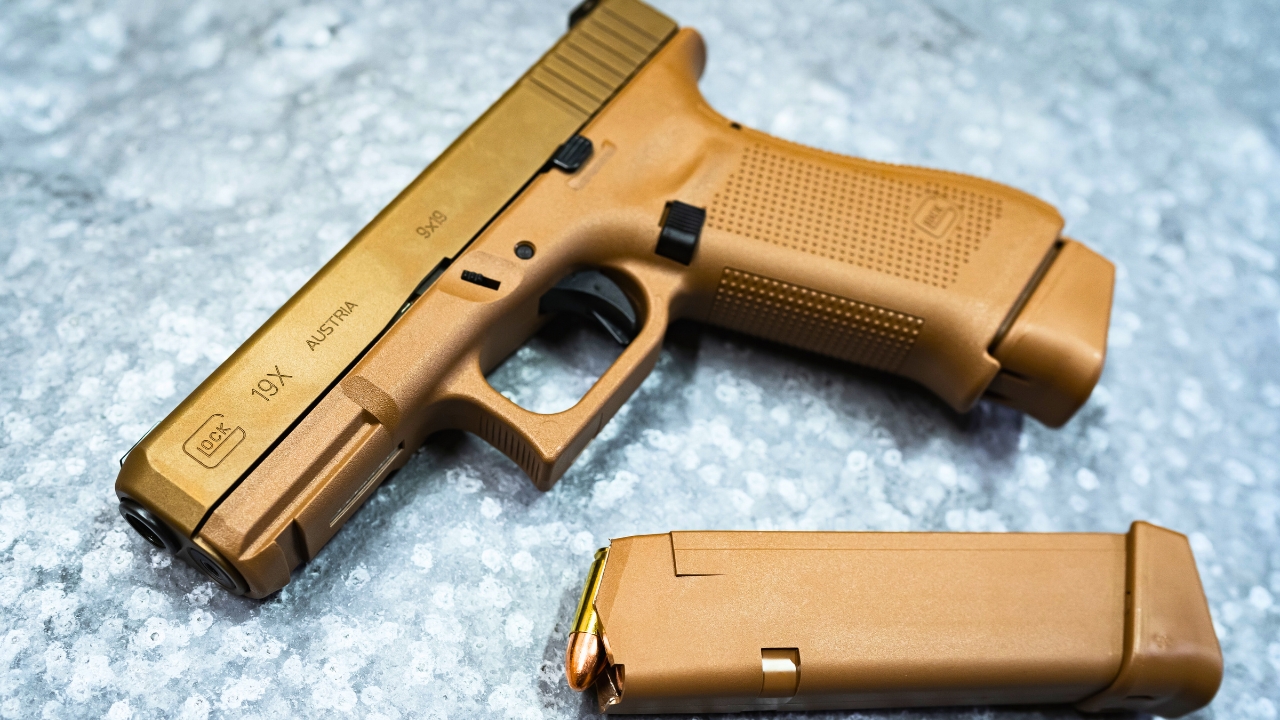
Glock didn’t invent the long-grip/short-slide configuration, but they nailed the execution. The 19-length slide stays quick out of the holster and tucks under clothing easier. The 17-length grip gives you full control, even if you’ve got paws that swallow most compacts.
Clones try to replicate this combo all the time, but most of them get the balance wrong. You end up with sluggish cycling, awkward grip angles, or a frame that doesn’t settle right during recoil. The 19X feels natural from the first draw because the proportions weren’t guessed—they were tested.
The trigger is boring in all the right ways
Nobody writes poetry about Glock triggers, but you know exactly what you’re getting. On the 19X, that translates into a clean break, a predictable wall, and a short reset you can ride all day without thinking about it. It’s not trying to be flashy. It’s trying to be consistent.
Clones often bolt on flat-faced triggers or lightweight connectors to seem “upgraded.” What you really get is inconsistency—different pulls as the parts wear, sloppy resets, or gritty travel that shows up once you hit higher round counts. The 19X gives you something you can trust under stress.
The reliability isn’t theoretical
Glock’s parts ecosystem is huge for a reason. Extractors, springs, trigger bars—everything is standardized, field-tested, and readily available. If something wears out, you can replace it in minutes, not weeks. And if the pistol ever needs real work, Glock’s support actually knows the platform inside and out.
Clones don’t play in that league. Many run fine until the first real malfunction. Then you’re digging through forums trying to figure out which aftermarket parts might fit. When you’re carrying a gun for defense, reliability can’t be something you “tune into.”
The mags run cleaner and smoother
The 19X takes Glock 17 magazines, 19 magazines, the 24‑rounders, and even the goofy 33‑round sticks if you want to dump ammo for fun. They all fit, they all feed, and they all drop free. The aftermarket selection is massive, and most of it works.
With clones, even small deviations in magwell dimensions cause feeding issues. Some mags hang up. Some don’t drop. Some only work half the time. That might be fine at the bench, but it’s a different story when you’re carrying the gun daily.
The nPVD finish survives real carry abuse
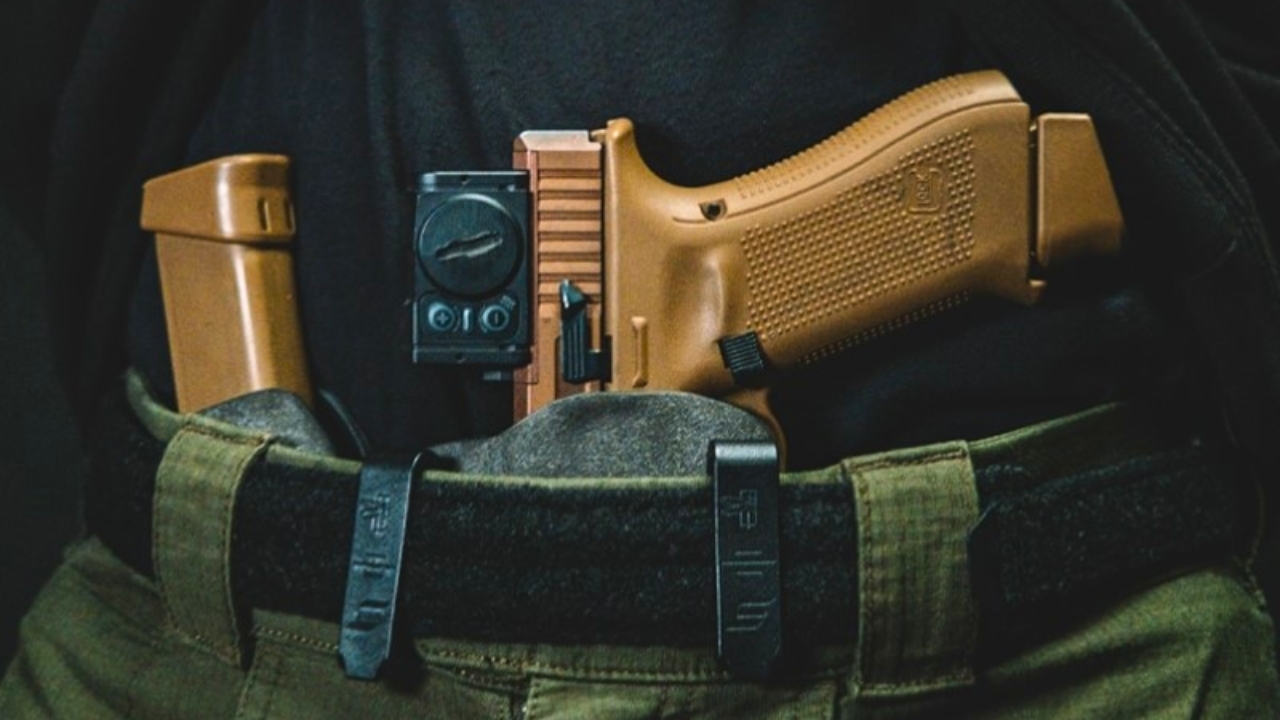
The slide coating on the 19X isn’t there to look pretty. Glock’s nPVD finish shrugs off sweat, humidity, and the constant rub of kydex. If you carry appendix or live somewhere humid, coatings matter more than folks realize.
Clones usually come with cheaper cerakote or black oxide that looks good until the first summer. After a few weeks of holster time, the edges polish bare. After a season, the slide looks older than it should. The 19X holds up better—period.
The lack of a front rail keeps the gun fast
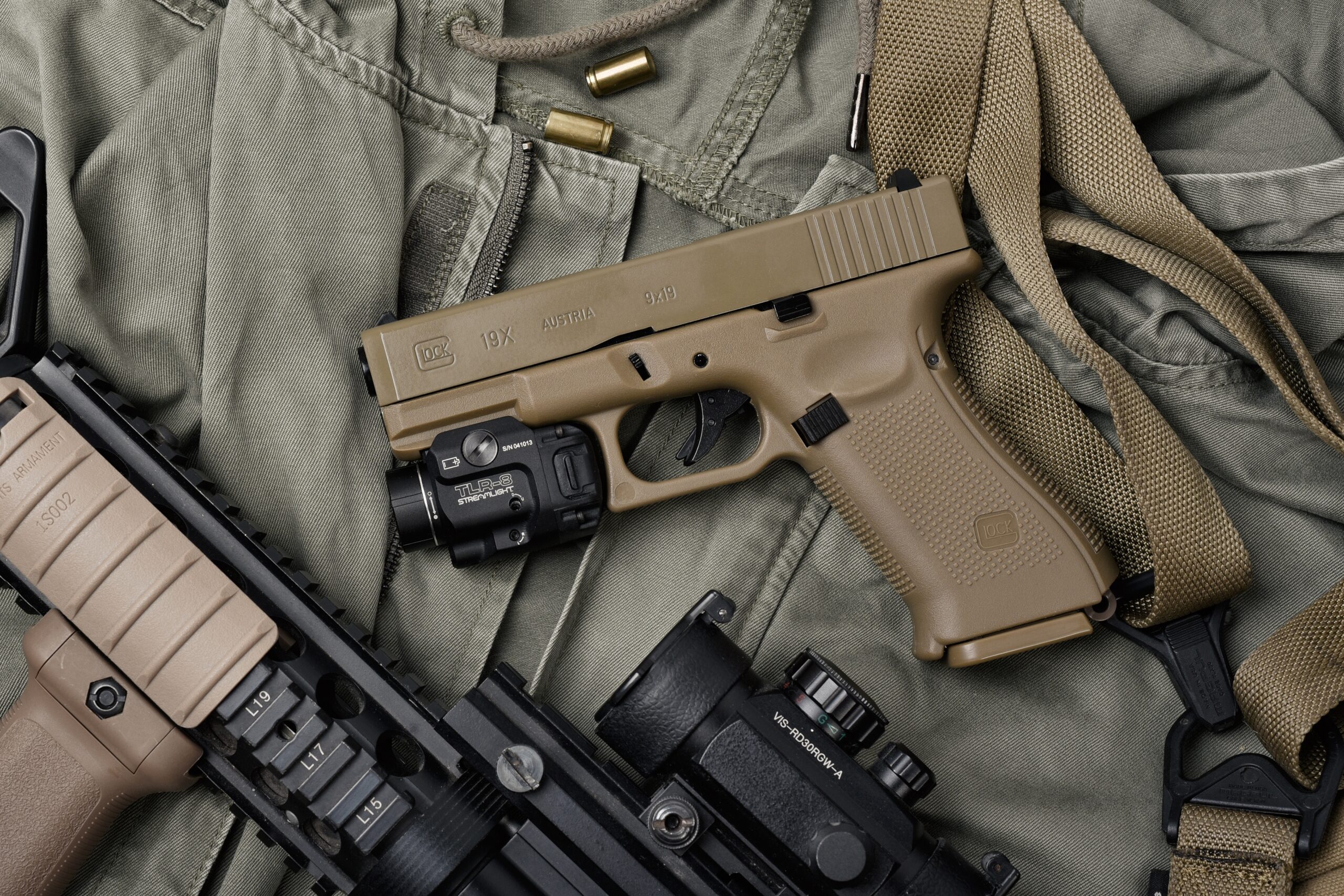
A lot of people gripe about the 19X not having a front rail for a weapon light. But if you’ve trained with lights enough, you know they change balance, slow down the draw, and complicate concealment. The 19X stays light and maneuverable, which matters when speed is the priority.
If you want a duty light, go get a Glock 17 or 45. The 19X is built for a different lane—quick, clean carry without extra bulk. Once you run it that way, you understand why the rail didn’t matter.
It eats cheap ammo without complaint
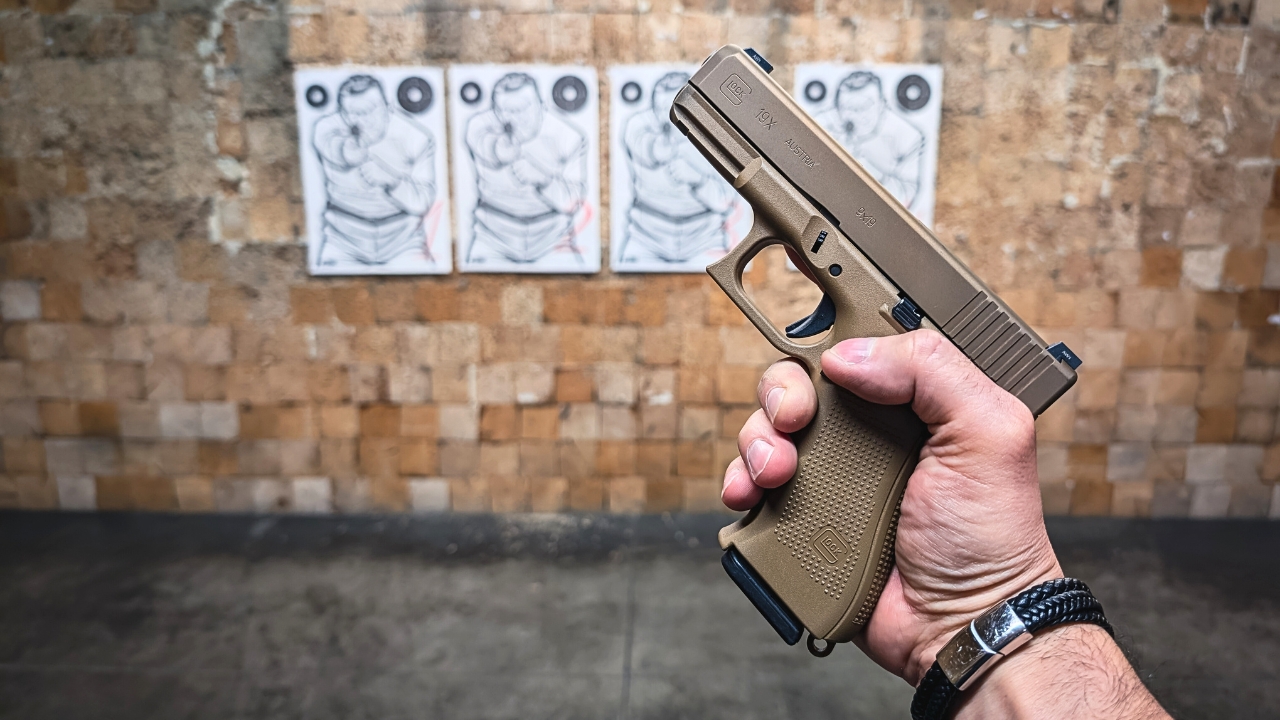
The 19X is famously tolerant of low-grade range ammo. Steel, aluminum, 115‑grain bargain boxes—it keeps cycling. Training gets expensive fast, and a gun that doesn’t choke on budget ammo saves you money and frustration.
Plenty of clones tighten their chambers or use recoil assemblies that can’t keep up with underpowered rounds. They shoot great with premium ammo but fall apart when you feed them what most people actually train with. The 19X runs whatever you throw at it.
The factory sights make sense for carry
Unlike many Glocks, the 19X ships with real metal night sights. They’re durable, bright enough to matter, and easy to pick up at speed. No goofy fiber rods to break and no cheap plastic to drift loose after a few dozen draws.
Clones love to advertise “premium sights,” but most of them are soft steel knock-offs or low‑end fiber optics that wash out in poor lighting. The 19X gives you sights you can hit with right out of the box.
It isn’t trying to be trendy
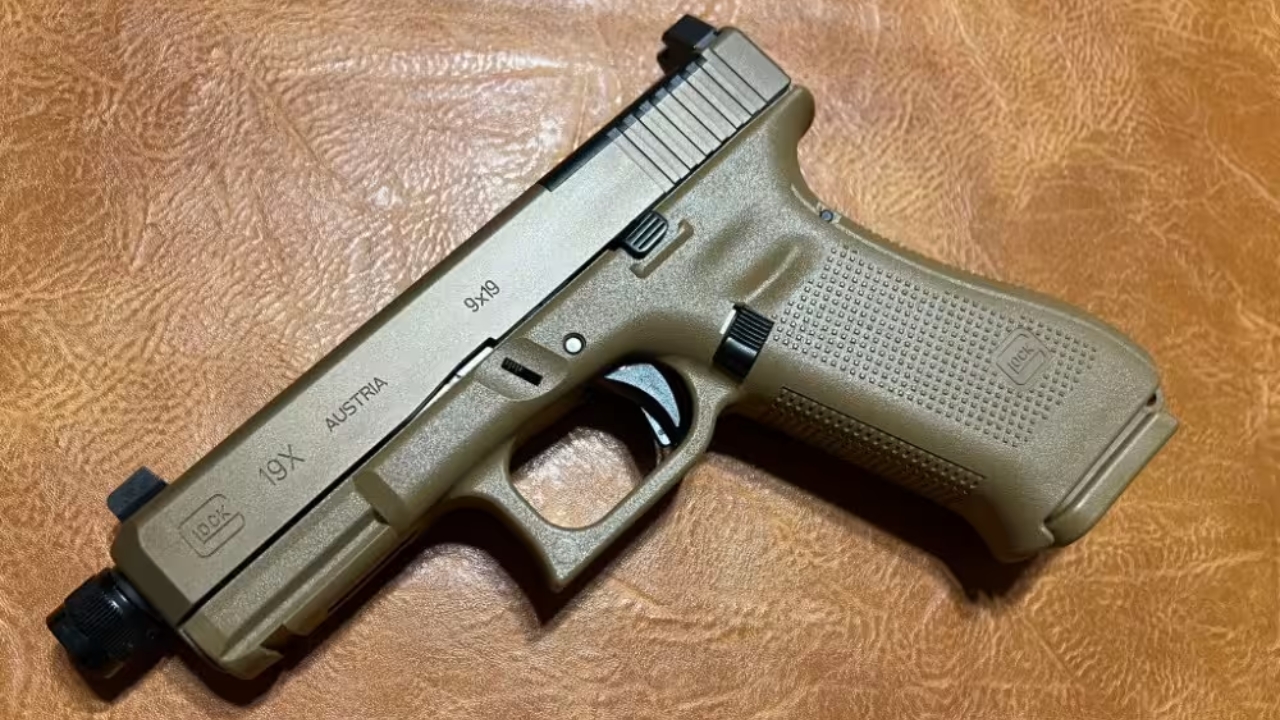
A lot of new pistols try to win you over with cuts, serrations, or optics plates. The 19X doesn’t bother. It sticks to what works—a reliable frame, a balanced slide, and internals that don’t give up when conditions get ugly.
That’s why folks who shoot a lot keep coming back to it. It’s not exciting on the surface, but it’s dependable underneath. And in a world full of flashy knockoffs, that kind of steady performance stands out.
Like The Avid Outdoorsman’s content? Be sure to follow us.
Here’s more from us:
The worst deer rifles money can buy
Sidearms That Belong in the Safe — Not Your Belt
*This article was developed with AI-powered tools and has been carefully reviewed by our editors.