Photo credit: richard pross/Shutterstock.com
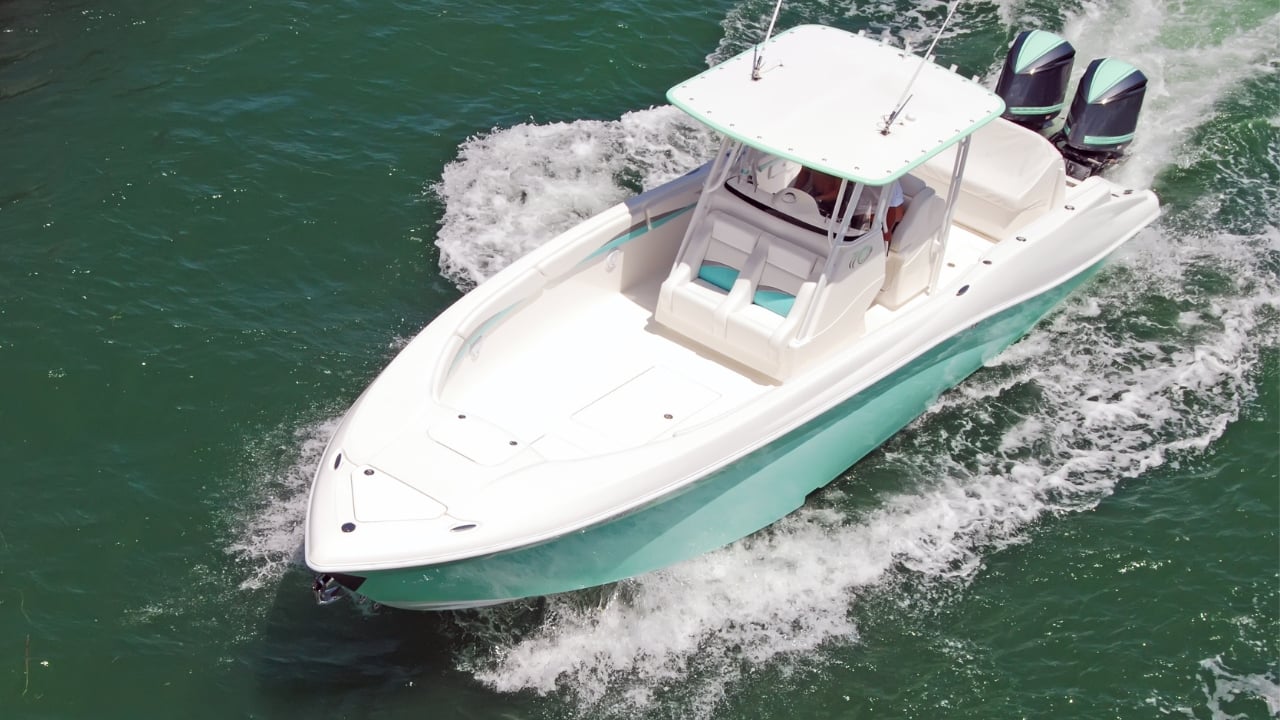
A kayaker on Reddit said he and his girlfriend were sitting at a sandy kayak launch when a big center console came barreling toward the ramp at roughly 30 mph. The boat was not some little beat-up jon boat limping back in from a farm pond. He described it as a $200,000 to $300,000 center console, the kind of offshore rig that takes up space, throws wake, and gets everyone’s attention when it comes in hot. It was also full of children, and according to the kayaker, they were not wearing life jackets. That alone would have made the scene ugly enough, but the reason the boat was coming in so fast made it even worse: the operator had apparently forgotten the drain plug, and the boat was taking on water.
The kayaker and his girlfriend had just gotten settled in their kayaks when the big boat came charging into the same area. Instead of using the regular boat ramp, the operator came into the sandy kayak launch. That matters because kayak launches are not built for large powerboats moving fast. People are low to the water there. They may be sitting in kayaks, adjusting pedals, clipping gear, dealing with paddles, or helping kids and beginners get situated. A big boat throwing wake into that space can turn a calm launch into a washing machine in seconds.
That is exactly what happened. The wake from the center console nearly flipped both kayaks and slammed them against the shoreline. The kayaker said the impact damaged both sets of his Hobie pedal drives and rudders. Anyone who has priced Hobie parts knows that is not a small scrape-and-move-on problem. Pedal drives are the heart of those kayaks. Rudders matter too, especially if you fish, cover distance, or handle current and wind. Getting those damaged before the trip even starts is enough to ruin a day and put a serious dent in the wallet.
The part that makes it worse is that none of it had to happen. Forgetting a drain plug is embarrassing, but it is also one of the most avoidable mistakes in boating. Every boater knows the plug matters. Every ramp has seen someone forget it. Usually, the fix is to notice early, get the bilge running, get the boat back on the trailer, and take the ribbing. But panic can make people stupid. When water starts coming into an expensive boat full of kids, some operators stop thinking about everyone else around them and start thinking only about getting back to land.
That panic does not excuse blasting into a kayak launch. The people in those kayaks had no room to get out of the way. A center console has mass, speed, wake, and props. A kayak has a person sitting inches above the water with limited protection. If the kayaks had fully flipped, the situation could have gotten dangerous fast, especially with gear in the water, people pinned near shore, and a large boat still moving through the area.
The children on board make the whole thing even more frustrating. If the kayaker’s account is accurate and the kids were not wearing life jackets, the operator had already failed at the most basic safety layer before the plug mistake ever showed up. A boat taking on water is bad. A boat taking on water with kids aboard and no visible life jackets is worse. A boat taking on water, running hot into a kayak launch, and nearly flipping nearby paddlers is how one mistake starts stacking into several.
There is also the access-point problem. Ramps and kayak launches only work when people use them the way they are meant to be used. A bait ramp, boat ramp, and kayak launch may all sit near each other, but they are not interchangeable just because someone is in a hurry. Kayak launches are slower and more exposed. Powerboat ramps are built for trailers, deeper water, and larger vessels. When someone ignores that layout, the smallest users on the water usually pay for it.
The kayaker’s damaged equipment turned the incident from a scary wake into a real loss. Two sets of Hobie drives and rudders can cost a lot to repair or replace, and even if money is not the issue, it can sideline both kayaks. That means a ruined outing, time spent dealing with parts, and the kind of irritation that hangs around long after the boat operator has gone home. A few seconds of careless boating can leave somebody else sorting out the bill.
For anyone running a boat, the first lesson is almost insultingly simple: check the plug before launch. Make it part of the routine. Tie it to the key. Put it on a checklist. Say it out loud before backing down. Do whatever it takes so you are not discovering the mistake with kids on board and water rising in the bilge. The second lesson is just as simple: if something does go wrong, do not make your emergency everyone else’s emergency. Slow down enough to stay in control. Use the correct ramp if at all possible. Watch for kayaks, swimmers, shore anglers, and anyone else who cannot dodge a big wake.
For kayakers, this is another reminder that the most dangerous thing near a launch is often not wind, current, or fish with teeth. It is another human being in a hurry. Keep your head on a swivel until you are clear of the ramp area. Stay ready to brace. Keep expensive gear secured before you float. And when a big boat starts moving where it should not be, get distance if you can, because being right does not keep you from getting slammed into the bank.
The kayaker and his girlfriend were lucky they were only dealing with damaged gear. A sinking center console full of kids, a panicked operator, a kayak launch, and two small boats nearly flipping could have ended a lot worse. That is the kind of ramp scene nobody forgets, and it started with one missing plug.