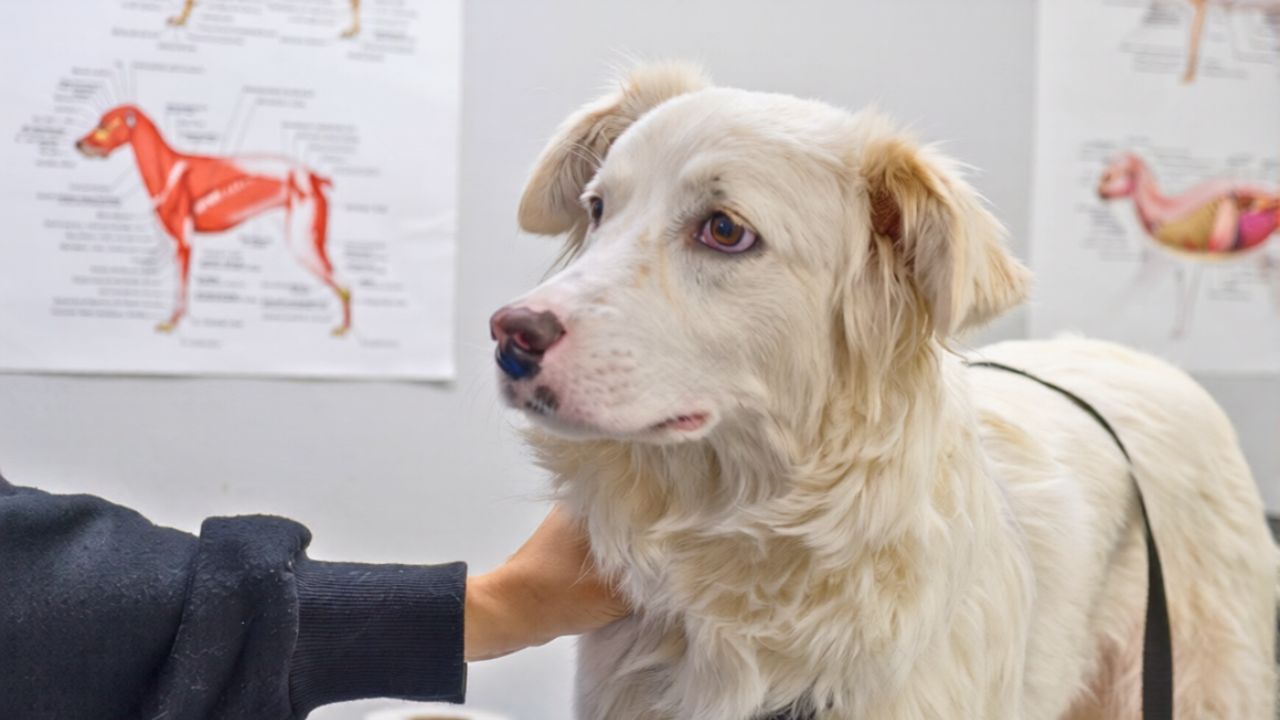
Photo credit: Artem Evdokimov/Shutterstock.com
A lot of dog behavior gets brushed aside because it looks funny, harmless, or easy to explain away in the moment. People laugh when a dog spins in circles, scoots across the carpet, stares at a wall, follows them into every room, or suddenly starts acting “dramatic” for no clear reason. Sometimes it really is nothing serious. Dogs are quirky, and part of living with them is getting used to habits that make no sense until you’ve seen them a hundred times. But not every odd behavior belongs in the harmless category, and that is where people get caught being too casual.
The issue is not that every strange little habit means something is wrong. It is that repeated behavior usually has a reason, even when that reason is easy to miss. Dogs do not talk through problems the way people do. They show patterns. They act differently. They repeat things that get their needs met or that help them cope with discomfort, stress, confusion, or physical irritation. So when a behavior keeps coming up, suddenly gets stronger, or feels out of character, it deserves more attention than a quick laugh and a phone video. A lot of the signals people treat like comedy are really a dog trying to say something in the only way it can.
Scooting is not always “just a weird dog thing”
People love to joke about a dog dragging its rear across the carpet, mostly because it looks ridiculous and dogs usually act so committed to it. But scooting is one of those behaviors that should not be written off as random. Sometimes it points to anal gland irritation, but it can also show up with skin problems, parasites, digestive issues, or general inflammation around the back end. If it happens once and never again, that is one thing. If it keeps showing up, there is usually a reason your dog is that uncomfortable.
The mistake people make is treating the behavior like the full story instead of the symptom. The scooting itself is not the issue. It is the dog trying to relieve irritation. If you keep laughing it off while it keeps happening, you may miss a simple problem that is getting worse. Dogs do plenty of goofy things for no reason, but persistent scooting usually is not one of them. It is often one of the clearer signs that something physical needs a closer look.
Constant licking can be more than a bad habit
A dog that keeps licking its paws, legs, belly, or the same patch of skin over and over often gets labeled as fussy or neurotic. People joke that the dog is “cleaning itself” or being obsessive. In reality, repeated licking can point to allergies, skin irritation, pain, boredom, or anxiety. The hard part is that the behavior can start for one reason and then turn into a cycle of its own. Once a dog learns that licking gives temporary relief or comfort, it may keep doing it long after the original trigger starts fading.
That is why the pattern matters more than the joke. A few licks here and there mean nothing. A dog that wears down fur, focuses on one area every day, or cannot seem to settle without licking is usually telling you something. Sometimes the issue is simple, like seasonal irritation or a sore spot. Sometimes it is emotional stress showing up in a physical way. Either way, it is not something to keep dismissing because it looks minor from across the room.
Following you everywhere is not always only affection
People usually take it as a compliment when a dog shadows them from room to room. It feels loyal, sweet, and a little flattering. Sometimes that is exactly what it is. But when a dog suddenly cannot relax unless it knows where you are, the behavior may be saying more than “I love you.” Dogs stick close when they feel unsettled, insecure, unwell, or overly dependent on a person for structure. That kind of attachment can build slowly enough that people stop noticing it until the dog starts panicking every time they leave.
This matters most when the behavior changes. A dog that always liked being near you is different from a dog that used to rest on its own and now trails you every minute of the day. Sudden clinginess can show up with stress, pain, aging, or routine changes inside the home. It may still look cute on the surface, but the reason underneath it may not be nearly as lighthearted. A dog that cannot leave your side is often trying to manage something, not only enjoy your company.
Zoomies can be harmless, but timing tells the real story
Most people laugh when a dog suddenly explodes into a lap around the house or yard like it has lost its mind for thirty seconds. A lot of the time, that reaction is fair. Zoomies are common, especially in younger dogs, after baths, or after a burst of excitement. But context still matters. If a dog seems wound too tight all the time, struggles to settle, or uses those frantic bursts after long periods of frustration, the behavior can tell you the dog is carrying more pent-up energy or stress than people realize.
That does not mean every fast lap is a problem. It means people should pay attention to what sits around it. A dog that gets normal zoomies and then relaxes is one thing. A dog that paces, whines, barks at everything, cannot switch off, and then launches into wild bursts over and over may be under-stimulated, over-aroused, or living with too much tension. The laughing part is fine. Ignoring the full pattern is where people miss what the dog may actually need.
Staring at nothing is not always “seeing ghosts”
Few dog behaviors get turned into a joke faster than staring at a corner, a wall, or an empty hallway. People immediately act like the dog sees something supernatural. Most of the time, the explanation is a lot less dramatic. Dogs hear things inside walls, catch scents people miss, and notice tiny movements or sounds long before humans do. That alone explains plenty of those moments. But if the staring becomes frequent, intense, or disconnected from obvious outside triggers, it can be worth paying closer attention.
The reason is that repetitive staring can also show up with anxiety, cognitive decline in older dogs, or neurological issues in some cases. Nobody needs to panic because their dog froze and looked toward the pantry for ten seconds. But a dog that regularly zones out, seems hard to interrupt, or pairs staring with confusion, pacing, or unusual behavior may be showing more than sharp senses. People laugh because the moment looks spooky. What matters is whether it stays a funny one-off or turns into a real pattern.
Sudden “grumpiness” often has a cause
A dog that starts growling when touched, moves away from handling, snaps during routine interactions, or seems less tolerant than usual often gets called moody or dramatic. People especially laugh it off when the dog is older and assume it has developed a bad attitude. The truth is, a lot of behavior people call grumpiness is actually discomfort. Pain changes temperament fast. So does poor sleep, stress, hearing loss, and the confusion that comes with age-related changes. A dog that used to love being climbed on, hugged, or disturbed during naps may not be patient anymore for a reason.
This is one of the bigger mistakes people make because they take the response personally instead of reading it as information. A dog is not being rude. It is setting a boundary the best way it can. If that boundary shows up suddenly, the smart move is to ask what changed physically or mentally. Behavior shifts rarely happen in a vacuum. A dog that seems crankier than it used to be may not be less loving. It may simply be less comfortable and less able to tolerate what never bothered it before.
Yawning, shaking off, and lip licking can mean stress
People tend to notice the loud behaviors and miss the smaller ones. A dog yawning when it is not tired, licking its lips when no food is around, or doing that full-body shake after a tense moment can look silly or meaningless. In reality, those are often calming behaviors. Dogs use them to release tension, defuse discomfort, or work through stress. You will see them during awkward greetings, after scolding, at the vet, around rough handling, or in social situations the dog is trying to navigate without conflict.
The reason these get ignored is that they are subtle and easy to misread. A person sees a yawn and thinks the dog is bored. They see lip licking and think the dog smelled dinner. They see a shake-off and think nothing at all. But when those behaviors cluster around certain people, places, or situations, they tell you the dog is not fully comfortable. That kind of information matters because it gives you a chance to reduce pressure before the dog escalates into barking, snapping, or shutting down harder.
Restlessness at night can mean more than extra energy
A dog pacing at bedtime, getting up over and over, wandering the house, or refusing to settle is often treated like a nuisance. People assume the dog took too long a nap, wants attention, or is being stubborn. Sometimes that is partly true, but nighttime restlessness can also point to discomfort, digestive trouble, anxiety, age-related confusion, or changes in hearing and vision. Older dogs especially can start struggling after dark in ways that people miss because they write it off as random wandering.
This is another case where timing tells you a lot. A young dog acting restless after doing nothing all day is one thing. A dog that used to sleep fine and now paces every night is another. When a pattern changes, it usually changes for a reason. Dogs do not stay up at night planning to be difficult. If they cannot settle, something is often making rest harder than it used to be. People laugh because the pacing can look aimless, but it may be one of the clearest signs the dog is not feeling quite right.
The behavior is the message
The bigger point in all of this is that dogs do not waste behavior the way people think they do. They may do funny things, strange things, and things that make no sense at first glance, but repeated behavior usually serves a purpose. It relieves discomfort, manages stress, seeks reassurance, avoids conflict, or reacts to a real physical problem. The trouble starts when people get so used to laughing at the behavior that they stop asking why it keeps happening.
You do not need to turn every odd habit into a crisis. A dog can still be weird without being unwell. But the best dog owners usually do one thing differently: they pay attention to patterns. They notice what is new, what is getting stronger, what only happens in certain situations, and what comes with other changes in mood, appetite, sleep, or movement. That is the difference between enjoying your dog’s personality and missing its warning signs. A lot of the behaviors people laugh off really are funny. They just are not always only funny.
Like The Avid Outdoorsman’s content? Subscribe to our newsletter so you never miss an article.
Here’s more from us: