Photo credit: patrick001/shutterstock.com
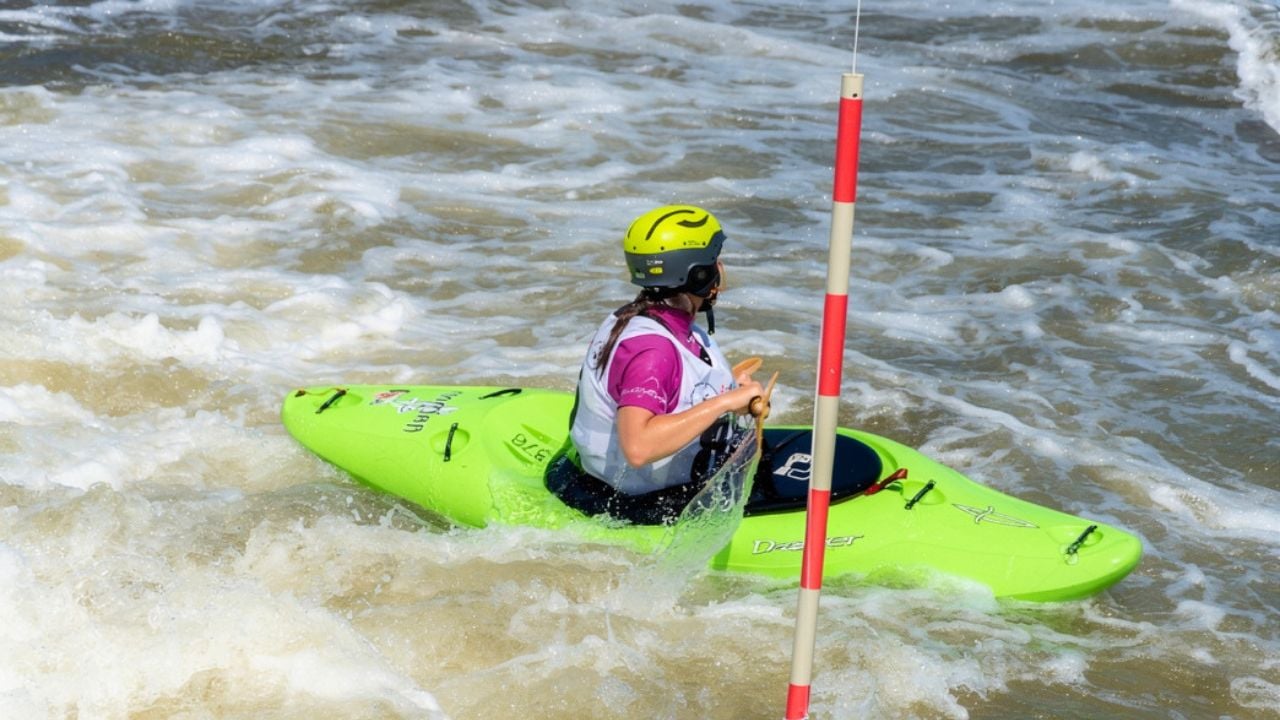
A kayak fisherman said he was working a quiet stretch of water when a boater came through close enough to make it clear he either did not see him or did not care. That is one of those moments every kayak angler understands. You are sitting low, managing a rod, paddle or pedal drive, tackle, and maybe an anchor or stakeout pole, and then you hear a motor coming. You look up, check the angle, and start doing the math fast. Is he turning? Does he see me? Is that wake going to hit broadside? Do I have time to point the bow into it?
The boater did not give him much room. According to the Redditor, the boat passed close enough that the wake rocked the kayak hard. For a bigger boat, that wake may feel like nothing. For a kayak, especially one loaded with fishing gear, rods, tackle, electronics, a cooler, and maybe a crate behind the seat, it can be enough to dump gear or flip the whole rig if it hits wrong. A kayak is stable until it is not. Once the balance goes, you are in the water trying to grab rods, a paddle, and whatever else is floating away.
What made the whole thing worse was the reaction. The kayaker said the boater laughed. Not apologized. Not waved like he misjudged the distance. Laughed. That changes the whole feel of it. A careless pass is bad enough. A guy finding it funny when his wake nearly swamps a smaller craft is the kind of thing that makes people dread sharing water with powerboats.
Kayak fishermen do not have the same options a boater has. They cannot throttle up and move out of the way. They cannot always outrun a wake or swing wide at the last second. If they are anchored, working a fish, sitting near structure, or positioned along a bank to fish a specific lane, they may be stuck taking whatever another boat throws at them. That is why distance matters so much. A few extra seconds of courtesy from a boater can keep a kayak angler from getting soaked, losing gear, or going in.
The danger is not only the wake. A close pass can push a kayak toward rocks, docks, stumps, riprap, or shallow timber. It can knock a rod overboard. It can flip an open tackle box. It can scare someone into making the wrong move. If the kayaker has a fish on, the mess gets even worse. Now he is trying to keep tension on the line, brace against the wake, protect his gear, and stay upright while another boat disappears down the water like nothing happened.
A lot of boaters underestimate how much their wake affects smaller craft. They look back and see a ripple. The kayak angler feels the whole boat lift, roll, and slap. If the wake hits from the side, the kayaker may have to drop the rod and grab the paddle or brace with one hand while everything in the crate shifts behind him. If it happens in cold water, deep water, current, or away from shore, it can get serious fast.
The worst part is that it takes almost no effort to avoid. Give kayaks a wide berth. Slow down before the wake reaches them. Do not cut between a kayak and the bank if you can avoid it. Do not blast through a narrow creek arm or backwater pocket where paddle craft are fishing. If you accidentally pass too close, own it and apologize. Most kayak fishermen are not looking for a fight. They just want to fish without being treated like floating speed bumps.
For the kayaker, the best defense is staying visible and ready. A bright flag, light in low visibility, reflective tape, and high-visibility clothing can help. Keep loose gear clipped or stored. Point the bow into wakes when possible. Watch boat traffic even when the fish are biting. None of that excuses a reckless boater, but it gives you a better chance when someone else makes a bad call.
The kayaker went out to fish quiet water and ended up dealing with a boater who thought it was funny to throw wake at him. That is the kind of behavior that turns small-water fishing into a nerve game. Public water belongs to everyone, but the guy throwing the biggest wake has the biggest responsibility not to make his fun someone else’s problem.