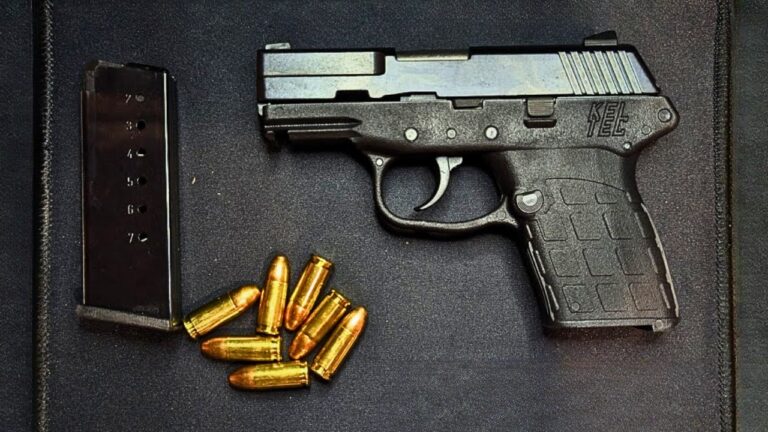
When a major Air Force command pauses an issued sidearm, that’s not “internet drama,” that’s an operational problem. After the July 2025 death of 21-year-old Airman Brayden Lovan at F.E. Warren Air Force Base, the U.S. Air Force Global Strike Command suspended use of SIG Sauer’s M18 pistol across its bases and launched an inspection campaign. The M18 is the military variant of the P320 platform, and that connection matters because the civilian P320 has been under heavy legal fire from lawsuits alleging uncommanded discharges, a claim SIG denies. AP reported that the command’s pause was tied to safety review and investigation, and later AP coverage described the result: nearly 8,000 M18s inspected, no malfunctions attributed as the cause of discharges, and 191 pistols flagged for repairs related to wear issues. That’s the kind of scrutiny most civilian pistols never see, and it’s why this became a national story instead of a local tragedy.
What the Air Force did, and what it found
According to AP, Global Strike Command paused M18 use and inspected its inventory after Lovan’s death, with the Air Force Office of Special Investigations involved. In the later AP report, the command said it reviewed weapon discharges and found none were attributed to weapon malfunction, then cleared security forces to resume carrying M18s with enhanced inspection procedures. The detail that should matter to your readers is the “191 pistols needed repairs” piece, because it shows the inspection wasn’t a rubber stamp—it found real issues worth fixing, even if the command didn’t attribute discharges to a mechanical malfunction. Military.com’s reporting also described the inspection count and the same repair figure, adding texture on the types of discrepancies flagged. If you’re writing this as a news piece, the clean way to frame it is: a pause happened, inspections happened, the command publicly declared the pistols safe for service use, and they tightened inspection protocols anyway.
The arrest and the “false statement” angle changed the narrative
A big reason this story didn’t stay purely “gun issue” is that the investigation wasn’t treated as a simple accident and move-on event. AP reported an airman was arrested in connection with the fatal shooting on suspicion of involuntary manslaughter, obstruction of justice, and making a false official statement, though identity wasn’t released before formal charges. That matters because it signals the incident may involve human behavior and reporting failures, not just equipment questions. It also explains why the Air Force’s public messaging was careful: when investigators are sorting out who did what, when, and why, it’s irresponsible to pin a cause on a pistol platform based on rumors. For your audience, that’s a reality check—“the gun went off” stories can be true, but the full incident chain can also include negligence, mishandling, or deliberate deception.
What this means for the civilian P320 debate (without forcing a conclusion)
It’s tempting to claim “the military proved it safe” or “the military proved it dangerous,” but the inspection outcome doesn’t settle the civilian controversy either way. What it does do is give you a credible anchor for a newsy article: a huge organization paused use, inspected thousands of pistols, and publicly stated it found no discharge-causing malfunctions while also identifying wear issues requiring repairs and updating inspection procedures. If you carry a P320, you can cite SIG’s position that the gun can’t fire without a trigger pull and point to adoption and testing, and you can also cite that courts are still hearing cases and that at least one federal appeals court has revived a holster-discharge lawsuit back toward trial.
Like The Avid Outdoorsman’s content? Be sure to follow us.
Here’s more from us: