Photo credit: BoomStick Tactical/YouTube
You hear a lot of noise in the handgun world, especially online, and it doesn’t take long to figure out that hype rarely lines up with real performance. A pistol might get pushed hard on social media, ride a wave of clever marketing, or pick up a fanbase that swears it’s the answer to everything. But once you actually run these guns hard—especially during training, warm-ups, or defensive drills—some of them reveal limits that you’re not going to see in a quick showcase video. When you spend your own money, you want more than a flashy feature list. You want a handgun that holds up, feeds right, and stays consistent. These pistols often fall short of that, even though the buzz makes them sound like the next big thing.
Springfield Hellion pistol variant

The Hellion pistol variant gets a ton of attention because of its unique layout and military connections, but when you dig into how it actually handles, the excitement cools off. The balance changes with every accessory you add, and the weight can feel awkward in a defensive setting. You may like the idea of a compact bullpup pistol, but once you start running timed strings or transitions, you’ll feel the difference between this and a traditional format.
Another issue is how much the ergonomics change depending on your stance and grip. It’s easy for newer shooters to assume the design will make up for shortcomings in technique, but this one exposes flaws quickly. For most people, you’re paying for a look and a concept more than day-to-day practicality.
SIG Sauer P320 AXG Legion
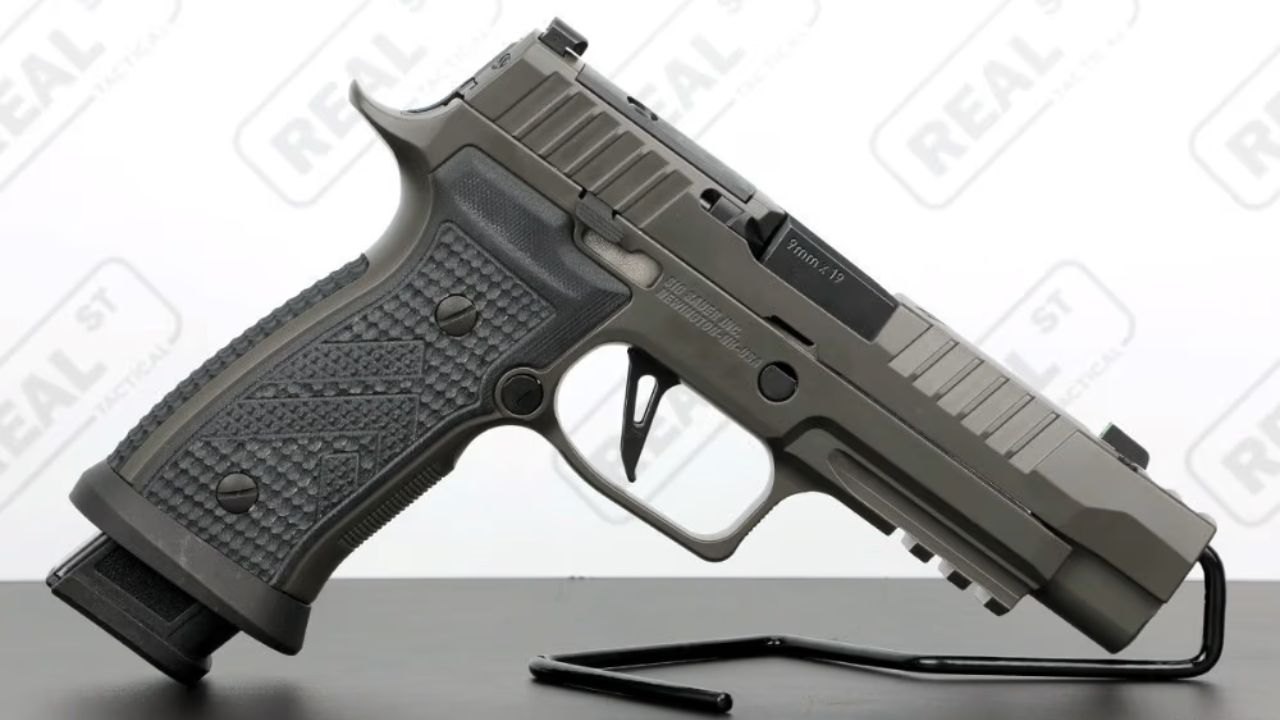
The AXG Legion commands a premium price because of the frame material, coating, and expanded features, but the performance increase over a standard P320 isn’t nearly as dramatic as the hype suggests. It’s heavier than most shooters expect, which slows down your draw and can become tiring during long sessions. Plenty of people are surprised by how little that weight helps with recoil control.
Accuracy is solid, but you don’t gain enough to justify the jump in cost, especially when the trigger feels similar to what you’ll find in lighter, cheaper P320 models. If you shoot a lot, you’ll notice the difference between marketing promises and real benefit. For many people, this version adds bragging rights, not measurable improvement.
FN 509 LS Edge
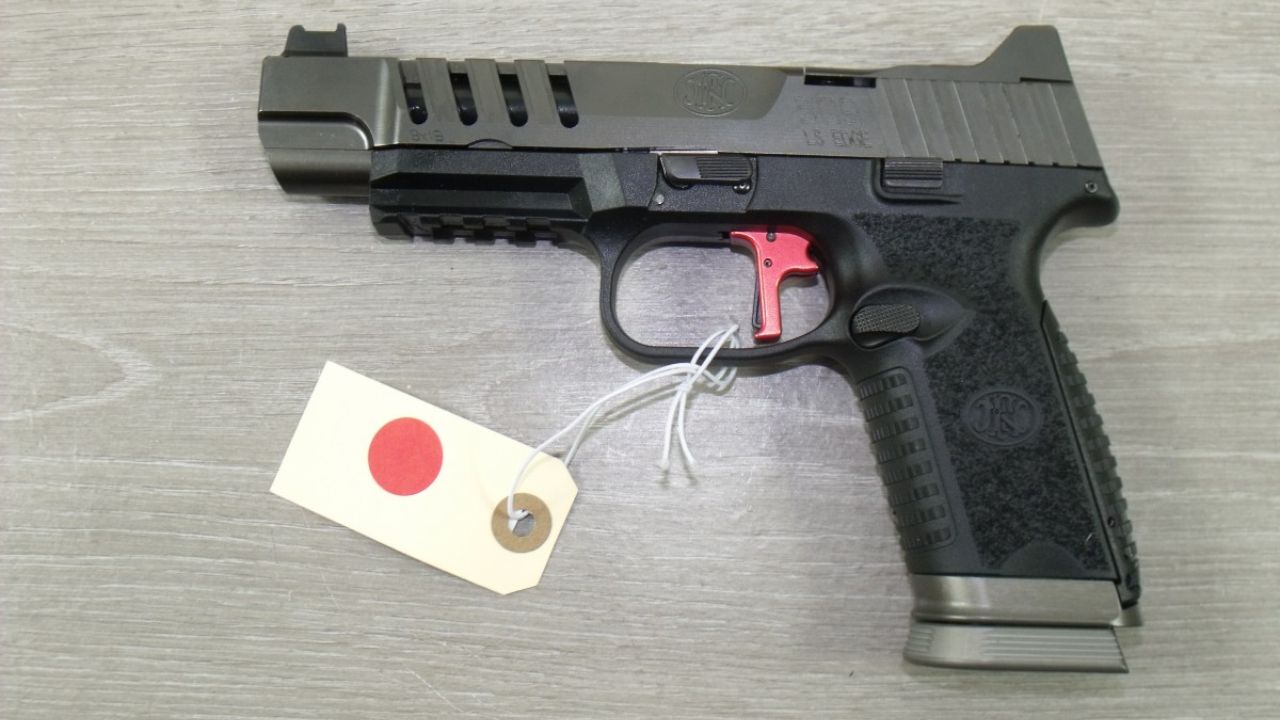
The 509 LS Edge looks like a dream on paper, but the enhancements don’t always translate into smoother shooting. The slide cuts and extended barrel make it feel like a competition gun, yet the trigger leaves plenty to be desired. FN calls it performance-focused, but side-by-side with other striker-fired guns in its price range, you’ll see that it doesn’t always keep pace.
The grip texture can also be too aggressive for long training days, especially when your hands start to fatigue. It’s tough to justify the added cost when the main upgrades feel mostly cosmetic. The gun runs, but it doesn’t provide the level of refinement people expect from something marketed as a premium option.
Heckler & Koch VP9 Tactical
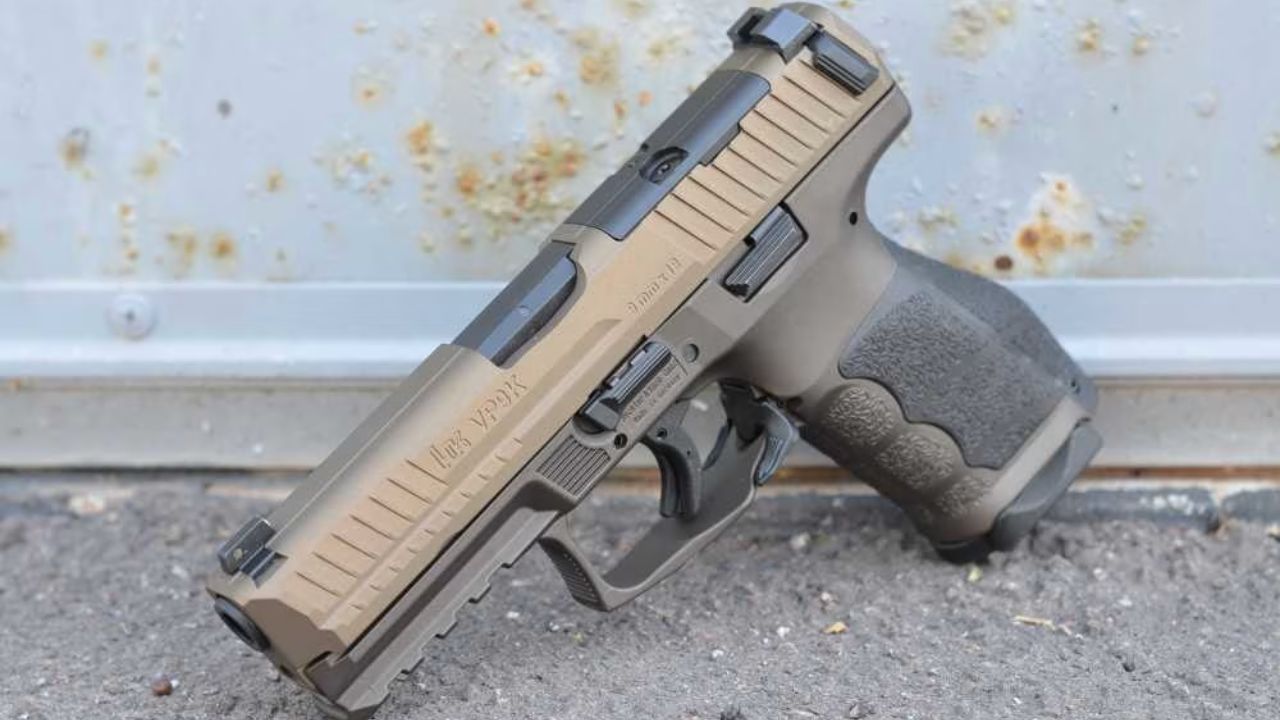
The VP9 Tactical gets a lot of praise for its suppressor-ready features, but when you run it unsuppressed—which is how most owners actually use it—there’s little meaningful improvement over the standard VP9. You’re paying extra for features that won’t benefit you unless you regularly shoot with a can. The raised sights help with alignment, but they don’t change the shooting experience enough to matter.
Another issue is the expectation that the threaded barrel will somehow improve accuracy. It won’t. The VP9 Tactical still feels like a VP9, which is fine, but the buzz can make you think you’re getting a different class of pistol. You’re not. For most shooters, the standard model offers the same experience at a significantly lower cost.
Walther PDP Pro SD
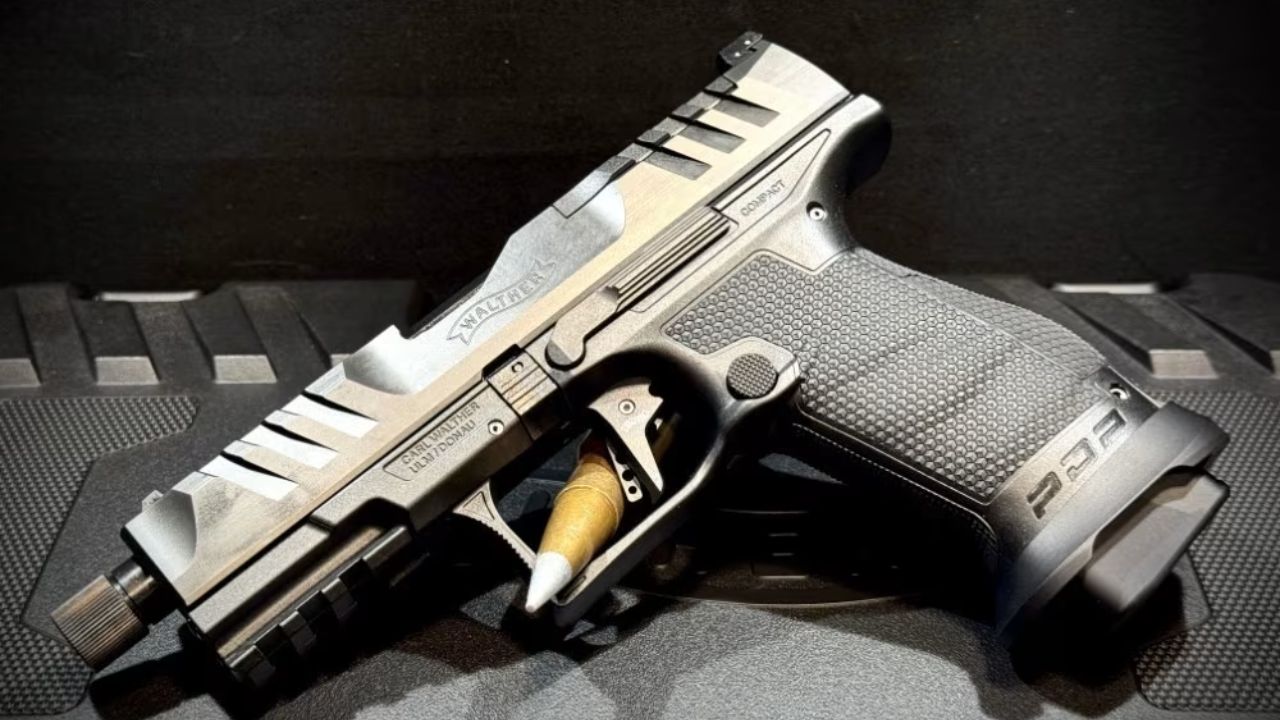
The PDP Pro SD attracts attention because of its trigger and modularity, but the real-world differences between this model and the base PDP are smaller than advertised. The Pro SD is heavier, a bit bulkier, and comes with parts that many shooters don’t need. It can feel like you’re buying upgrades you won’t fully use unless you’re running a very specific setup.
On the line, the Pro SD doesn’t offer enough improvement to justify the jump in price. The trigger is good, but the standard PDP’s is already excellent. If you’re expecting night-and-day improvement, you’ll be let down. It’s a capable pistol, but the hype lifts expectations far beyond what you’ll see in your groups or times.
Smith & Wesson M&P9 M2.0 Metal
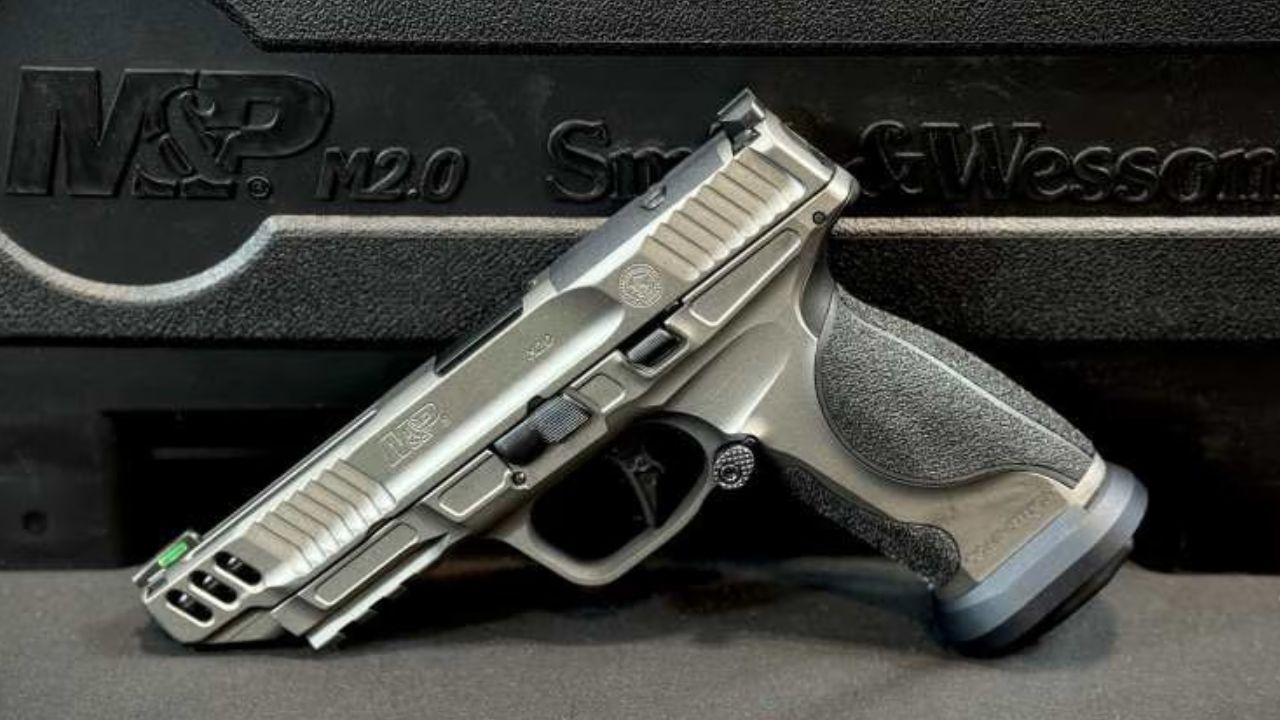
The M2.0 Metal version has been pushed heavily as a major upgrade, but much of its appeal comes from the novelty of a metal frame on a platform known for being polymer. The added weight doesn’t help as much as you’d think, and some shooters actually prefer the livelier feel of the standard M&P. When you compare performance, the gap is small.
The trigger and accuracy remain the same, and the only major difference is how the pistol handles during longer sessions. Even then, the metal frame can become fatiguing. Many buyers walk away feeling like they paid for a construction change rather than a performance boost. The hype simply oversells what you get.
CZ P-10 F Competition

The P-10 F Competition model carries the reputation of CZ’s production guns, but it doesn’t always live up to that heritage. It’s marketed as a match-ready option, yet the trigger and overall feel don’t separate it enough from the standard P-10 lineup. You’ll find that recoil control is decent, but not on par with other competition-oriented guns in its category.
The extended barrel and slide cuts look the part, but accuracy gains are minimal. If you’re expecting a noticeable difference in speed or consistency, the platform may come up short. It’s reliable, but the “competition” label oversells what the gun actually brings to the table.
SIG Sauer P365 Macro TACOPS
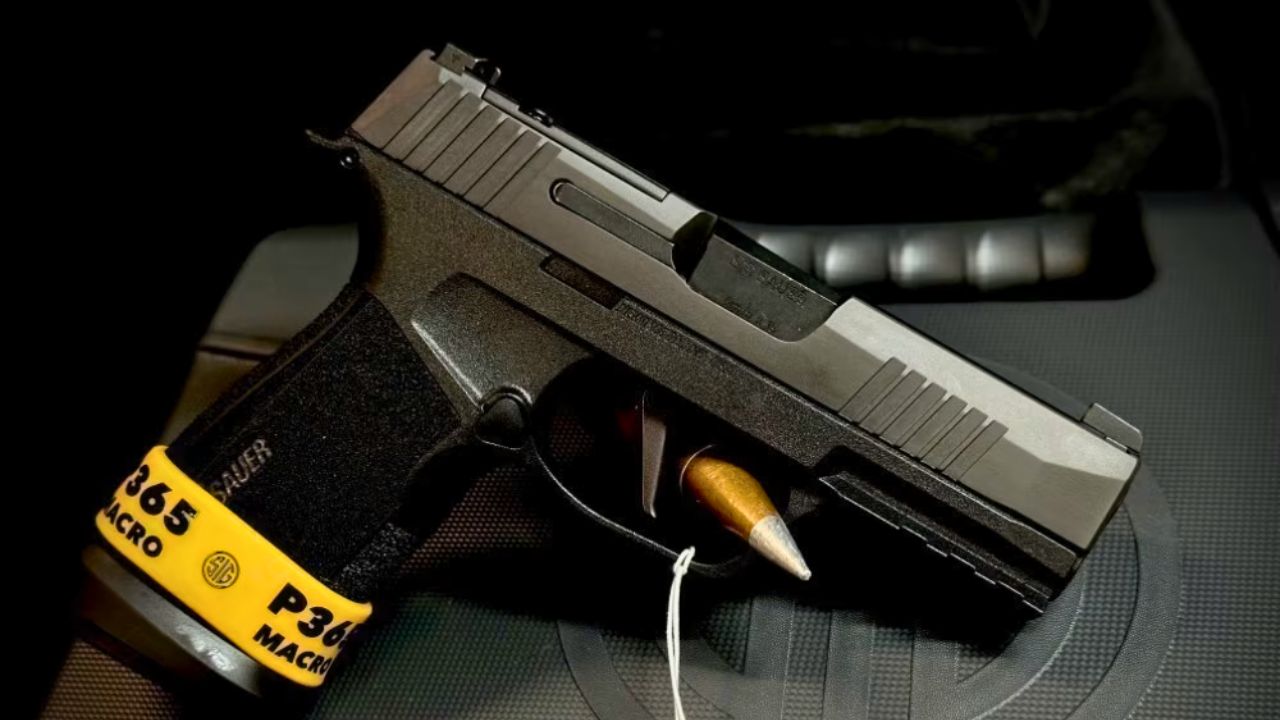
The Macro TACOPS took the P365 series and stretched it into a format that tries to do everything, but ends up losing some of the compact charm that made the original so popular. It’s marketed as a major improvement in capacity and shootability, but the real gains aren’t as dramatic as you’d think. Recoil feels snappier than expected for its size.
The Macro also doesn’t deliver the accuracy boost many shooters anticipate. You’ll find that it behaves more like a slightly stretched micro pistol rather than a true crossover. If you want a gun that shoots noticeably flatter, there are better options in the same price bracket. The hype around it sets expectations that the platform can’t quite meet.
Kimber R7 Mako

The R7 Mako grabbed attention with its enclosed-emitter optic cut and aggressive styling, but reliability concerns have kept many shooters cautious. Kimber marketed it heavily as a tough, carry-ready micro pistol, yet range reports often point to feeding inconsistencies. The gun feels good in the hand, but performance varies enough to make experienced shooters skeptical.
Accuracy is fine for close distances, but it doesn’t separate itself from the competition. When a pistol gets this much attention early on, people expect it to outperform the established names. The R7 Mako simply hasn’t proven itself long enough or consistently enough to justify the buzz surrounding it.
Beretta APX A1 Full Size

The APX A1 Full Size comes with a refreshed design that Beretta markets as a major step forward, but the improvements don’t dramatically change how it runs. The trigger is better than the original, though still not at the level of other striker-fired guns in the same cost range. The grip texture is improved, yet the frame still feels blocky compared to its competitors.
Beretta promotes this model heavily, and that leads many shooters to expect a top-tier performer. While it’s reliable, it doesn’t stand out in the categories that matter most: recoil control, accuracy, and ergonomics. You’ll find it serviceable, but not worthy of the “next big thing” reputation it gets online.
Springfield XD-M Elite

The XD-M Elite series tries to modernize the XD line, but it hasn’t gained the traction Springfield expected, and a lot of the hype comes from fans rather than instructors or high-volume shooters. The grip safety still feels dated, and many people don’t love the overall ergonomics. On the range, the Elite models don’t produce accuracy that separates them from similarly priced options.
The trigger is better than previous generations, but not enough to create a meaningful edge. If you’re upgrading from an older XD, you’ll notice some differences. But if you’re comparing it to other modern pistols with similar features, the XD-M Elite struggles to justify the praise it gets from its most loyal supporters.
Taurus GX4 XL
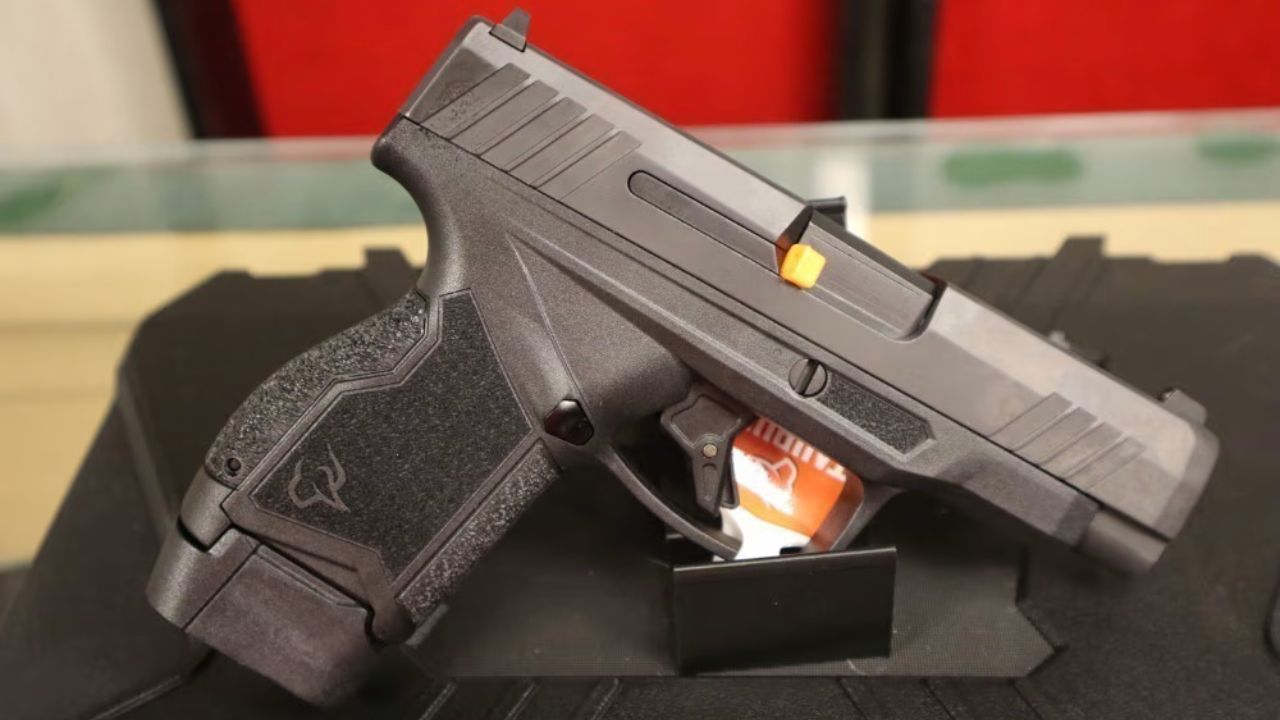
The GX4 XL gets a lot of talk because of its size, capacity, and price, but when you start pushing it hard in training, the bargain becomes less appealing. The trigger has an inconsistent break, and recoil feels sharper than competing models in the same size category. For newer shooters, the gun feels better than it performs.
Taurus has improved quality control in recent years, but the GX4 XL still doesn’t inspire the long-term confidence you want in a carry pistol. It works well enough for casual range use, but the reputation it has built online tends to ignore performance plateaus that show up when you run it in realistic drills.
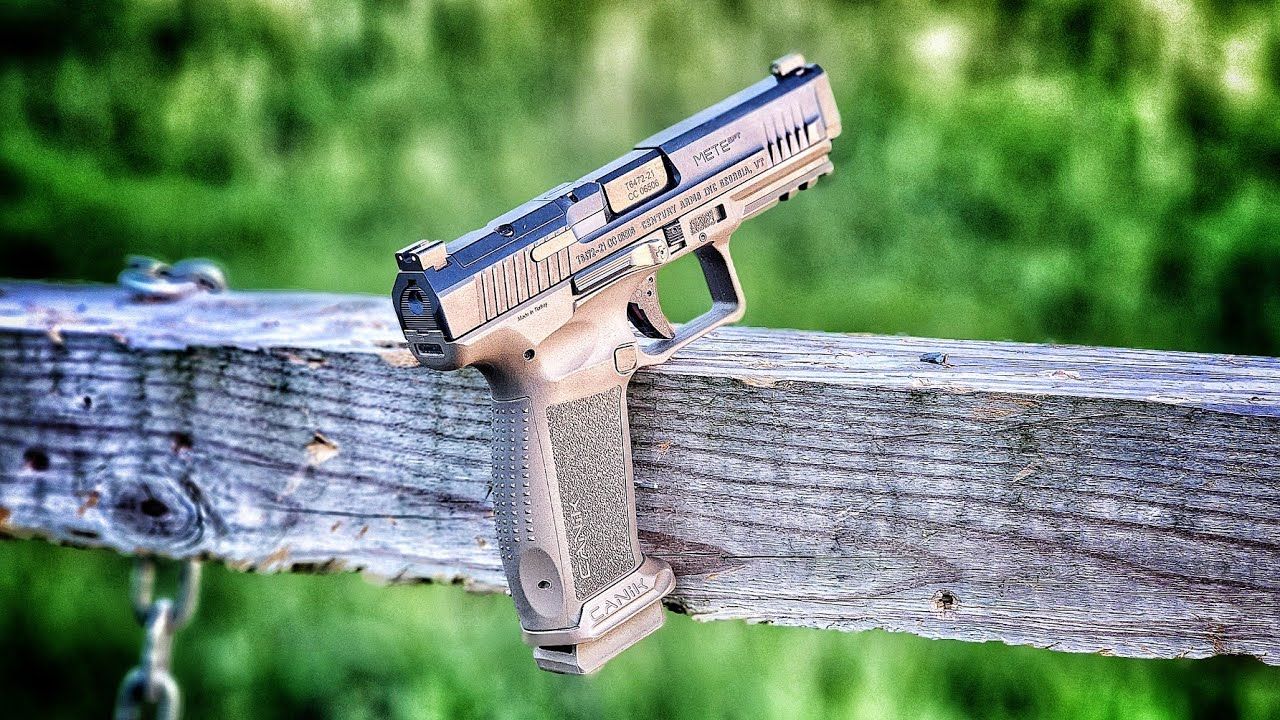
Canik Mete SFT Pro

Canik gets praised constantly for offering value, but the Mete SFT Pro is one of the models where the hype exceeds the gains. The Pro label suggests a level of refinement that simply isn’t there. The trigger is good, but not noticeably better than Canik’s less expensive options. Weight distribution feels top-heavy once you mount an optic.
Accuracy is acceptable, yet not at a level that sets it apart from similarly priced pistols. A lot of shooters buy into the marketing and expect a competition-ready platform. What they get is a slightly dressed-up duty pistol that doesn’t exceed expectations under pressure.
Mossberg MC2c
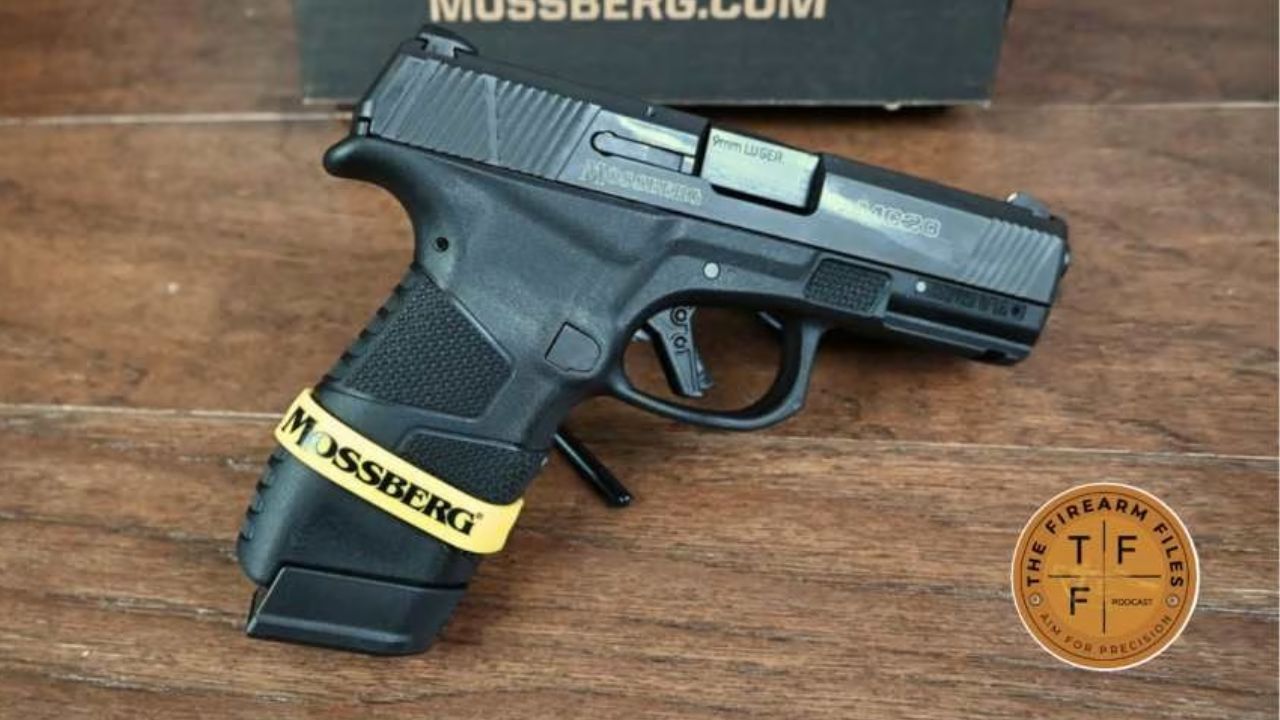
The MC2c pulled attention because it offered a slimmer profile and a familiar feel at a solid price, but it hasn’t proven itself as a serious contender in high-volume shooting circles. The trigger is serviceable, but the reset feels vague compared to other options. That lack of clarity shows up in your split times and overall rhythm.
Ergonomics are decent, but the grip angle and slide serrations don’t feel as locked-in as the competition. The MC2c isn’t a bad pistol; it’s simply oversold as something more refined than it is. When you compare it directly to better-established platforms, the excitement fades.
PSA Dagger Full Size
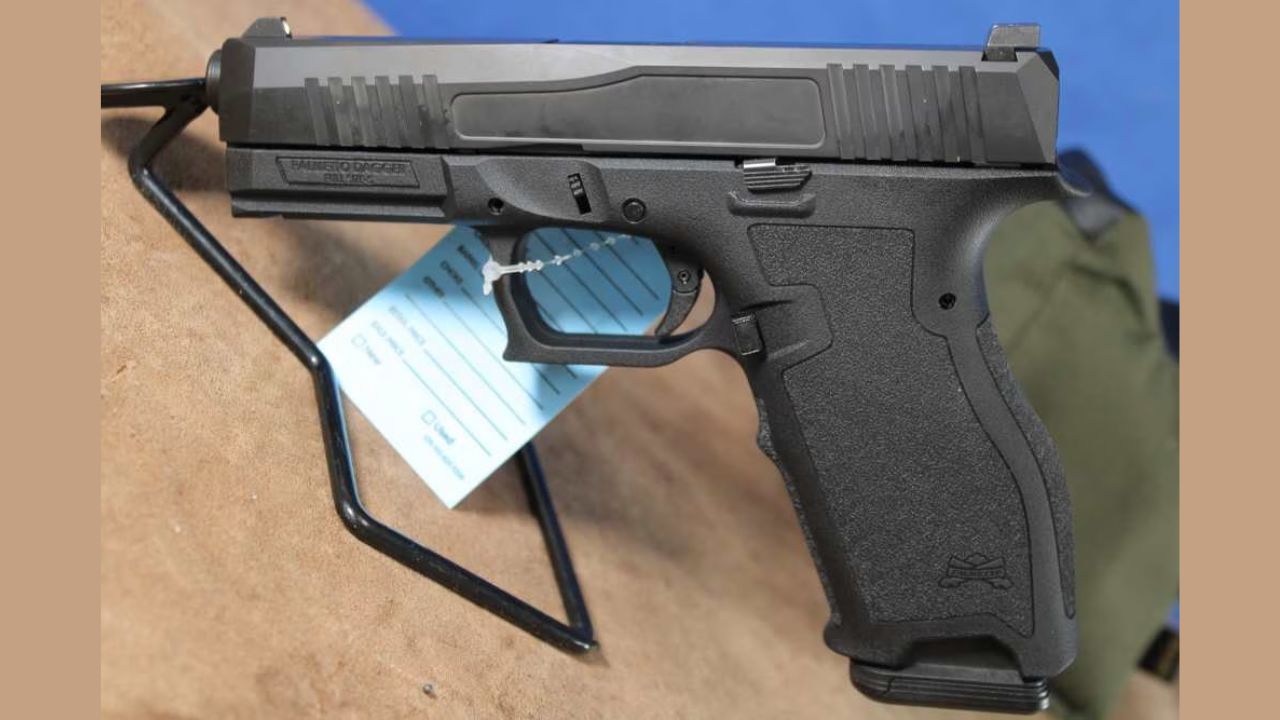
The Dagger Full Size made waves because it promised Glock-like performance at a budget price, but the reality is that it still trails behind OEM guns in consistency. PSA promotes it aggressively, which leads many shooters to assume it’s a true match for the platform it imitates. But tolerances and trigger feel vary noticeably from unit to unit.
Accuracy is acceptable, yet not on the level of established duty pistols. When you start running faster drills, the differences show up quickly. It’s a handy option for the price, but the hype makes it sound like a breakthrough. In real use, it’s a value gun—not a top performer.
Like The Avid Outdoorsman’s content? Be sure to follow us.
Here’s more from us:
The worst deer rifles money can buy
Sidearms That Belong in the Safe — Not Your Belt
*This article was developed with AI-powered tools and has been carefully reviewed by our editors.