Photo credit: Gregory C Sanders/Shutterstock.com
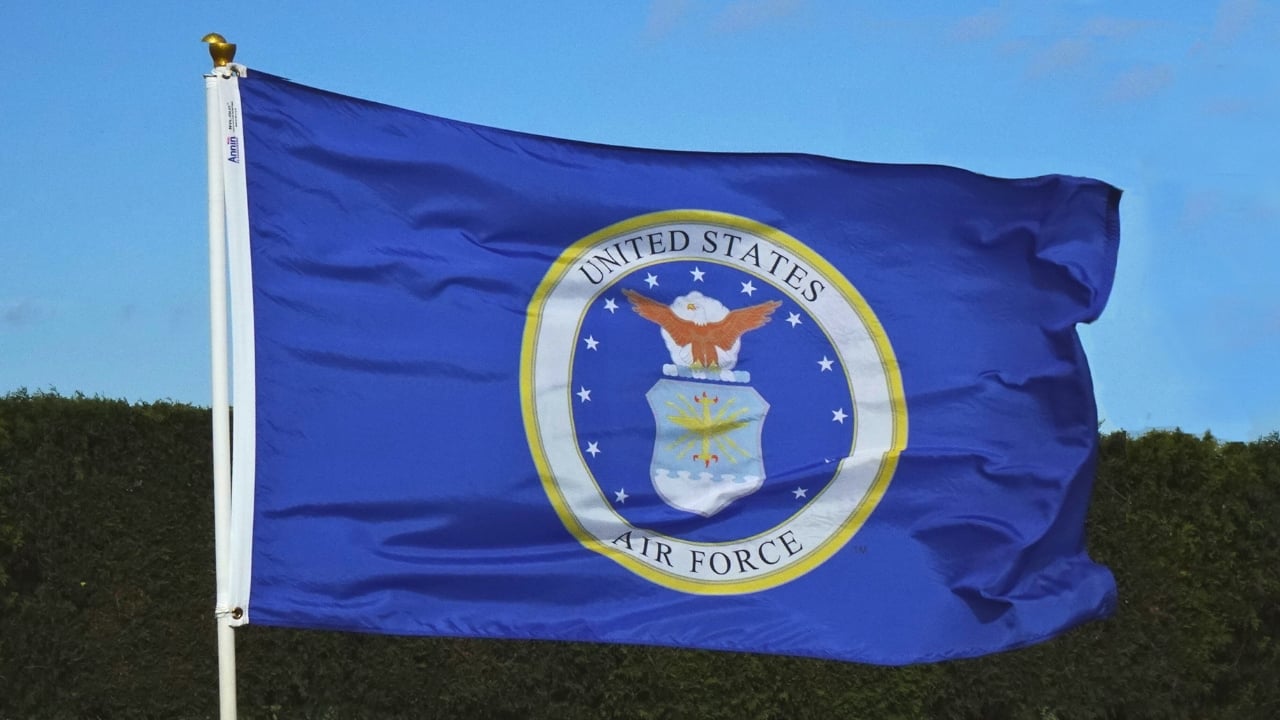
U.S. Air Force Global Strike Command temporarily halted use of the Sig Sauer M18 handgun system in mid-2025 after a fatal incident at a Wyoming base, triggering inspections and a wider debate about safety and trust in issued sidearms. While the public-facing directives focused on use and inspection, the episode intensified scrutiny of the broader P320 family and fueled questions across the shooting community about how the military responds when a service weapon becomes part of a high-profile investigation.
What the Air Force command actually paused and why
Air Force Global Strike Command said it paused use of the M18 Modular Handgun System effective July 21, 2025, following a “tragic incident” the day before at F.E. Warren Air Force Base in Wyoming that resulted in the death of a Security Forces airman. The command’s press release said the pause was effective until further notice, and the stated rationale was to allow safety and investigative offices to review the incident and conduct inspections. AP reported the command suspended use and ordered inspections across command bases, noting the M18 is a military variant of the Sig Sauer P320, which has been the subject of lawsuits alleging uncommanded discharges, claims Sig Sauer has denied. Defense-focused coverage similarly described the pause as a command-level action tied to the fatal incident and the need to assess safety risk, while the broader Air Force did not immediately announce a service-wide ban.
What inspections found and how quickly the policy shifted again
After the pause and inspection push, AP later reported the Air Force conducted a safety review and found no weapon malfunctions causing discharges in the inspected M18 pistols, and that security forces resumed use with updated inspection protocols. The AP report said nearly 8,000 pistols were inspected and a portion required repairs largely tied to wear components rather than a systemic firing issue, and it noted the investigation into the death was ongoing while the command emphasized airmen must trust their equipment. Separate reporting described the episode as a cycle of pause, inspection, and return to service, reflecting how quickly an operational command can move from a safety stand-down to a controlled resumption when leaders believe they have enough information to manage risk. That arc matters because it shows the Air Force treated the event as both an investigative matter and a confidence issue, using inspections and revised procedures as the mechanism to restore day-to-day operations.
Why the M18 story keeps getting pulled into the civilian P320 debate
The M18’s connection to the P320 platform keeps the controversy in the public eye, even though military procurement and civilian consumer disputes are not identical problems. AP explicitly linked the command’s pause to broader P320 litigation claims while noting Sig Sauer denies allegations the guns fire without a trigger pull. Business and defense outlets have also pointed out that agency and military pauses can amplify scrutiny by creating the perception of institutional concern, regardless of whether later inspections attribute problems to malfunction, wear, handling, or other factors. For shooters and agencies watching from the outside, the practical effect is that any high-profile incident involving an M18 is quickly interpreted through the lens of the P320’s courtroom narrative, which can reshape how people talk about the platform even before investigators publish a final report.
What the “pause” signals for procurement and confidence
A command-level pause is not the same as a recall, and it does not automatically indicate a confirmed mechanical defect, but it does signal that leadership considered the reputational and operational risk serious enough to justify a temporary shift to alternative weapons while facts were gathered. In practice, that can influence how other units, agencies, and state buyers assess the platform, because procurement decisions often hinge on risk tolerance and whether a weapon becomes a persistent source of policy distraction, training complications, or legal exposure. The Air Force’s later conclusion that inspected M18s were safe and its decision to resume use with new inspection rules may stabilize internal confidence, but the public timeline—fatal incident, pause, inspections, resumption—will continue to be cited by both critics and defenders of the platform as litigation and public scrutiny remain active.
Like The Avid Outdoorsman’s content? Be sure to follow us.
Here’s more from us: