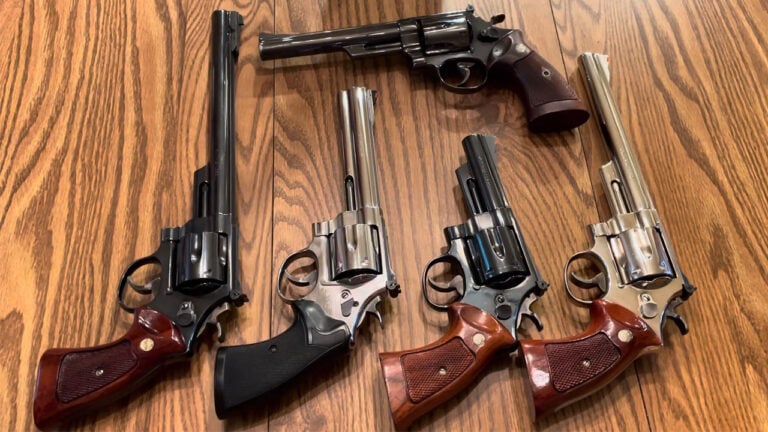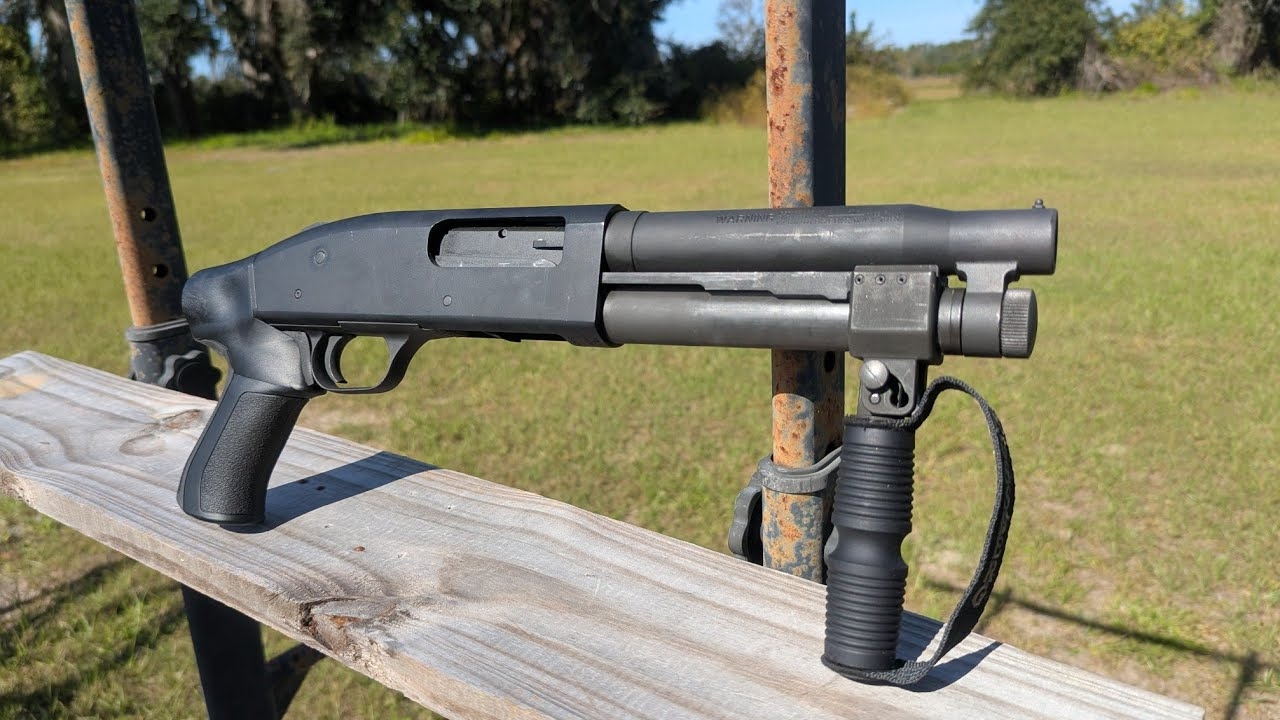
Photo credit: J0lly/YouTube
Some guns survive on reputation long after regular shooters have started noticing the cracks. That is what happens when a model gets wrapped in nostalgia, brand loyalty, military mystique, or online hype strong enough to drown out what actually shows up on the range. People keep repeating the same lines about reliability, toughness, value, or shootability because that is what they have always heard, and once a gun gets that kind of protective fan base, it can take a long time for honest range experience to catch up.
That does not mean every one of these guns is useless. Some still have real strengths. But there is a difference between a firearm being decent in some roles and people defending it like it is beyond criticism. Real use has a way of exposing bad triggers, awkward ergonomics, unnecessary weight, weak sights, finicky behavior, or just a shooting experience that does not live up to the legend. These are the guns people keep defending even after actual time behind them says something very different.
Taurus Judge

The Taurus Judge keeps getting defended like it solved every close-range problem a handgun could have, but real use tends to strip that fantasy down in a hurry. The concept sounds exciting because it shoots both .45 Colt and .410 shells, and that alone has sold a mountain of them to people who liked the idea more than the actual performance. Once you start looking at recoil, bulk, limited capacity, awkward carry, and what those loads really do from a handgun barrel, the magic fades fast.
What keeps it alive is that it is easy to market and easy for owners to talk up. Nobody wants to admit they bought into a gimmick, so people start defending the novelty as if it is a practical advantage. But in real use, the Judge usually ends up being larger than it should be, slower to reload than it should be, and less effective across common handgun roles than more conventional options that do not need a sales pitch.
KelTec SUB-2000

The SUB-2000 gets defended because it folds in half and takes pistol magazines, which is enough to make people very forgiving of everything else. On paper, that trick sounds smart. In real use, though, shooters quickly run into the drawbacks: odd ergonomics, a mediocre trigger, limited comfort, and a shooting experience that often feels more clever than genuinely good. Folding is neat. Neat is not the same thing as refined, reliable long-term satisfaction.
A lot of owners keep defending it because they love the concept and want the concept to matter more than the execution. That happens with plenty of firearms that look smart on a product page. But once you start putting real rounds through it and comparing it to better-sorted carbines, the compromises become obvious. It is a gun people often praise for what it is supposed to represent, not for how enjoyable or confidence-inspiring it tends to be over time.
Springfield XD

The Springfield XD still gets defended with a kind of stubborn loyalty that seems more tied to timing than performance. A lot of shooters bought into the XD line when striker-fired pistols were exploding in popularity, and at the time it looked like a serious alternative to the usual names. But real use has not exactly elevated it. The trigger is usually nothing special, the bore axis feels higher than many shooters want, and the overall shooting experience often feels chunky compared with better modern striker guns.
That does not make it a disaster, but it does make the continued passionate defense feel a little out of date. People talk about the XD as if it still belongs near the top of the conversation, even though actual side-by-side use often pushes it down the list. Once you compare it to pistols that shoot flatter, carry better, and offer stronger support, the XD starts looking more like a product people refuse to quit defending out of habit.
Walther P22

The Walther P22 has been getting defended for years mostly because it looks cool and feels approachable, not because it has earned deep trust through use. A small rimfire pistol with that styling was always going to attract buyers, especially newer shooters and people who wanted a fun plinker. Then range time enters the picture. Suddenly the complaints start sounding familiar: ammo sensitivity, durability questions, finicky operation, and a level of inconsistency that stops being charming pretty quickly.
Still, people defend it because it was their first .22 pistol, or because they like the shape, or because they want it to be better than it is. That kind of attachment can keep a gun’s reputation afloat for a long time. But real use has never really hidden what the P22 is. It is a gun that often sells on appearance and familiarity while more dependable rimfire pistols quietly do the actual hard work of earning trust.
Charter Arms Undercover

The Charter Arms Undercover keeps drawing defenders because it promises a simple, affordable carry revolver without the price tag of more established competitors. That pitch has always had an audience. The problem is that real use tends to remind people why inexpensive revolvers can be a risky place to save money. Triggers can be rough, fit and finish often feel uneven, and long-term confidence usually does not build the way it does with stronger wheelgun designs.
That is where the defense starts sounding forced. Owners want to believe they found a hidden practical answer, and sometimes that belief turns into emotional protection of a gun that has not really earned it. The Undercover is not defended because it dominates through performance. It gets defended because it looks like an answer people want to exist. But when you actually shoot one alongside better revolvers, the difference tends to show up pretty quickly.
Ruger Mini-14

The Mini-14 keeps getting defended because people love the look, love the Garand-style action, and love the idea of owning something that feels different from an AR-15. That emotional pull is real. What also tends to be real is the letdown after more serious range time. Accuracy has improved over the years, but plenty of shooters still come away feeling like the Mini asks them to accept too much for what it costs, especially once magazines, support, and consistency enter the conversation.
People often defend it like criticism is somehow unfair because the gun was never meant to be a bench rifle. Fine. But that excuse only goes so far when modern rifles in the same general lane do more with less compromise. The Mini-14 is not a bad idea, and it is not without charm, but charm is doing a lot of work in the defense. Real use keeps reminding people that liking a rifle’s personality is not the same as being impressed by its performance.
Mossberg 500 Cruiser

The Mossberg 500 Cruiser keeps getting defended by people who want it to be a practical defensive shotgun when real use usually says otherwise. The pistol-grip-only setup looks aggressive, stores easily, and gets sold on the idea of close-range simplicity. Then people actually shoot it. Recoil feels harsher, control is worse, aiming becomes less natural, and fast follow-up shots turn into more work than buyers expected. It does not take long before the limits become obvious.
And yet the defense continues because the idea still sounds tough and straightforward. Buyers do not want to admit they would have been better served by a stocked shotgun that is easier to mount and easier to run. So they keep talking up intimidation, compactness, or supposed room-clearing usefulness instead of the actual shooting experience. Real use does not kill the Cruiser’s image. It just exposes how much of that image was doing the selling in the first place.
Bersa Thunder 380

The Bersa Thunder 380 has been defended for years as the affordable sleeper carry gun that somehow beats the usual expectations. There is some truth in that it can be serviceable, but the way people talk about it often overshoots what real use supports. Once you spend time with one, the sights, trigger, weight for caliber, and overall shooting feel rarely come across like some hidden masterpiece. It often feels more like a compromise people learned to live with than a pistol that truly impressed them.
That is usually the pattern with guns like this. A buyer makes a practical purchase, the gun works well enough, and over time “well enough” turns into passionate internet defense. But when you pull back and compare it honestly against stronger carry options, the Thunder 380 starts losing shine. It is not terrible. That is not the same as deserving the level of enthusiastic protection it still gets from people who seem determined to elevate adequacy into greatness.
Hi-Point C9
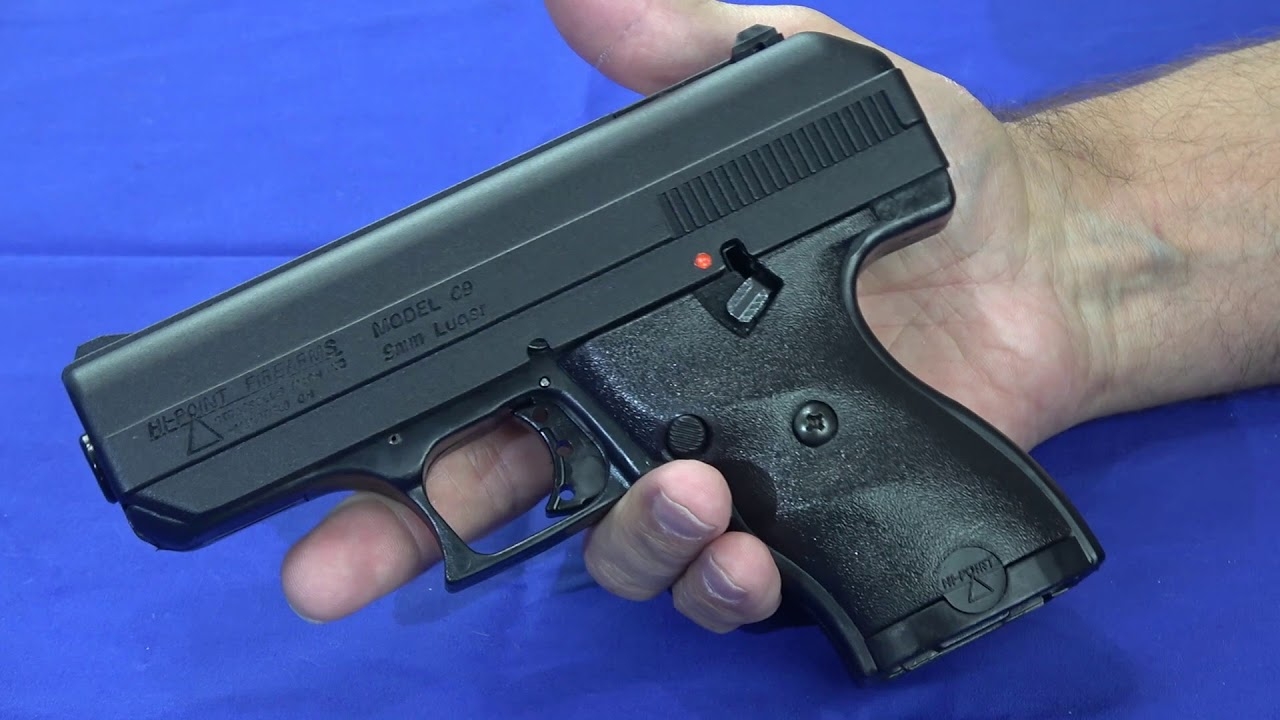
The Hi-Point C9 gets defended with almost religious intensity by people who love rooting for the ugly underdog. And to be fair, it does work better than many people expect. That is exactly what fuels the legend. But the jump from “works better than expected” to “just as good as serious alternatives” is where real use starts pushing back hard. The weight is awkward, the trigger is rough, the ergonomics are clumsy, and the overall experience feels cheap in ways that do matter.
A lot of its defenders lean hard on price, which is understandable, but price does not erase everything else. Real use still includes carrying the thing, manipulating it, shooting it fast, and trusting it over time. That is where the C9 stops being a fun surprise and starts being what it is: a low-cost pistol with real compromises. People defend it because it embarrasses expectations, but embarrassing expectations is not the same as becoming genuinely impressive.
Century CETME and bargain-bin HK-pattern clones
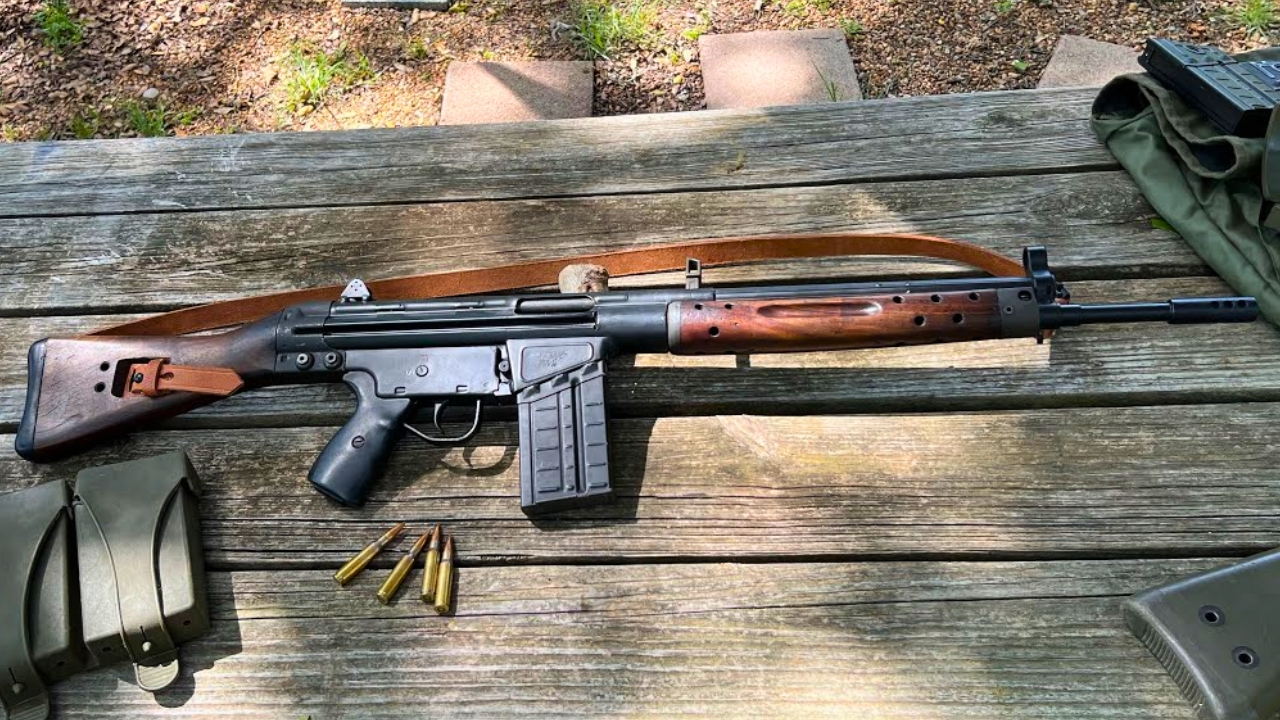
Cheap CETME builds and lower-end HK-pattern clones keep getting defended by people who are in love with the roller-delayed mystique more than the rifles themselves. The idea is powerful: battle rifle looks, historic flavor, and a format tied to serious military lineage. Then range use shows up with rough triggers, questionable assembly quality, inconsistent fit, awkward optics mounting, and recoil characteristics that remind you this is not some magic answer just because it looks the part.
Still, owners keep defending them because the platform feels iconic and because they want access to that icon without paying true HK money. That emotional investment makes honest criticism difficult. The problem is that real use is not romantic. If the rifle feels crude, beats brass into another zip code, and shows spotty quality from one example to the next, that matters. A gun can be interesting and still not deserve the kind of automatic respect people keep trying to hand it.
Smith & Wesson SD9 VE
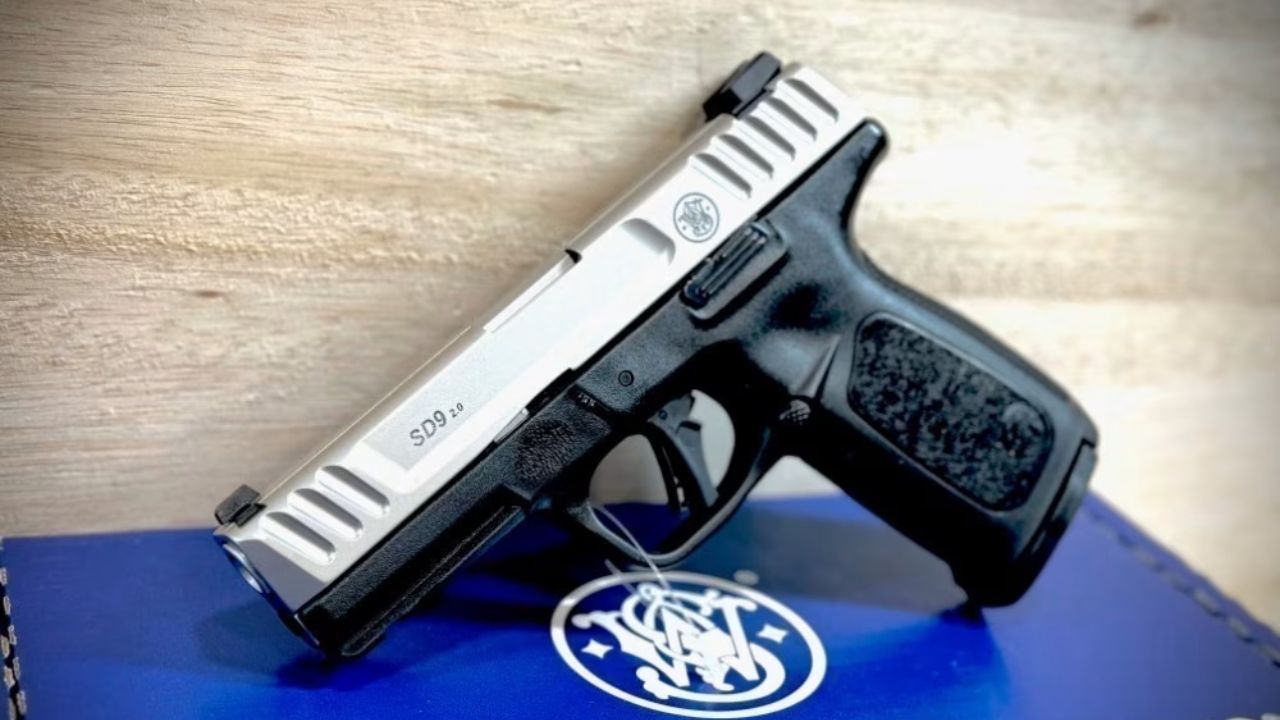
The SD9 VE built a reputation as a budget striker pistol that people loved recommending to anyone who wanted to save money without “giving up much.” Real use has a way of reopening that conversation. The trigger alone is enough to make many shooters rethink the enthusiasm. It is heavy, mushy, and difficult to love, especially once you compare it with even moderately better striker-fired pistols. Add in the generally plain shooting feel, and the gap becomes harder to ignore.
Yet people still defend it because it occupied an attractive price lane and wore a respectable brand name. That combination made buyers feel smart, which is powerful. But practical use tends to show that cheap and acceptable is not the same as truly worthwhile. The SD9 VE is one of those guns that built a following by being there at the right price, not by making a strong long-term case every time someone actually had to shoot it well.
Taurus PT111 G2 and G2C family

The Taurus G2-series pistols keep getting defended because they hit that sweet spot where price, size, and surprising functionality make owners feel like they beat the system. And for some buyers, maybe that feeling lasts. But real use often tells a more mixed story. Trigger feel can be odd, long-term durability questions never fully go away, and the overall experience tends to feel like a pistol that was engineered to reach a price point first and impress later if possible.
That does not stop people from defending them as though criticism is just snobbery. This is where budget-gun loyalty gets loud. Once somebody feels they found a cheap pistol that did not immediately fail them, they start protecting the purchase like it proved something bigger. But surviving early expectations is not the same as becoming truly solid. Real use over time has a way of showing that these pistols still live in compromise country, even when owners do not want to hear it.
KelTec PMR-30
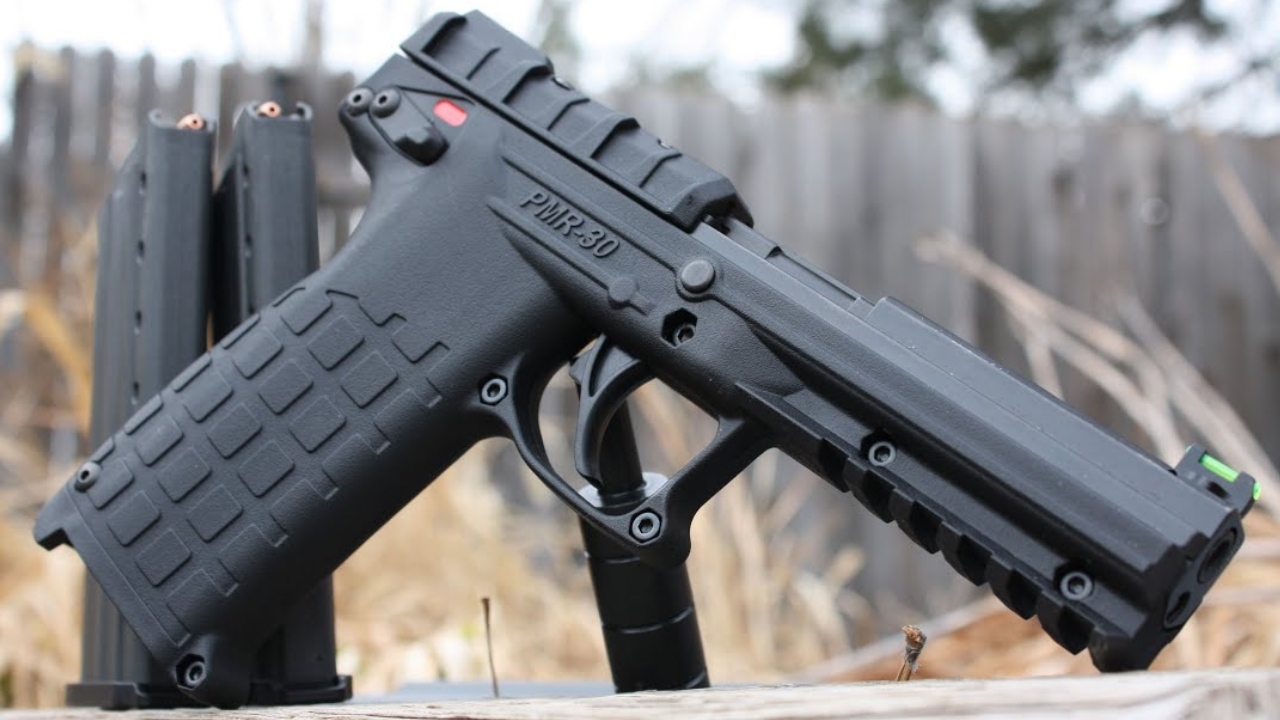
The PMR-30 keeps getting defended because thirty rounds of .22 Magnum in a lightweight pistol sounds too fun and too weird not to love. That concept carries a lot of momentum. The trouble starts when people expect the novelty to hold up as substance. Real use tends to reveal a gun that can be picky, a little odd to handle, and more dependent on the right ammo and expectations than its defenders like to admit. Coolness covers a lot until the range session gets serious.
People defend it because it delivers an experience they cannot easily get elsewhere, and that uniqueness buys forgiveness. But a unique gun is not automatically a trustworthy or especially well-sorted one. The PMR-30 often lives in that space where owners talk about what it could be on its best day rather than what it tends to feel like over repeated use. It remains interesting. That is not the same thing as being as good as its most loyal fans insist.
Desert Eagle

The Desert Eagle may be the king of guns people keep defending even after real use points the other direction. Its image is enormous. Movies, games, bragging rights, raw size, and sheer spectacle have done more for this pistol than practical experience ever could. Once you actually spend time with one, the size, weight, recoil impulse, maintenance sensitivity, and limited usefulness start crowding out the glamour pretty quickly. It is an event, not a sensible working handgun.
That has never stopped people from defending it like practicality was never the point. Fair enough, to a point. But when the conversation shifts from “fun oddball range gun” to serious praise about how great it is in broader terms, real use starts pushing back hard. The Desert Eagle survives because it feels iconic in the hand before you fire it. Once you do fire it enough, most of the honest lessons are far less flattering than the mythology.
AMT Backup

The AMT Backup keeps getting defended mostly by people who admire what it represented, not what it usually felt like to shoot. A small stainless defensive pistol sounded like a sharp idea, especially in its time. The problem is that these pistols often remind shooters why tiny defensive handguns are hard enough already without adding rough triggers, brutal shooting manners, and uneven reputations into the mix. Real use has never exactly turned the Backup into a beloved shooting experience.
Still, the defense comes because it is compact, old-school, and tied to a certain kind of carry-gun nostalgia. People like what it says about an era. They like the toughness of the concept. What they often do not like, if they are honest, is actually shooting it much. That gap matters. A gun can be historically interesting and still deserve criticism for what it feels like in the hand. The Backup gets protected far more for identity than for genuine range performance.
Winchester Wildcat original-era versions

The original-era Winchester Wildcat gets defended by people who remember it fondly or want to champion any old .22 that seems overlooked. Nostalgia can do a lot of heavy lifting for rimfires, especially when a gun looks quirky enough to spark affection. But real use has a way of cooling things down. The feel is often toy-like, the overall refinement is limited, and compared with stronger rimfire rifles, the Wildcat can come across as more charming in memory than satisfying in practice.
That is the trouble with older plinkers that survive on reputation. They are easy to praise in broad strokes and harder to justify once you actually line them up next to better .22 rifles. The Wildcat is not hated because it fails to be magical. It gets over-defended because people confuse being likable with being impressive. Real use tends to separate those two things fast, and the Wildcat usually ends up leaning much harder on likability than on real excellence.
Like The Avid Outdoorsman’s content? Subscribe to our newsletter so you never miss an article.
Here’s more from us: