Photo credit: RangerDave/YouTube
Collectors do not keep talking about a firearm for years because it was expensive once or because a catalog called it rare. The guns that stay in the conversation usually earned that place through some mix of history, design, workmanship, scarcity, or plain old personality. They are the models people bring up at shows, keep watching at auctions, and compare against everything newer that tries to borrow a little of their magic.
What makes these firearms stick is that they give collectors more than ownership. They give them a story, a benchmark, or a connection to a certain era of gunmaking that feels harder to replace now. Some were military workhorses. Some were commercial standouts. Some became prized because so many people overlooked them until it was too late. Either way, these are the firearms that keep coming up long after production stopped and the easy examples dried up.
Colt Python

The Colt Python still gets talked about because it became the standard by which many collectors judge double-action revolvers, whether they admit it or not. The finish, the lines, the ventilated rib, and the overall feel gave it a presence that cheaper revolvers never matched. Even people who are not especially deep into Colt history know the Python by sight, and that kind of recognition matters in collector circles.
What keeps the conversation going is that the Python was not only attractive. A good older example has a feel that reminds you why premium revolvers built such strong reputations in the first place. Prices, condition debates, and originality arguments have only added to the legend over time. Once a gun becomes both desirable and endlessly debatable, collectors keep talking about it whether they own one or not.
Winchester Model 70 Pre-64

The pre-64 Winchester Model 70 remains a collector favorite because it represents a kind of rifle making that many people believe peaked before cost-cutting changed the industry. Controlled-round feed, excellent lines, strong handling, and the weight of the Winchester name all helped it earn that standing. It is one of those rifles that carries real collector respect even among people who do not chase bolt guns very hard.
Collectors still talk about it because it became more than a hunting rifle. It turned into a symbol of a certain standard. Once that happens, every little detail starts to matter, from chambering to stock configuration to originality. A pre-64 Model 70 is not only about function anymore. It is about owning a piece of a moment that collectors still treat as a reference point for what an American sporting rifle ought to be.
Colt Single Action Army

The Colt Single Action Army still holds collector attention because it is tied to both real history and the kind of myth that never fully lets go. Even people with only a passing interest in firearms know what it is. That matters. A gun does not stay talked about for generations unless it becomes bigger than the hardware itself, and the Single Action Army crossed that line a long time ago.
Collectors keep circling back to it because there are so many ways to care about one. Some focus on original finish. Some chase military examples, frontier-era guns, or desirable barrel lengths and calibers. Others simply want one because it is one of the clearest icons American firearms ever produced. Once a gun carries that much history and identity, the conversation never really ends.
Smith & Wesson Registered Magnum
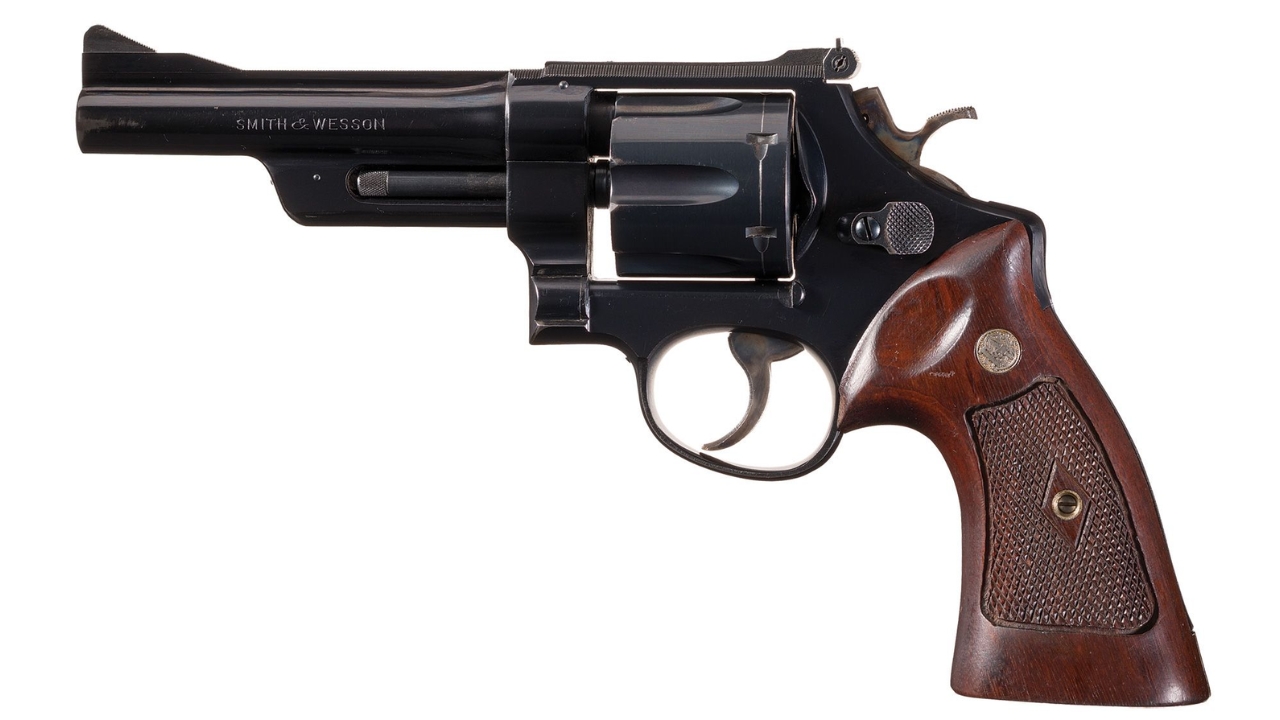
The Registered Magnum still gets talked about because it feels like the kind of revolver collectors wish gun companies still made with the same attitude. It came from an era when craftsmanship, presentation, and individuality mattered enough that buyers could order their revolver with specific features and have it registered by serial number. That alone gives it a collector aura that ordinary production guns rarely reach.
It also matters because it was the beginning of something bigger. The Registered Magnum helped establish the prestige of the .357 Magnum revolver in a way later models benefited from. When a gun combines first-of-its-kind significance with scarcity and strong workmanship, collectors do not let it fade quietly. It becomes one of those names that keeps surfacing every time serious revolver talk starts.
Luger P08

The Luger P08 remains a collector conversation piece because it is one of the rare pistols that looks as distinctive as its history sounds. The grip angle, toggle-lock action, and unmistakable silhouette make it instantly recognizable, even to people who do not collect military pistols. That kind of visual identity gives a firearm a head start in staying memorable, and the Luger had more than that going for it.
Collectors keep talking about it because it sits at the intersection of design, history, and variation. Date codes, markings, unit ties, matching numbers, and condition all matter, which means two Lugers are rarely discussed in exactly the same way. It is also a handgun that feels tied to an entire era of military collecting. Once a firearm becomes that central to a category, it stays in the conversation for life.
Winchester Model 1894

The Winchester Model 1894 still comes up because it is one of those rifles that bridges collector appeal and working-gun respect better than most. It is historically important, mechanically familiar, and tied to the kind of deer camp and saddle-gun tradition that still means something to a lot of people. Even collectors who chase rarer pieces tend to have a soft spot for a good old 94.
What keeps people talking is how many versions, eras, and condition levels exist. Some want early rifles. Some want uncommon chamberings. Some care about carbines with honest wear that still feel like they lived a real life. The Model 1894 remains collectible because it is both important and reachable, which keeps fresh people entering the conversation instead of leaving it only to top-end collectors.
Browning Superposed
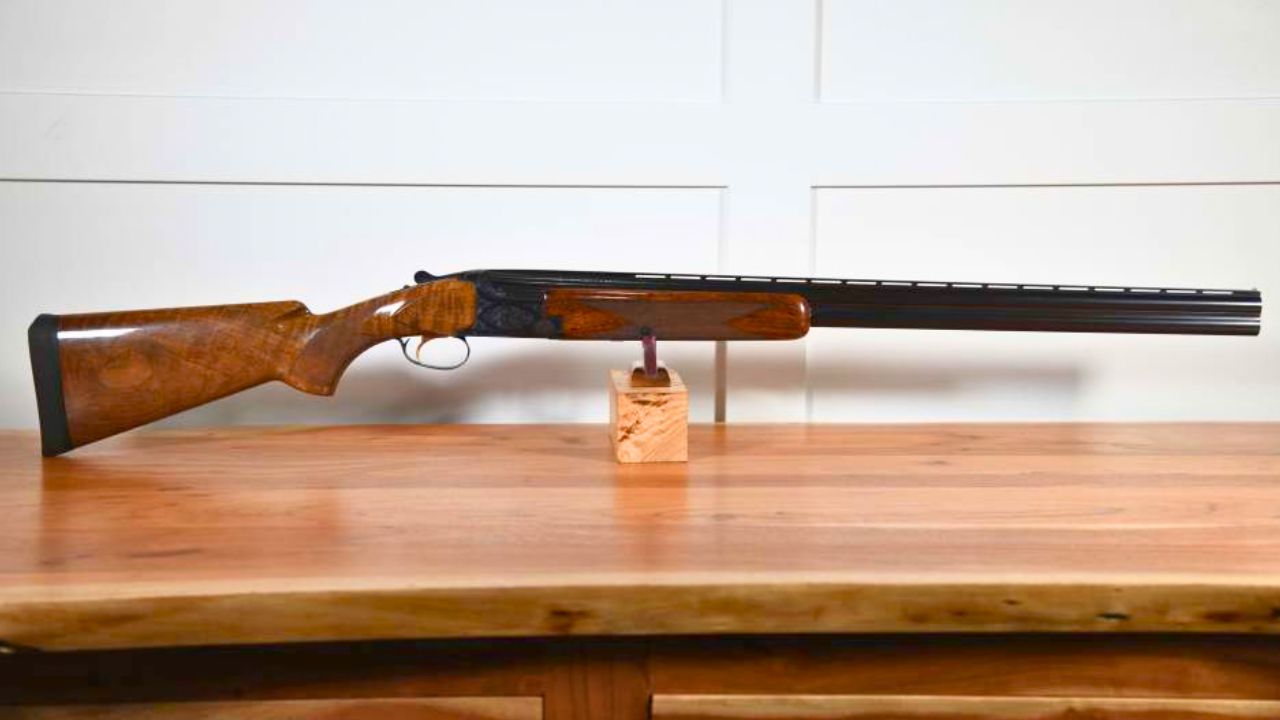
The Browning Superposed still gets discussed because it represented a level of craftsmanship and design presence that made people look at over-under shotguns differently. Being the last firearm design credited to John Browning gives it extra weight right away, but that is not the only reason it lasted. The gun has elegance, handling, and detail that continue to draw collectors who appreciate sporting arms with real personality.
Collectors talk about it years later because it offers several different layers of appeal. Some focus on grade levels and engraving. Others care about early production, Belgian manufacture, or special configurations. It is one of those shotguns where even non-shotgun collectors stop and pay attention when a particularly nice example shows up. That is usually a sign a firearm’s reputation has real staying power.
Colt Woodsman

The Colt Woodsman stays in collector conversations because it reminds people how refined a rimfire pistol could be when companies treated the category with serious attention. The lines are clean, the balance is excellent, and the pistol has a polish that many later .22 handguns never quite matched. It feels like a proper Colt, not a side project, and collectors notice the difference.
It also stays relevant because it has broad appeal beyond hardcore Colt people. Target shooters, small-game hunters, casual rimfire fans, and collectors all tend to understand the Woodsman once they handle one. There are enough variants and condition differences to keep the hunt interesting, but the bigger reason it lasts is that it still feels desirable on its own merits. That is usually the mark of a true collector gun.
M1 Garand

The M1 Garand still gets talked about because it is one of the rare military rifles that carries both serious historical weight and broad emotional appeal. It is tied to wartime service, American manufacturing, and a level of familiarity that reaches well beyond dedicated collectors. People who do not own military surplus rifles often still want a Garand because it feels like owning a real piece of something bigger than the rifle itself.
Collectors keep discussing it because the category is deep. Manufacturer markings, correct parts, service history, stock details, and rebuild status all give people something to chase and argue over. It is also one of the few military rifles that many collectors still enjoy shooting regularly. That combination of historical importance and practical enjoyment helps keep it alive in ways more obscure rifles sometimes struggle to match.
Smith & Wesson Model 27

The Smith & Wesson Model 27 still gets collector attention because it feels like the revolver version of an old tailored suit. It is polished, substantial, and clearly built to a higher standard than the average service wheelgun. Long before many shooters ever fired one, they recognized that it stood for something a little more serious in Smith & Wesson’s lineup.
Collectors still talk about it because it connects directly to the rise of the .357 Magnum while also offering the kind of finish and detail work that later revolvers often lacked. Barrel lengths, pinned and recessed examples, early production traits, and condition all keep the discussion alive. A Model 27 is one of those revolvers that makes people talk about craftsmanship as much as function, and that is usually a strong sign of lasting collector interest.
Walther PPK
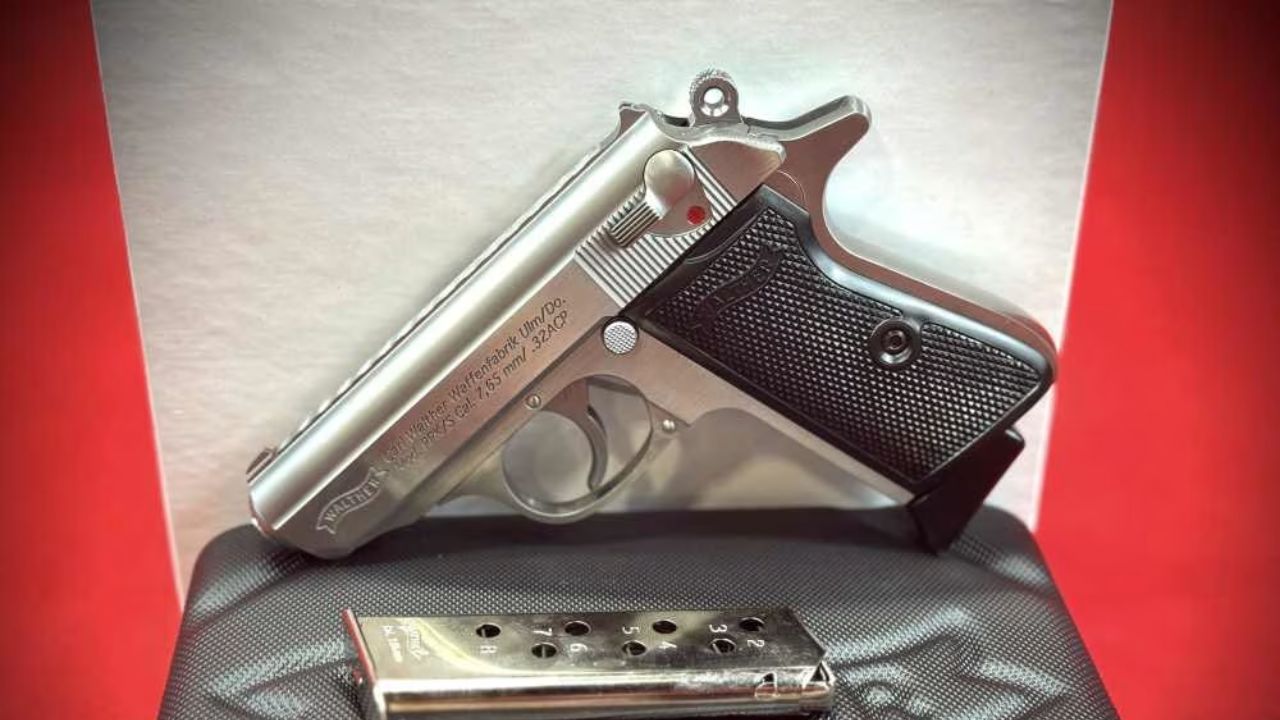
The Walther PPK still comes up because it built one of the strongest identities any handgun ever had. It is compact, instantly recognizable, and tied to both real-world police and military history and a whole layer of pop-culture recognition that kept it visible long after many similar pistols faded. A gun with that kind of image rarely leaves collector talk completely.
What keeps it alive beyond image is that there are enough meaningful differences across production periods and markings to make it a real collecting lane, not only a novelty. German production, wartime examples, postwar variants, and condition all matter. The PPK stays talked about because it is one of those pistols where history, styling, and collector hunt all meet in one place, which is harder to find than people think.
Marlin Model 39A
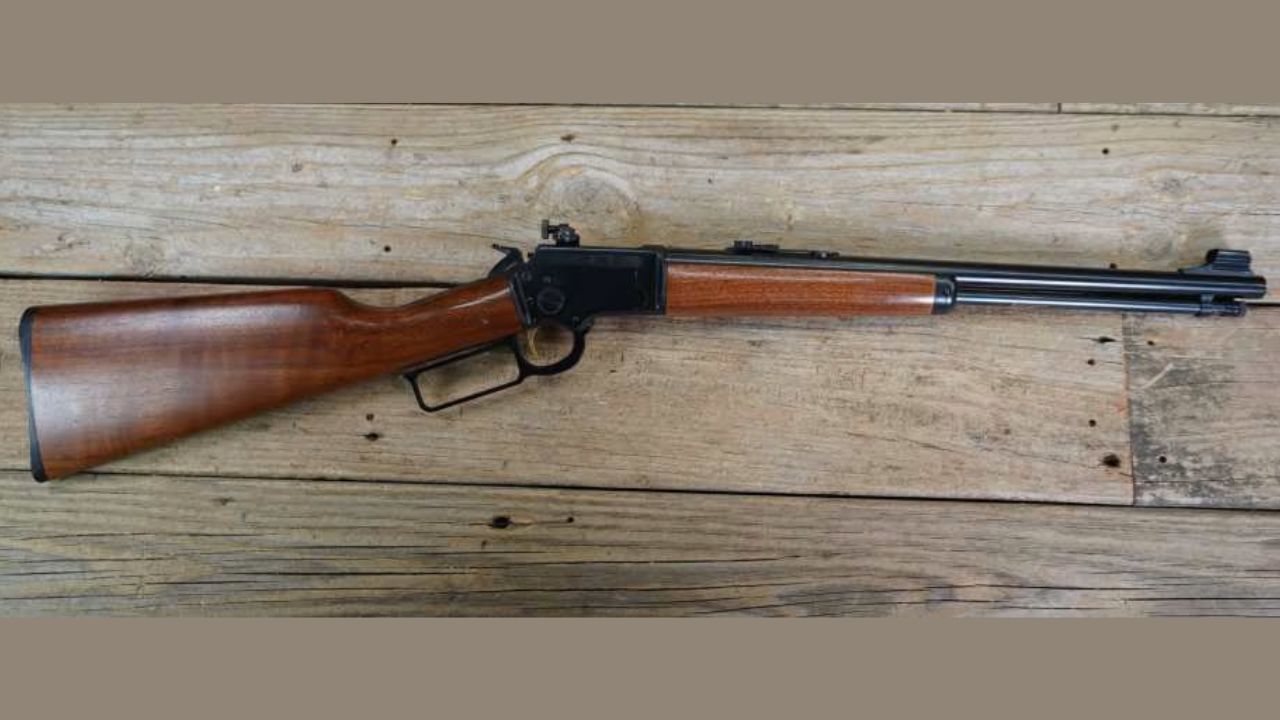
The Marlin 39A still earns collector conversation because it represents the sort of rimfire lever gun people rarely sell without regretting it later. It is beautifully practical, wonderfully balanced, and tied to a long run of quality production that built real loyalty. Even shooters who are not deep into collector circles tend to speak about good 39As with the kind of respect normally reserved for centerfire classics.
Collectors keep bringing it up because it sits in that sweet spot between useful and special. It is a rifle you can admire, shoot, hunt with, and still care about preserving. Older examples, desirable eras, and condition all matter, but the bigger reason it lasts is simpler than that. The 39A is one of those rifles people remember fondly after owning one, and collector markets are built on exactly that kind of memory.
Like The Avid Outdoorsman’s content? Subscribe to our newsletter so you never miss an article.
Here’s more from us: