Photo credit: Zab Consulting/Unsplash.com
A fisherman said he was sitting by the water with his line out when the kind of thing every bank angler half-worries about finally happened.
Something hit hard enough to nearly steal his rod.
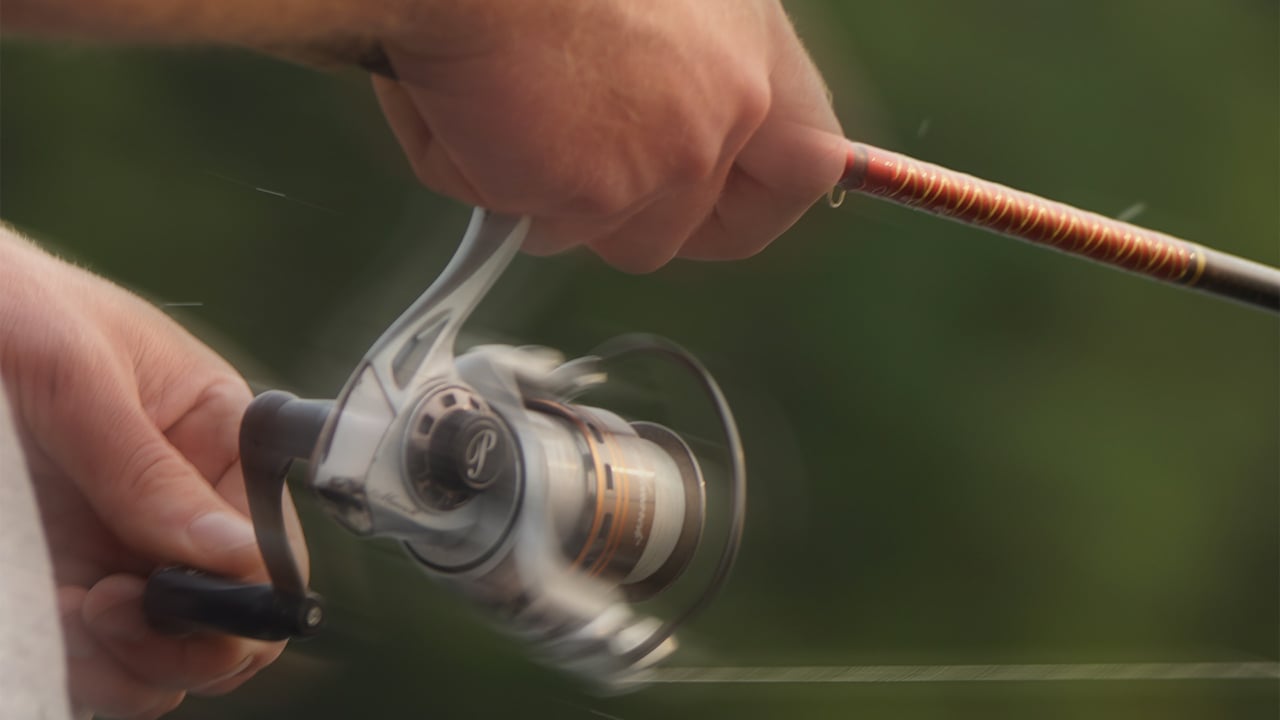
In a Reddit post, the angler said he had been fishing in the evening when his rod suddenly took off. He did not describe it like a normal nibble or one of those light bites where the rod tip twitches and you wonder if it was a fish, wind, or current. This was a hit with enough force that the rod nearly went into the water.
That is one of those moments where everything happens too fast. One second, you are waiting. The next, you are lunging for a rod before it disappears.
The angler managed to grab it before it was gone, but now he had another problem. Whatever had hit the line was strong. Strong enough that it had already almost pulled the rod away, and strong enough to make him wonder what he had hooked.
A lot of anglers have been there in some form. You set a rod down for a second, look away, mess with bait, check another line, or relax a little too much, and then something big decides that is the exact moment to eat. If the drag is too tight or the rod is not secured, you can lose the whole setup before you even get a chance to fight the fish.
In this case, the angler did not get the clean ending everybody hopes for. He did not post a grip-and-grin photo with a monster fish at the end. The excitement was in the chaos of the strike itself and the mystery of whatever almost took the rod.
That mystery became part of the thread. People started trying to figure out what could have hit that hard. Depending on the water, the guesses could go a lot of directions. Catfish are famous for that kind of sudden, heavy pull. Carp can do it too, especially if they pick up bait and run. A big gar, drum, turtle, or even a snagged fish can make a rod act like it is alive and trying to leave.
The real lesson was buried in the panic: unattended or unsecured rods do not need much time to disappear. A fish does not care if the setup cost $30 or $300. If it can pull it, it will.
That is why bank fishermen learn to wedge rods into forked sticks, use real rod holders, back the drag off, keep a hand close, or leave the bail open when bait fishing. Those little habits feel unnecessary right up until a rod starts sliding toward the water.
The angler’s post had the tone of someone who had been caught off guard and wanted to know what had just happened. It was not a long legal fight, a property dispute, or a full-blown argument with another outdoorsman. It was one of those sudden fishing moments that gets your heart rate up before you even understand what you are looking at.
The comments turned it into a mix of guessing game and practical advice. People wanted to know what bait he was using, what kind of water he was fishing, and what species were around. Without those details, nobody could say for sure what almost made off with the rod.
But almost everyone knew the feeling.
There is a specific kind of helplessness when a rod starts moving on its own. You can be sitting right beside it and still feel late. The bend hits, the handle jumps, the line tightens, and suddenly you are grabbing whatever part of the rod you can reach. If you catch it in time, you get a story. If you miss it, you get to stare at the water and wonder how far your setup is traveling.
This angler caught it in time. That was the win. The fish, or whatever grabbed the bait, may have gotten away. But the rod did not.
Commenters had plenty of theories. Several leaned toward catfish, since big cats are known for hammering bait and pulling rods hard if the drag is tight. Others guessed carp, gar, or turtles, depending on the water and bait.
A lot of people used the post as a reminder to secure rods better when bait fishing. They suggested rod holders, sand spikes, bank sticks, or even simple homemade setups that keep the rod from sliding into the water during a hard strike.
Drag settings came up several times. Commenters said if a rod is going to sit while bait is out, the drag should not be locked down. A slightly looser drag can let a fish run without pulling the whole setup into the water.
Some joked that the fish almost caught the fisherman instead of the other way around. Others shared their own stories of losing rods completely, including setups that vanished into ponds, rivers, and lakes before they could react.
The practical takeaway from the comments was simple: keep the rod secure, keep the drag reasonable, and never assume a quiet evening will stay quiet once bait is in the water.