Photo credit: Shutterstock AI/Shutterstock.com
A gun seller on Reddit said he decided to post one of the strangest Armslist exchanges he had dealt with after realizing how normal it sounded at the beginning. In the thread, he explained that he had a Remington 870 Police Magnum listed for sale and got a message from someone who sounded interested right away. The buyer asked if the gun was still available, said he wanted it, and then quickly steered the conversation toward payment and shipping instead of anything that would make the deal feel local or face to face. The seller posted the full exchange as a warning because, from his point of view, it showed exactly how a fake-check scam can start off looking like nothing more than a routine online inquiry.
According to the post, the buyer kept things moving fast. He said he wanted to send a cashier’s check or money order, asked for the seller’s full name and mailing address, and said an “associate” would handle shipping arrangements once the payment arrived. That phrasing was one of the first things that made the whole deal feel off. The seller wrote the messages out in a way that let readers watch the tone shift in real time. At first it looked like an ordinary out-of-town buyer. Then it started sounding like one of those scripted deals where the person on the other end is less interested in the gun than in getting the seller comfortable enough to cash a bad check.
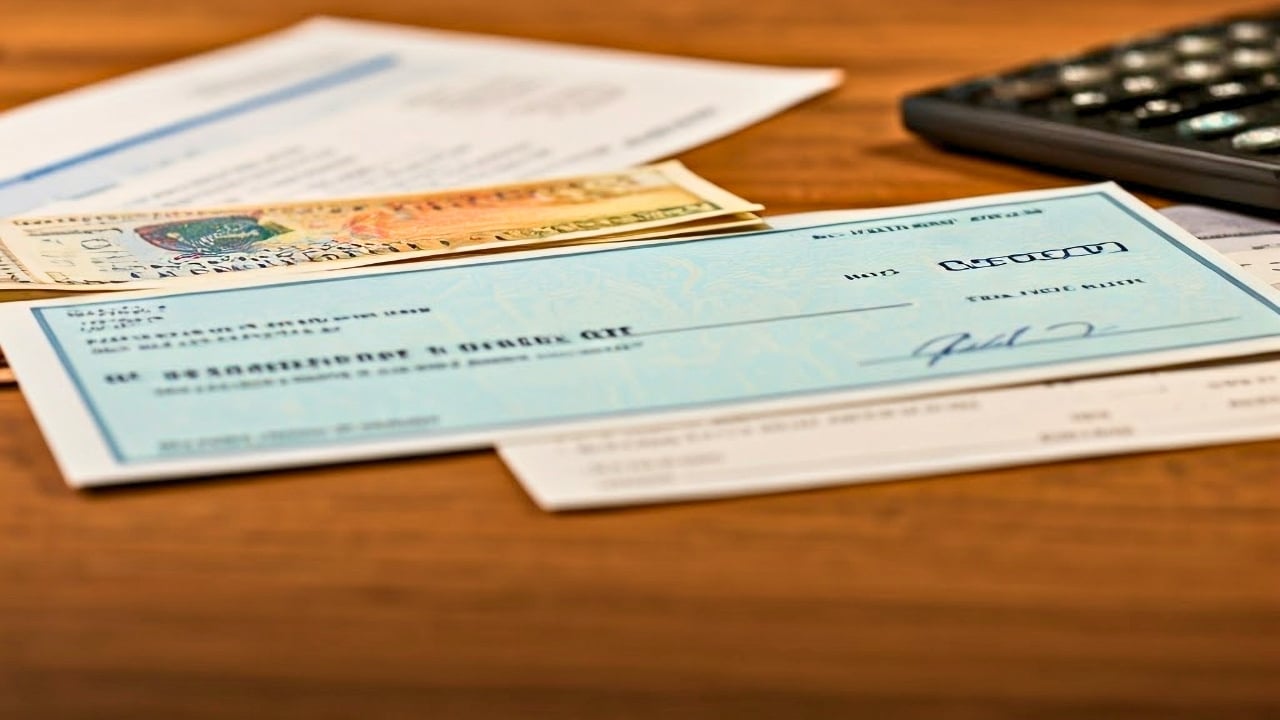
The thing that made the exchange go from sketchy to obviously wrong was the amount. In the post, the seller showed that the supposed buyer sent a cashier’s check for more than the sale price and then expected money to be forwarded on to a third party connected to shipping. That is the part that turned the whole thing into a classic scam setup. The extra money was not a mistake the buyer wanted politely corrected. It was the mechanism. If the seller deposited the check, sent the “difference” out to the shipper, and the check later bounced or got clawed back, the real cash would already be gone. The seller framed the thread as a PSA for exactly that reason: he wanted other people to see how the scam works before they get caught in the middle of one.
What makes the story land is that the scammer never had to say anything wild or overtly criminal. The seller’s point was that the whole thing was dressed up to feel ordinary. The buyer sounded eager, used common payment language, and kept nudging the transaction forward like this was just how remote sales go. But once the amount came in wrong and the seller was expected to move money around on someone else’s behalf, the real shape of the scam showed itself. By the time the seller posted the exchange, he was not asking whether it felt weird anymore. He was showing people exactly what “weird” looks like before it turns expensive.
So the story was not about a dramatic meetup gone bad or a buyer showing up in a parking lot acting strange. It was about the quieter kind of scam that works by sounding normal for just long enough. A seller puts up a gun. A buyer sounds serious. A check arrives. Then the amount is wrong, a third party appears, and the seller is suddenly being asked to help move money that was never real in the first place. That was the part the Reddit poster wanted people to remember. The gun listing was only the bait. The real target was the person willing to trust a cashier’s check because it looked official on paper.