Photo credit: Archlane/Shutterstock.com
The 1911 has been argued over for more than a century, which is exactly what happens when a gun becomes both a serious fighting pistol and a cultural object. Some shooters treat it like a flawless old warhorse that can do no wrong. Others talk about it like a fragile antique that belongs in a display case beside a dusty bayonet.
Both sides miss the mark. The 1911 is not magic, and it is not obsolete junk. It is a steel-framed, single-action pistol with a long history, a distinct trigger, and a manual of arms that rewards people who actually train with it. Most bad takes about the 1911 come from assuming too much and shooting too little.
1. They Assume Every 1911 Is the Same

The biggest mistake people make with the 1911 is acting like one bad example speaks for every pistol with that pattern. A loose old surplus-style gun, a budget import, a tuned competition pistol, and a high-end custom carry gun may all be called “1911s,” but they are not the same experience.
That makes 1911 arguments messy fast. One shooter may be talking about a rough pistol that chokes on hollow points, while another is talking about a well-built gun that runs cleanly through thousands of rounds. The design matters, but execution matters too. Fit, magazines, extractor tension, barrel work, feed geometry, and parts quality all affect how a 1911 performs.
2. They Assume It’s Always Unreliable

The 1911 gets called unreliable by people who either had a bad one, saw someone else struggle with one, or heard the same complaints repeated enough times to believe them. Some 1911s are unreliable. That part is true. But saying the whole platform cannot run is flat wrong.
A properly built 1911 with good magazines, proper extractor tension, and ammo it likes can be very dependable. The catch is that the 1911 is less forgiving of poor setup than many modern service pistols. A Glock can often shrug off rough manufacturing and still function. A 1911 usually demands better fitting and maintenance. That is not the same as being unreliable by nature.
3. They Assume It Has to Be Chambered in .45 ACP

The 1911 and .45 ACP are tied together in a lot of shooters’ minds, and understandably so. The classic Government Model in .45 is the image most people picture first. But the 1911 has been made in a long list of chamberings, including 9mm, 10mm, .38 Super, .40 S&W, and others.
A 9mm 1911 can be soft-shooting, accurate, and very pleasant on the range. A 10mm 1911 can be a serious woods pistol when built properly. The platform is not locked into one cartridge forever. The .45 may be the traditional choice, but it is not the only choice that makes sense.
4. They Assume Cocked and Locked Is Unsafe

People unfamiliar with the 1911 often see the hammer cocked and assume the pistol is dangerous. That reaction is common, but it comes from not understanding how the gun is meant to be carried. A properly functioning 1911 carried cocked and locked has the thumb safety engaged, the grip safety in place, and the trigger untouched.
That still means the shooter has to know what they are doing. A 1911 is not a gun for careless handling or lazy habits. But cocked and locked carry is not some reckless shortcut. It is the normal condition for carrying the pistol ready. The problem is not the visible hammer. The problem is unfamiliarity.
5. They Assume the Grip Safety Is Pointless

The grip safety gets mocked a lot, especially by shooters raised on striker-fired pistols. Some see it as extra clutter on a design that already has a thumb safety. Others act like it is a guaranteed failure point waiting to ruin their day.
In real use, a properly fitted grip safety rarely causes trouble for a shooter who grips the pistol correctly. It also serves as part of the original safety system and helps prevent the trigger from moving unless the pistol is held. Some shooters prefer beavertail grip safeties because they improve comfort and help with a higher grip. You do not have to love the part, but calling it useless is too easy.
6. They Assume the Trigger Makes Everyone Shoot Better

The 1911 trigger is one of the platform’s biggest strengths. A good one moves straight back, breaks cleanly, and can make accurate shooting feel easier than it does with many hinged or striker-fired triggers. But the trigger does not make up for poor fundamentals.
Bad grip, bad sight tracking, anticipation, and poor follow-through still show up with a 1911. The clean trigger may hide some sloppiness during slow fire, but it will not turn a poor shooter into a strong one under speed or pressure. A good trigger helps a trained shooter. It does not replace training.
7. They Assume It’s Too Heavy to Carry
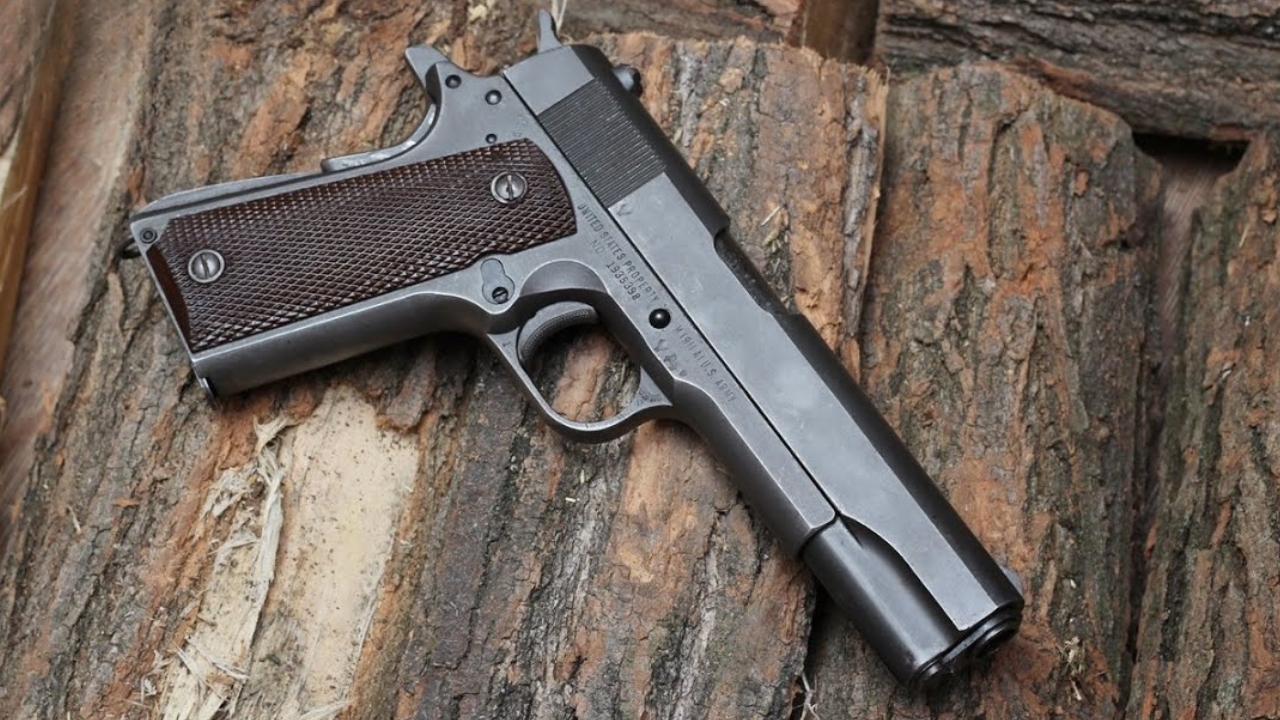
A full-size steel 1911 is heavier than most modern polymer carry pistols. Nobody needs to pretend otherwise. But “heavy” and “impossible to carry” are not the same thing. Plenty of people have carried 1911s for decades with the right holster, belt, and clothing.
The weight can even work in the shooter’s favor when firing. It soaks up recoil and helps the gun track smoothly. The downside is daily comfort. A full-size Government Model takes commitment. Lightweight Commander-style pistols and other carry-focused versions make that easier, but buyers should be honest. The 1911 can be carried. It just asks more from the setup.
8. They Assume It’s Too Low Capacity to Matter

Capacity is one of the biggest knocks against the traditional 1911. A standard single-stack .45 usually gives you fewer rounds than modern double-stack 9mm pistols. That is a real disadvantage in some situations, and dismissing it completely is foolish.
But low capacity does not make the pistol useless. It means the shooter needs to understand the tradeoff. A 1911 gives excellent shootability, a slim profile, and a great trigger, but it gives up rounds compared to many modern pistols. Some shooters are comfortable with that. Some are not. The mistake is pretending capacity either matters all the time or never matters at all.
9. They Assume It’s Only for Old Guys
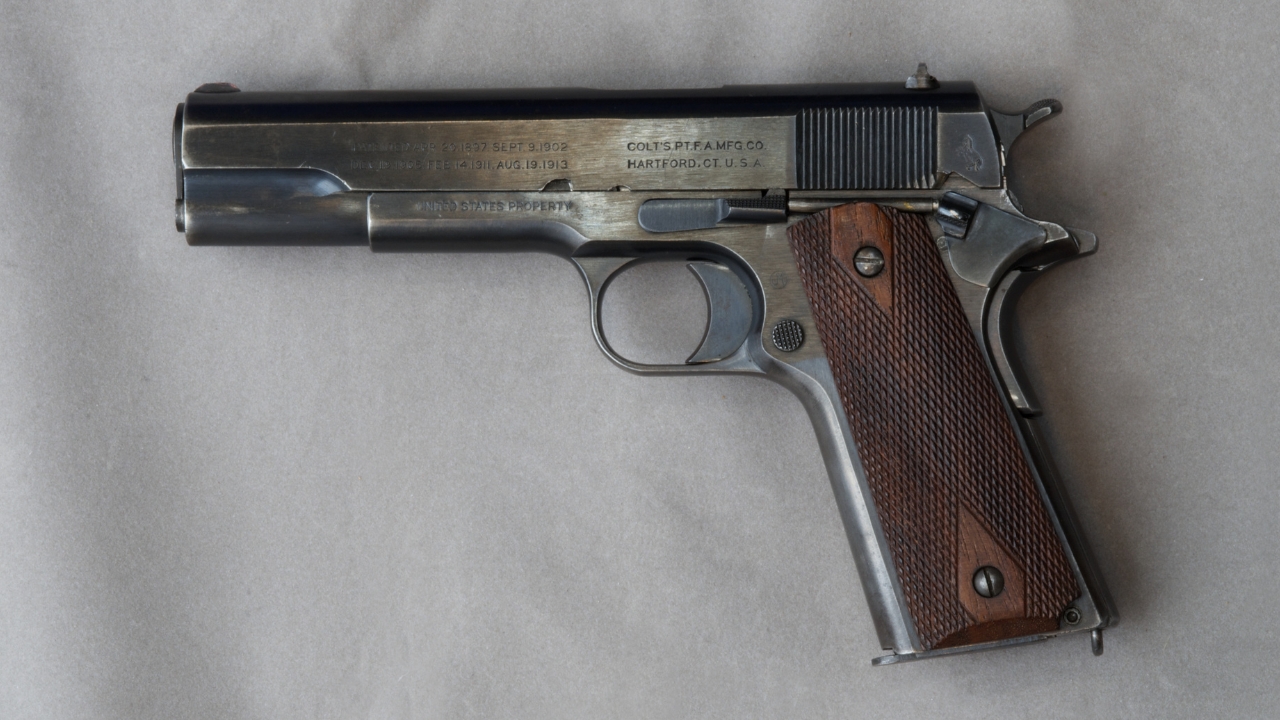
The 1911 gets tagged as an old man’s pistol because it has history, wood grips, blued steel, and a fan base that can get a little sentimental. But plenty of younger shooters still appreciate the platform once they actually run one. Good triggers and good ergonomics are not age-specific.
What turns some younger shooters away is the learning curve, cost, and maintenance compared to modern striker-fired pistols. That is fair. But the pistol itself is not stuck in a retirement home. Modern 1911s show up in competition, concealed carry, hunting, and range use. The platform keeps attracting new shooters because it still has real strengths.
10. They Assume It Requires Constant Gunsmithing
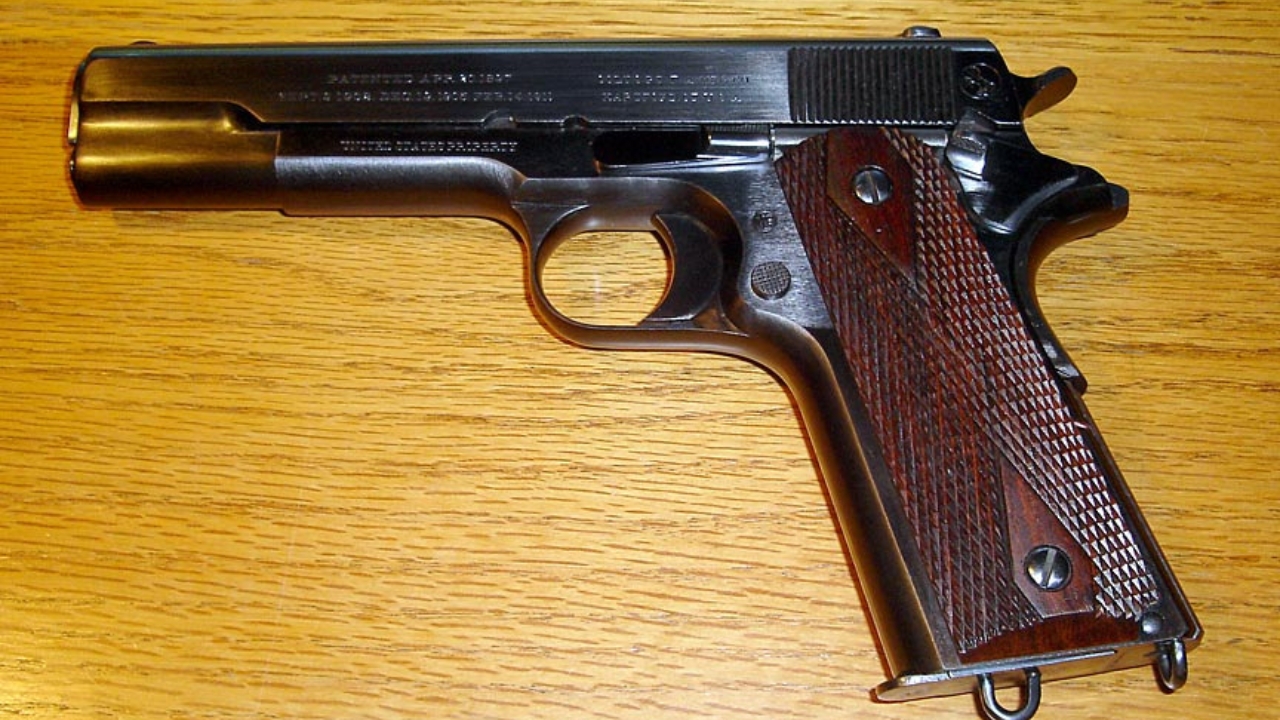
Some people talk like owning a 1911 means having a gunsmith on speed dial. That can be true if someone buys a poorly built pistol, starts swapping parts without knowing what they are doing, or tries to tune it into a race gun. But a solid, properly built 1911 does not need constant surgery.
It does need smart maintenance. Recoil springs wear. Extractors need to be right. Magazines matter. Lubrication matters more than it does on some looser, simpler pistols. The 1911 rewards owners who pay attention. That is different from needing repairs every other weekend.
11. They Assume Magazine Choice Doesn’t Matter

With a 1911, magazines are a big deal. A lot of feeding problems blamed on the pistol actually come from bad magazines, weak springs, poor followers, or rough feed lips. This is especially true with hollow points or guns that are already a little picky.
Cheap magazines can turn a good 1911 into a headache. Quality magazines from trusted makers are worth the money. If a 1911 starts malfunctioning, magazines are one of the first places to look. Some shooters will spend good money on the pistol and then feed it bargain-bin mags, which is like putting cheap tires on a good truck and wondering why it drives funny.
12. They Assume It’s Obsolete Because Polymer Pistols Exist

Modern polymer pistols changed the handgun world for good reason. They are lighter, simpler, cheaper to produce, easier to maintain, and usually hold more rounds. That does not automatically make the 1911 obsolete. It just means the 1911 is no longer the default answer for everyone.
There is still a place for a pistol with a slim frame, excellent trigger, strong accuracy potential, and good recoil control. The 1911 may not be the most practical choice for every duty belt or concealed carry setup today, but practical does not always mean newest. Sometimes it means using a tool that still does its job well.
13. They Assume Fancy 1911s Are Always Better
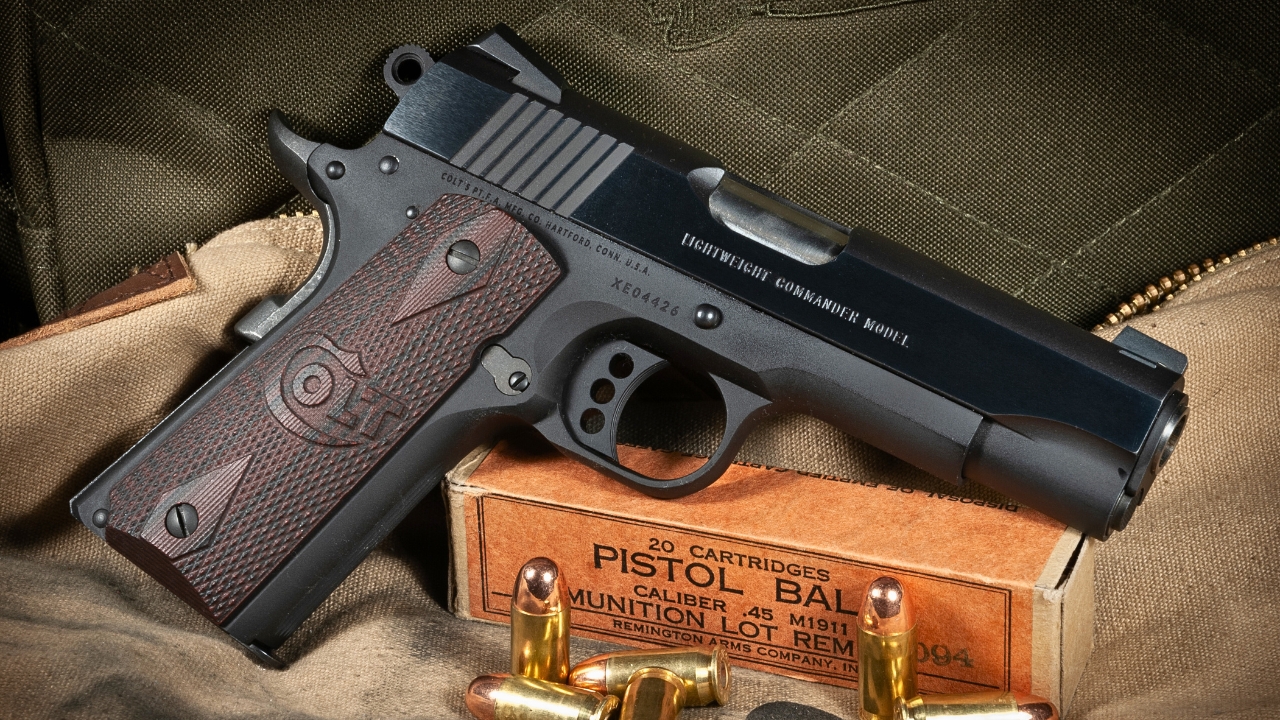
A high-end 1911 can be a beautiful thing. Smooth slide fit, clean trigger, nice checkering, tight lockup, good sights, and careful parts fitting can make the pistol feel incredible. But more expensive does not automatically mean better for every shooter or every use.
A very tight 1911 may be great for accuracy, but it may need proper break-in and maintenance. A flashy finish may look good but may not matter in hard use. Some custom features solve real problems. Others mostly make the gun look expensive. Buyers need to know what they are paying for instead of assuming every upgrade adds real value.
14. They Assume It’s Easy to Run Because It Feels Good
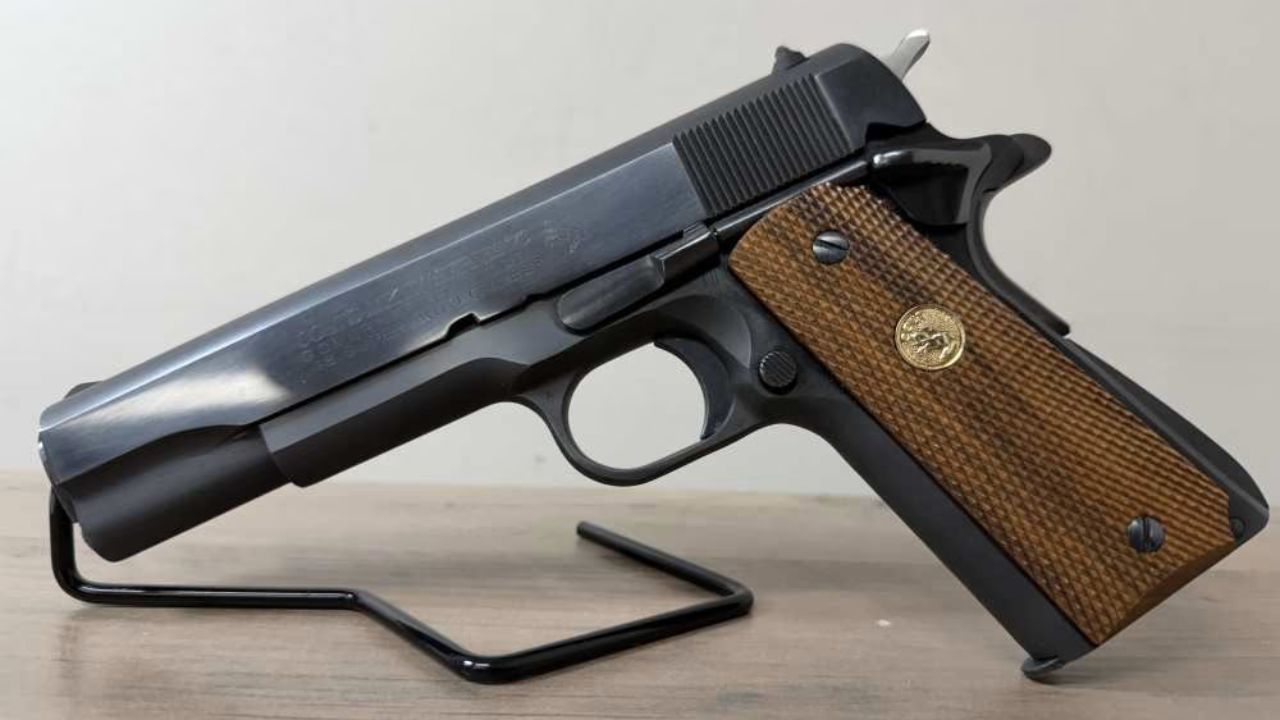
The 1911 often points naturally, has a slim grip, and feels good in the hand. That can trick people into thinking it is easy to run well without dedicated practice. But the manual safety, single-action trigger, grip safety, reloads, and magazine management all need training.
A shooter running a 1911 should be sweeping the safety off during the draw and back on when appropriate until it becomes automatic. Reloads need to be practiced because single-stack magazines can be less forgiving under speed. The pistol feels natural, but smooth handling still takes work.
Like The Avid Outdoorsman’s content? Be sure to follow us.
Here’s more from us: