Photo credit: Sergey Kamshylin/Shutterstock.com
The AR-15 has been around long enough that it should be a straightforward platform by now, but misinformation still hangs on. You hear the same claims repeated at ranges, gun counters, and hunting camps every season—most of them leftovers from the early days of the rifle or misunderstandings passed down by people who haven’t touched the platform in years. The AR-15 is one of the most flexible rifles you’ll ever use, and when you understand how it really works, you stop falling for myths that hold shooters back. Whether you’re building your first rifle or fine-tuning your tenth, knowing what’s true and what isn’t makes a huge difference in how the gun performs and how confident you feel behind it.
The AR-15 is too weak for deer

This is one of the most persistent myths, and it’s rooted in decades-old assumptions about .223 Remington performance. While lightweight varmint bullets aren’t ideal for deer, modern bonded and monolithic designs perform incredibly well at ethical distances. Loads like Federal Fusion, Barnes TSX, and Hornady CX consistently penetrate and expand as needed on medium game. If you place your shot correctly and keep things inside reasonable ranges, the rifle is fully capable of clean kills on whitetails.
The platform itself adds another advantage: follow-up shots are fast, and the ergonomics make the rifle easy to shoot accurately under stress. Hunters who use the AR-15 regularly know its real limits, and they see firsthand that the myth doesn’t match reality. The cartridge matters, the shot matters, and the AR performs as reliably as any traditional bolt gun when paired with the right load.
Direct impingement is unreliable
You’ll still hear people claim that DI systems foul so badly they choke after a few magazines. That may have been true with early ammo and poorly maintained rifles, but modern ARs built with proper gas port sizing, quality BCGs, and good magazines run exceptionally clean for a DI gun. The carbon mostly stays in the carrier and doesn’t immediately ruin reliability the way critics claim.
In harsh conditions, a DI AR continues to function as long as you keep a thin film of lubricant on the moving parts. Thousands of shooters run DI rifles through long training courses without seeing failures. The system isn’t fragile—it’s simple, lightweight, and proven. If you’ve maintained your rifle and built it with decent parts, it won’t magically fall apart because hot gas touches the carrier.
AR-15s can’t handle bad weather

Some shooters think polymer stocks and aluminum receivers make the rifle too “sensitive” to cold or wet environments. In reality, the AR-15 holds up in harsh climates better than many traditional rifles. The anodized receivers resist corrosion, and the sealed magazines protect your ammo from moisture and debris. The controls remain easy to use, even when your hands are numb or gloved.
In freezing temperatures, the key is using the right lube—lighter oils stay functional, while heavy greases can slow the action. Hunters who trek through snow, rain, and sleet with an AR know the rifle doesn’t care. The platform was designed for military use and thrives in all seasons. It isn’t a fragile tool; it’s a rugged one that stays dependable when other rifles start feeling sluggish.
The platform isn’t accurate
This myth lingers from the era of rack-grade mil-spec rifles that grouped poorly with surplus ammo. Modern AR barrels, better triggers, and consistent ammunition have changed everything. It’s normal now for factory rifles to shoot sub-MOA with the right load. Free-float handguards eliminate the old pressure issues, and improved machining means barrels and bolts fit together more precisely than ever.
If you build or buy an upper with a quality barrel, the rifle will shoot tighter than most hunters or target shooters can outshoot. The platform’s inherent accuracy is one of its strongest traits, and competitive shooters rely on it for that reason. Calling the AR-15 “inaccurate” today tells everyone you haven’t spent time behind a modern rifle.
Steel-case ammo ruins AR-15s
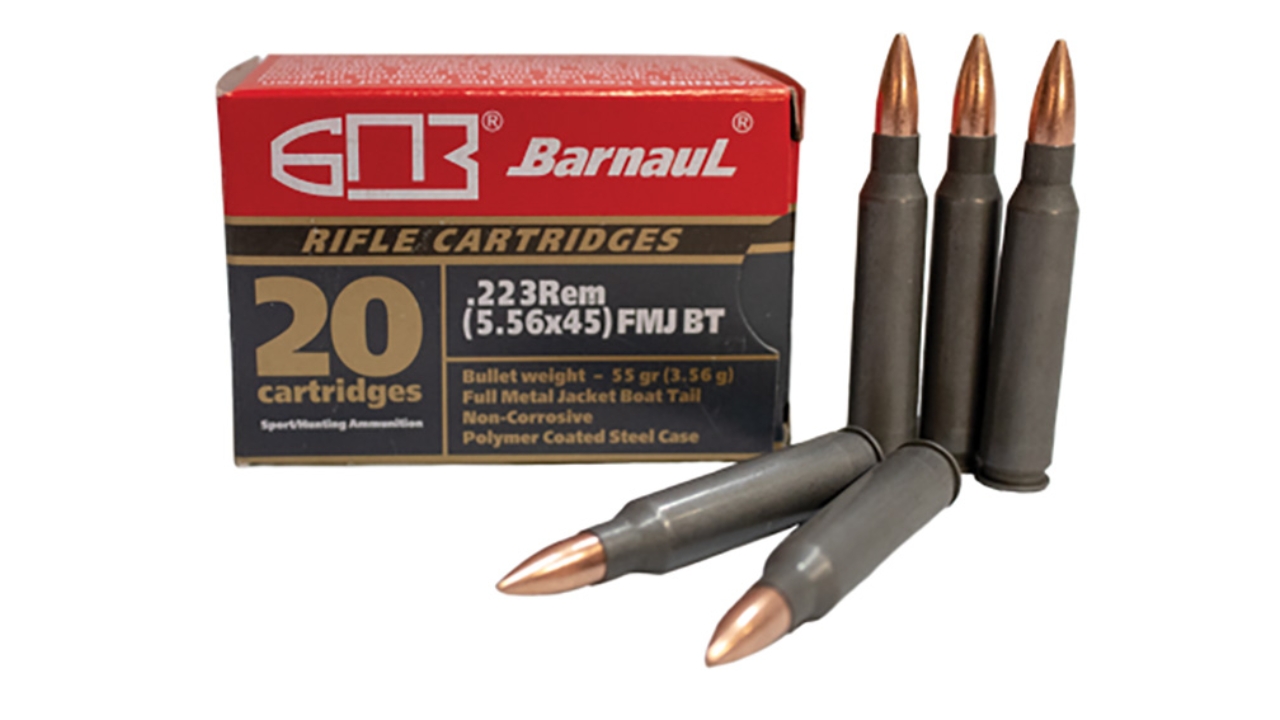
Steel-case ammo isn’t ideal for precision, and it runs dirtier than brass, but it doesn’t destroy rifles the way some claim. The main issue is extraction: steel doesn’t expand and seal the chamber like brass, so fouling builds faster. As long as you understand that and clean the chamber after using it, it won’t hurt a healthy rifle. The extractor wears slightly faster, but not at a rate that matters for typical shooters.
Plenty of people run thousands of rounds of steel without breaking anything important. It’s a cost-effective option for training, and the rifle handles it perfectly well when maintained. Using steel ammo responsibly isn’t a myth—it’s practical. What’s mythical is the idea that one magazine of Wolf or Tula will “destroy” an AR.
You need a piston system for reliability
Short-stroke piston ARs have their place, but they aren’t inherently more reliable than DI rifles for most shooters. Piston systems introduce added weight, more moving parts, and more potential for carrier tilt and uneven wear. DI rifles deliver smooth recoil, consistent accuracy, and proven reliability when the rifle is built well.
Unless you’re running suppressed 24/7 or working in environments full of dust and debris, a piston setup isn’t necessary. Many elite shooters and units still run DI rifles because the system works. The myth persists because it sounds logical, but real-world data doesn’t support the idea that piston equals “better.” It equals “different,” and sometimes “heavier,” but not more reliable for most uses.
AR-15s are only good for tactical shooting

A lot of people associate the AR-15 with tactical roles and overlook how versatile the platform really is. You can configure it for hunting, varmint control, competition, or long-range steel. Swapping uppers gives you options ranging from .22 LR to big-game calibers like .350 Legend or 6.5 Grendel. The rifle adapts to whatever job you need done.
Hunters have embraced the platform because it handles well in the woods and delivers excellent accuracy. Competitors rely on it for speed and consistency. Even small-game shooters use rimfire uppers for inexpensive practice. The AR-15 isn’t a “tactical-only” tool—it’s one of the most adaptable rifles you can own.
The AR-15 is too complicated for new shooters
Some people still think the AR is too mechanical or too “advanced” for beginners. In truth, the controls are intuitive, the recoil is light, and the ergonomics help new shooters build confidence fast. The safety, mag release, and charging handle are easy to understand after a few minutes of handling.
The modular design also lets new shooters tailor the rifle to their size and strength. Adjustable stocks, different grips, and lighter triggers make the rifle easier to shoot well. Once someone understands the basics, they often find the AR easier to run than a pump shotgun or manual bolt gun. Complexity isn’t the problem—misconceptions are.
You need an expensive build to get a dependable rifle

The belief that AR-15s need high-end parts to function reliably keeps spreading, but it isn’t true. A midrange rifle with a properly staked gas key, a good bolt, a decent barrel, and quality magazines will run for years. The platform isn’t fragile—it’s modular. Reliability comes from correct assembly and good components, not boutique upgrades.
Plenty of budget rifles have proven themselves in classes, competitions, and hunting seasons. You don’t need a $2,000 build to get performance out of the platform. You need smart choices and an understanding of how the system works. Spend where it matters, and the rifle will do everything you need it to.
The AR-15 overheats too easily
All semi-auto rifles heat up when you shoot them quickly, but the AR-15 handles heat better than many people assume. The aluminum handguard dissipates warmth efficiently, and free-float designs keep heat off the barrel. Heavy-profile barrels also delay heat soak, giving you more sustained accuracy.
If you’re mag-dumping repeatedly, any rifle will heat up fast. But normal hunting or target shooting doesn’t create the conditions people complain about. The AR maintains accuracy through reasonable strings of fire, and the design recovers quickly once you stop. The myth sticks around because people misunderstand the difference between abuse and normal use.
Like The Avid Outdoorsman’s content? Be sure to follow us.
Here’s more from us:
The worst deer rifles money can buy
Sidearms That Belong in the Safe — Not Your Belt
*This article was developed with AI-powered tools and has been carefully reviewed by our editors.