Photo credit: Tactical Considerations/YouTube
Hitting the trail with a pistol isn’t just about carrying extra weight—it’s about being smart, prepared, and legal. Whether you’re hiking deep in bear country or just wandering unfamiliar woods, having a firearm on you can offer peace of mind. But it’s not as simple as tossing one in your pack and heading out. You’ve got to think about safety, access, comfort, and more.
Here’s a no-nonsense guide to carrying a pistol when you’re out on the trail.
Know the Laws Before You Go

Before you ever lace up your boots, check the gun laws for wherever you’re headed. Just because it’s public land doesn’t mean it’s fair game for carrying. National parks, state land, and wildlife areas all play by different rules.
Some places allow open carry, others only concealed, and a few don’t allow it at all. You don’t want your hike ending with a ticket or worse. Double-check permits too—especially if you’re crossing state lines.
Choose the Right Gun for the Job
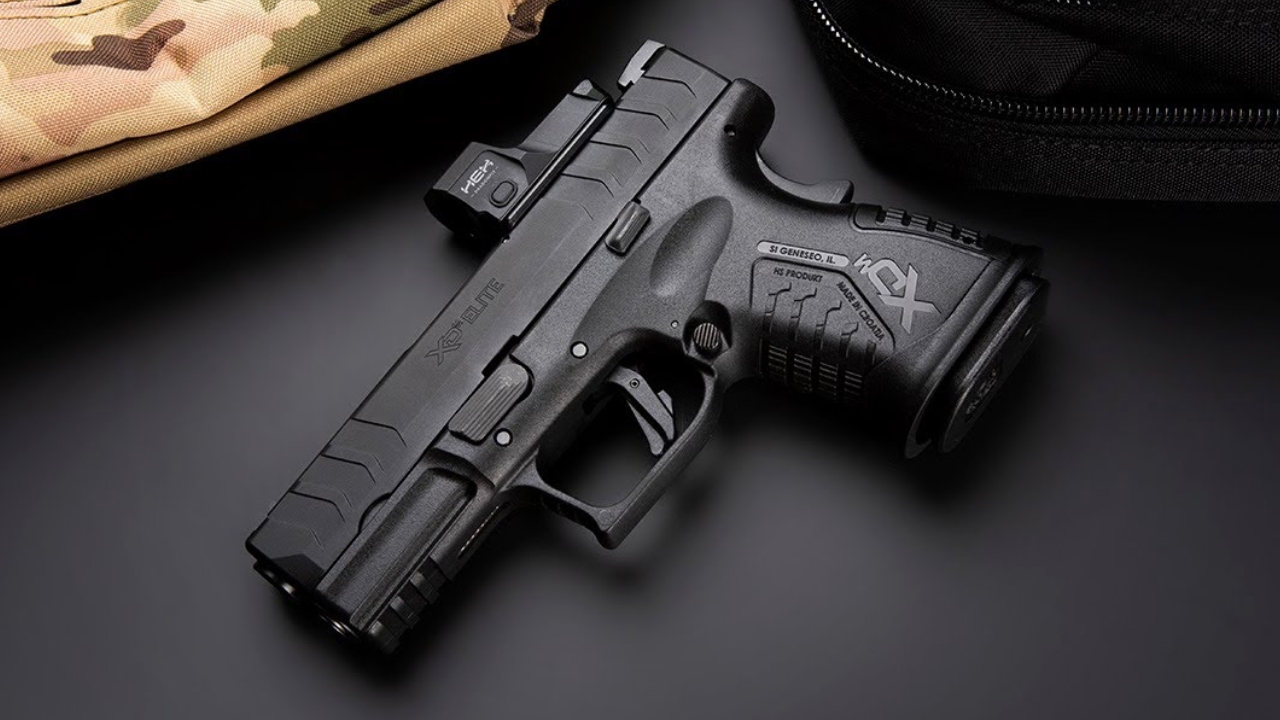
You don’t need your full-size home defense handgun out in the woods. Think lighter. Trail carry is all about comfort and practicality, not capacity or cool factor.
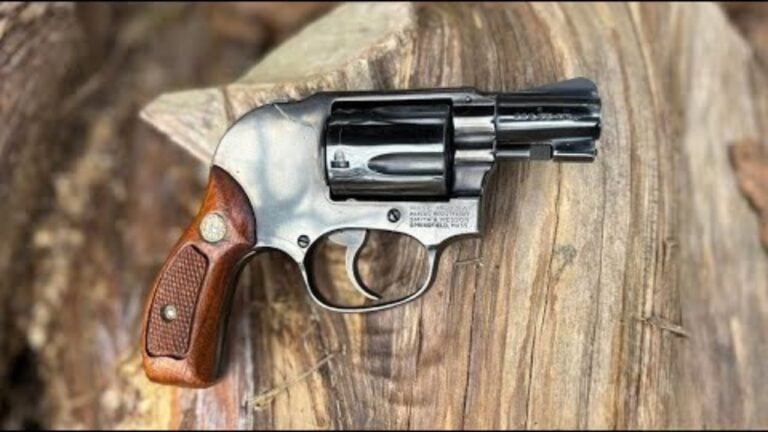
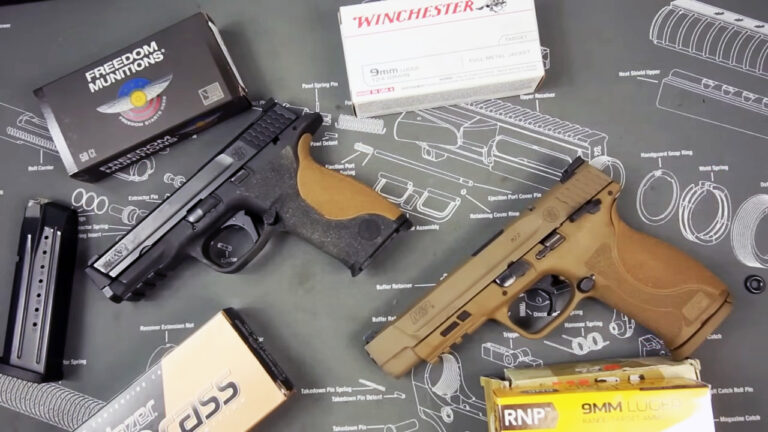
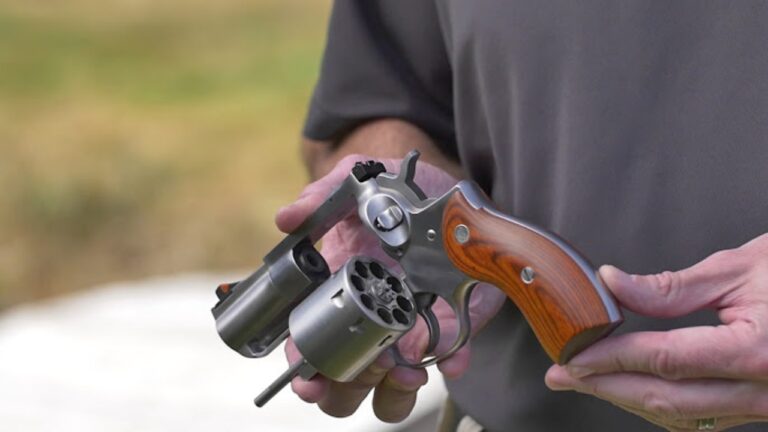
Something compact with decent stopping power—like a 10mm or .357—is a solid middle ground. If you’re in bear territory, you might want a little extra punch. Otherwise, a smaller 9mm could do the trick just fine.
Go With a Comfortable Holster

If your holster’s digging into your side or bouncing around while you hike, you’re gonna hate every step. The right holster should keep your pistol secure but easy to reach, even with a pack on.
Look into chest rigs, drop-leg setups, or sturdy OWB holsters that sit well under a hip belt. Avoid anything cheap or flimsy—this isn’t the time to cut corners.
Keep It Accessible, Always

If you can’t get to your gun quickly, it might as well be back in the car. Emergencies happen fast, and you won’t have time to fumble through your backpack.
Make sure your holster setup works with your pack and doesn’t get blocked by straps or gear. Practice drawing with your setup at home—preferably unloaded and safe—so it becomes second nature.
Pack Extra Ammo (But Not Too Much)

Carrying a full box of ammo on a multi-mile hike makes no sense. You don’t need 100 rounds for a trail walk—this isn’t a range day. But having a spare mag or speed loader is smart.
Think of it like a first-aid kit. You’re probably not going to need it, but if you do, you’ll be glad it’s there. One reload is usually enough for most folks.
Consider Wildlife Risks

If you’re carrying for protection against animals, know what you’re dealing with. Black bears? Maybe pepper spray and a sidearm. Grizzlies? That’s a different story.
In snake country, some folks carry shot shells in a revolver for close-up bites. Just don’t assume every trail is the same—adjust based on the critters you might run into.
Keep It Concealed If Needed

Even if open carry is legal, it doesn’t mean it’s the best idea. Flashing a pistol on a popular trail might make others uncomfortable or attract attention you don’t want.
A chest rig under a loose shirt or a concealed holster under your jacket keeps things low-key. Blend in, stay chill, and avoid making a scene—especially in crowded areas.
Don’t Skip Routine Checks

Dirt, sweat, and moisture can mess with your firearm fast. Trail conditions are rougher than most folks realize. A gun carried in the backwoods gets exposed to a lot.
At the end of the day, give it a quick wipe down. Check for grit in the action and keep it lightly oiled. A few minutes of maintenance means your gun won’t fail when it counts.
Practice With Your Trail Setup
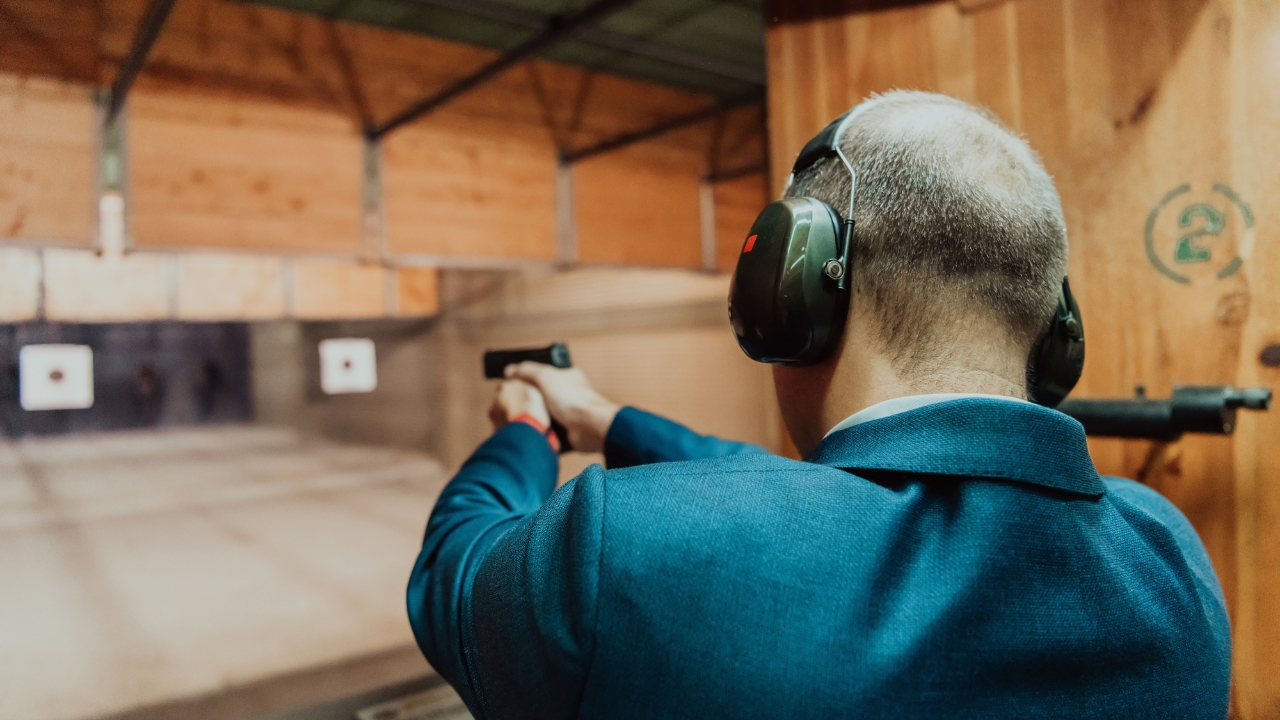
Hitting the range with your EDC is great, but it’s not the same as hiking with a chest rig or drawing from under a rain jacket. If you’re serious about carrying on the trail, practice like you’re actually out there.
Wear your pack. Hike in your boots. Practice with gloves on. The more realistic your training, the better prepared you’ll be if something goes sideways.
Bring a Backup Light

If you’re out late, a flashlight is a must. If you have to draw your gun in low light, you better be able to see what you’re aiming at. A weapon-mounted light is helpful but not always ideal on a trail gun.
Even a small pocket flashlight or headlamp can make a huge difference. Just make sure it’s easy to get to and has fresh batteries. The dark gets real out there.
*This article was developed with AI-powered tools and has been carefully reviewed by our editors.