Photo credit: WHO_TEE_WHO/YouTube
When temperatures drop and your breath fogs your scope, a cartridge’s flaws tend to show up fast. Powder that was consistent at the range starts acting funny. Brass that sealed fine in the summer suddenly starts leaking gas or cracking. And primers that never misfired suddenly hesitate—or fail completely. You can get away with a lot when it’s 60 degrees, but sub-zero mornings in a deer stand will tell you real quick whether your favorite round is up to the job. Cold hunts separate dependable from questionable faster than any gel test or range day ever will.
.300 Blackout struggles to keep pressure up
The .300 Blackout was never meant for cold hunts, and it shows. It was designed for suppressed fire, short barrels, and low velocities. In warm temps, factory loads can get the job done on hogs or deer under 100 yards. But when it’s below freezing, subsonic loads become even slower, and supers lose enough pressure that accuracy and terminal performance both suffer. You’ll notice longer hang time, poor expansion, and unreliable cycling in semi-autos. For deep woods whitetail hunts in December, it’s better to leave this one on the shelf and bring something that’s not limping through the snow.
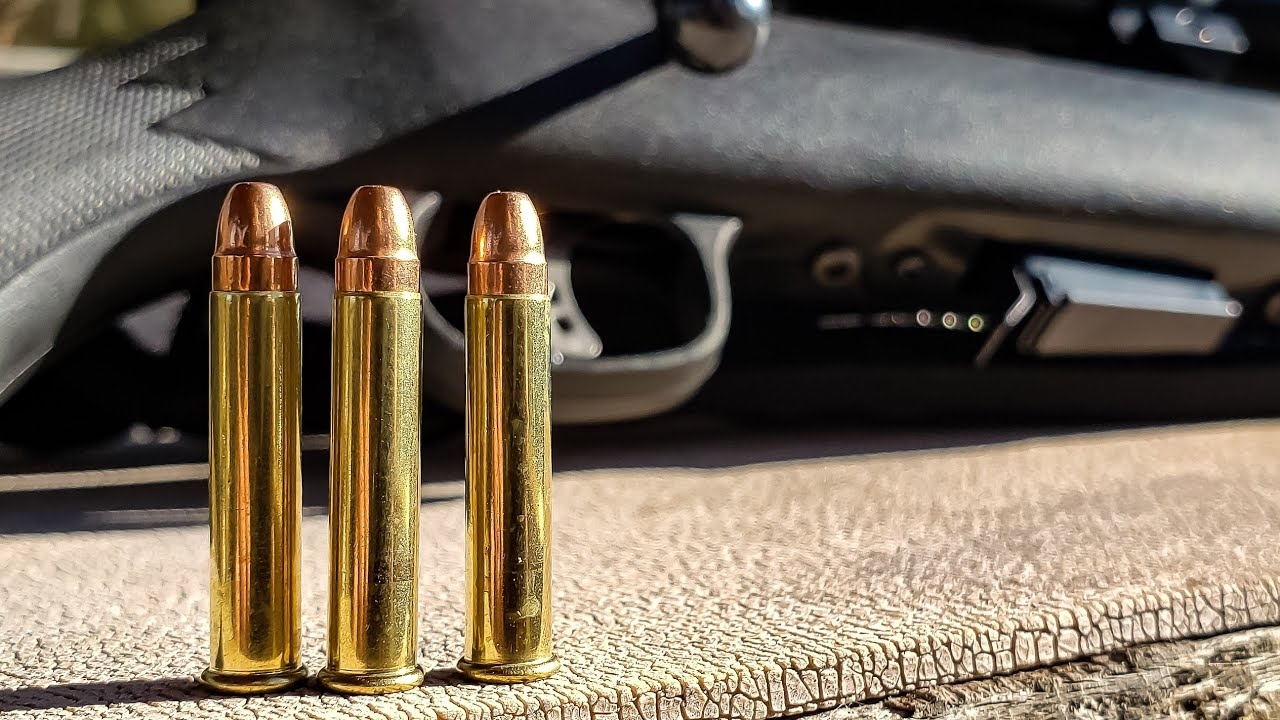
.22 Magnum starts misfiring when things freeze up

You’ve probably heard someone say they’ve taken deer with a .22 Magnum. Sure, it’ll punch through light cover and deliver surprising energy for its size, but it’s not built for reliability in cold conditions. Rimfire cartridges already have a reputation for occasional misfires, and when you add freezing temps to the mix, ignition becomes even less predictable. Powder burn rate slows down, and light strikes happen more often with gloves and stiff bolts. In a small-game emergency, you might still reach for one, but don’t expect it to run clean in the kind of weather that leaves your truck door frozen shut.
.204 Ruger loses its edge when powder slows down
The .204 Ruger thrives on speed. With light bullets zipping past 4,000 fps, it’s a favorite for varmint hunters who want reach and flat trajectory. But the second you hit frigid conditions, things start slipping. The cartridge’s high-pressure, fast-burning powder blends are sensitive to temperature swings. What grouped great in June turns unpredictable by January. Point of impact shifts more than you’d think, and your margin for error tightens up fast. If you’re planning to call coyotes in snowy country, you’re better off stepping up to a round with heavier bullets and more stable cold-weather ballistics.
.35 Remington gets sluggish in the cold
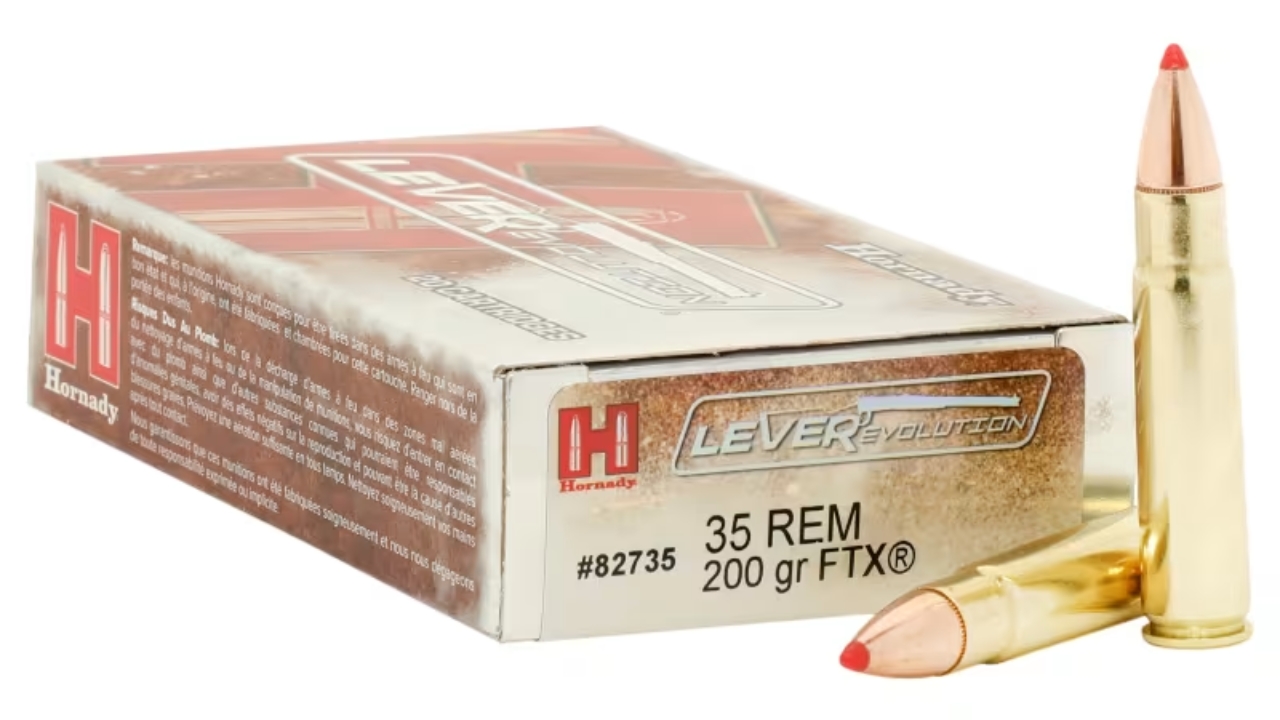
There’s still a soft spot in many hunters’ hearts for the .35 Remington, especially in lever guns passed down through generations. But nostalgia doesn’t make up for what this cartridge lacks when the mercury drops. Its relatively low-pressure load already operates near the edge of what’s effective at longer ranges. In cold weather, burn rates slow even more, resulting in weaker expansion and sluggish performance on bigger-bodied deer. At short range, it’ll still do the job, but it’s not a forgiving round when environmental variables start piling up. Old-school or not, it’s worth keeping that in mind.
7.62x39mm doesn’t seal well in extreme cold
There’s no denying the ruggedness of the AK platform, but its standard cartridge isn’t always up for the conditions. The 7.62x39mm has tapered case walls and a relatively low-pressure ignition, which work fine in moderate climates. But in the cold, those cases often fail to seal tightly, allowing gas to leak backward or fouling to build up where it doesn’t belong. You’ll also see velocity drop enough to impact energy and trajectory. For banging steel at 50 yards? Sure. For a clean shot on a buck at 150 in the snow? That’s where things get shakier.
.17 HMR becomes unreliable below freezing
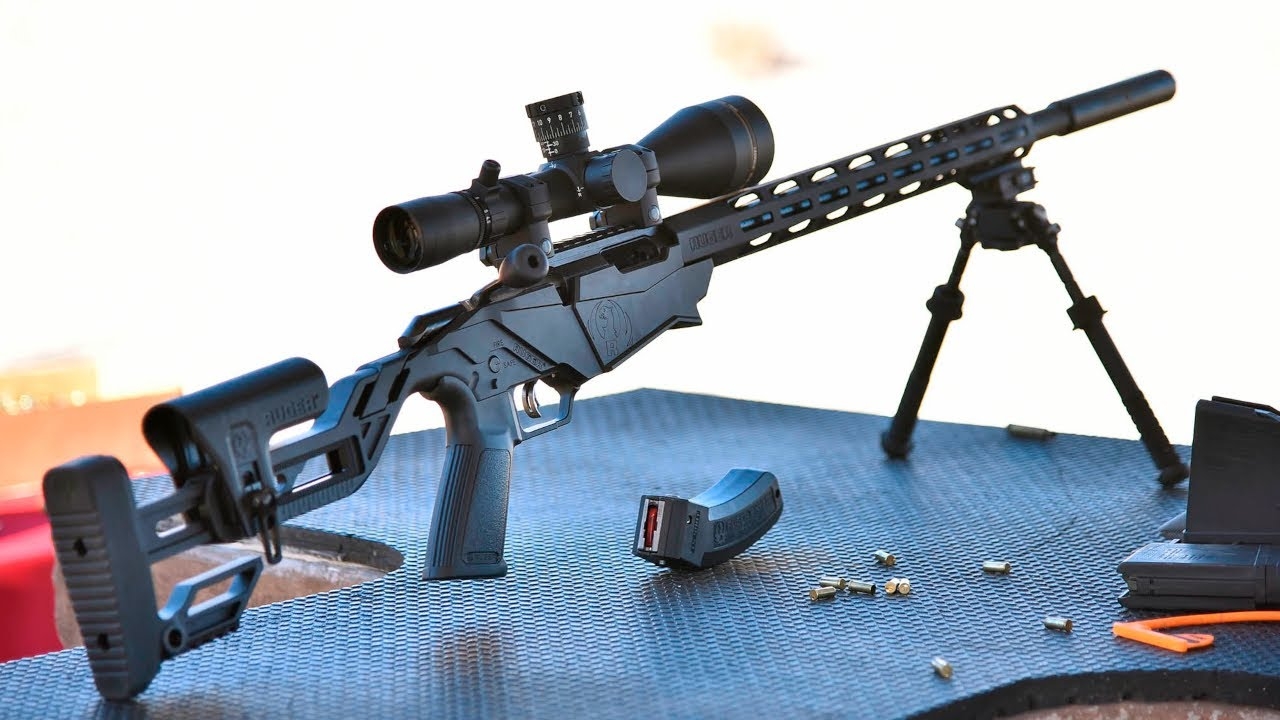
The .17 HMR is a tack driver—when everything’s ideal. It’s lightweight, high-velocity, and deadly accurate on varmints in calm weather. But freezing temps cause this cartridge to misfire, split cases, and wander off zero. It’s rimfire, for starters, so ignition already walks a thin line. Add the tiny bullet and case design, and you’ve got something that’s easily thrown off by powder burn inconsistencies. If you’re using it for trapping or dispatching critters up close, you might get away with it. But for precision shots on squirrels or coyotes in the winter woods? There are better choices.
6.5 Grendel performance drops with the thermometer
The 6.5 Grendel carved out a nice spot for itself among AR hunters, especially for medium game. But once you head into colder weather, that carefully balanced pressure and bullet weight starts to show cracks. Velocity dips more than you’d expect, and some loads won’t cycle reliably in semi-autos. You’ll also start seeing vertical stringing as temps drop, especially if your rifle is zeroed in the summer. In a bolt gun it may hold up a little better, but don’t expect the kind of consistent expansion and energy you need for clean kills in sub-zero wind.
.30 Carbine falls flat in frosty air

A classic round with plenty of WWII nostalgia, the .30 Carbine is a lightweight cartridge that already sits on the margin of effective deer hunting performance. In warmer months, it can still punch through with soft points at close range. But when winter sets in, velocity loss is steep, and bullets fail to expand reliably. Most factory loads were never designed for modern hunting expectations, and colder air just makes those weaknesses worse. If your granddad’s M1 Carbine still sees action in the field, it’s worth knowing that cold weather cuts this cartridge’s already limited punch even shorter.
Like The Avid Outdoorsman’s content? Be sure to follow us.
Here’s more from us:
The worst deer rifles money can buy
Sidearms That Belong in the Safe — Not Your Belt
*This article was developed with AI-powered tools and has been carefully reviewed by our editors.