Photo credit: Ambrosia Studios/Shutterstock.com
Most people start concealed carry thinking the hard part is picking a gun. Then they realize the gun is maybe 20% of it. The rest is belt, holster, clothing, habits, and the mental side nobody talks about on day one. A lot of the “surprises” aren’t tactical fantasy stuff either. It’s normal, everyday life: sitting in a truck seat, carrying through summer heat, dealing with kids climbing on you, running errands, hugging people, bending down in a parking lot, and trying not to mess with your shirt every ten seconds. These are the facts new carriers usually learn the slow way.
1) Your holster matters more than your gun

A mediocre gun in a great holster is usually easier to carry than a great gun in a junk holster. The holster controls comfort, concealment, retention, and consistency on the draw. New carriers often spend $600 on a pistol and then grab a $25 holster that collapses, shifts, prints, or makes reholstering sketchy.
If you want carry to stick, treat the holster like life-support gear. A real belt and a holster that fits your body and your carry position is what makes the whole thing realistic day after day.
2) Comfort is the difference between “I carry” and “I used to carry”

Most people don’t quit because they got scared. They quit because it’s annoying. Hot spots, pinching, sitting pain, constant adjusting, and printing paranoia will wear you down fast. That’s why you see so many folks rotate through five guns, ten holsters, and a drawer full of regrets.
The surprise is that comfort is often solved by boring stuff: better belt, different ride height, different cant, slightly different carry position, and a wedge/claw if your setup supports it.
3) You’ll touch your gun a lot at first — and you need to stop

New carriers constantly check the gun, pull at their shirt, tap the grip, and “verify” it’s still there. It’s normal at first, but it also draws attention and builds bad habits. People don’t notice your concealed gun nearly as much as they notice you acting weird.
Your goal is to set your rig once and then forget it exists. If you can’t, your setup needs work.
4) Printing is usually less obvious than you think

Most new carriers think any little outline is a flashing sign. In reality, most people are glued to their phones and not scanning strangers for beltline shapes. The bigger problem is consistent, obvious printing from the wrong holster position, a short cover garment, or the wrong belt tension.
The late lesson is that concealment is a system. The gun is part of it, but your clothing cut, material, and how you move matters just as much.
5) The biggest giveaway is behavior, not the gun

People spot “carriers” because of how they act: the constant shirt tug, the nervous posture, the weird side-body turn, the constant hand hovering near the waistband. Calm beats concealment tricks.
The more normal you act, the less anyone notices. Dial in your setup so you don’t have to babysit it, and half the paranoia disappears.
6) Cars are where carry setups get exposed fast
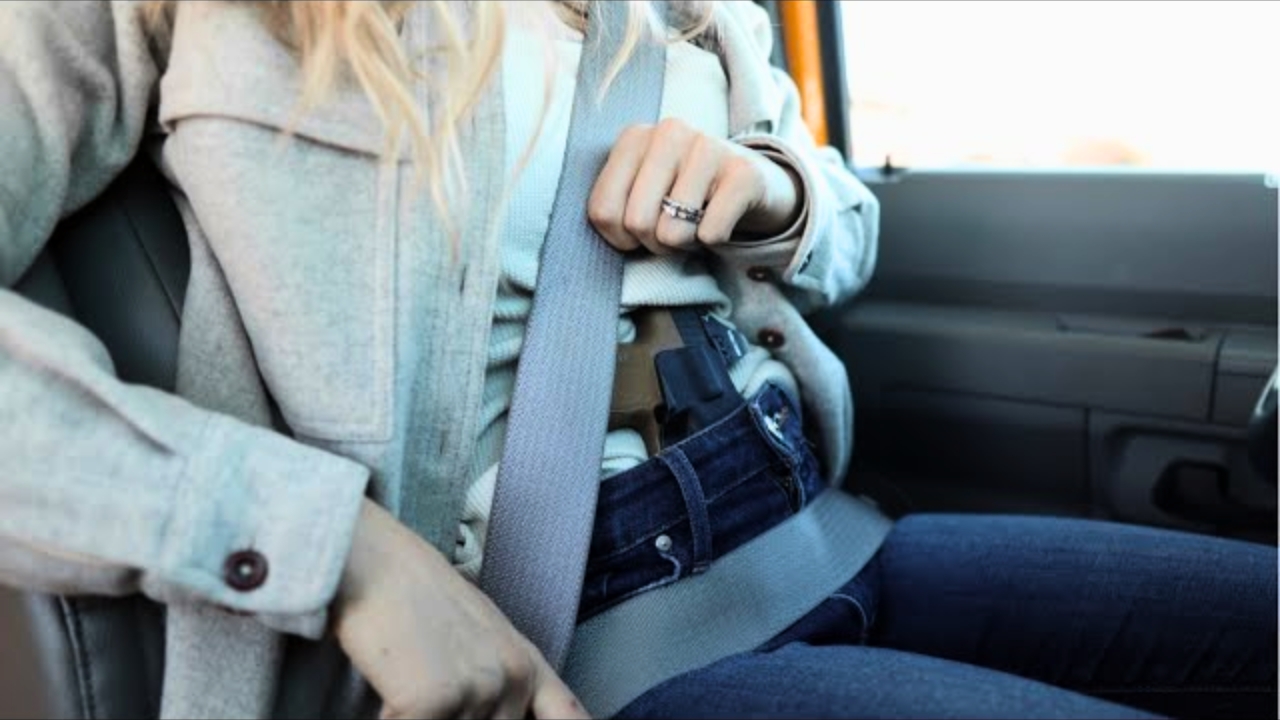
Sitting changes everything. Seatbelts, bucket seats, steering wheel position, and long drives will tell you if your holster choice was fantasy. Appendix might be great for quick trips and miserable for a three-hour drive. Strong-side might be comfortable seated but harder to draw with a seatbelt on.
If you carry daily, you need a plan for driving. Practice safe access (unloaded practice) and see what actually works in your own vehicle.
7) Your belt isn’t optional gear

A flimsy belt turns even a good holster into a floppy mess. It shifts, it sags, it prints, and it makes the draw inconsistent. New carriers often blame the gun when the real problem is the belt letting everything move around.
A good belt doesn’t have to be tactical-looking. It just needs to support weight and stay rigid enough to keep the holster in the same place.
8) Smaller guns aren’t automatically easier to carry

This one shocks people. Micro-compacts hide easier in theory, but they often create their own problems: short grips that are harder to control, snappy recoil that discourages practice, and tiny controls that are harder under stress. Meanwhile, a slightly larger gun can ride more comfortably and be easier to shoot well.
A lot of experienced carriers end up at “compact” sizes because the tradeoffs are more livable.
9) If you don’t practice drawing, you’re carrying a paperweight

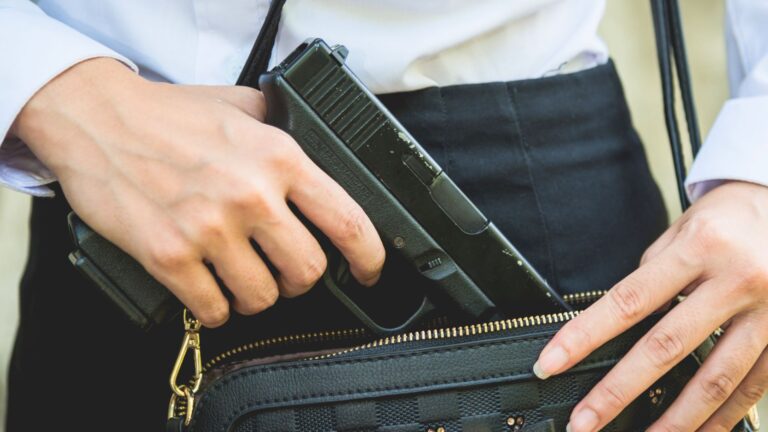
Range time is great, but most people only shoot from low ready. Concealed carry requires a clean, consistent draw from concealment—without sweeping yourself, without snagging clothing, and without fumbling the grip.
If you do nothing else, do safe dry practice. Slow, deliberate reps build a clean draw, and that’s more useful than blasting another box of ammo with no structure.
10) Reholstering is where people get hurt

New carriers get obsessed with the draw and forget the reholster. Most negligent discharges happen during reholstering because people rush, clothing folds into the holster mouth, or they try to fish the gun into a soft holster.
A smart reholster is slow, deliberate, and boring. If anything feels off, stop, look, clear the garment, and do it right.
11) You need a plan for where the gun goes at home

Carry is easy in public and complicated at home. Kids, pets, lounging clothes, and daily life create moments where the gun comes off. If your plan is “I’ll set it on the counter,” you’re already in a bad spot.
You need a safe place that’s consistent. That could be a small lockbox, a quick-access safe, or a system that keeps it secured and accessible without becoming a household hazard.
12) You’ll realize you can’t do “normal” stuff the same way

Bending down, picking up a kid, reaching for a top shelf, wrestling a grocery cart, leaning into a car—your normal movements will change or you’ll learn new ways to do them without flashing the gun. New carriers often learn this by accidentally printing in public once and feeling their soul leave their body.
It gets better quickly, but you have to pay attention and adjust your habits.
13) Spare magazines feel unnecessary until they don’t

A lot of folks skip a spare mag because it’s uncomfortable or “paranoid.” The late lesson is that magazines are the most failure-prone part of most semi-autos. A spare mag isn’t just more ammo—it’s a quick fix if your primary mag is the problem.
Even if you never “need” it in your lifetime, carrying one makes training and consistency better, and it costs very little effort once you get used to it.
14) The legal and social side matters more than gun people admit

New carriers focus on gear and ignore the realities: where you can’t carry, how to handle accidental exposure, what to do if you get asked to leave, and how to deal with the aftermath if something happens. Most problems carriers face aren’t gunfights—they’re awkward moments, policy issues, or misunderstandings.
You need to know your local laws and have a simple, calm plan for common scenarios. That’s part of being responsible, not part of being dramatic.
15) Carrying changes how you think — and that’s not a bad thing

The biggest surprise is mental. You start noticing exits, paying attention to people, and avoiding dumb situations. It’s not about walking around scared. It’s about being more deliberate. Most experienced carriers get quieter, calmer, and less interested in proving anything.
If you’re carrying to protect yourself and your family, the win is never having to use it. Good habits and good decisions beat any gear debate.
Like The Avid Outdoorsman’s content? Subscribe to our newsletter so you never miss an article.
Here’s more from us: