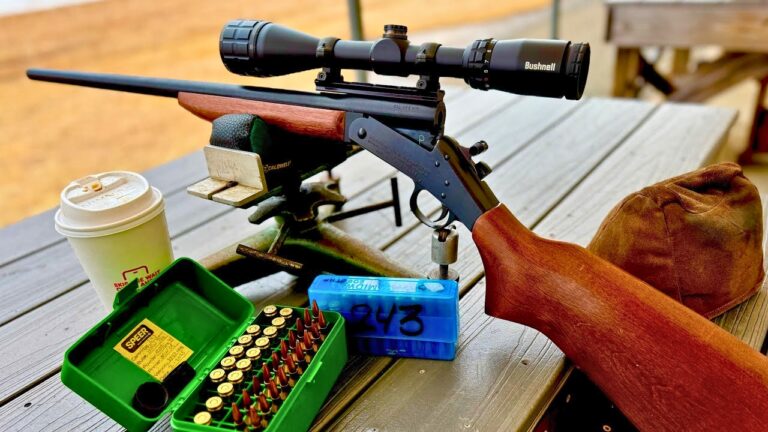
Photo credit: Savage Arms
Temperature swings are where cheap setups get exposed. Cold shrinks metal, thickens grease, and turns a “fine at the range” scope mount into a problem. Heat does the opposite—softens some stock materials, bakes oil off, and can make a thin barrel walk if you’re hammering shots. If your rifle holds zero through those swings, it usually isn’t luck. It’s a stable stock, consistent bedding, a straight barrel, and hardware that stays tight.
The good news is you don’t need a custom build to get there. These budget-friendly rifles have earned a reputation for staying put when the weather can’t make up its mind—especially when you pair them with solid rings, proper torque, and a reasonable hunting zero check.
Ruger American Gen II
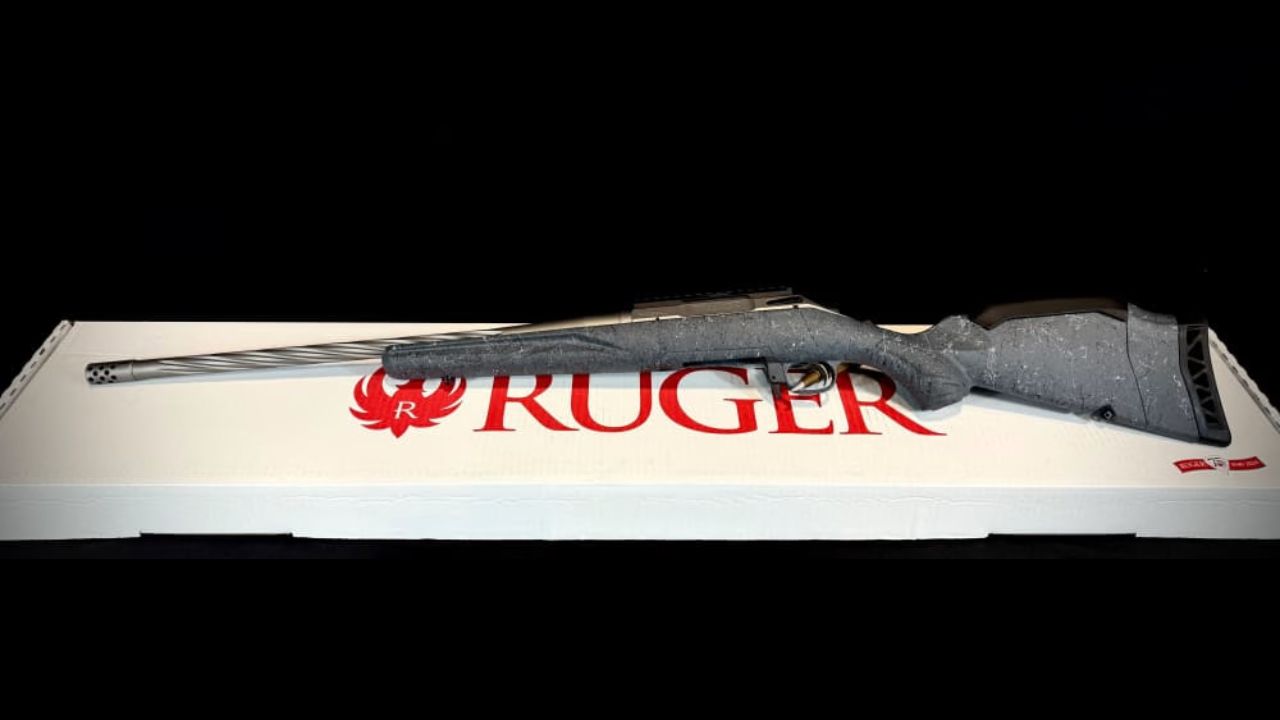
The Ruger American Gen II is built for real hunting conditions, not climate-controlled range days. The action and barrel setup tends to be consistent, and the newer stock design is meant to ride temperature swings without feeling like it’s changing shape under you.
Where you keep zero is in the details you can control. Use decent rings, torque them correctly, and don’t crank down on action screws like you’re hanging an engine. If you do that, the Gen II usually holds point of impact through cold mornings and warm afternoons better than a lot of rifles in its price range.
Ruger American Predator

The American Predator has been a go-to “working rifle” because it often shoots well and doesn’t act fragile when you travel, bounce around in a truck, or hunt in nasty weather. The heavier-leaning barrel profile helps, especially if you fire a couple shots without letting it cool forever.
To keep zero through temperature changes, the Predator likes a steady setup. A quality scope base, rings that don’t slip, and action screws torqued evenly make a bigger difference than fancy accessories. Set it up once, confirm it when the season changes, and the rifle usually stays honest.
Ruger American Ranch
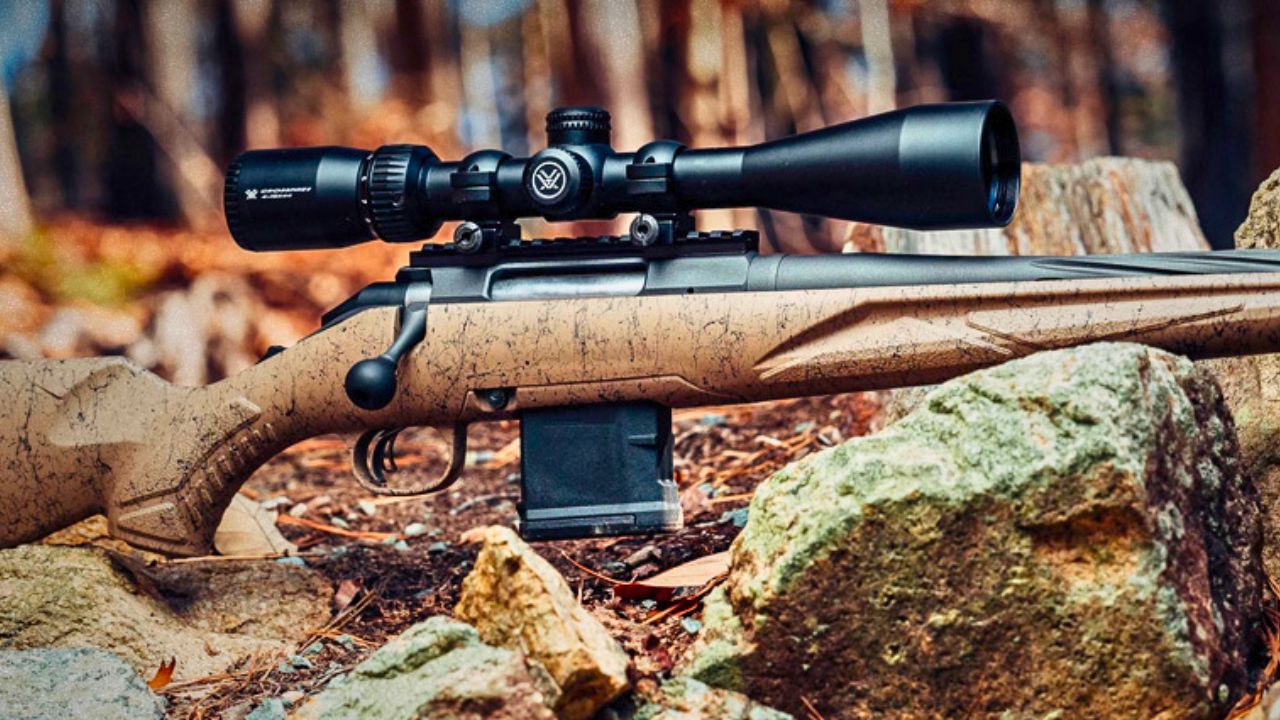
The Ranch version gets overlooked as a “short rifle,” but it’s a strong pick when you want a handy gun that still holds zero when the weather turns. The shorter barrel can be an advantage here—less leverage, less whip, and fewer surprises when temperatures jump around.
You’ll see the best results when you treat the whole system like one unit. A stiff scope mount, good rings, and mags that feed clean matter when it’s cold and your hands aren’t cooperating. With a sensible zero and ammo it likes, the Ranch tends to keep printing where you left it—even after bouncing between a heated cab and a freezing stand.
Savage Axis II

The Axis II has earned its place because it can shoot and it can take everyday abuse without acting precious. Savage’s barrel-nut system has a long history of producing consistent rifles, and consistency is what keeps zero stable when conditions change.
The stock is the weak link on many budget rifles, so the Axis II benefits from a careful setup. Make sure your action screws are even and snug—torque matters more than muscle. Pair it with a scope that tracks and rings that don’t creep, and the Axis II usually stays close through cold-to-warm swings that make lesser setups start wandering.
Savage 110 Apex Hunter
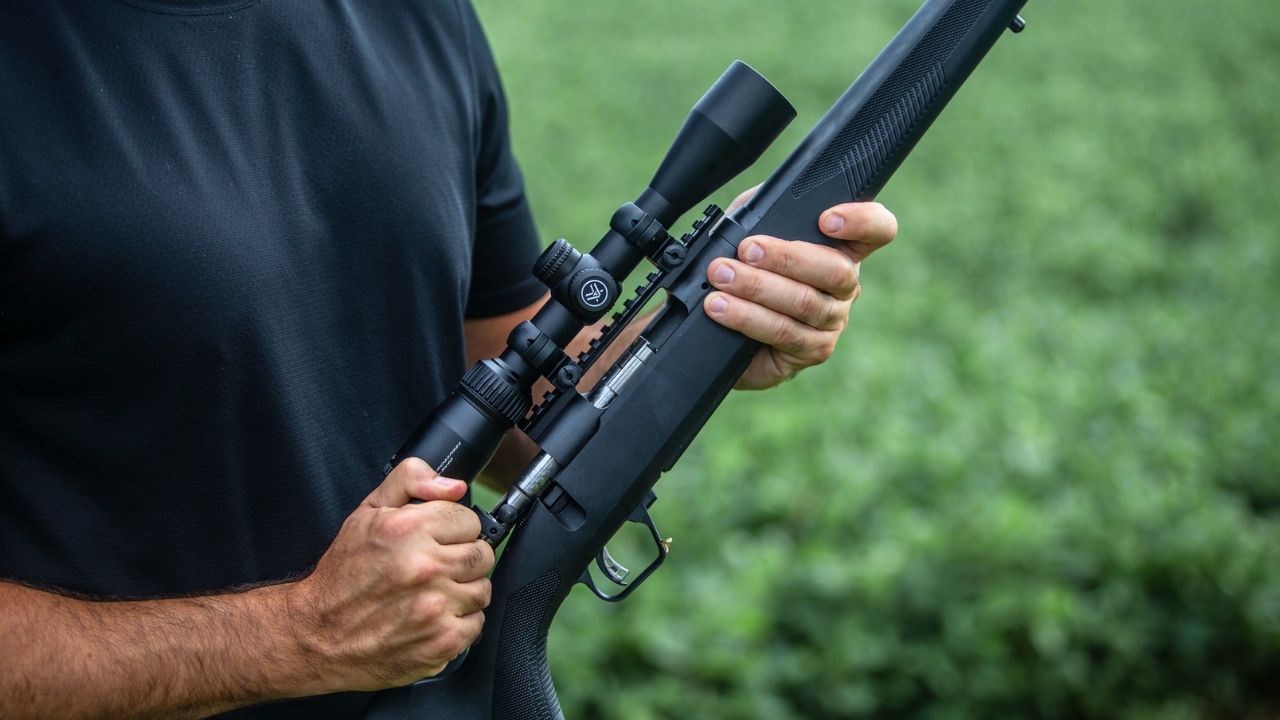
The Savage 110 line tends to be forgiving because the action design and barrel setup are consistent, and the AccuTrigger makes it easier to press shots without yanking them when you’re layered up in cold weather. The Apex Hunter packages can be a good value when you catch them right.
Temperature swings punish sloppy mounting jobs, so treat the 110 like a system. Confirm your base screws are secure, use quality rings, and keep your action screws consistent. When you do, many 110s hold their zero through seasonal shifts without needing constant babysitting, which is the whole point of a budget rifle that’s meant to hunt.
Stevens 334
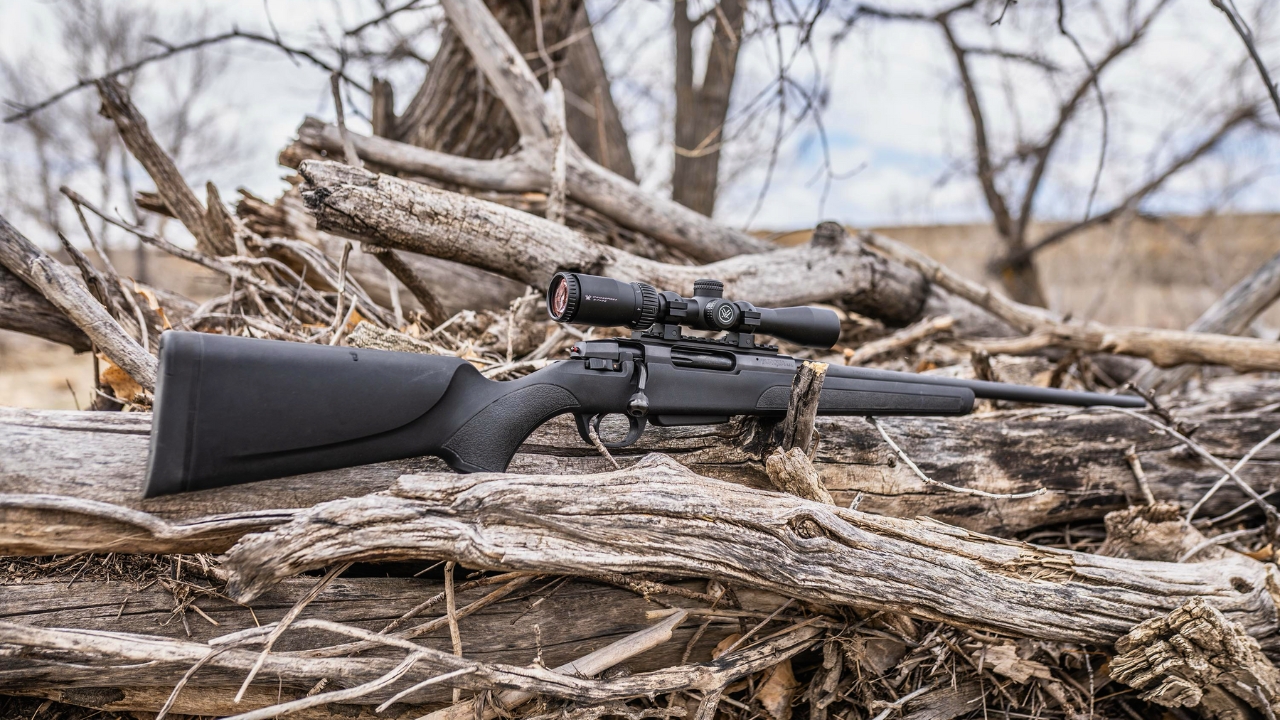
The Stevens 334 is one of the newer budget bolt guns that’s trying to give you modern features without the price tag. The design is straightforward, and the rifle tends to feel more solid than many entry-level options once you get it set up correctly.
Keeping zero through temperature swings comes down to stability and repeatability. The 334 usually behaves when the scope mounting is done right and you don’t let hardware loosen over time. Give it a proper sight-in, verify after a big weather change, and it has a good track record of staying close enough that you trust it on opening morning.
Winchester XPR
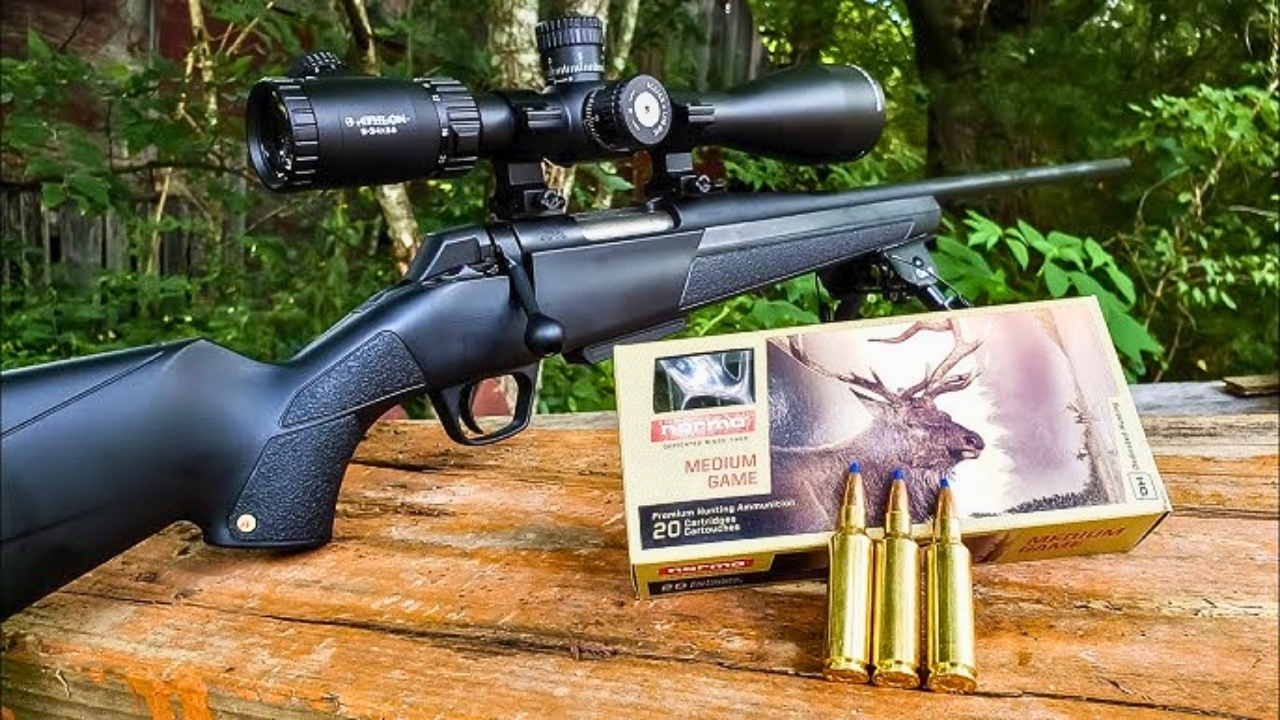
The Winchester XPR has been quietly reliable for a lot of hunters who want a rifle that shoots well and doesn’t drift every time the weather changes. The action and barrel tend to be consistent, and the rifle feels built to live in a truck and hunt hard.
The XPR’s best trait here is predictability. If you keep your scope mounting tight and avoid over-lubing in freezing conditions, it usually holds point of impact across cold-to-warm shifts without turning into a science project. It’s not flashy, but it’s the kind of rifle that makes you stop thinking about your zero and start thinking about your shot.
Thompson/Center Compass II

The Compass II is a budget rifle that often surprises people with how well it shoots for the money. When you’re talking temperature swings, that matters less than how consistent the platform is day to day—and the Compass II can be more consistent than folks expect.
The key is keeping the setup sane. Use a solid base and rings, torque everything correctly, and don’t swap ammo brands every other range trip. If you do those things, the Compass II usually holds a hunting zero through rough weather transitions well enough that you aren’t chasing impacts all season. It’s a practical rifle that does its job when you do yours.
CVA Cascade

The CVA Cascade has built a reputation as a budget rifle that feels more “together” than the price suggests. The action is smooth, the barrels can shoot, and the stock tends to behave across temperature changes, which is what you care about when your season starts warm and ends cold.
What helps the Cascade is that it doesn’t ask for a pile of upgrades to stay stable. Mount the scope correctly, confirm your action screws, and keep your barrel clean and dry when you move between warm and cold environments. With that baseline, a Cascade can keep zero in the kind of swingy weather that makes cheaper rifles start printing mystery groups.
Howa 1500 (Hogue or synthetic stock)

The Howa 1500 is one of the best “budget-but-serious” actions out there. It’s strong, consistent, and known for shooting well without being temperamental. That consistency is exactly what keeps point of impact from drifting when temperatures change.
You’ll see the biggest benefit when you avoid the common mistakes: cheap rings, loose bases, and uneven action screw tension. Set the rifle up with good hardware and don’t treat the stock like a clamp. Many Howa 1500s hold zero through real seasonal swings because the action stays consistent and the barrels tend to be straight shooters.
Weatherby Vanguard

The Vanguard sometimes sneaks into “budget” territory because it’s often sold in package deals, and it brings a lot of stability for the money. The action is solid, the rifle feels steady, and it tends to keep its point of impact when the weather bounces around.
If you want it to stay that way, focus on the basics. Make sure the scope and mounts are not the weak link, and don’t ignore a wet rifle after a warm-to-cold day that causes condensation. The Vanguard’s strength is that it’s steady and repeatable, so you get a rifle that doesn’t require constant re-checking when the forecast changes.
Browning AB3
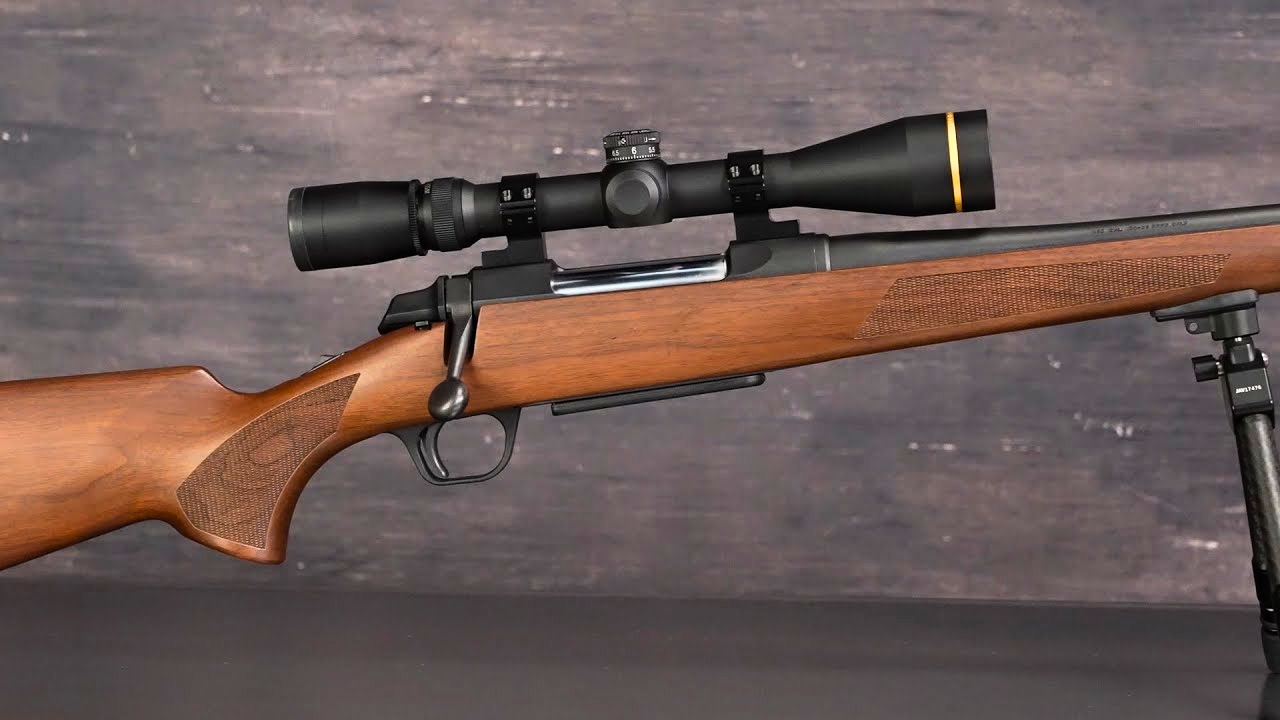
The AB3 is a rifle many hunters buy as a straightforward deer gun, then keep because it behaves. It’s generally consistent, and that consistency matters more than tiny benchrest groups when you’re worried about zero drift in hard temperature swings.
The AB3 tends to reward a clean, correct setup. Use good mounts, torque them properly, and keep your sight-in ammo consistent. If you do, the rifle usually stays close when you go from a warm garage to a cold stand, or from freezing mornings to sunny afternoons. It’s a practical rifle that keeps confidence high without demanding constant attention.
Mossberg Patriot

The Patriot is a classic “budget hunter’s rifle”—light, easy to carry, and often surprisingly accurate with the right load. Temperature swings can expose light rifles, but many Patriots hold zero well when the setup is done right and the stock isn’t stressed.
Your best move is to keep the system tight and consistent. Quality rings and bases matter a lot here, and so does even action screw tension. Avoid slamming the barrel into hard rests, and don’t let a loose sling stud torque the stock in weird ways. Treat it like a hunting rifle, not a pry bar, and it’ll usually keep your zero where you left it.
Remington 783

The 783 has been around long enough that plenty of hunters have dragged one through real seasons and learned what it does. When it’s set up correctly, the 783 can be a steady shooter that doesn’t wander badly when temperatures swing.
Where people get burned is sloppy mounting or neglecting hardware. The rifle can shoot, but your scope base screws and ring screws have to stay put, and your action screws need to be even. Do that, and the 783 often holds a hunting zero through the kind of cold snaps and warm spells that make you doubt your gear. It’s a budget rifle that can behave like a more expensive one.
CZ 600 Alpha

The CZ 600 Alpha often sits right on the edge of “budget,” but it’s frequently priced close enough to belong here—especially when you’re looking for a rifle that stays consistent through bad weather. The build quality is strong, and the platform is designed to deliver repeatable performance.
Temperature swings don’t forgive shifting stocks or sloppy bedding, and the 600 Alpha tends to avoid that drama. Set it up with proper mounts and a scope that tracks, then confirm your zero after a major seasonal change. Many shooters find that the 600 Alpha holds point of impact in a way that keeps you focused on hunting, not on wondering if your rifle moved overnight.
Used Savage 11/111 Trophy Hunter (older but proven)
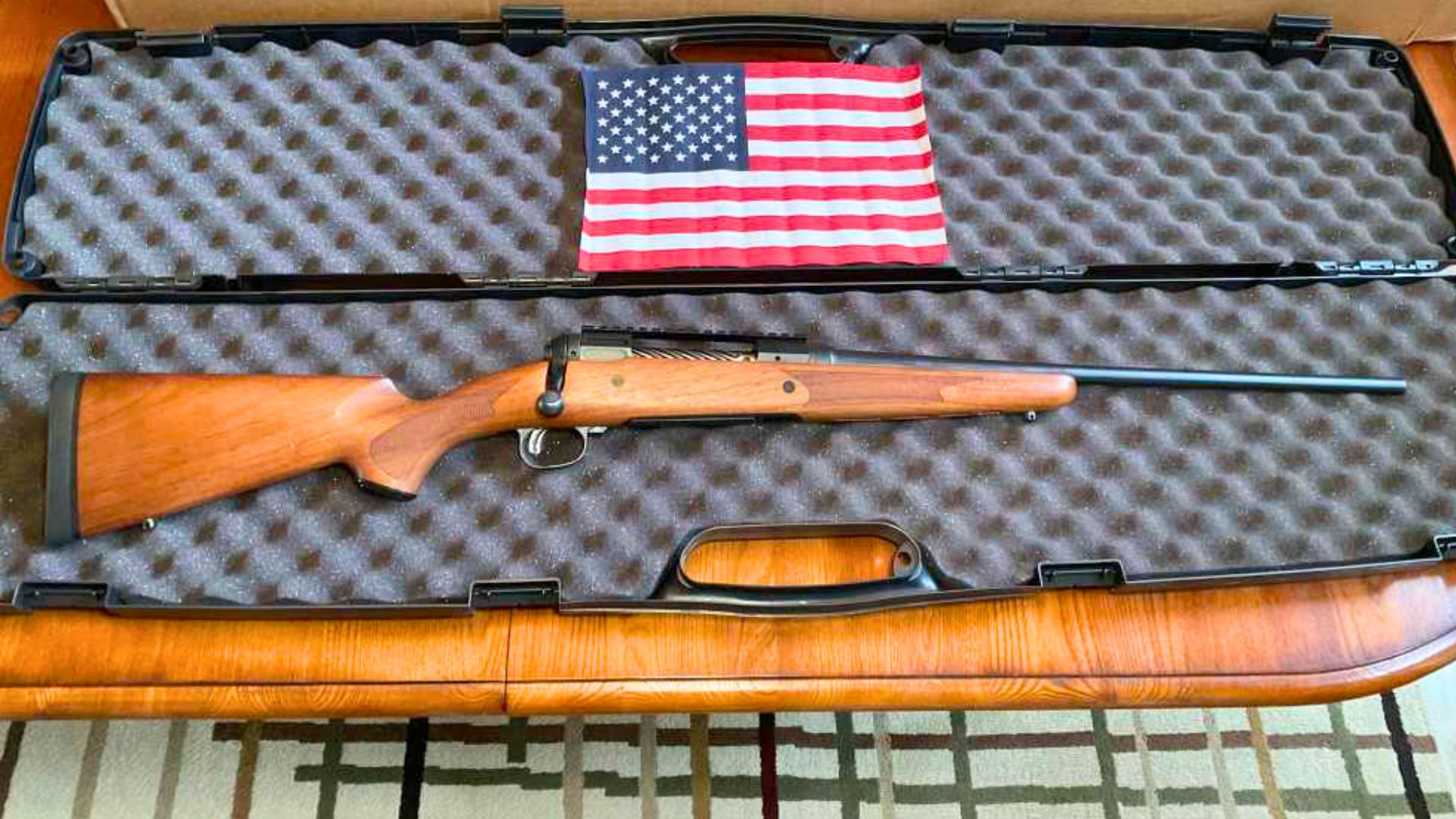
A used Savage 11/111 can be one of the smartest “budget” buys you make because the design has been delivering consistent accuracy for decades. Older doesn’t mean unreliable here. It often means proven—especially when you find one that’s been cared for and not abused.
The reason these rifles hold zero well is the same reason many newer Savages do: consistent barrel fit and a platform that tends to shoot predictably. Replace cheap rings if needed, confirm the base is solid, and make sure the stock isn’t warped or cracked. When you do, a used Savage can ride brutal temperature swings and still put the bullet where you expect.
Like The Avid Outdoorsman’s content? Subscribe to our newsletter so you never miss an article.
Here’s more from us: