Photo credit: The National Shooting Sports Foundation, Inc.
SHOT Show is locked in for Jan. 20–23, and if you work in the gun, hunting, or tactical world, you already know the real action starts before the doors open. A handful of product categories reliably leak, tease, and soft launch in the weeks ahead of Las Vegas, shaping what you will actually hunt down once you hit the floor. If you understand which segments always move first, you can sort your travel schedule, media plan, and purchasing priorities around the gear that will matter most.
The pattern is clear: optics, ammunition, and handguns consistently break cover early, driven by fierce competition and long development cycles that demand pre-show buzz. You see it in the way smart scopes get teased months out, in how new loads quietly appear on brand sites, and in how pistol platforms roll through multi-stage announcements. With SHOT Show again promising a crush of launches, focusing on those three lanes is the most reliable way to stay ahead of the curve.
Why some categories always leak first
You notice the same rhythm every January because certain product lines depend on long lead times and complex buying decisions. Optics, ammunition, and handguns are capital purchases for retailers and departments, not impulse accessories, so brands need you thinking about them before you ever scan a badge. That is why you see teaser campaigns, controlled “leaks,” and early spec drops that prime distributors and media to arrive in Las Vegas with a short list already in mind.
SHOT Show itself leans into that cycle with tools like the SHOT Show Digital Tracker, which highlights Training Highlights and Show Specials long before you walk into the Venetian. Exhibitors are reminded that from precision rifles to smart optics they are expected to push boundaries with advanced materials and integrated technology, and that kind of innovation is not something you spring on buyers at the last minute. The result is a predictable pattern: the most technically demanding, highest stakes categories start talking early, and everything else follows their lead once the show opens.
Category one: optics, from smart glass to thermal
Optics are the most reliable early movers, because they sit at the intersection of firearms, consumer electronics, and hunting tech. When a new scope or red dot drops, it often changes how you set up rifles, carbines, and even shotguns for the coming year, so manufacturers want that conversation underway before Jan. 20. You see that in the way companies preview smart reticles, integrated rangefinders, and digital overlays months ahead of SHOT, letting you compare specs and plan range time instead of discovering everything in a crowded booth.
Recent previews of New Optics Coming underline how hot this space has become, with the market for night-vision and thermal optics described as “red hot” while red dots and LPVOs remain core tools for carbine shooters. On the hunting side, Trend 1 in a rundown of the 5 Hottest Hunting Gear Trends for 2026 is literally titled Smart Optics and Integrated Rangefinders, highlighting heads-up digital displays and overlays built into compact optics. When both tactical and hunting channels are racing toward the same smart-glass future, you can safely assume those product lines will be teased, leaked, and dissected long before you hit the escalators in Las Vegas.
How smart optics became the pre-show conversation driver
Smart optics have shifted from novelty to expectation, and that evolution explains why they dominate pre-show chatter. You are no longer just choosing magnification and tube diameter, you are weighing ballistic calculators, Bluetooth links, and on-glass data that can change how you train and qualify. That complexity means buyers and armorers need time to digest features, compare ecosystems, and decide whether a given optic fits into existing rifles and workflows.
Hunting coverage that highlights heads-up digital displays and overlays built into compact optics shows how far expectations have moved in just a few seasons. On the trade side, exhibitor guidance for SHOT Show 2026 notes that from precision rifles to smart optics, brands are expected to integrate technology deeply into their designs, a point driven home in the reminder that exhibitors continue to push boundaries with advanced materials and integrated technology in the SHOT Show 2026 guide. When both hunters and tactical buyers are being told to expect smarter glass, it is no surprise that optics announcements are among the first to hit your feed every January.
Category two: ammunition, from new bullets to niche loads
Ammunition is the second category that reliably breaks early, because it touches every corner of the show and demands serious testing before agencies or retailers commit. A new bullet design or load recipe can change how you stock shelves, set up training, and even configure guns, so manufacturers often seed details ahead of SHOT to give you time to evaluate ballistics and availability. That is especially true for brands that serve both hunters and defensive shooters, where one new projectile can spawn multiple SKUs across calibers.
Recent coverage of new ammo coming in 2024 illustrates how granular those launches can be, with Three new load offerings spelled out as a 62-grain ELD-VT V-Match, 80-grain ELD Match, and 75-grain ELD Match Black. Those kinds of precise figures matter to you because they determine whether a load fits your twist rates, your match rules, or your duty requirements. When a bullet maker with the profile of Hornady introduces multiple ELD and Match Black options in one shot, you can expect that information to circulate ahead of the show so competitive shooters, hunters, and law enforcement buyers can start running the numbers.
Why ballistic details hit the internet before the show floor
Ballistics are unforgiving, and that is why ammunition announcements tend to arrive with detailed charts and test data before you ever see a box in a display case. You are not just buying a brand name, you are buying terminal performance, recoil characteristics, and consistency that have to be proven in gel blocks and on steel. That level of scrutiny is impossible to compress into a quick booth visit, so manufacturers push specs and early test results into circulation in the weeks leading up to SHOT.
Even basic education pieces, like explainers on the difference between FMJ and hollow point, reinforce how much nuance goes into choosing a load. One widely shared breakdown stresses that it is important to select JHP handgun ammo that has been shown in various tests to perform the way you desire, and notes that Most of the modern defensive loads usually perform acceptably well in ballistic testing. When that is the baseline expectation, you can see why brands want their new 62-grain, 80-grain, and 75-grain offerings discussed and dissected online before you ever step onto the carpet in Las Vegas.
Category three: handguns and modular platforms
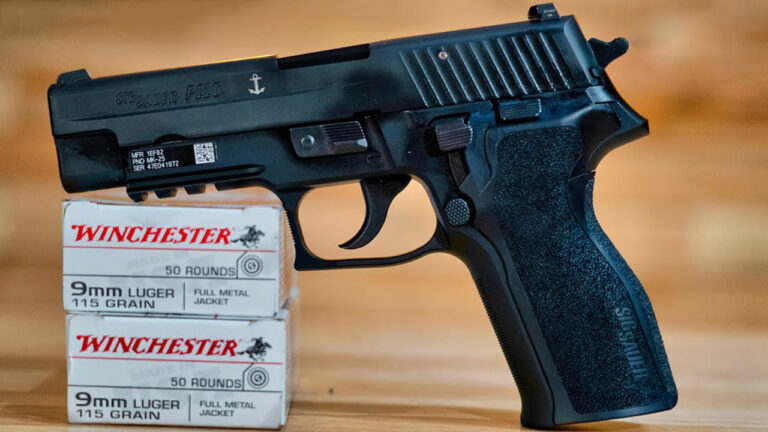
Handguns are the third pillar of early SHOT buzz, and they earn that spot because they sit at the center of both the concealed carry and duty markets. A new pistol platform can drive holster sales, optic choices, and training curricula, so manufacturers rarely wait until the first morning of the show to reveal a major generation change. Instead, they roll out staged announcements that introduce the frame, then the optics package, then the performance claims, giving you time to decide whether to upgrade or stay put.
The recent Gen6 announcement from Glock is a textbook example, highlighting an ergonomic frame with palm swell, extended thumb rest, and enlarged beavertail that combine to create an intuitive design. On the enthusiast side, video rundowns of “insane new guns” for SHOT Show spotlight pistols like the MOD that comes standard with a Romeo X enclosed red dot, which co-witnesses with X-ray 3 day/night sights featuring a tritium front, as seen in one Dec breakdown. When both mainstream duty pistols and hot-rodded optics-ready handguns are being teased in December, you can safely assume that category will be fully mapped out before you ever hit the range at Industry Day.
How leaks, “first looks,” and New Product Center data shape expectations
Beyond formal press releases, the ecosystem around SHOT Show has turned early handgun and rifle news into a spectator sport. Influencers and media channels now treat pre-show leaks as content in their own right, walking through rumored specs and “wish lists” for platforms that have not yet been officially unveiled. That dynamic gives manufacturers an incentive to seed controlled information, keeping their brand in the conversation without giving away every detail before Jan. 20.
One viral video framed as Major leaks for SHOT Show 2026 teases 17 new guns and promises that #7 will shock viewers, underscoring how much of the show’s narrative now unfolds online before the doors open. Once the event is underway, data from The New Product Center, which tracks the Most Scanned New Products During Day 3 of the 2025 SHOT Show, confirms that handguns, optics, and ammo consistently dominate attendee interest. When you combine that real-world scan data with the pre-show leak economy, it is clear why those three categories are the ones brands fight to get in front of you first.
Using SHOT’s tools and culture to track early drops
If you want to stay ahead of the early wave, you have to plug into the same infrastructure that exhibitors use to promote it. The official SHOT Show site now treats digital engagement as a core part of the experience, with the Show Digital Tracker bundling Training Highlights and Show Specials into a single feed that you can monitor from your phone. That stream often surfaces optics, ammunition, and handgun news in the same breath as seminar schedules, giving you a curated view of what brands most want you to notice.
The culture around SHOT reinforces that digital-first mindset. A widely shared reel on the 2025 show framed the event as a rally for the 2A community and industry growth, showing leaders, business owners, trainers, and advocates coming together to protect rights, advance safety, and grow the market in a short Instagram clip. When the show is presented as both a physical gathering and an online movement, it makes sense that the most competitive categories, like smart optics, new loads, and next-gen pistols, start their campaigns on your screen weeks before you ever badge in.
What early drops mean for your SHOT Show game plan
Knowing which categories will surface first is only useful if you adjust your strategy accordingly. For optics, that means you should arrive in Las Vegas with a short list of smart scopes, LPVOs, and thermal units you have already researched, so booth visits can focus on glass quality and ergonomics instead of basic specs. For ammunition, it is worth noting which 62-grain, 80-grain, and 75-grain loads you want to test on the range, and which ELD or Match Black offerings might fill gaps in your current lineup.
On the handgun side, early announcements like the Gen6 frame or the MOD with its Romeo X enclosed red dot and X-ray 3 day/night sights give you a head start on evaluating whether a platform fits your training and procurement cycles. Veteran attendees like Amy Swezy have long described the Shot Show as the largest and most comprehensive trade show for professionals in the firearms space, and that scale can be overwhelming if you arrive cold. By tracking early drops in optics, ammunition, and handguns, you turn that sprawl into a targeted agenda instead of a four-day blur.
Reading broader tech trends through SHOT’s early movers
Finally, the three categories that always break early tell you something about where the wider gear world is heading. Optics are increasingly indistinguishable from other consumer electronics, with smart scopes and digital overlays following the same trajectory as cameras and phones. A look at how Manufacturers like Canon, Nikon, Panasonic, Fujifilm and others are reviving compact “digicams” with modern features shows a parallel: legacy hardware is being reborn with smarter software and connectivity, and shooters are starting to expect the same from their glass.
SHOT’s own reporting on the 2024 event, which noted that the SHOT Show ran alongside Industry Day at the Range and drew around 2,000 journalists, underscores how much attention those early movers command. When you combine that media focus with exhibitor guidance that stresses smart optics and integrated technology, and with the constant churn of leaks and previews around new guns and loads, the pattern is unmistakable. If you want to understand where the firearms and hunting industry is headed next, you start by watching the optics, ammunition, and handguns that always seem to hit your screen before Jan. 20.
Like The Avid Outdoorsman’s content? Be sure to follow us.
Here’s more from us: