Photo credit: Nomad_Soul/ShutterStock.com
Hunters like to talk about ethics, and you’ll hear the word “humane” tossed around with certain calibers. The idea is that if a round has light recoil and decent accuracy, it’s enough to make quick, clean kills. The problem is that many of these so-called humane calibers don’t always deliver in real conditions. They may look fine on paper, but once you factor in heavy bone, tough hide, or poor shot angles, they end up wounding more animals than they drop. That’s not only frustrating—it’s the opposite of humane.
A cartridge has to carry enough energy, penetrate deep, and still expand reliably. Without all three, it risks crippling instead of killing. Some calibers can get it done in perfect scenarios, but hunting rarely gives you that. When these rounds are used outside their limits, the results aren’t pretty. Let’s look at the calibers many hunters swear by as “humane,” yet too often leave animals running wounded rather than anchored.
.243 Winchester
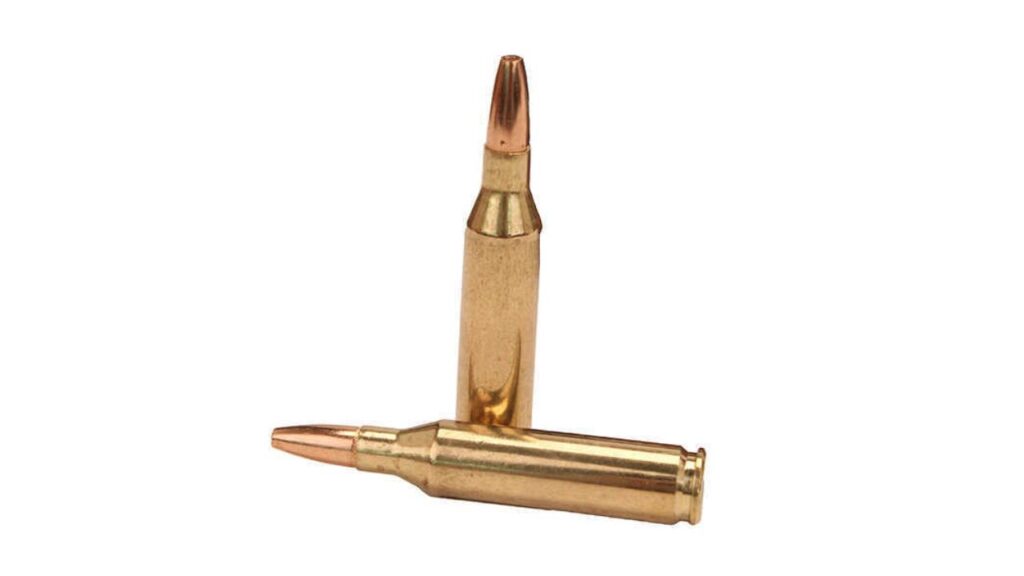
The .243 Winchester has a long reputation as a youth and starter cartridge, often promoted as both mild and humane. On thin-skinned deer, it can do fine with precise shots through the ribs. But the moment you face quartering angles or thicker-bodied game, its limitations show. Lightweight bullets at high speed often fragment quickly, failing to penetrate into vital organs. That means you might get a shallow wound channel instead of a clean kill.
Another issue is that many hunters push the .243 beyond its intended range. At extended distances, velocity drops off, and expansion becomes unreliable. Without expansion, a bullet may zip through without transferring enough energy. While the .243 is praised for accuracy, accuracy alone doesn’t kill. Unless bullet choice and shot placement are perfect, the caliber has a track record of producing wounded deer that run long distances before expiring—if they’re recovered at all.
.223 Remington
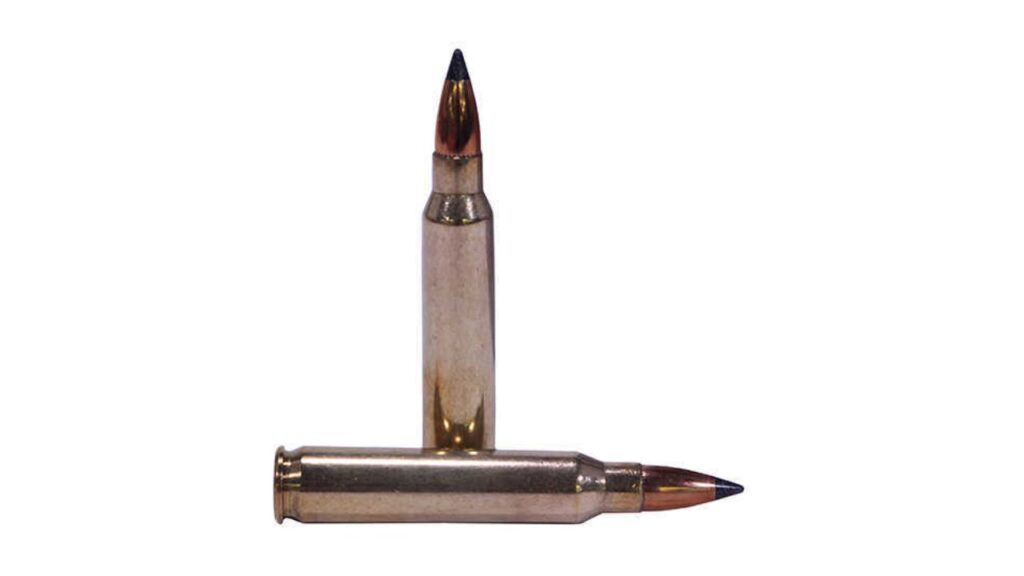
The .223 Remington is another cartridge often called humane, especially in states that allow it for deer. Proponents argue its accuracy and low recoil make for precise shot placement. But the caliber’s small bullet diameter and limited energy leave little margin for error. If your shot isn’t in the heart-lung area, the odds of wounding instead of killing rise quickly.
Many factory hunting loads for the .223 use lightweight bullets designed more for varmints than deer. These can fragment violently, creating shallow wounds that look dramatic but don’t reach vital organs. Even bonded or monolithic bullets, while better, still lack the mass for consistently quick kills on larger-bodied deer. At best, the .223 works on smaller deer under 150 yards with careful shot placement. At worst, it’s a round that cripples more than it kills, no matter how much people insist it’s humane.
.22-250 Remington
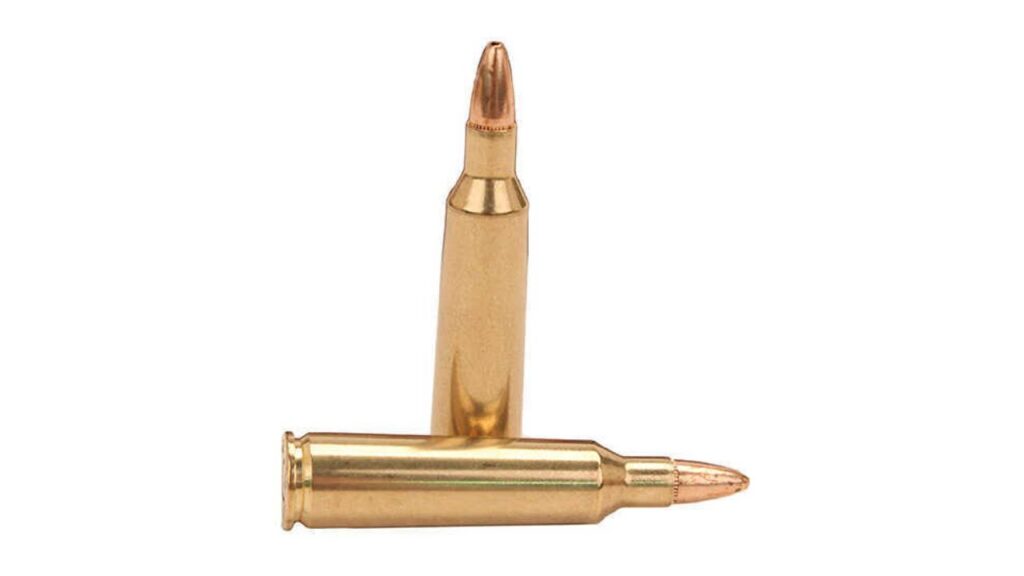
The .22-250 Remington is beloved as a varmint cartridge, but some hunters push it into deer territory, claiming its speed makes it humane. At close range, velocity is high enough to cause significant tissue damage, but that doesn’t always translate to clean kills. Lightweight bullets tend to explode on impact, dumping energy shallowly and leaving animals wounded.
The other problem is that speed drops rapidly past a couple hundred yards. Once velocity falls below expansion thresholds, the bullet may pencil straight through, creating narrow wound channels. That leaves you with long tracking jobs and poor blood trails. The .22-250 is excellent for coyotes and groundhogs, where shallow explosive damage is effective. But when it’s used on deer or anything bigger, its tendency to wound far outweighs its reputation as a “humane” choice.
6mm Creedmoor
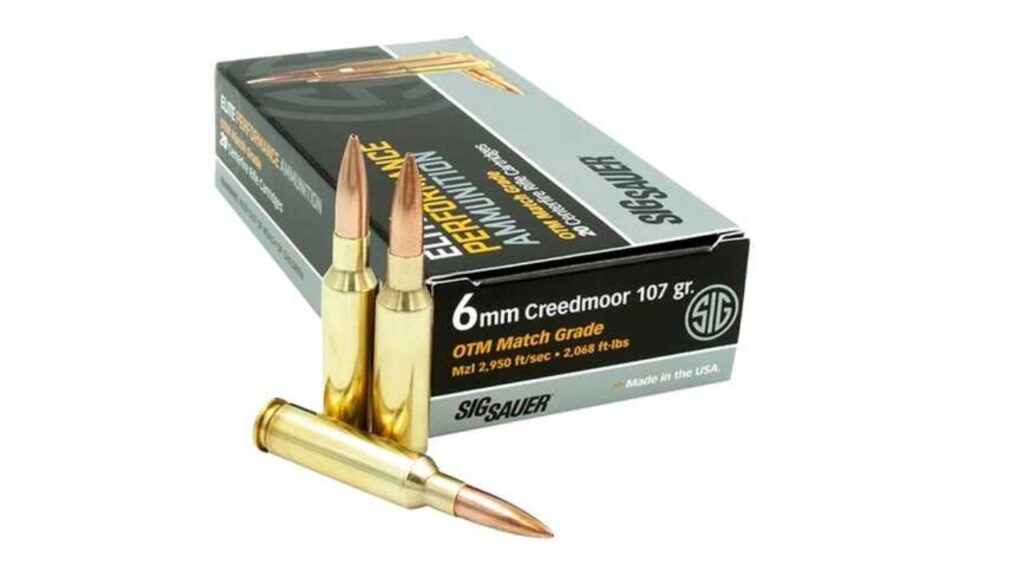
The 6mm Creedmoor is often pitched as a modern, efficient alternative to the .243. While it benefits from better bullet design and higher ballistic coefficients, it still struggles with the same limitations. Hunters like to call it humane because it shoots flat and recoils lightly. But against real bone and heavy muscle, its lighter bullets often fail to penetrate deeply enough.
Expansion is another weak point. High-BC bullets designed for long range sometimes don’t expand properly at hunting velocities. That means even if you connect, the bullet may slip through with minimal damage. For small deer in open country, it can work with precision. But the moment conditions are less than ideal, you run into wounding. Many hunters would be better off with a slightly heavier caliber that guarantees reliable performance, rather than trusting a 6mm to do a job it wasn’t built for.
.25-06 Remington
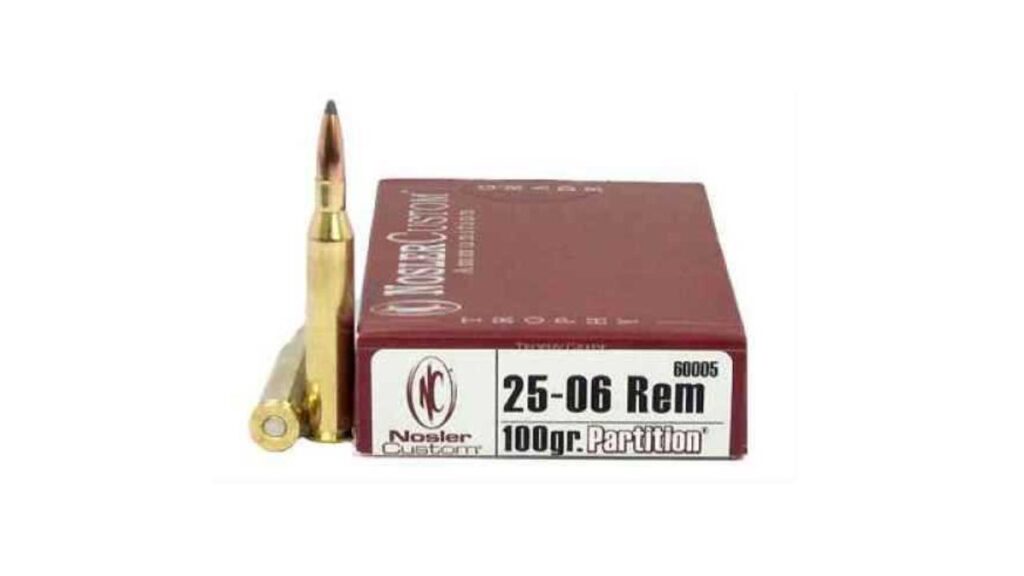
The .25-06 Remington gets plenty of praise for its flat trajectory and speed, leading some hunters to call it a humane deer cartridge. But the reality is that its high velocity often creates the opposite effect. Light 100-grain bullets can fragment quickly, resulting in surface wounds instead of deep penetration. Heavier bullets exist, but they often struggle to expand consistently at the cartridge’s long-range velocities.
While it has enough energy on paper, the balance between speed and bullet construction is tricky. Many hunters using factory ammo find themselves with unpredictable results—sometimes a deer drops instantly, other times it runs off with a poorly constructed wound channel. On thinner-skinned deer it can be serviceable, but calling it universally humane is misleading. When it fails, it often leaves wounded animals that are hard to recover, which undermines the very reason hunters claim it’s a good ethical choice.
.30 Carbine
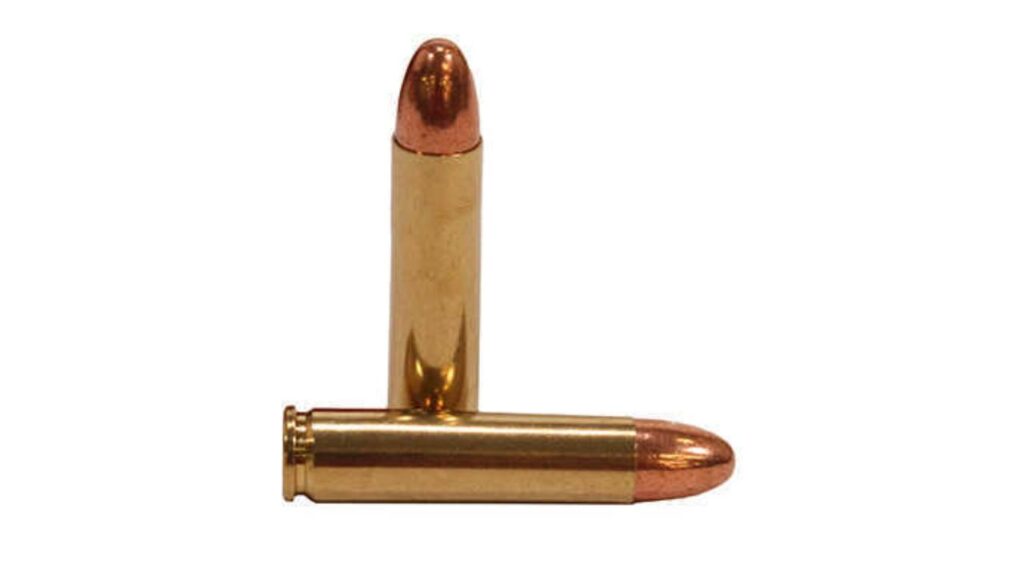
The .30 Carbine was never designed as a big-game hunting round, yet it’s been used on deer for decades by those who call it humane within short ranges. With soft-point loads, it can kill deer at close distances, but the margin for error is razor thin. Its modest velocity and energy don’t provide the kind of penetration you need on angled shots or larger-bodied animals.
When hunters push it beyond 100 yards, its flaws become obvious. Bullets fail to expand reliably, and penetration suffers further. Instead of dropping deer quickly, it often produces crippling shoulder or gut shots. While the .30 Carbine is handy and light recoiling, its record in the field shows it wounds far more often than it delivers instant kills. If your standard for humane hunting is consistency, the .30 Carbine falls short.
7.62x39mm
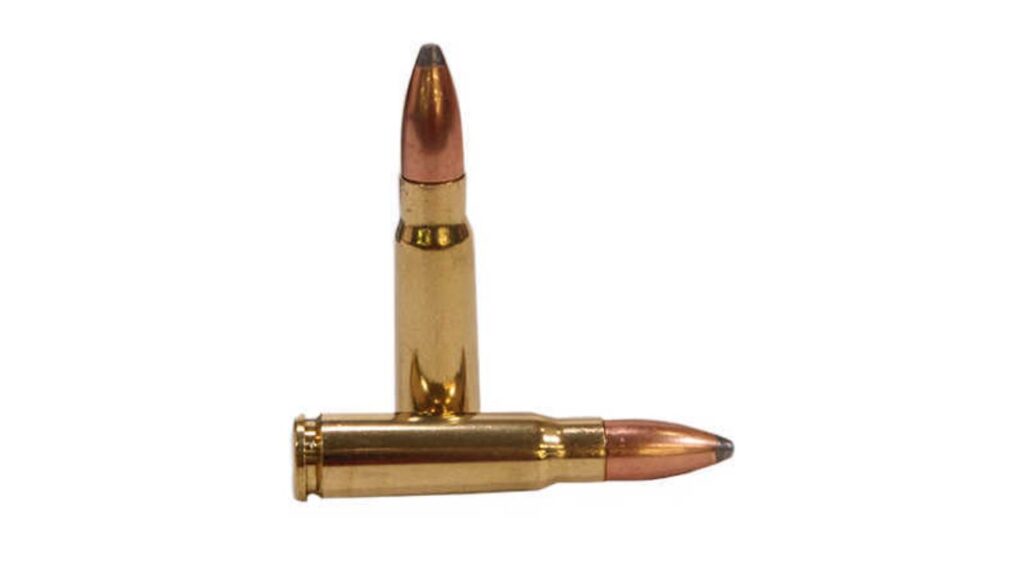
The 7.62x39mm is another cartridge hunters claim is humane, especially when paired with soft-point bullets. Within 100 yards, it does have the power to take down deer, but the problems start with bullet design and trajectory. Many loads are made for military or plinking use, not for controlled expansion on game. That means penetration and wound channels are inconsistent.
Even with purpose-built hunting ammo, its ballistics are limiting. The round sheds velocity quickly, making expansion unreliable past modest ranges. Combine that with less-than-ideal accuracy from many rifles chambered in it, and you get a cartridge that cripples more often than it kills. While it can anchor deer in perfect conditions, those conditions aren’t guaranteed. Calling it humane ignores the high percentage of wounded animals when it’s used outside its very narrow comfort zone.
.35 Remington
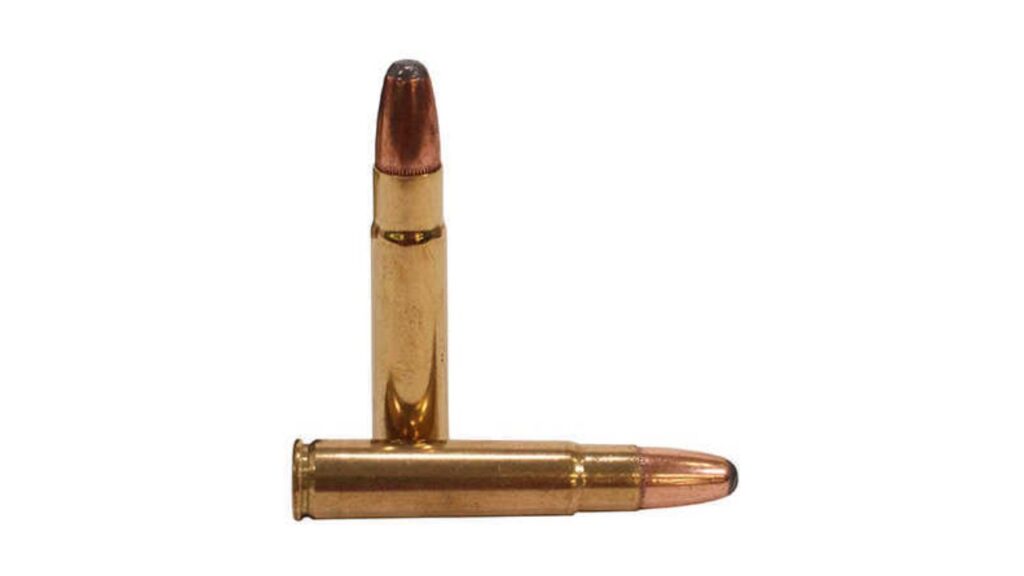
The .35 Remington has been a woods classic for decades, and plenty of hunters swear it’s a humane round for deer. At close range with broadside shots, it does fine. But the round’s moderate velocity and tendency to use soft bullets limit penetration. On big-bodied deer or when shots hit shoulder bone, it often fails to reach the vitals effectively.
Many who hunt with the .35 Remington overlook how narrow its performance window is. If you stay inside 100 yards and wait for perfect angles, it can do its job. Outside of that, it’s more likely to wound than kill quickly. Budget rifles chambered for it add to the inconsistency, with accuracy that sometimes leaves much to be desired. Its reputation comes from history, not modern performance standards, and while nostalgic hunters claim it’s humane, the evidence in the field says otherwise.
.22 Hornet
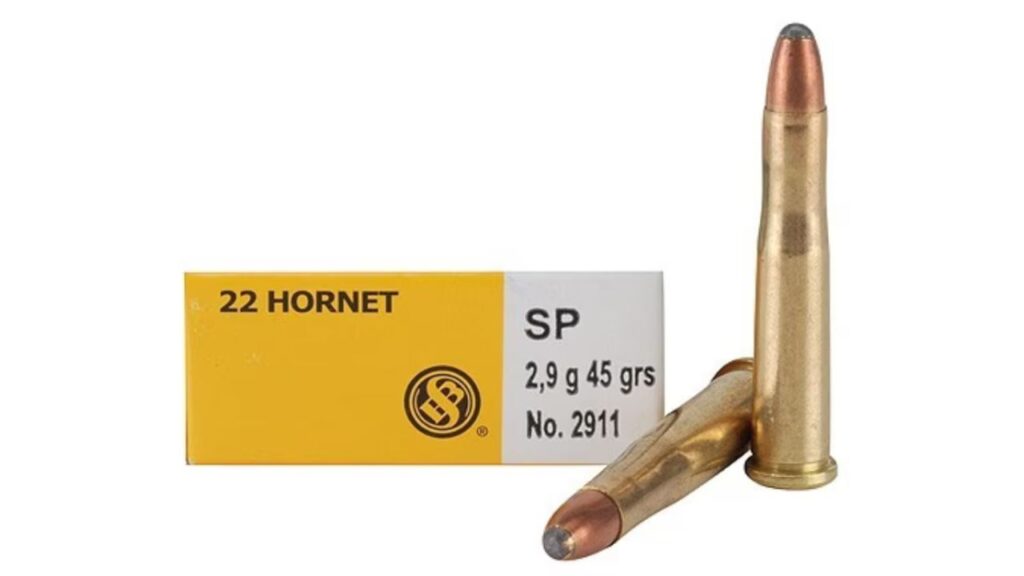
The .22 Hornet is frequently called humane for small deer in areas where it’s legal. Advocates point to its accuracy and low recoil, saying it allows for careful shot placement. But the reality is that the Hornet lacks the velocity and bullet weight to guarantee reliable penetration. Expansion is inconsistent, and wound channels are narrow, often failing to destroy vital tissue.
On smaller animals like foxes or coyotes, it works fine. But using it on deer is risky. Hunters who insist it’s humane usually cite the one perfect shot that worked, ignoring the many cases where it didn’t. The Hornet is underpowered for whitetails, plain and simple. Calling it ethical ignores the high risk of wounding, which shows up again and again when it’s pushed into roles it wasn’t designed for.
5.56 NATO
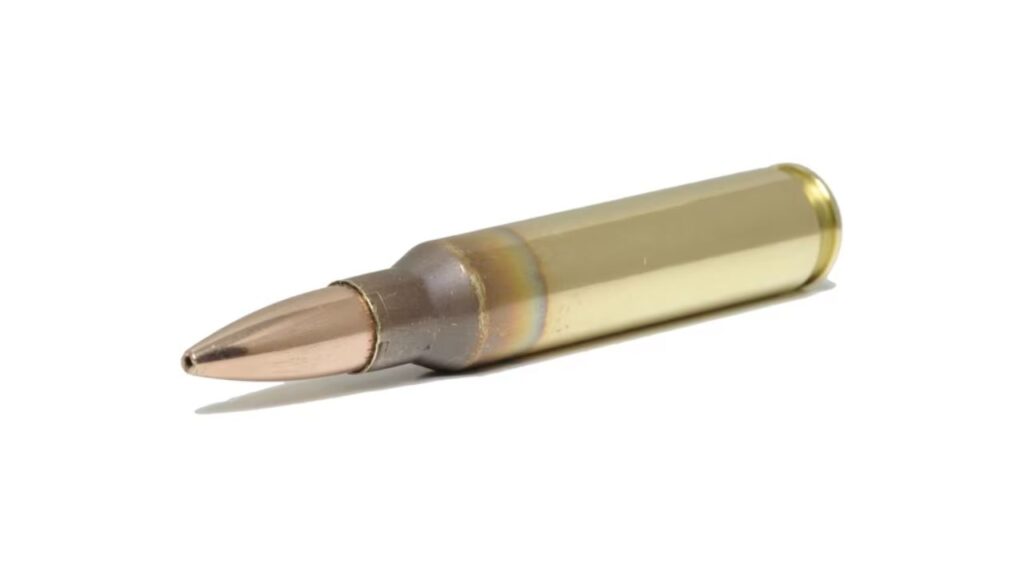
The 5.56 NATO shares the same flaws as the .223 Remington, though often with even tougher bullet construction that resists expansion. Many military loads are full metal jacket, which pencil through deer without doing enough damage. Even with soft-point or hollow-point loads, the round struggles to perform consistently on deer-sized game. Hunters who call it humane usually point to shot placement, but shot placement alone can’t fix lack of penetration.
At closer ranges with bonded bullets, the 5.56 can get the job done. But its performance drops off quickly with distance, and its limited energy makes quartering shots a gamble. Too often, it ends with wounded deer instead of clean kills. Hunters drawn to the cartridge for its availability and low recoil need to acknowledge its limitations. Labeling it humane is misleading—it can work in narrow conditions but too often results in crippled animals.
.32 Winchester Special
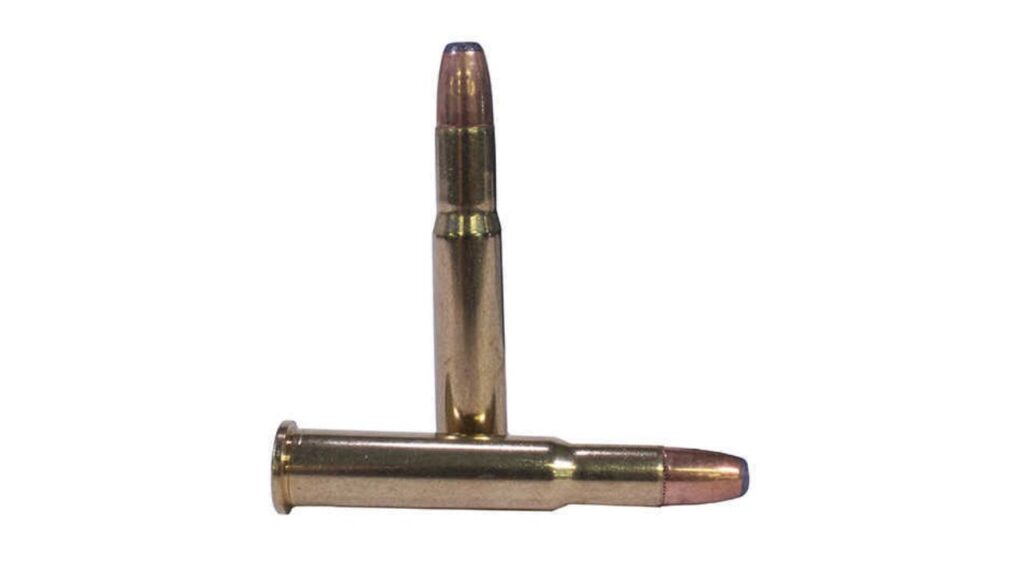
The .32 Winchester Special is often marketed as a step up from the .30-30, and hunters have long claimed it’s humane for deer in the woods. But field results tell a different story. Accuracy has always been a weak point for the .32, and when you pair that with its modest velocity, it often fails to deliver clean kills. The bullet design doesn’t offer much advantage over the .30-30, and in many cases, expansion is less reliable.
Hunters who rely on it often find themselves tracking wounded animals longer than expected. While it carries nostalgia and tradition, its actual terminal performance doesn’t match the reputation. Compared to modern cartridges or even budget bolt rifles in standard calibers, the .32 Winchester Special underdelivers. Calling it humane is a holdover from another era, but today, it shows more shortcomings than strengths in the field.
*This article was developed with AI-powered tools and has been carefully reviewed by our editors.