Photo credit: Little River Outdoorsman/YouTube
Modern handgun buyers usually want fast comfort. They want easy capacity, easy reloads, easy optics options, easy aftermarket support, and a gun that asks for as little adjustment as possible. Revolvers do not play that game. The good ones can still be accurate, dependable, and deeply satisfying, but they often demand more patience, more practice, and more honesty from the shooter. That alone is enough to push a lot of buyers back toward pistols that feel simpler to own on the surface.
That is what makes certain revolvers so interesting. They are not bad guns. In many cases, they are excellent guns. They just expect the owner to bring more to the table than today’s market usually likes to hear about. Grip control matters more. Trigger work matters more. Reloading matters more. These are the revolvers that still reward serious effort, but they ask for more of it than most modern buyers usually want to give.
Smith & Wesson Model 642

The Model 642 is one of the clearest examples of a revolver that looks easier than it is. Buyers see a lightweight, simple little carry gun and assume that simplicity means the gun will be easy to master. Then they get it to the range and learn the truth. The trigger is long, the sights are minimal, and the light frame makes recoil feel sharper than many people expect from a modest-looking revolver.
That is why this gun asks so much from the shooter. You need real trigger discipline, real practice, and a willingness to accept that a pocket revolver is not supposed to flatter you. It is supposed to be carried a lot and shot well only by someone who puts in the work. Many modern buyers want small and easy. The 642 is small, but it definitely is not easy.
Ruger LCR in .357 Magnum

A lot of buyers are drawn to the .357 LCR because it sounds like the smarter version of a snub revolver. Light gun, powerful chambering, great carry potential. On paper, that sounds hard to beat. In the hand, though, this is a revolver that immediately starts making demands. Full-house magnum loads are punishing in a gun this light, and even with softer ammunition, the shooter still needs strong fundamentals to run it cleanly and consistently.
That is the catch with guns like this. The revolver is not lying to you, but it is absolutely asking for commitment. You have to decide whether you really want the power badly enough to practice through the discomfort. A lot of modern buyers do not. They like the idea of a featherweight magnum much more than the reality of becoming competent with one.
Colt Detective Special
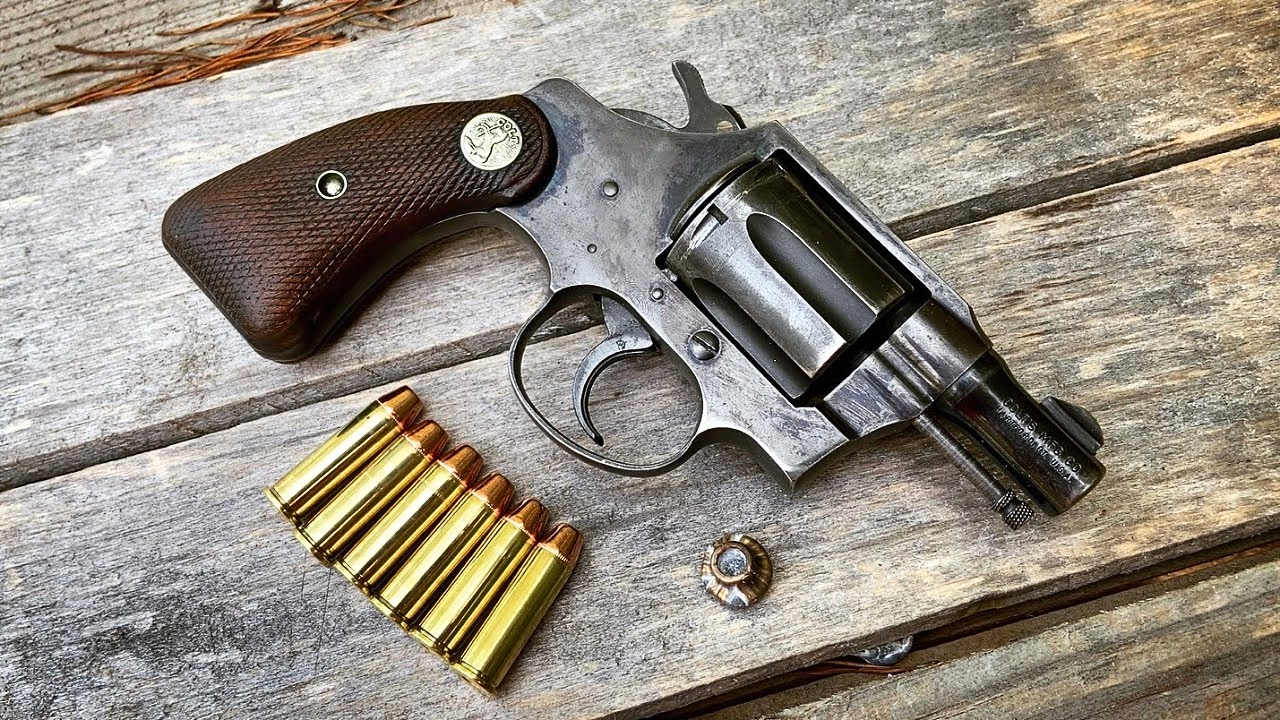
The Detective Special still looks like the kind of carry revolver people should naturally love. It has history, balance, and real-world usefulness, but it also expects the owner to meet it on its terms. Small-frame revolvers do not forgive sloppy trigger work, and the Detective Special is no exception. The sights are not there to save bad habits, and fast, accurate shooting still comes down to whether the shooter has truly learned the gun.
That is why it asks more than many buyers expect. A lot of modern concealed-carry buyers want a handgun that gives them immediate confidence simply because they bought it. The old Colt does not work like that. It gives you a very real carry gun, but it also expects time, patience, and regular practice. Without that, it becomes another admired revolver that rarely gets run well.
Smith & Wesson Model 19

The Model 19 is one of the best-balanced revolvers ever made, but that should not fool anyone into thinking it is a casual-owner gun. A K-frame .357 asks the shooter to understand what the gun is actually for and how to handle it well. Magnum loads are serious in this frame size, and the gun rewards people who learn to shoot double action properly rather than treating it like a range toy to be admired more than mastered.
That is where modern buyers often fall off. They want the romance of a classic .357 without the discipline that comes with it. The Model 19 gives you a lot if you are willing to bring that discipline. If not, it can quickly become one more handsome revolver that mostly lives on reputation. It still rewards serious shooting, but it definitely expects serious shooting in return.
Ruger Blackhawk
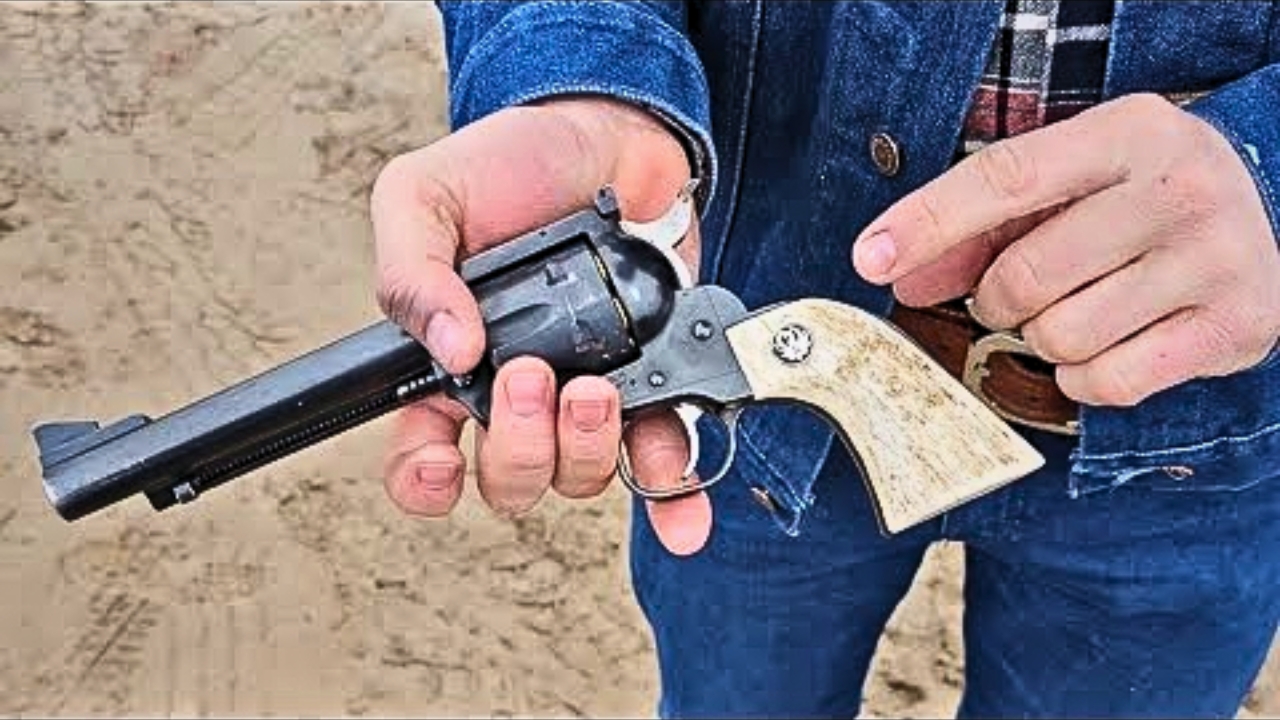
The Blackhawk asks more from the shooter because it slows everything down and removes a lot of the shortcuts modern buyers are used to. Single-action revolvers demand attention. Loading is slower, operation is slower, and every shot feels more deliberate. That is part of the appeal for the right shooter, but it also turns off people who want a handgun to feel instantly flexible in every role without demanding much adaptation.
A Blackhawk also expects the owner to understand the rhythm of the gun and to appreciate shooting as a skill rather than a convenience. Modern buyers often want speed and ease first. The Blackhawk wants involvement first. That difference is exactly why some people love it for life and others lose patience with it almost immediately. It is a rewarding revolver, but it absolutely makes you earn that reward.
Smith & Wesson Model 27

The Model 27 is a serious revolver in every sense, and that seriousness can be more than many buyers actually want. It is large, heavy, and built around full-power magnum performance that does not really care whether the shooter is feeling prepared that day. It is not a revolver that tries to make itself seem lighter, smaller, or more convenient than it really is. That honesty is part of its appeal.
It is also what makes the Model 27 demanding. You have to be willing to learn a substantial revolver, manage real recoil, and appreciate that a gun like this does not fit neatly into modern “one handgun for everything” thinking. A lot of buyers want capability with fewer tradeoffs. The Model 27 offers capability with very clear tradeoffs, and that is a harder sell in today’s market.
Ruger GP100 Wiley Clapp
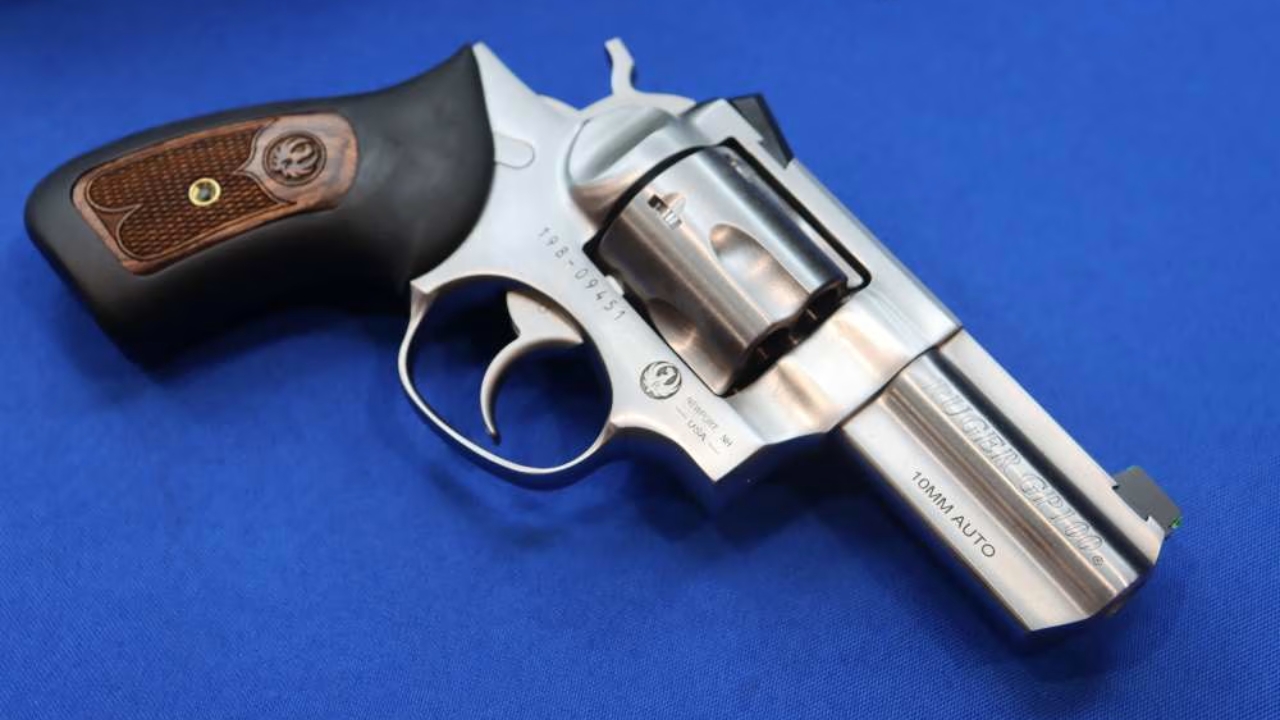
The GP100 Wiley Clapp has the kind of name and layout that attracts buyers who think they are getting a polished, semi-custom answer to the revolver question. In some ways, they are. But it still remains a GP100 at heart, and that means it expects a shooter willing to learn a real double-action revolver. It is not light, not tiny, and not set up to flatter weak habits under pressure.
That is why it asks more than many buyers expect. You do not buy this revolver and instantly bypass the need for real practice. You still need to learn the trigger, learn the reloads, and learn how the gun moves in recoil. Modern buyers often want the right gear to do the work for them. The Wiley Clapp version may be refined, but it still insists the shooter carry their end of the deal.
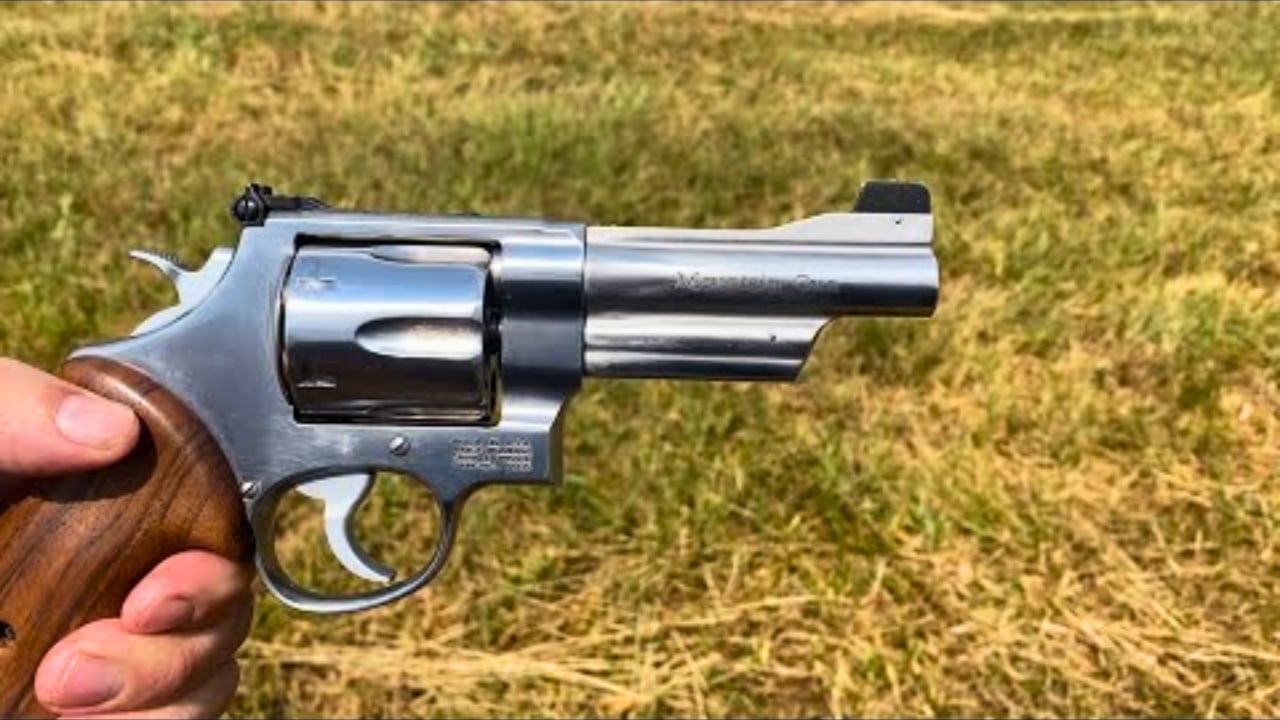
Smith & Wesson Model 629 Mountain Gun
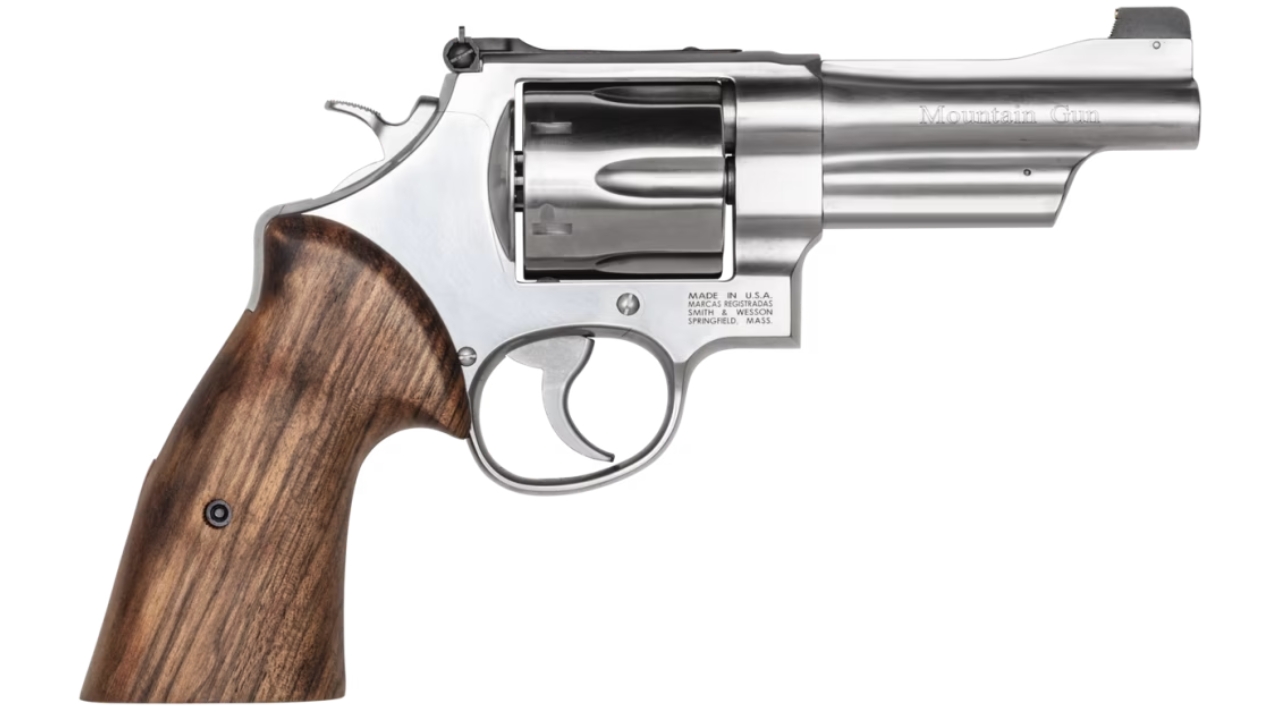
The Mountain Gun has a very tempting idea behind it. Big-bore authority in a revolver that carries easier than a heavier N-frame. Buyers love that concept because it sounds like a compromise-free answer for the woods. The problem is that lightening a .44 Magnum does not erase what .44 Magnum feels like. It just means the shooter has more to manage when the hammer falls.
That is exactly why this revolver asks more than most buyers want to give. You need real recoil tolerance, real practice, and a realistic understanding of what a lighter magnum revolver demands. Modern buyers often love the portability part and underestimate the training part. The Mountain Gun still makes a strong case, but only for someone willing to meet it halfway with real effort.
Colt Single Action Army
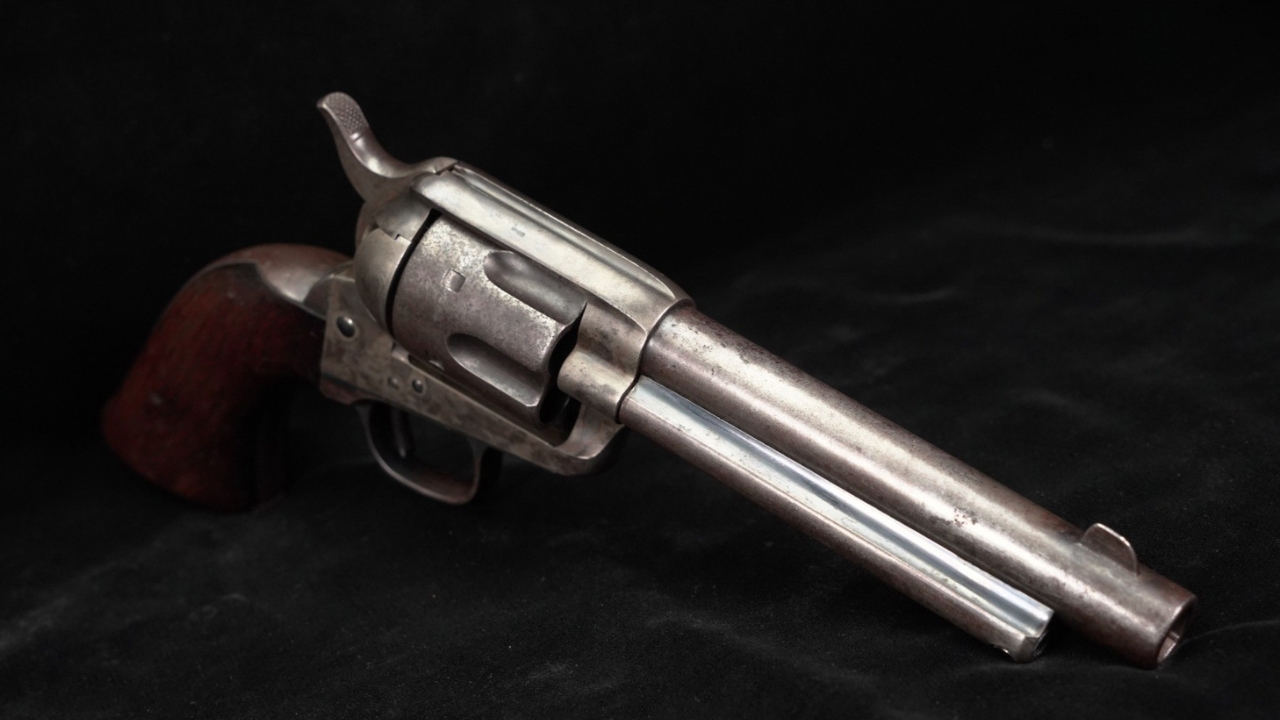
The Single Action Army is one of the most iconic revolvers ever made, but it is also one of the clearest examples of a gun that expects the owner to accept an older way of doing things. Loading is slower, operation is slower, and the manual of arms is not trying to be modern. That is part of why it remains so compelling, but it is also why many buyers never go much farther than admiration.
To really appreciate this revolver, you have to stop wanting it to behave like a current defensive handgun. You have to enjoy deliberate shooting, accept the limitations, and understand the appeal beyond pure efficiency. That is a big ask in a market where buyers are trained to expect handguns to fit every role cleanly and quickly. The Single Action Army does not bend for that mindset. It expects the shooter to bend instead.
Smith & Wesson 360PD

The 360PD is a brutal little lesson in the difference between carrying comfort and shooting comfort. Buyers see an incredibly light revolver in a powerful chambering and immediately imagine the perfect carry package. Then they shoot it. The recoil is sharp, the gun is unforgiving, and the whole experience reminds you that physics still gets a vote no matter how attractive the concept may look in the case.
That makes it one of the clearest “asks more from you” revolvers around. To run this gun well, you need discipline, tolerance, and a willingness to practice with something that will not exactly beg you to stay for another box of ammo. A lot of modern buyers want maximum convenience without paying the training cost. The 360PD makes that fantasy disappear quickly.
Ruger Vaquero

The Vaquero asks more from the shooter because it expects the buyer to actually enjoy a single-action revolver for what it is, not just for how it looks. Plenty of people are drawn to the western styling, the handling, and the sheer personality of the gun. Then they realize the slower loading process, fixed sights, and cock-the-hammer shooting rhythm are not things they can half-commit to and still fully appreciate.
That is what makes the Vaquero so revealing. It tells you quickly whether you like the idea of old-school revolvers or the reality of them. Modern buyers often want novelty without inconvenience. The Vaquero offers novelty and inconvenience together, and the buyers who stay loyal are usually the ones who understand that those inconveniences are part of the whole point.
Taurus 856 Defender
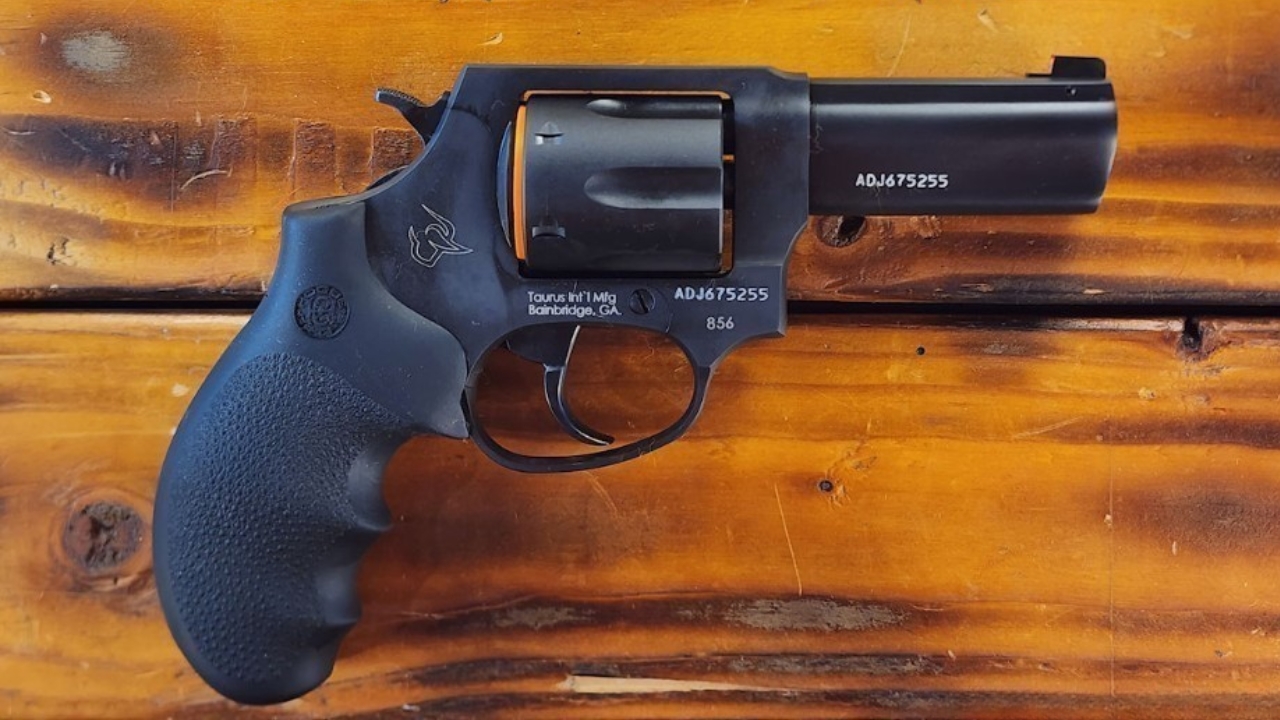
The 856 Defender gets attention because it looks like a practical modern revolver answer. Better sights, workable size, extra round capacity compared to older five-shot snubs. It sounds like a gun that bridges the gap between old-school revolver carry and what modern buyers want. But it still remains a compact double-action revolver, which means it still demands more skill than many buyers expect going in.
That is the lesson with this gun. The added features do help, but they do not remove the need for real trigger control, real reload work, and real range time. A lot of modern buyers want the revolver to become easier simply because it has a few smarter touches. The 856 Defender is more forgiving than some older snubs, but it still expects much more from the owner than a lot of current buyers are prepared to give.
Smith & Wesson 625

The 625 proves that a revolver can be fast and modern-minded in some ways while still asking a lot from the shooter. Yes, moon clips speed things up. Yes, .45 ACP gives it a different feel than a magnum wheelgun. But it is still a large revolver with revolver demands. The shooter still has to master double-action work, still has to learn reload mechanics properly, and still has to understand the platform rather than expecting it to mimic a semiauto.
That makes it a revolver that rewards knowledgeable owners more than casual buyers. Many modern shooters see the moon clips and assume the whole gun becomes easy from there. It does not. The 625 is excellent, but it expects more technical familiarity and more skill than many people first assume. That is exactly why serious shooters respect it and casual buyers often drift away from it.
Freedom Arms Model 83
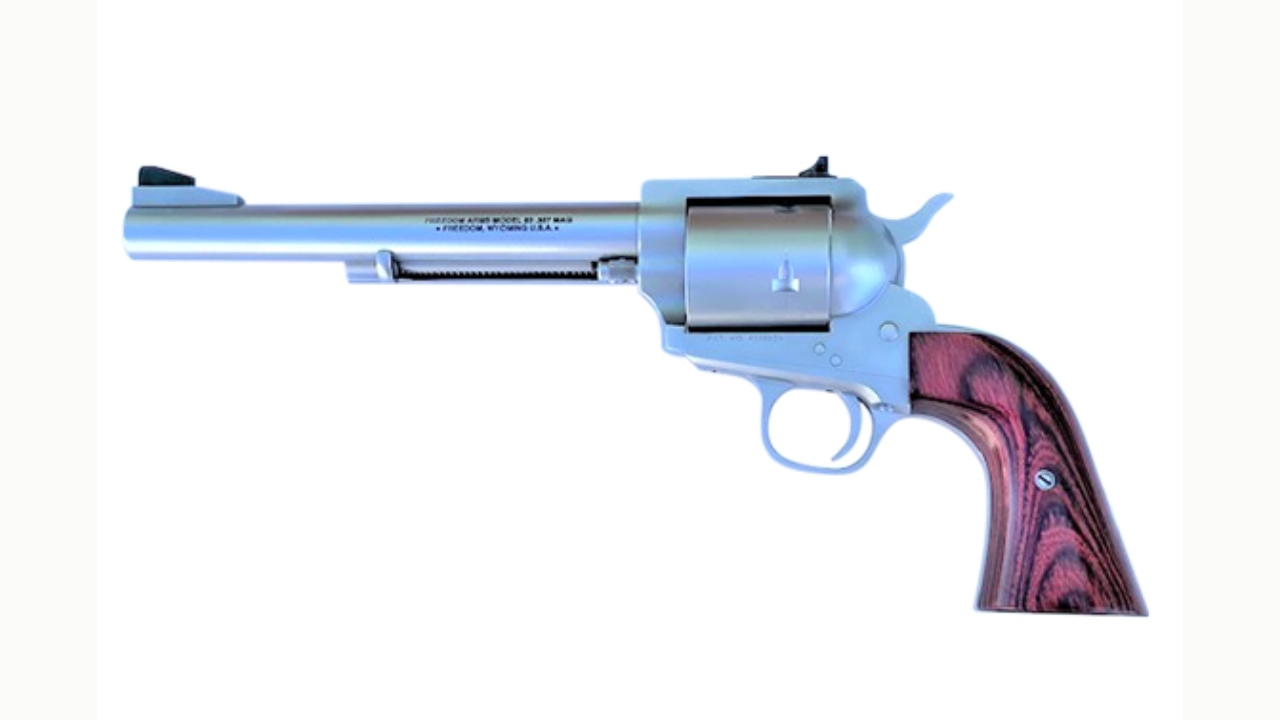
The Model 83 asks a tremendous amount from the owner because it is not interested in being casual about anything. It is a premium single-action revolver usually chambered in cartridges with real authority, and it expects the shooter to arrive with patience, discipline, and a serious understanding of what they are buying. This is not the kind of revolver people grow into accidentally. It usually takes intention from the start.
That is also why it stands apart. A lot of modern buyers want premium gear that still feels easy and forgiving. The Model 83 is premium, but it is not trying to soften the experience into something universally friendly. It rewards deliberate ownership, careful shooting, and genuine respect for the platform. That is a hard sell to buyers who want instant comfort, but for the right shooter it is part of the appeal.
Smith & Wesson Model 686 Plus
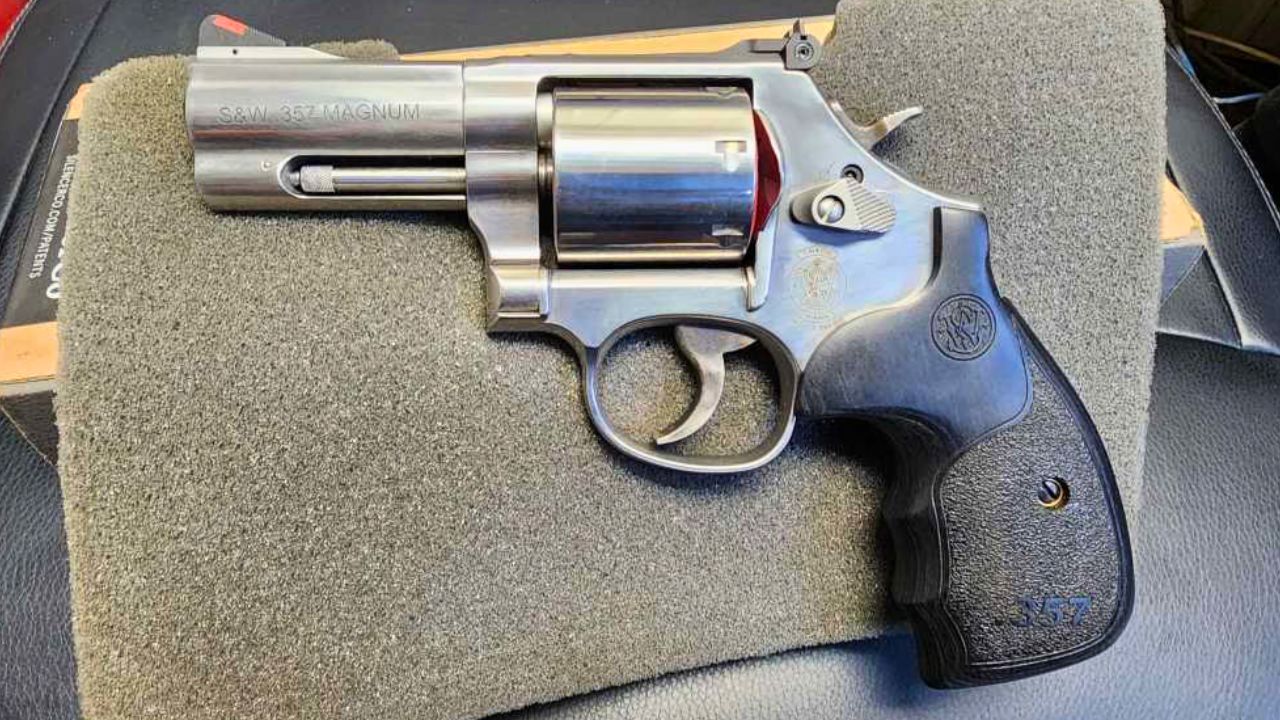
The 686 Plus may be one of the most approachable revolvers on this list, but it still asks more than many modern buyers truly want to give. People see a seven-shot .357 with a strong reputation and assume that the revolver’s good manners will somehow eliminate the learning curve. They forget that even a very well-balanced wheelgun still expects a shooter to master double action, reload under pressure, and stay honest about practice.
That is the thing about good revolvers. Their quality can make them look easier than they are. The 686 Plus rewards effort beautifully, but it still requires effort. A lot of modern buyers want a handgun that starts paying them back immediately. The 686 Plus does pay you back, but only after you have invested the kind of consistent work that many current buyers would rather avoid.
Like The Avid Outdoorsman’s content? Subscribe to our newsletter so you never miss an article.
Here’s more from us: