Photo credit: By U.S. Air Force photo by Tech. Sgt. Jeremy Allen – Public Domain, /Wikimedia Commons
Some cartridges do great up close. They hit hard, fly fast, and group tight out to a hundred yards. But start stretching them beyond that, and things change. Drop increases. Energy falls off. Wind starts pushing them around. That’s where you separate the cartridges that keep their punch from the ones that fade out. These aren’t bad rounds—not by a long shot. But they all have a limit. When you go beyond that comfort zone, you’ll start seeing misses, wounding hits, and trajectories that feel like they were written by gravity itself. Whether you’re punching paper, ringing steel, or chasing game across open country, you need to know where a round starts to lose its edge. These are the calibers that tend to give up too much once the distance gets long—and if you’re planning to shoot past 250 or 300 yards, they’ll make you work harder than they’re worth.
.30-30 Winchester
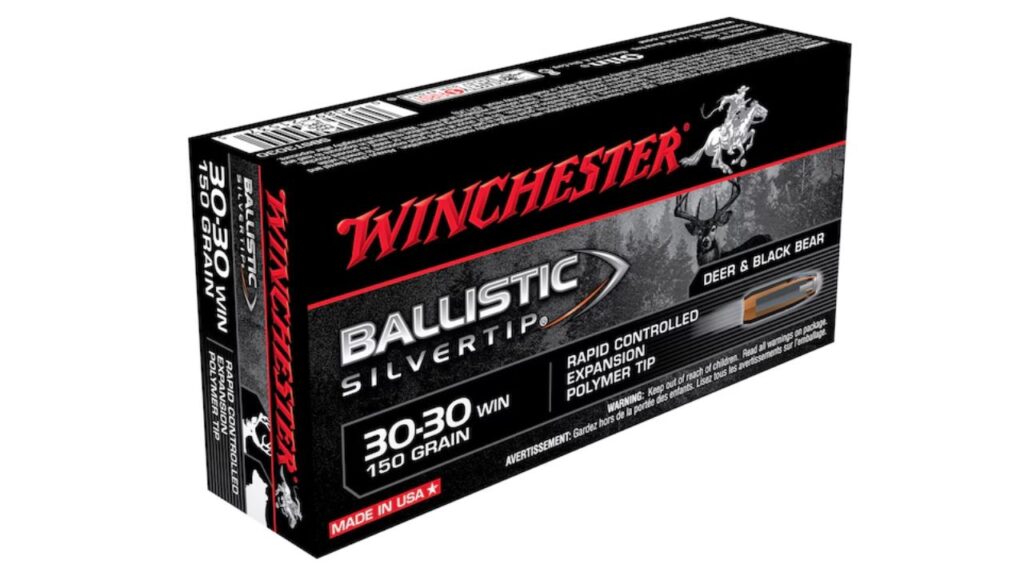
The .30-30 has filled more freezers than most rounds out there, but once you start pushing past 150 yards, it’s working hard to keep up. With its blunt-nose bullets and moderate velocity, drop and wind drift show up fast. Most factory loads run around 2,200 fps, and that slow start means it loses steam quickly.
It’s great in the woods, ideal for brush or stands, but when you’re looking across open country, the limitations start showing. You’ll need serious holdover past 200, and even then, it’s not delivering much energy on impact. It’s not that the round won’t reach—it’s that it drops like a rock and doesn’t buck the wind well. If you’re hunting at longer ranges or looking for consistent hits beyond 250, the .30-30 becomes more guesswork than guarantee. It’s one of those cartridges you trust in tight quarters—but you keep something else handy when the field stretches wide.
.45-70 Government

There’s no denying the .45-70 hits hard up close. It’s legendary for a reason. But the moment you start stretching it out, the rainbow trajectory becomes a real obstacle. Even the hotter loads out of modern rifles start dropping fast past 150 yards. At 300 yards, you’re looking at more than a foot and a half of drop—and that’s if the wind isn’t pushing it around.
This round was built in the black powder era, and its roots still show. It carries a lot of energy, but it’s slow and heavy, which makes it tough to use for precise shots at distance. You can lob it into a big target if you’ve practiced a lot, but that kind of guesswork doesn’t work well for ethical hunting. If you’re shooting past 200, the .45-70 starts acting more like a mortar than a rifle round. It’s fun and powerful—but not built for reach.
.300 Blackout
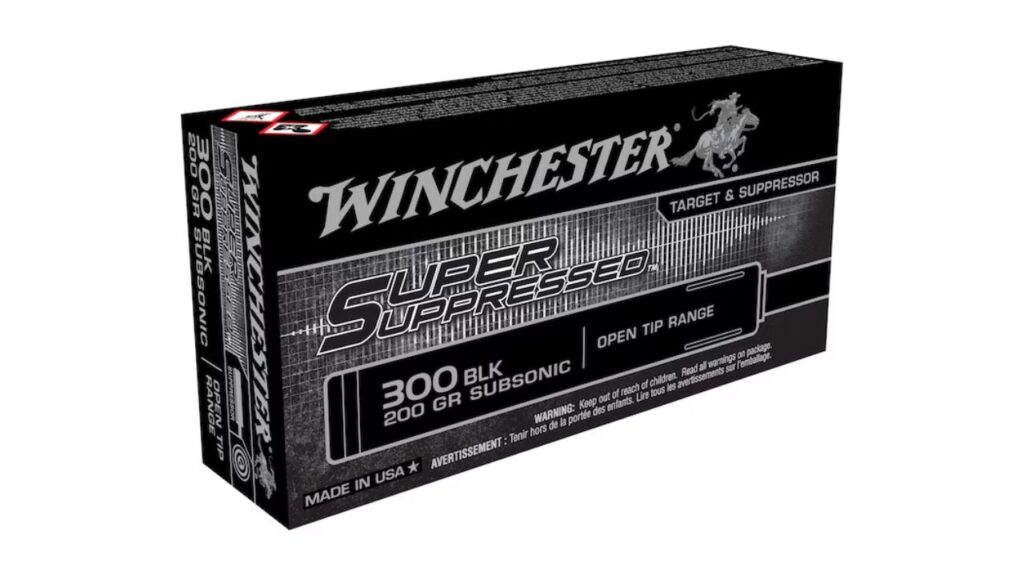
The .300 Blackout is fantastic in close-quarters setups, especially suppressed. But that performance drops off fast once you go long. Subsonic loads barely carry past 150 yards without serious drop and wind drift. Even supersonic rounds—especially the lightweight 110- to 125-grain bullets—lose velocity and energy quick past 200.
The round was designed for short barrels and quiet operation, not long-range performance. Ballistically, it behaves more like a fat .30-cal pistol round once you pass 250 yards. The trajectory steepens, the energy fades, and accuracy gets a lot harder to hold onto. You’ll spend more time adjusting for wind and elevation than actually focusing on the shot. It’s a handy cartridge for home defense or hog hunting in the brush—but when you start shooting across pastures or ridgelines, you’ll wish you’d brought something built to go the distance.
.223 Remington
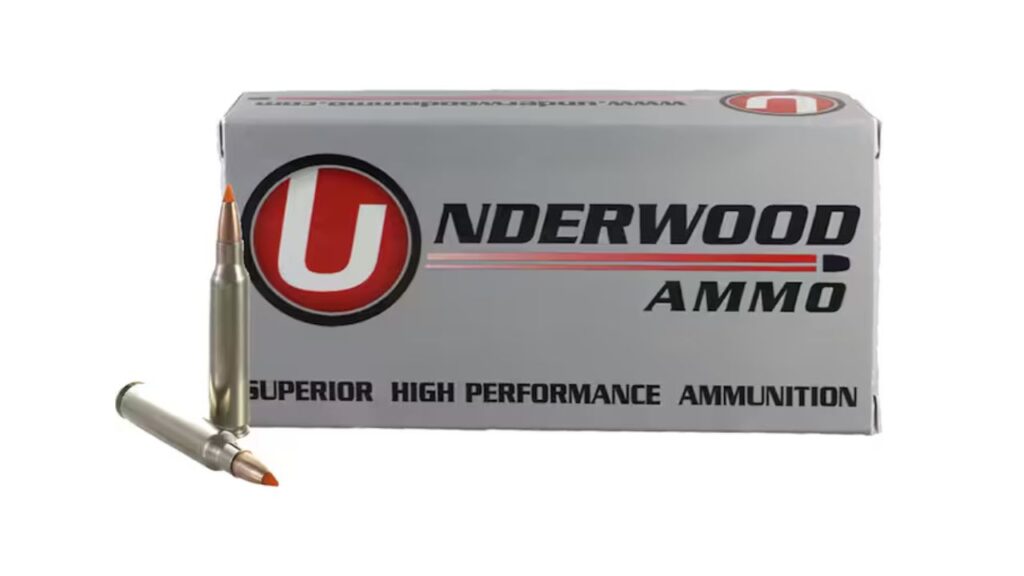
The .223 is accurate, easy to shoot, and works great out to 200 or so. But start pushing it beyond that—especially with lightweight 55-grain bullets—and the problems begin. Wind drift becomes a major factor. Energy drops off fast. And even small shifts in breeze start pushing your shot further than you’d expect.
With heavy match bullets, you can stretch it further, but even then, it doesn’t hit hard enough to be reliable on bigger game. At 300 or 400 yards, it takes a precise shooter and perfect conditions to stay consistent. For varmint work or paper, it’s manageable—but it requires more finesse than most folks want to deal with when the range stretches. The .223 is excellent inside its comfort zone. But if you’re heading out into the open and thinking about longer shots, you’ll feel its limitations fast.
7.62x39mm
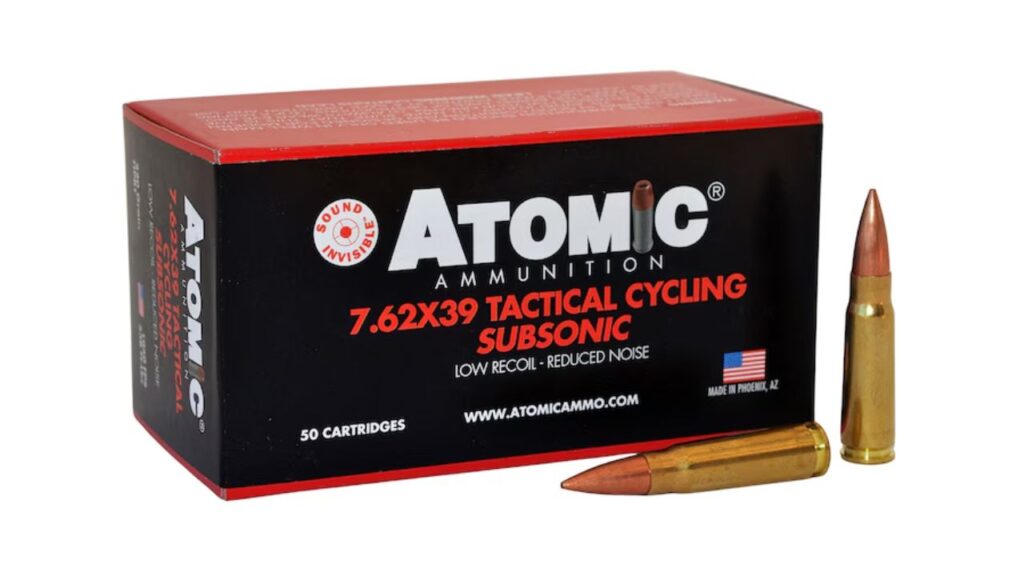
The 7.62×39 is fine for close-range hunting or plinking, especially out of AKs or SKSs. But once you go beyond 150 yards, the drop and group spread make life difficult. The round flies slow and loses velocity quickly. Its arc past 200 is nothing short of dramatic, and with its stubby projectile, wind plays havoc with it.
Most loads aren’t known for their accuracy to begin with. Combine that with poor BC and less-than-stellar factory ammo, and you’re working with a cartridge that’s better for close work than precision. Yes, it’ll kill a deer at 100 yards. But at 250 or more, the shot becomes more of a lob than a laser. If you’re planning for longer shots—especially in wind—you’re going to be fighting this round the whole way. It’s capable in a narrow window, but when you stretch the distance, it fades fast.
.35 Remington
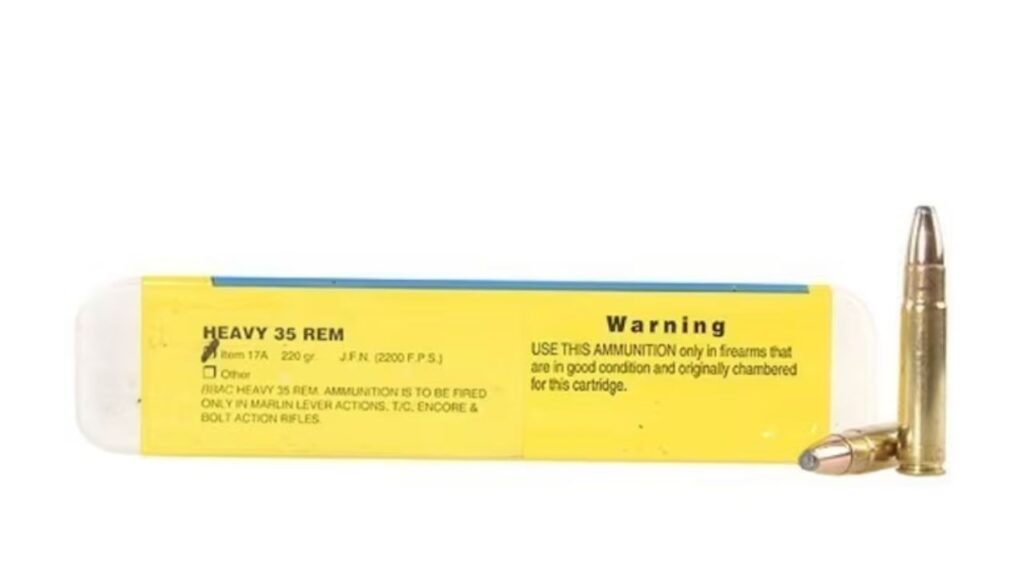
The .35 Remington is great for thick woods and under-100-yard shots, but it runs out of gas quickly. With most loads topping out around 2,000 fps, it starts dropping fast after 125–150 yards. The bullet itself is heavy and blunt, so it sheds velocity faster than a modern spitzer.
Wind doesn’t do it any favors either. If you’re trying to make shots past 200 in anything but perfect weather, you’ll be struggling with drop and drift. It’s a classic cartridge with a lot of history, and for short-range hunting, it still holds its own. But once you step out into open country or try to use it like a modern mid-range round, you’ll feel the limitations quick. It’s hard to argue with the nostalgia—but there’s a reason you don’t see folks ringing steel with it at 300 yards. It’s a short-game caliber, and it reminds you of that every time the range gets long.
.44 Magnum (from a rifle)

When you fire .44 Magnum out of a lever-action rifle, you get a little boost in velocity and a lot of close-range punch. But after about 100 yards, the wheels start to fall off. The bullet is heavy and slow, and that means the trajectory turns into a steep arc fast. Past 150 yards, you’re working hard to hold elevation, and wind drift becomes surprisingly noticeable.
Even with flat-nose or hollow-point hunting loads, energy drops off faster than most folks expect. You can kill deer with it, sure—but it’s not a round that forgives much at longer distances. A lot of hunters get excited about the combo of a handy rifle and a big-bore cartridge, but after a season of trying to make shots past 200 yards, they often go back to a flatter-shooting round. The .44 Magnum does fine in the woods. But if you’re trying to shoot across canyons or clearings, it fades fast and punishes mistakes.
.22 Magnum
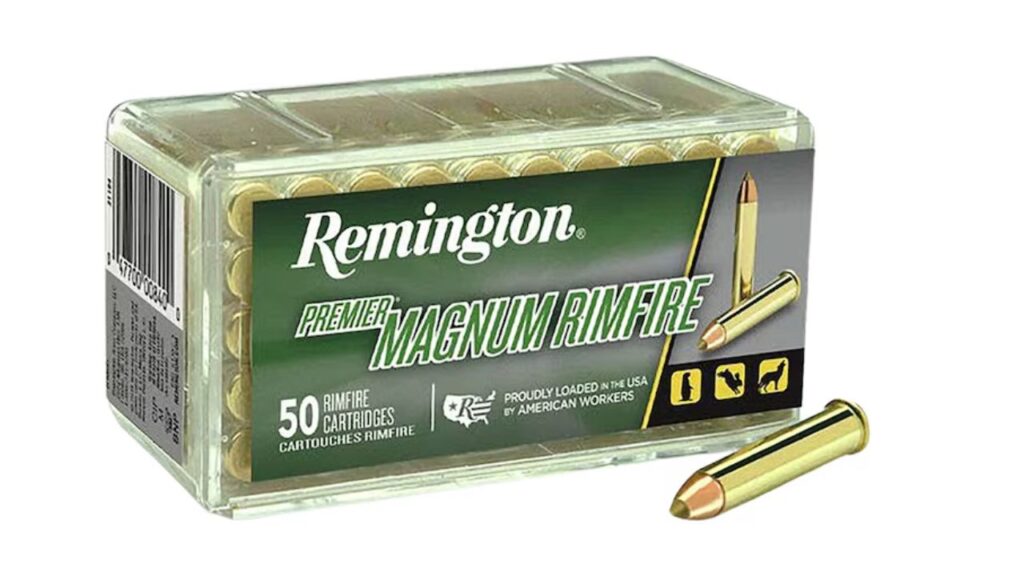
The .22 WMR is a fun and versatile rimfire that works great for small game and close-range predators. But once you start stretching it past 125–150 yards, you’re really pushing its limits. Most loads start off fast but bleed velocity quickly. The ballistic coefficient is low, so drop and wind drift stack up fast.
At those longer ranges, even slight wind starts nudging your shots off target. And energy-wise, you’re not delivering much. A coyote hit at 200 yards might run far, even with a solid hit. Bullet choice matters here, but even the best rounds struggle to stay consistent past mid-range. It’s a capable round in its lane, but when the distances grow, you’re asking a lot from a rimfire that wasn’t designed for long shots. If you’ve ever tried to thread a shot at 200 yards with a .22 Mag in a crosswind, you already know how frustrating it can be.
.25-20 Winchester
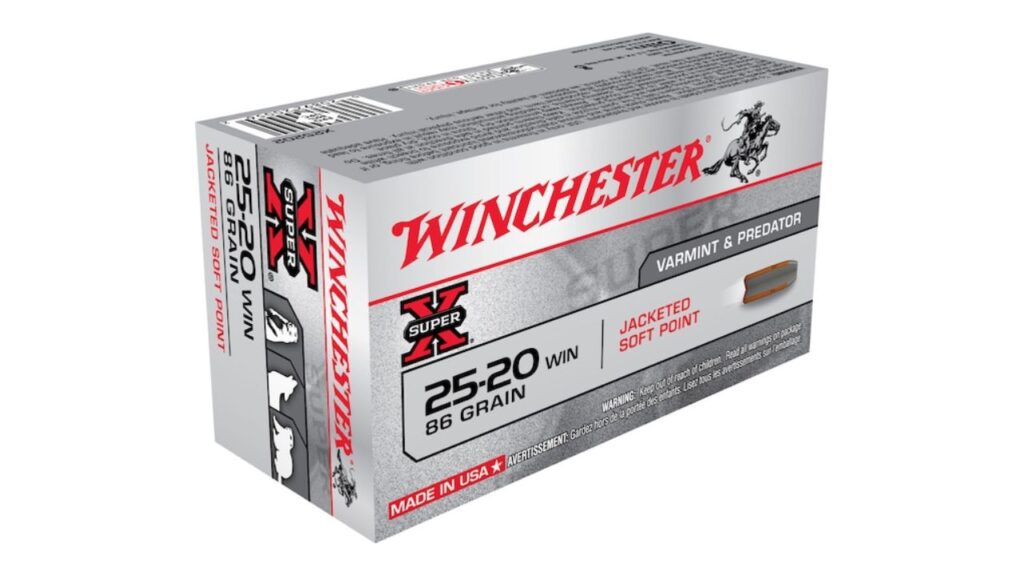
The .25-20 is an old-school round with a small following, mostly among collectors and folks who enjoy lever guns. But when it comes to performance at range, it hits a hard wall quickly. Most loads are moving under 2,000 fps with light bullets. That slow start and soft construction make it ill-suited for anything past 100 yards.
Even with the best loads, you’re dealing with heavy drop and wind that pushes the bullet around like a leaf. Energy on target falls off quick, and expansion becomes unreliable. If you’re using it on varmints or small predators at close range, it can work. But the second you step out beyond the comfort zone, misses pile up and impact effectiveness drops off hard. It’s a cool cartridge to shoot, and it’s part of lever gun history—but once the range stretches, the .25-20 feels like it’s running on fumes.
.32 Winchester Special
The .32 Winchester Special was intended to sit somewhere between the .30-30 and .35 Remington, and it did fine in its day. But it’s another round that starts to struggle once you step out past 150 yards. It’s not a flat shooter, and the BC of most bullets in this caliber is poor, which means it doesn’t carry well.
Accuracy can be okay up close, but wind and drop catch up to it fast. It’s good in the woods, but if you’re trying to make shots across fields or big openings, you’ll feel the round start to fall behind. A lot of folks who used it years ago have since upgraded to cartridges that hold trajectory better and resist wind drift. The .32 still has some fans, but if you’re trying to reach past 200 with confidence, this isn’t the round that’ll get you there.
.22 Hornet
The .22 Hornet is lightweight, soft-kicking, and fun to shoot—but it was never meant for distance. Past 150 yards, you’ll start seeing the drop stack up fast. It loses velocity quickly and doesn’t handle wind well. The bullets are light, and while they can expand nicely on varmints, they don’t have the sectional density to maintain course or punch through.
You might be able to push it further with handloads and the right barrel, but for most shooters, it fades hard once the range stretches. Small targets like prairie dogs become difficult to hit consistently, and coyotes often run off with marginal wounds. The Hornet is great for what it was made for—close-range varmints in calm conditions. But start stepping it out to 200 or beyond, and you’ll feel every bit of its age and design limits.
.410 Bore (slug)
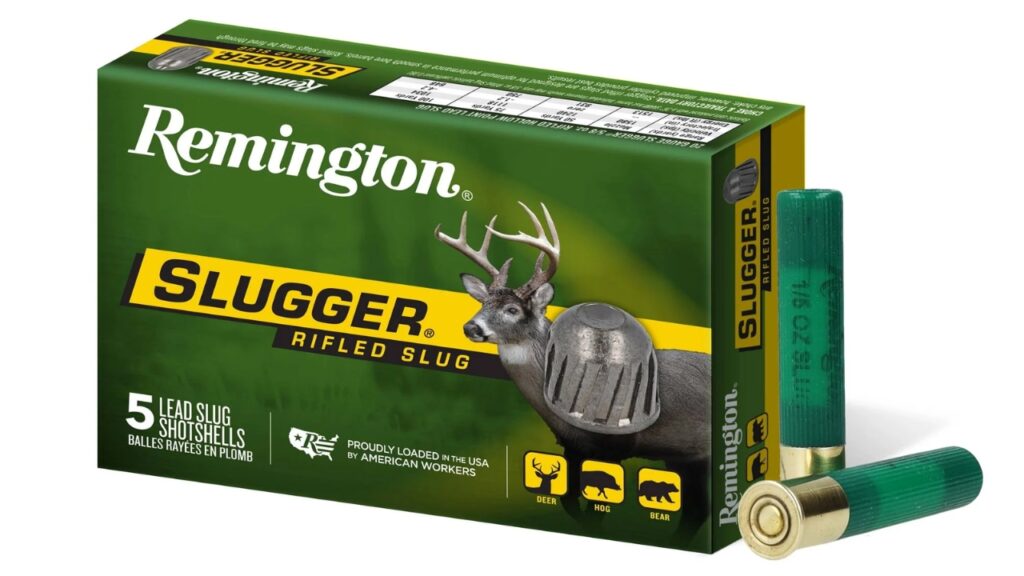
Yes, it’s technically a shotgun round—but it gets used in rifle-like applications enough to be worth mentioning. The .410 slug is often chosen for its low recoil and youth-friendly size, but it’s painfully limited once the range opens up. Most slugs drop hard after 75–100 yards and shed energy fast.
Hitting a deer-size target at 125 yards with a .410 slug takes serious guesswork. The slug isn’t flying fast or flat, and even a slight wind can push it off course. Energy on impact can be dangerously low, especially if the shot placement isn’t perfect. Plenty of deer have been taken with a .410—but if they weren’t inside bow range, the odds of recovery drop sharply. If your hunt might require even moderate distance, the .410 slug is one of the first rounds to fall off the list.
*This article was developed with AI-powered tools and has been carefully reviewed by our editors.