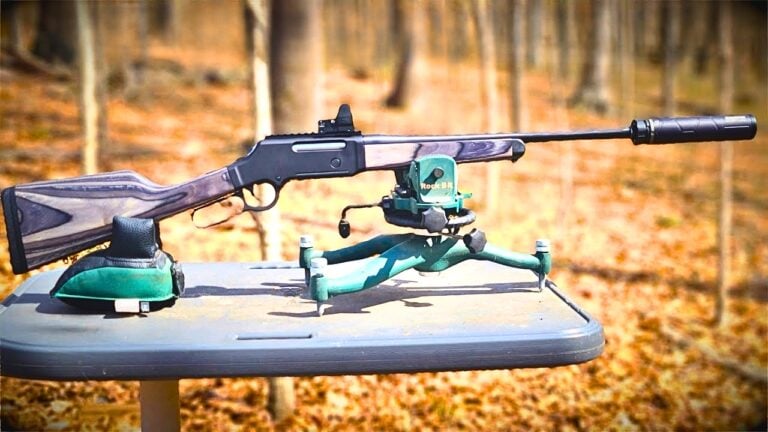
Photo credit: Nebraska78/GunBroker
The hunting world goes through the same cycle over and over. A new cartridge shows up, the ads start talking about flatter trajectories and bigger numbers, and for a while it sounds like everything older just became second-rate overnight. Then season rolls around, tags get filled, and a lot of hunters quietly keep carrying the same calibers they trusted before the latest speed craze showed up. That is usually because the old rounds never stopped doing real work in the first place.
Speed matters, but it is not everything. Plenty of hunters eventually figure out that easy ammo, manageable recoil, proven terminal performance, and years of field confidence still count for a lot more than hype. These are the rifle calibers hunters kept believing in while everybody else got distracted by velocity charts and fresh packaging.
.30-06 Springfield

The .30-06 has been getting “replaced” for generations now, and it still refuses to go anywhere. Every time a newer cartridge shows up promising more speed, more efficiency, or a flatter line on paper, the old .30-06 keeps dropping deer, elk, black bear, and just about anything else most North American hunters realistically chase. It may not feel exciting anymore, but that is partly because it already proved everything it needed to prove a long time ago.
Hunters never stopped trusting it because it gives them room to work. Bullet weights are everywhere, ammo is everywhere, and rifle options are endless. You can load it lighter, heavier, softer, or harder depending on the job. That kind of range matters more in the real world than bragging rights ever do. A lot of fast cartridges come in hot and fade later. The .30-06 just keeps showing up.
.270 Winchester

The .270 Winchester is one of the best examples of a caliber that never needed to sound modern to stay useful. Hunters kept trusting it because it gives them flat enough trajectory for real field work, enough authority for deer and elk with proper bullets, and recoil that does not punish the average shooter. It stayed relevant because it made life easier, not because it made headlines.
A lot of faster cartridges tried to sell hunters on the idea that the .270 had somehow become old news. That pitch never really held up once season started. The .270 still carries beautifully in a hunting rifle, still reaches farther than many hunters truly need, and still builds confidence fast. When a cartridge keeps doing its job this cleanly for this long, hunters stop worrying about whether it sounds trendy.
.308 Winchester

The .308 has had every opportunity to get pushed aside by speed-first cartridges, yet hunters keep going back to it because it is just too practical to ignore. It is accurate, widely available, easy to shoot well, and perfectly capable on deer, hogs, black bear, and more with the right load. It may not win every long-range argument, but most hunters are not living at the far edge of a ballistic chart anyway.
That is why trust stayed with the .308. It feeds well, works in short-action rifles, and gives hunters a dependable answer without requiring them to buy into a lot of extra story. Faster rounds may shoot flatter, but the .308 keeps proving that a round does not need to be flashy to remain one of the smartest all-around hunting choices ever made.
7mm Remington Magnum

The 7mm Rem Mag does have speed, but what made hunters keep trusting it was that it had useful speed, not just marketing speed. For years, it gave hunters a flatter-shooting option that still carried real downrange punch on deer, elk, and similar game without being so exotic that ammo availability became a headache. It hit a sweet spot that a lot of newer cartridges still spend time trying to define for themselves.
Hunters stayed with it because it already had the track record. It shot flat enough to inspire confidence, held energy well, and lived in rifles that were easy to find and easy to trust. A lot of fast cartridges came along claiming to be more advanced, but many of them never gave the average hunter enough real advantage to justify abandoning a proven magnum that already knew how to get it done.
.30-30 Winchester

The .30-30 has been laughed at by speed chasers for years, and it keeps answering that criticism the same way every fall: by killing deer cleanly in the kind of country where a lot of deer actually get hunted. In woods, thickets, ridges, and short shooting lanes, the .30-30 still makes all kinds of sense. It carries easily, points quickly, and works without much drama.
Hunters never stopped trusting it because they understood what it was for. It was never trying to be a beanfield laser or a social-media cartridge. It was a close-to-moderate range hunting round that fit trim rifles and did real work. Once a hunter has watched a .30-30 keep producing while faster rounds stay in the safe waiting for ideal conditions, trust comes pretty naturally.
.35 Remington
The .35 Remington has always had a loyal following among hunters who cared more about results than velocity numbers. It carries a little more thump than people expect, especially in timber and brush-country deer hunting, and it has long been tied to rifles that feel right in the hand instead of overbuilt for the sake of appearances. That combination gave it staying power even when the market got louder.
Hunters trusted it because it hit with authority at real hunting distances and did not require much explanation. It never became the darling of the speed crowd, but it never needed to. The .35 Remington stayed relevant because it offered honest performance in rifles hunters enjoyed carrying. That is more than enough to build long-term loyalty, especially when newer cartridges start sounding complicated for no good reason.
.243 Winchester

The .243 Winchester never stopped being trusted because it kept handling a very useful slice of hunting life. Hunters liked it for young shooters, recoil-sensitive shooters, open-country deer hunting, and varmint crossover work. It may not look like the toughest round in camp, but it has filled an awful lot of tags for a cartridge people keep talking down whenever speedier 6mm rounds come into fashion.
What keeps hunters loyal is that the .243 is easy to live with. It shoots flat, recoils lightly, and remains widely available. That matters. A lot of hunters do not need a six-millimeter science project. They need a cartridge they can shoot confidently and buy ammo for without stress. The .243 still answers that call better than many newer rounds trying to act like they invented the concept.
.25-06 Remington

The .25-06 has always been the kind of caliber hunters quietly believe in even when the broader market is distracted by newer speed merchants. It already had plenty of speed, but it was paired with a hunting identity that felt grounded rather than overhyped. Deer, pronghorn, coyotes, and similar game have been falling to the .25-06 for a long time because it shoots flat and hits clean without excessive recoil.
Hunters kept trusting it because it behaves like a real field round instead of a trend. It is fast enough to matter, but not in a way that turns the whole experience into an argument about numbers. The .25-06 is one of those cartridges that rewards people who actually hunt with it instead of just talking about it. That is usually why these older rounds stick around.
.280 Remington

The .280 Remington has spent much of its life being underappreciated, and that may be part of why hunters who know it tend to stay loyal. It offers a very smart balance of recoil, reach, and real hunting versatility, yet it never got pushed with the kind of noise that followed hotter commercial favorites. That kept it a bit quieter, but not less useful.
Hunters trusted it because it simply made sense. It gives you a lot of what people like about the 7mm family without forcing you into a magnum. It handles deer and elk well with the right bullets and does it in a way that feels civilized. The .280 never needed a cult to matter. It just needed hunters who recognized good balance when they saw it.
.257 Roberts

The .257 Roberts is one of those calibers hunters keep respecting long after the broader market stopped paying attention. It does not carry the loud reputation of some faster quarter-bores, but it has a long history of mild recoil, pleasant shooting, and clean performance on deer-sized game. The older hunters who trusted it did so because it was useful, not because it needed defending.
That sort of trust lasts. Once you know a cartridge shoots comfortably and kills reliably, it is hard to get overly excited about newer rounds that promise a little more speed and a lot more noise. The Roberts survived because it kept making hunters look smart for valuing shootability and practical field performance over whatever the latest catalog wanted them to chase.
6.5×55 Swedish

The 6.5×55 is one of those cartridges that quietly humiliates newer trend rounds by continuing to work with very little fuss. Hunters who know it understand the appeal right away. It offers mild recoil, strong penetration with good bullets, and a long record of real-world use on game bigger than many people expect. It was effective long before the modern 6.5 craze made that bore diameter fashionable again.
Hunters trusted it because it already had the goods. It did not need a relaunch or a fresh identity. It simply kept proving that an accurate, manageable round with good sectional density and honest field performance was not suddenly obsolete because someone came along with a shinier box and a faster press release. The old Swede earned loyalty the durable way.
7×57 Mauser
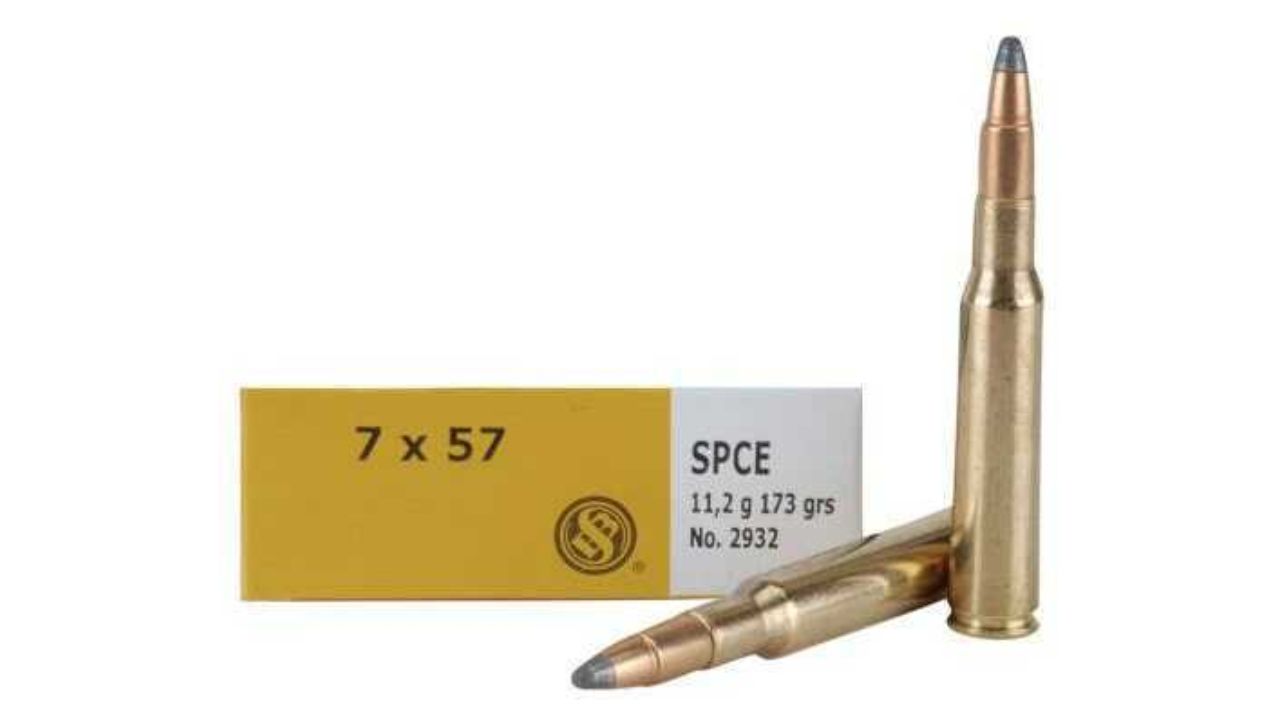
The 7×57 Mauser has always had a serious hunting reputation among people who actually pay attention to hunting history and performance. It never needed high speed to stay respected because it already offered a smooth-shooting, effective combination that worked beautifully on deer-sized game and larger with good bullet placement. It has a calm confidence about it that a lot of newer rounds seem to lack.
Hunters never stopped trusting it because they knew it killed above its paper reputation. It is easy to shoot well, hard to dislike in a balanced rifle, and backed by a long stretch of honest field success. Cartridges like this survive because they make hunters feel connected to something proven instead of something temporary. That feeling matters more than a lot of the market wants to admit.
.250 Savage

The .250 Savage is another round that hunters kept believing in because it made sense before the industry learned how to overmarket speed. It was fast for its time, easy on the shoulder, and extremely useful on deer and varmints in practical conditions. It built a reputation the hard way, in fields and woods, not in a launch campaign about why everything before it had suddenly become second-rate.
That reputation still means something. Hunters who appreciate the .250 tend to understand that balance often ages better than excess. It is a cartridge that feels lively, efficient, and sharp without being loud about itself. The more the market chases maximum numbers, the more interesting old rounds like the .250 Savage start to look to hunters who value field sense over spectacle.
.45-70 Government

The .45-70 was never going to win a speed contest, and it never had to. Hunters kept trusting it because power, authority, and real-world effectiveness inside sane ranges have always mattered more than flat charts in every hunting situation. In the right rifle, the old .45-70 still hits with the kind of force that makes newer speed-heavy ideas feel a little too dependent on ideal circumstances.
That is why hunters never fully let it go. It is not for every style of hunting, but for woods work, big-bodied game, and shooters who appreciate heavy bullets doing serious work, it still makes a very strong case. The market may chase velocity, but hunters who understand the value of a hard-hitting old round keep the .45-70 in the conversation for good reason.
.300 Winchester Magnum

The .300 Win Mag sits a little differently in this group because it did bring speed, but hunters never stopped trusting it while the market chased even faster, flashier answers. That says a lot. For decades it gave hunters a proven long-range-capable option with real authority on larger game, and it did so in a way that became deeply familiar. Newer magnums may look cleaner on paper, but the .300 Win Mag already had the history and the results.
Hunters stuck with it because it gave them reach and punch without asking them to gamble on something unproven. It may recoil more than some people want, but nobody ever accused it of lacking seriousness. When faster rounds came along, many hunters simply shrugged and stayed with the .300 because they already knew exactly what it would do when the shot mattered.
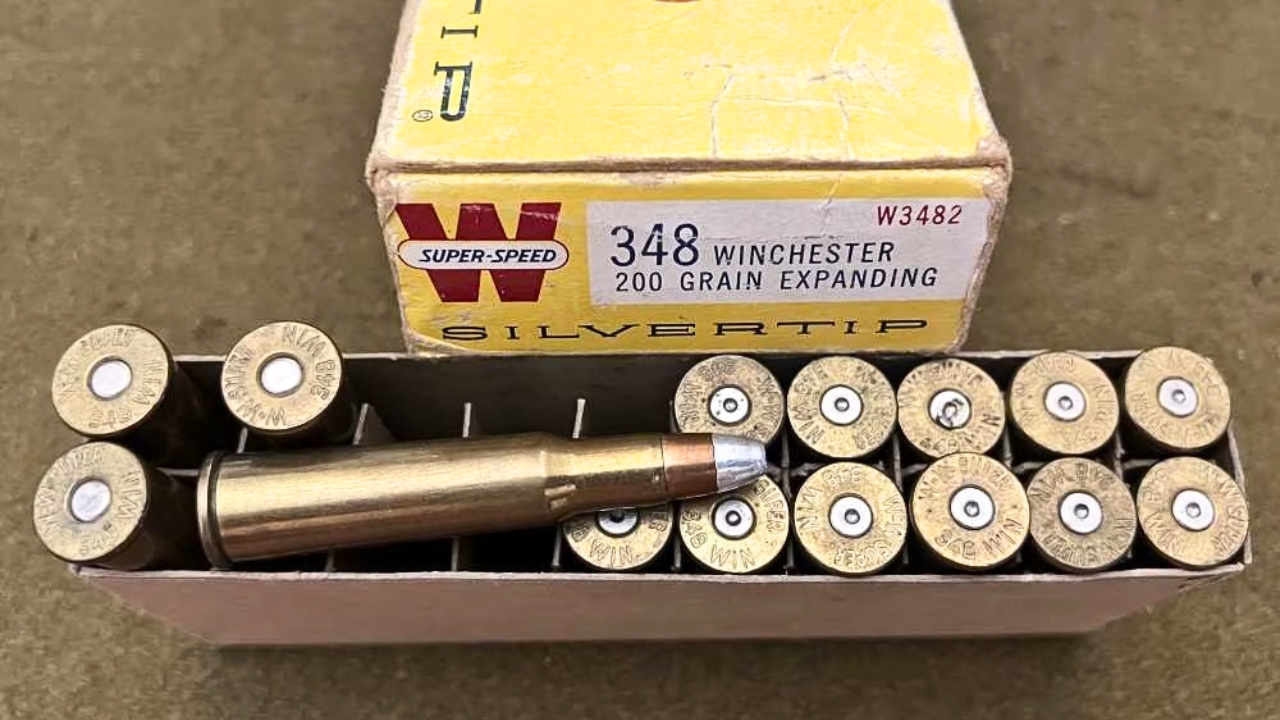
.348 Winchester
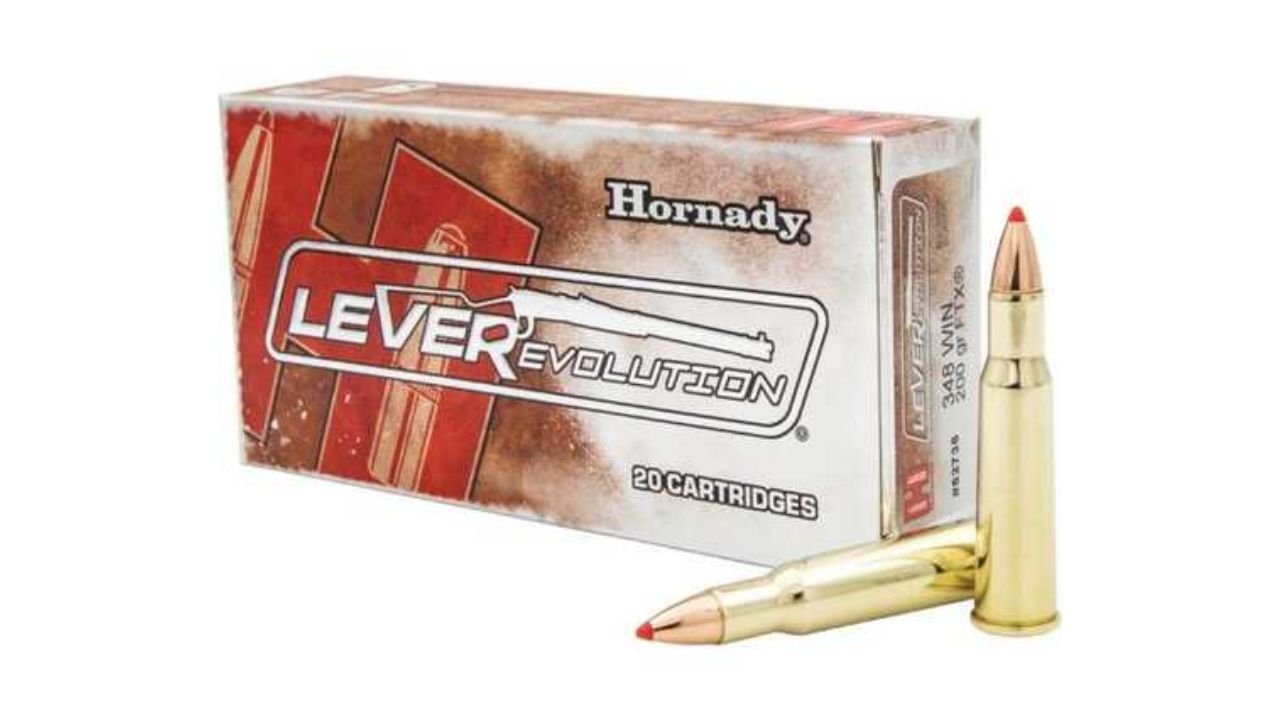
The .348 Winchester is a more specialized choice, but that does not make it any less deserving here. Hunters who trusted it did so because it delivered in the rifles and terrain it was made for. It carried the kind of authority that fit serious woods and big-game use, and it built its reputation among hunters who wanted something substantial rather than fashionable.
What keeps a round like this respected is not mass popularity. It is results. The .348 Winchester survived in memory and in camp talk because it worked in a way that leaves a mark on people. Speed-chasing trends come and go, but older cartridges with real field authority tend to hold onto the hunters who have seen them perform. That kind of trust is hard to shake once it is earned.
Like The Avid Outdoorsman’s content? Subscribe to our newsletter so you never miss an article.
Here’s more from us: