Photo credit: FieldsportsChannel.tv – 2.0/Wiki Commons
Hunters can be opinionated, and nothing stirs more heated campfire debates than caliber choice. Everyone has their favorites, but some cartridges consistently get more groans than praise. It’s not always about raw power—sometimes it’s recoil, ammo cost, limited performance, or a mismatch between what the cartridge was designed for and how people try to use it. These are the rounds that make experienced hunters shake their heads. You’ve probably seen some of them in the woods or maybe even tried one yourself, only to realize why so many dislike them. While every caliber has its place, these are the ones hunters complain about most.
.17 HMR

The .17 HMR looks great on paper—fast, flat-shooting, and accurate at the range. But when hunters bring it into the field, disappointment sets in. It’s simply too light for reliable terminal performance on anything bigger than squirrels. Shots on varmints don’t always anchor them, and wind drift makes it unreliable past 100 yards.
The caliber also burns through money faster than rimfire shooters like, with box prices much higher than .22 LR. That alone is enough to make many regret bringing it as a field rifle. Sure, it’s fun for plinking steel, but hunters expecting it to perform on coyotes or groundhogs quickly find its limits. The .17 HMR keeps showing up in conversations as a caliber that fails to deliver where it matters most: consistent kills in unpredictable conditions.
.22 LR for Deer

Everyone has a story about someone taking deer with a .22 LR, but that doesn’t make it a good choice. Hunters hate seeing this caliber used beyond rabbits or small varmints. It doesn’t carry enough energy for ethical kills on big game, and shots often lead to wounded animals instead of clean harvests.
Yes, ammo is cheap and rifles are everywhere, but using it on deer often reflects poor judgment rather than practicality. In states where it’s legal, .22 LR hunters earn more scorn than admiration. The cartridge just wasn’t designed for big-game performance. If you’ve ever trailed a deer hit poorly with a .22, you know the frustration firsthand. This is why seasoned hunters constantly remind newcomers that just because it can work doesn’t mean it should. The .22 LR belongs in the small-game woods, not in a deer blind.
.30 Carbine

The .30 Carbine has its military history, but as a hunting round, it’s one that rarely earns respect. It lacks the punch hunters want for deer-sized animals and tends to wound more than it drops cleanly. Ballistics fall short compared to modern options, with low velocity and poor energy transfer past 100 yards.
Ammo isn’t cheap either, which only adds to the frustration. Many who bring an M1 Carbine into the field find themselves undergunned when the moment of truth arrives. Even though the rifle itself is fun to shoot, the cartridge doesn’t cut it for reliable hunting. When a caliber struggles with penetration and expansion on medium game, hunters quickly put it on their “avoid” list. The .30 Carbine earns a place among those rounds that sound interesting until you see the poor field performance.
5.7x28mm

The 5.7x28mm gained attention for its speed and armor-piercing history, but hunters quickly learned it’s not much of a field round. With lightweight bullets and limited terminal performance, it fails to impress on game larger than varmints. Even coyotes can sometimes run off after being hit, leaving hunters frustrated.
The round is also expensive, with few hunting-specific loads available. That means you’re spending more to get less. Some carry it because it pairs with a pistol in the same caliber, but when it comes to effectiveness on animals, the performance gap compared to other small-caliber centerfires is glaring. Hunters don’t want to waste their opportunities with a cartridge that’s marginal at best. That’s why the 5.7x28mm keeps coming up as one of those calibers that’s fun in theory, but disappointing in practice once you try it in the field.
.204 Ruger
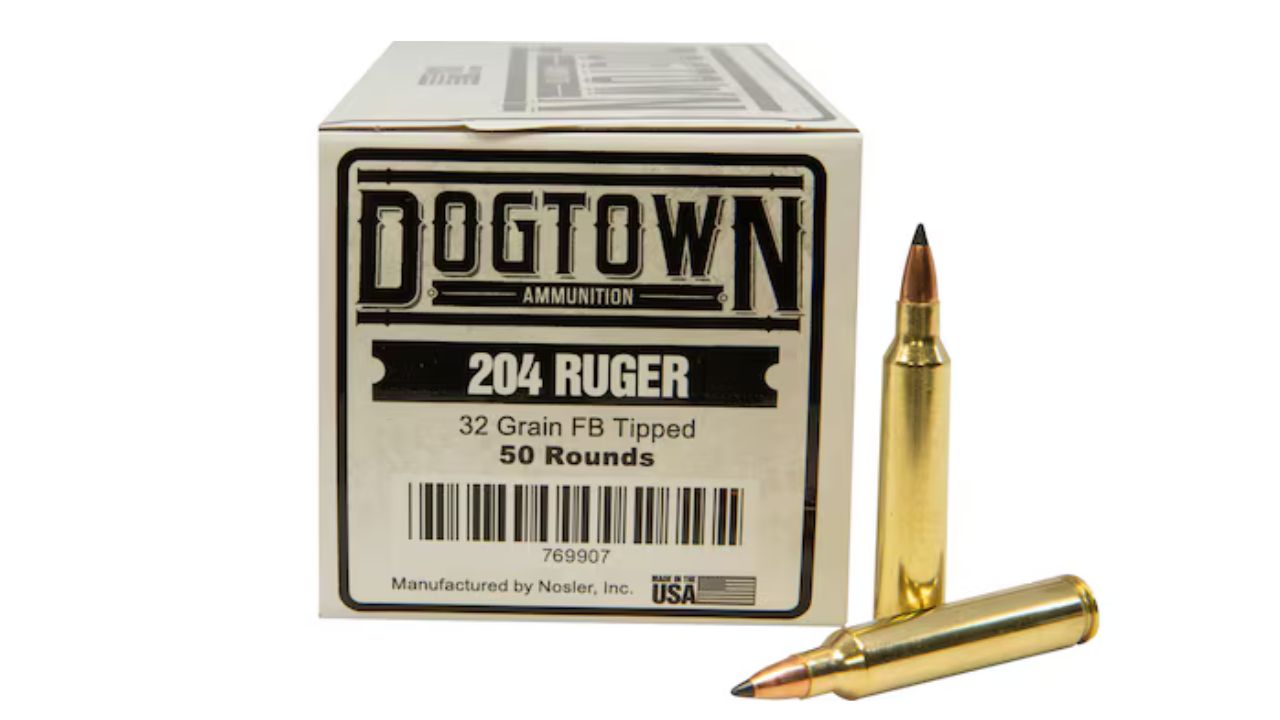
The .204 Ruger is marketed as a flat-shooting varmint round, and while it’s lightning fast, it doesn’t always deliver clean kills. Wind drift and lightweight bullets make it less reliable than hunters want past 200 yards. It’s also not the cheapest round to shoot, which rubs salt in the wound when performance disappoints.
Many hunters who tried it eventually went back to the .223 Remington or .22-250, which carry more punch and offer broader bullet selection. The .204 looks flashy at the range, but in real hunting scenarios, it often underperforms. Coyotes and foxes don’t always drop where they stand, and that leaves a sour taste in hunters’ mouths. It’s one of those calibers that seemed promising but never became a staple because hunters found it too finicky for serious work in the field.
7.62x39mm
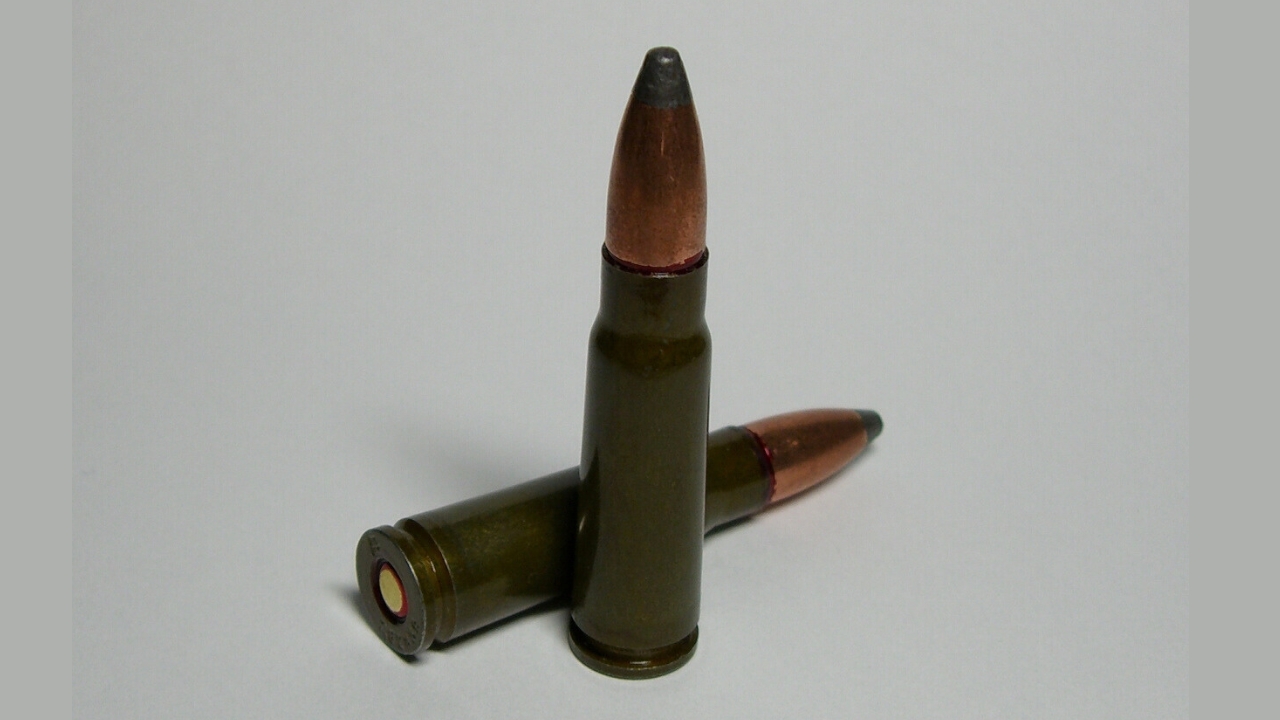
The 7.62x39mm is beloved in AK rifles, but hunters frequently complain when it’s pressed into service as a deer round. While it can work at short distances, accuracy is often subpar in budget rifles, and ballistics fall flat beyond 150 yards. Add in the limited selection of true hunting loads, and it’s easy to see why hunters criticize it.
Cheap surplus ammo doesn’t help either—it’s rarely accurate enough for ethical shots. Many hunters bought SKS rifles hoping they’d be good woods guns, only to realize grouping issues and poor terminal ballistics kept them from being dependable. While it’s fine for hogs at close range, most serious hunters leave the 7.62x39mm out of the rotation when deer season comes around. It’s a cartridge that leaves too many animals running, which is the quickest way to earn hatred in the hunting community.
5.45x39mm

The 5.45x39mm has a niche following, but as a hunting caliber, it struggles to earn respect. Bullet designs are military-oriented, and hunting loads are scarce. Accuracy can be decent in the right rifle, but terminal performance is poor compared to other small centerfires.
Hunters who experimented with it often found themselves frustrated by lack of expansion and limited knockdown power. In the field, that means wounded game and long tracking jobs—something no hunter wants. Ammo availability is another sore spot. The cost and hassle of finding decent loads make it impractical compared to widely available .223 or .243 rounds. Hunters don’t want to gamble on a caliber that delivers inconsistent results, which is why the 5.45x39mm is one of those rounds that gets more complaints than praise around camp.
.25 ACP

The .25 ACP doesn’t belong anywhere near the hunting woods, but some still try. With laughable energy levels and poor accuracy, it’s one of those calibers that hunters openly mock. You’d struggle to anchor even a rabbit reliably with it, let alone anything larger.
Hunters hate it because it gives the impression that all it takes to kill game is sending a bullet downrange. In reality, the cartridge is underpowered, expensive for what it is, and ineffective. It’s also a headache because it occasionally gets pressed into conversations about “being enough” for small deer, which sparks endless arguments. The truth is, it’s not a hunting round. It has no place in the field, and hunters dislike it precisely because it keeps getting brought up as though it were viable. It isn’t.
9mm Luger for Deer

The 9mm is a solid defensive round, but when it comes to hunting deer, it’s one hunters constantly dislike. Energy levels simply aren’t there, even with +P loads. At short range, with perfect shot placement, it can work—but hunters hate the fact that many try to use it irresponsibly.
Pistol-caliber carbines chambered in 9mm have tempted hunters, but field results are disappointing. Wounded animals and long tracking jobs make it one of the most criticized choices for the deer woods. Hunters appreciate the round in self-defense contexts, but in the field, it falls far short of ethical hunting standards. Ammo is plentiful, but no amount of availability makes up for poor terminal performance. That’s why the 9mm has a reputation as one of the most hated calibers when hunters talk about unsuitable rounds for big game.
.45 GAP

The .45 GAP was designed to mimic .45 ACP performance in smaller-framed pistols, but as a hunting round, it’s a waste of time. Hunters hate it because it combines poor availability, high cost, and unimpressive ballistics. Few hunting-specific loads exist, and energy levels don’t stack up against better-established options.
Carrying it into the field feels like dragging along an obsolete experiment. Ammunition shortages mean you’ll pay a premium, only to get lackluster results. Hunters don’t want to sink money into a cartridge that delivers neither accuracy nor terminal performance worth bragging about. When cartridges like .45 Colt and 10mm are available, the .45 GAP has no role. That’s why hunters consistently put it on their “avoid” list—it’s a caliber that offers nothing new while failing at what matters most in the field.
7mm Remington Ultra Magnum

On the other end of the spectrum, the 7mm RUM is one hunters complain about because of recoil, barrel wear, and ammo cost. While it has the power, most don’t see the benefit over more manageable 7mm rounds like the 7mm Rem Mag. Hunters hate that it chews through barrels so quickly, often losing accuracy after only a few hundred rounds.
For an expensive cartridge, that’s a dealbreaker. Ammo availability isn’t great either, and prices keep most hunters from practicing enough to master the rifle. That means missed shots or poor field performance when the moment comes. Hunters want confidence, not a sore shoulder and a barrel that’s toast before its time. The 7mm RUM ends up on the “love to hate” list because it punishes shooters more than it rewards them.
.220 Swift
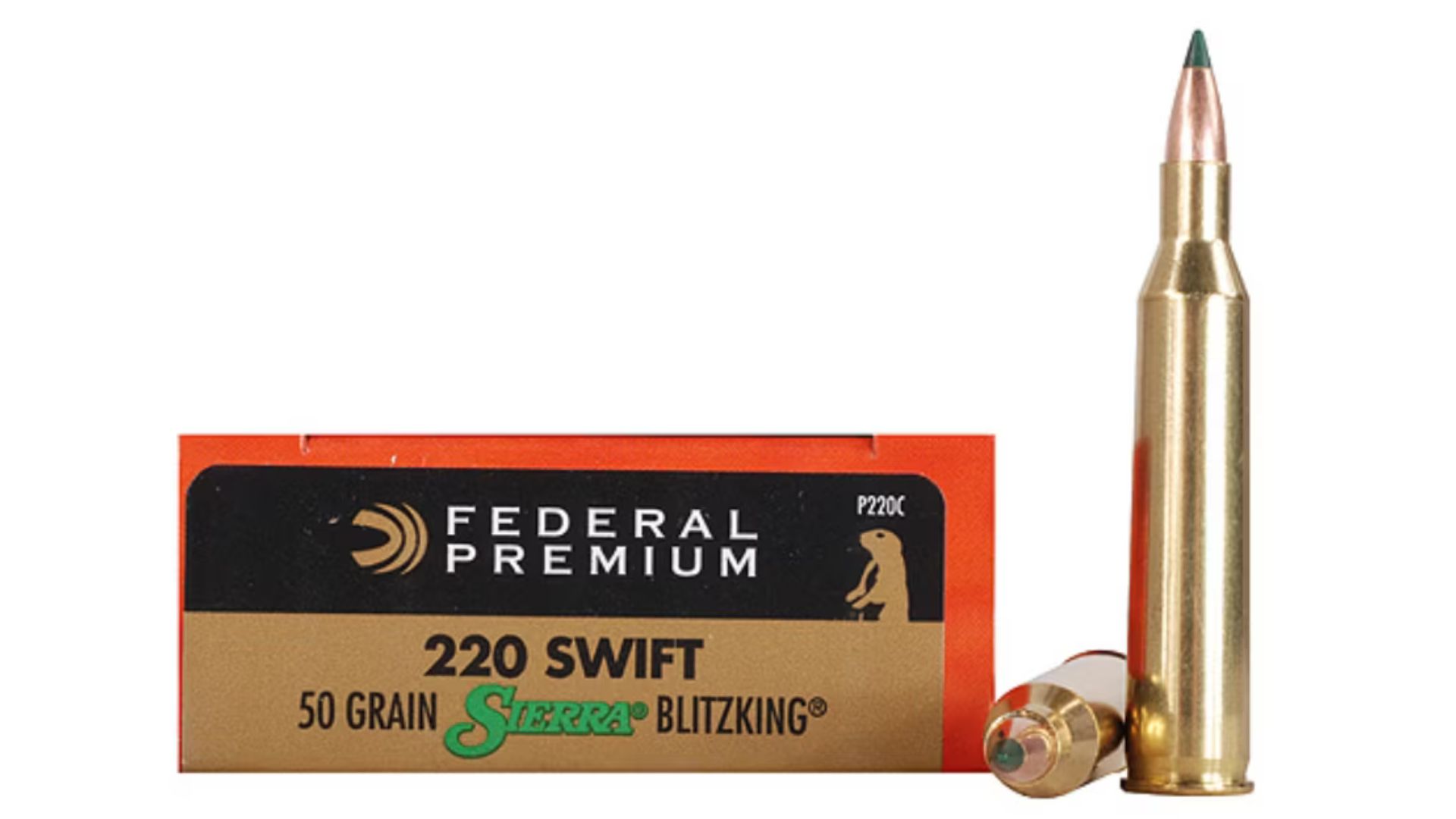
The .220 Swift has fans, but it’s also one of the most polarizing calibers. Hunters hate it because it’s notorious for burning out barrels faster than expected. Its blistering velocity looks impressive, but it comes at the cost of longevity. Add in the fact that it’s overkill for varmints and underwhelming for bigger game, and you get a cartridge that frustrates more than it satisfies.
Ammo isn’t cheap either, and many hunters discovered that performance didn’t justify the expense. Wind drift and lightweight bullet performance often make the .22-250 a better choice. Hunters who bought into the hype often found themselves disappointed with its real-world limitations. That’s why the .220 Swift continues to be a round that sparks complaints whenever it comes up—it’s expensive to own, expensive to shoot, and doesn’t hold groups well for long.
6.5 Carcano
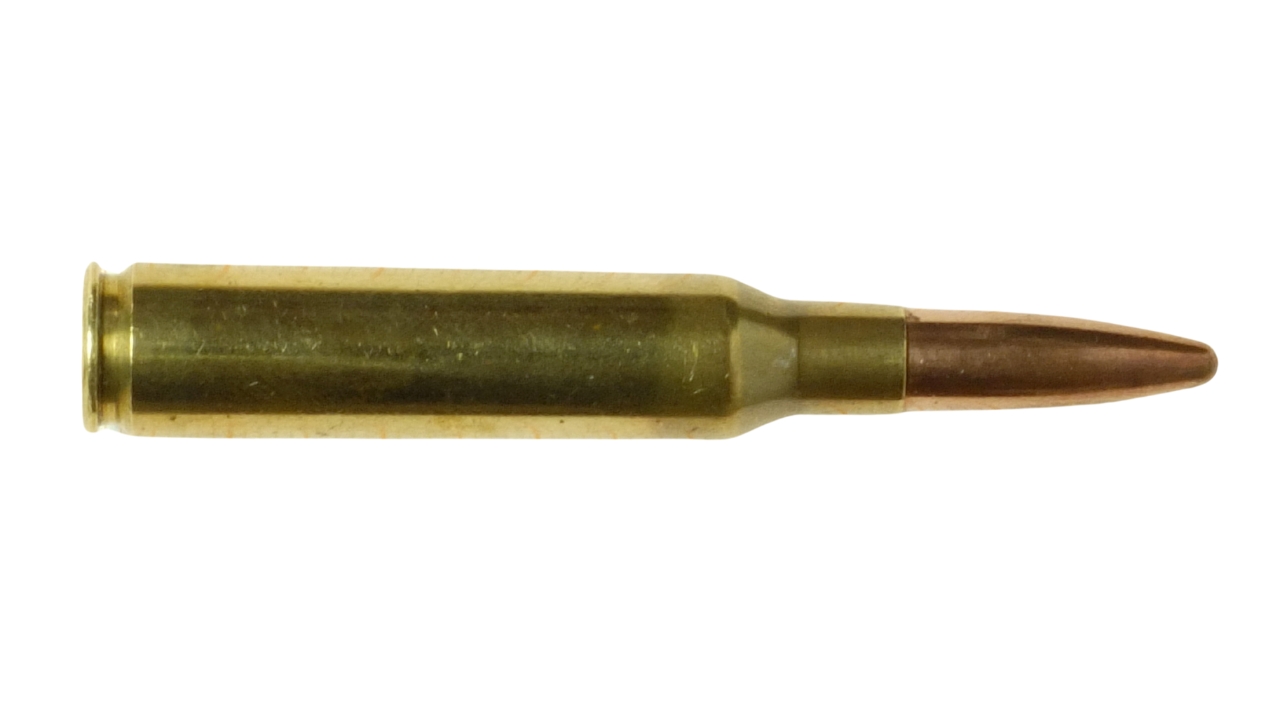
The 6.5 Carcano is historically interesting, but hunters hate it for its lack of performance. Ballistics are weak compared to modern 6.5s like the Creedmoor or PRC, and ammo availability is terrible. Most of what you find is old military surplus that’s inconsistent at best.
Hunters who tried it often regretted it after poor results in the field. It’s underpowered for deer and laughable for elk. While some enjoy shooting old surplus rifles, those who brought the Carcano hunting usually realized it wasn’t worth the hassle. The accuracy, power, and ammo problems all pile up, making it a caliber hunters complain about constantly. For most, it’s better left as a historical collectible rather than a practical hunting cartridge.
.32 ACP

Like the .25 ACP, the .32 ACP is another round that has no business in the hunting woods. Hunters hate it because it gets tossed into conversations by those who argue that “shot placement is all that matters.” While that’s true to a point, the cartridge simply lacks the power to humanely take game beyond small varmints.
Accuracy isn’t stellar either, and the ammo costs far more than what you get in return. Hunters want cartridges that deliver confidence, not endless debates about what could work in perfect circumstances. That’s why the .32 ACP gets no respect when hunting calibers come up. It’s ineffective, impractical, and earns more scorn than admiration. If you’ve ever watched someone try to use one for anything bigger than a rabbit, you understand why hunters love to hate it.
7mm STW

The 7mm Shooting Times Westerner promised extreme long-range performance, but it became another caliber hunters dislike. The biggest complaints come from throat erosion, expensive ammo, and the reality that it doesn’t do much more than the 7mm Rem Mag in practical terms. Hunters who bought into it often realized the cost outweighed the benefit.
It’s also loud and punishing to shoot, which makes practice unpleasant. If you can’t afford to practice often, accuracy suffers, and when accuracy suffers, animals get away. That’s exactly why hunters don’t like it. A caliber that ruins barrels, eats cash, and doesn’t deliver more than already established cartridges will always earn criticism. For most hunters, it’s not worth the trouble, and that reputation sticks around every time it’s brought up in conversation.
.30-378 Weatherby Magnum

The .30-378 Weatherby Magnum is one of the most powerful .30-caliber rounds ever designed, but hunters hate it for practical reasons. Recoil is brutal, ammo costs a fortune, and barrels don’t last long under its pressures. Yes, it shoots flat and far, but most hunters don’t need that kind of extreme performance.
In the field, the downsides outweigh the benefits. Hunters quickly learn that mastering the recoil takes time, and the cost of ammo means practice is rare. That means when you finally get a shot at game, you’re less confident than you would be with a more manageable rifle. Add in the expense of custom rifles chambered for it, and the .30-378 is simply impractical. Hunters complain about it because it represents the worst of overpowered, expensive calibers that sound better on paper than they perform in real-world conditions.
*This article was developed with AI-powered tools and has been carefully reviewed by our editors.