Photo credit: NRApubs/Youtube
In a survival situation, your gun isn’t just gear—it’s your backup plan. And when things go sideways, the last thing you want is a firearm that flakes out under pressure. Some guns look fine at the range but fall apart when they’re cold, wet, or dirty. Others sound great on paper but are nothing but unreliable in the real world. If you’re prepping for worst-case scenarios, these are the ones you’ll want to leave out of your plan.
Remington 597

The Remington 597 was supposed to be a competitor to the Ruger 10/22, but it never really earned its spot. Magazines are finicky, jamming is frequent, and the stock trigger is rough right out of the box.
In a survival scenario, every shot counts. If your rifle locks up or fails to feed, you’re done. The 597 isn’t built for long-term rugged use, especially if conditions get wet or dusty. It’s not the kind of .22 you want to count on.
KelTec Sub2000
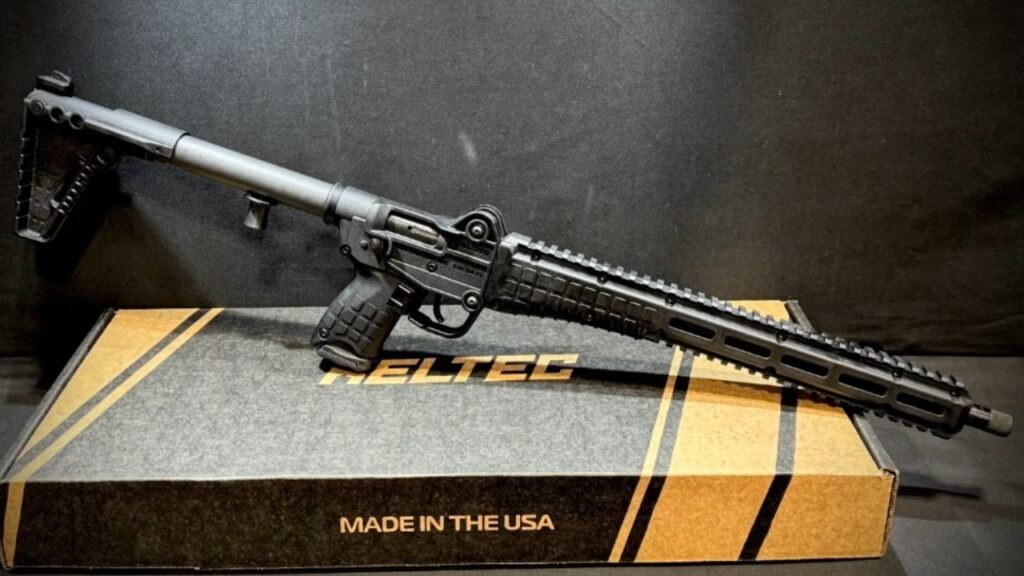
The KelTec Sub2000 folds up nice, but that’s where the praise usually ends. It has a reputation for cycling issues and weak durability, especially after extended use or exposure to the elements.
In theory, it’s a handy bug-out bag gun. But once the novelty wears off, you’re left with inconsistent performance and questionable reliability. If you’re looking for a carbine that’ll run without fuss, this one’s a gamble at best.
Mossberg Maverick 88
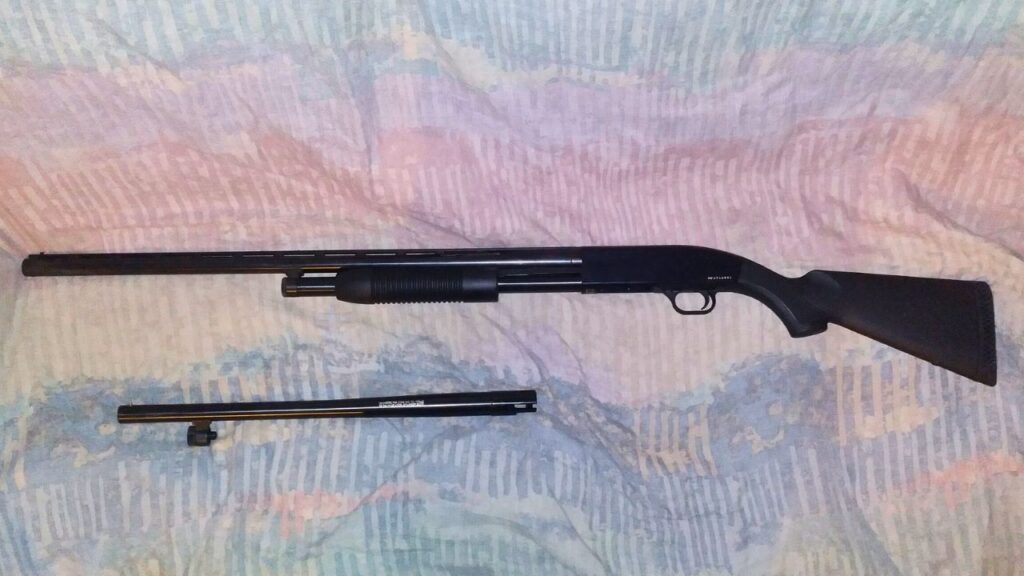
The Maverick 88 is tempting for the price, but it’s not exactly survival-grade. The action can be sticky, and the finish doesn’t hold up to hard use or moisture very well.
If you’re stashing a shotgun in your truck or cabin, you want something you don’t have to baby. This one needs more cleaning and attention than most pump guns. It’ll work—but not without extra effort, and that’s not ideal in a pinch.
Hi-Point Carbine
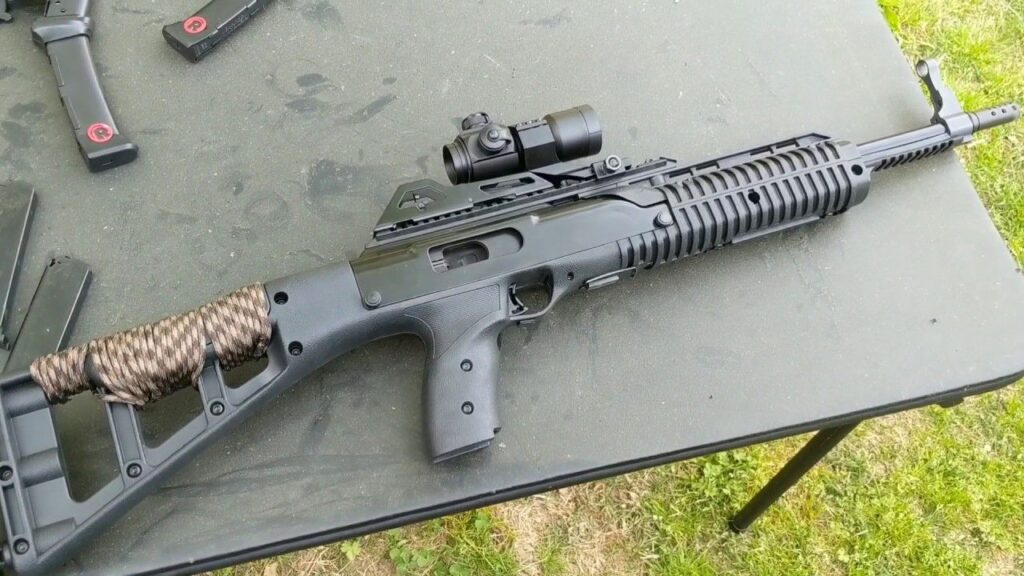
Hi-Points get talked up for being cheap and simple, but that simplicity comes at a cost. The carbine is heavy, awkward, and prone to feeding issues if it gets even a little dirty.
It might run fine on the range, but in survival conditions—mud, rain, freezing temps—you’ll be clearing jams more than you’re shooting. It’s not a bad plinker, but it’s not something I’d reach for when things get serious.
AR-7 Survival Rifle
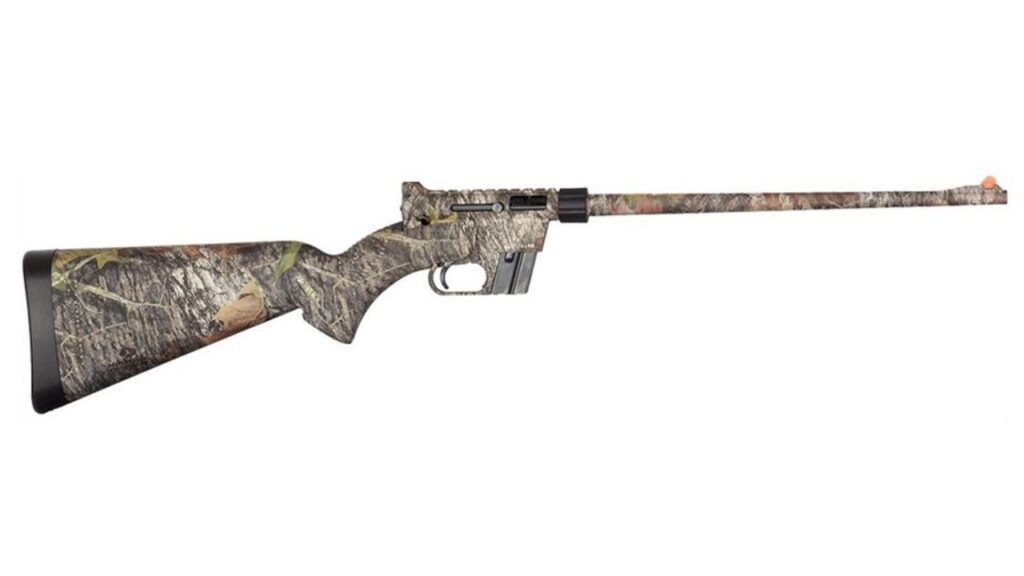
This rifle was literally built for survival, but its real-world track record is spotty. Magazines don’t always seat right, the barrel loosens with use, and accuracy can drop fast.
Yes, it’s lightweight and compact, but reliability is the bigger issue. You don’t want a takedown .22 that struggles to reassemble properly or shoot consistently. In an actual emergency, those little problems become big fast.
Taurus Judge

The idea of a .410/.45 revolver seems solid for survival, but in practice, the Judge is more gimmick than go-to. Accuracy is inconsistent, and .410 out of a short barrel doesn’t give you much power or spread control.
It’s big, bulky, and doesn’t really excel at anything. For defense or hunting, there are better tools for both. You don’t want to bet on a jack-of-all-trades revolver that doesn’t really master any of them.
Rossi RS22
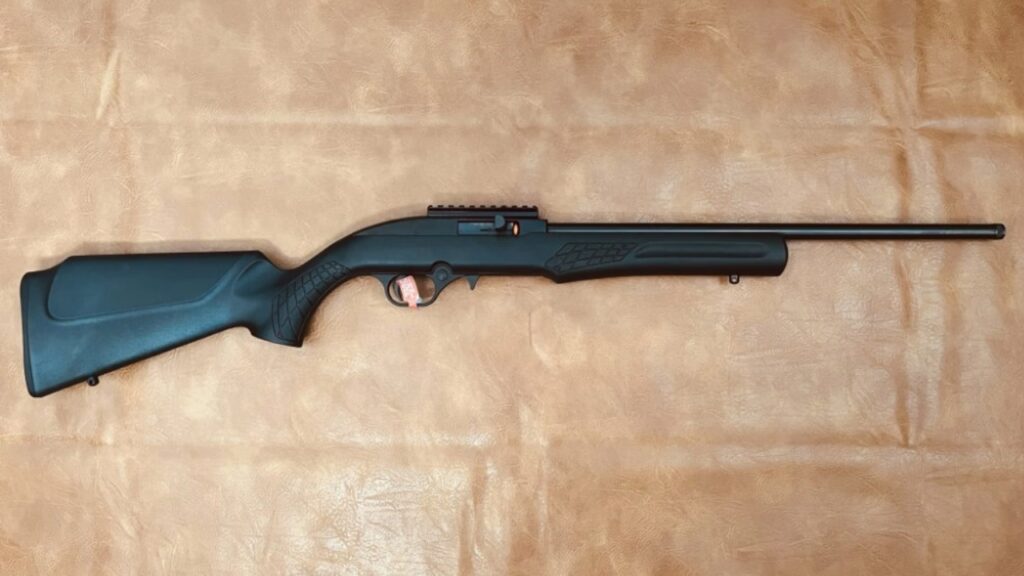
The Rossi RS22 feels like a decent little .22—until you actually push it hard. Feeding issues and cheap-feeling parts pop up fast, especially in colder or wetter conditions.
If you’re storing a .22 for survival, it better be one that can take abuse. The RS22 can’t always keep up without constant cleaning and a little luck. It’s better suited to backyard shooting than real-world emergencies.
Century Arms C39V2

This U.S.-made AK clone had a lot of potential, but many found it missed the mark. Reports of soft metal parts and premature wear knocked it off the list for long-term use.
If you’re banking on AK reliability, this version doesn’t quite deliver. You might get a good one—but you might also get a lemon that chews through its own internals. That’s not a risk you want to take when your life might depend on it.
Remington 770
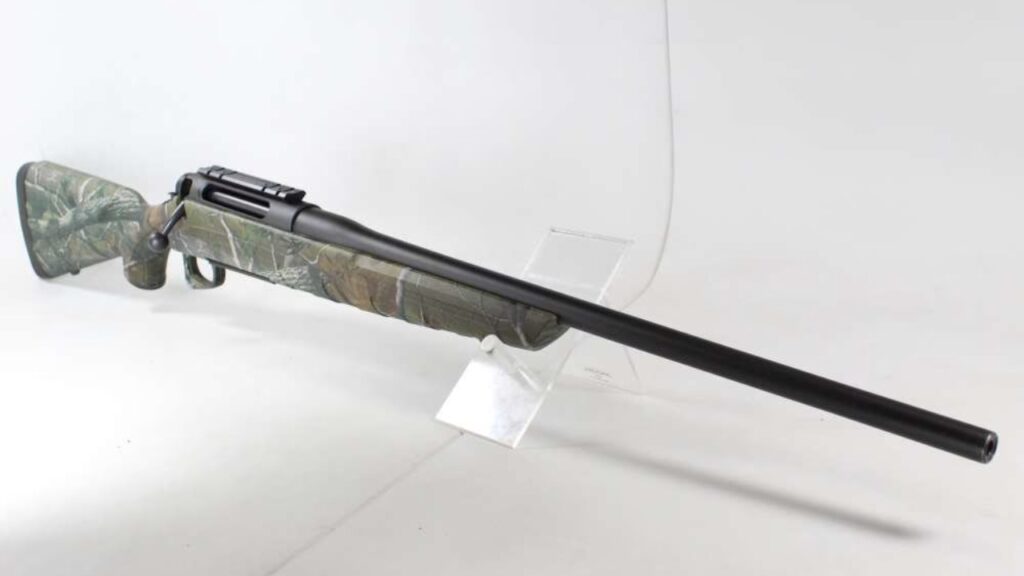
The Remington 770 is supposed to be a budget hunting rifle, but its poor build quality and stiff action make it hard to trust. Feeding can be awkward, and the bolt doesn’t cycle smooth at all.
Even under ideal conditions, it struggles to deliver tight groups. Add stress, dirt, or bad weather, and things go downhill fast. It’s not the kind of bolt gun you want if you’re relying on every round to count.
Savage Axis (First Gen)

Savage eventually improved the Axis line, but the early models had a rough reputation. The triggers were heavy, the bolt felt gritty, and the synthetic stock flexed way too much.
Accuracy wasn’t terrible, but long-term reliability wasn’t great. If you’ve got a later version, you’re probably fine—but those early models had no business in a survival loadout. If you’re buying used, double-check which version you’re getting.
*This article was developed with AI-powered tools and has been carefully reviewed by our editors.