Photo credit: Freeograph/Shutterstock.com
Hunters are a practical bunch. They know what works, what doesn’t, and what ammo they can actually find on the shelves. Over the years, plenty of new calibers have been pitched as the “next big thing,” while others linger on the margins, never catching on. Some of these rounds inspire chuckles around the campfire because they sound good on paper but don’t make sense in the field. Others simply cost too much, offer too little, or sit in an awkward middle ground no one needs.
When you’re betting on a caliber for hunting, availability and real-world performance matter more than glossy ballistics charts. If it doesn’t kill cleanly, can’t be found at the local sporting goods store, or doesn’t offer anything over common rounds, hunters aren’t interested. These are the calibers that get a shake of the head and a laugh, but never make it into most gun safes.
.17 Remington

The .17 Remington promised blistering speed when it came out in the 1970s, but hunters quickly realized it had major limitations. Shooting tiny 20-grain bullets at over 4,000 fps sounds exciting until you’re dealing with wind drift so bad your group shifts several inches at moderate ranges. In open country, that makes it nearly useless for consistent varmint control.
Barrel fouling also killed enthusiasm. The tiny bore and high velocity meant you had to clean it constantly or watch accuracy fade. Combine that with scarce ammo choices and expensive factory loads, and it’s easy to see why hunters laugh when someone brings it up. Sure, it has a cult following, but most folks prefer more practical varmint rounds like .223 or .22-250. The .17 Remington ends up being a niche curiosity, not a serious field choice.
.17 WSM
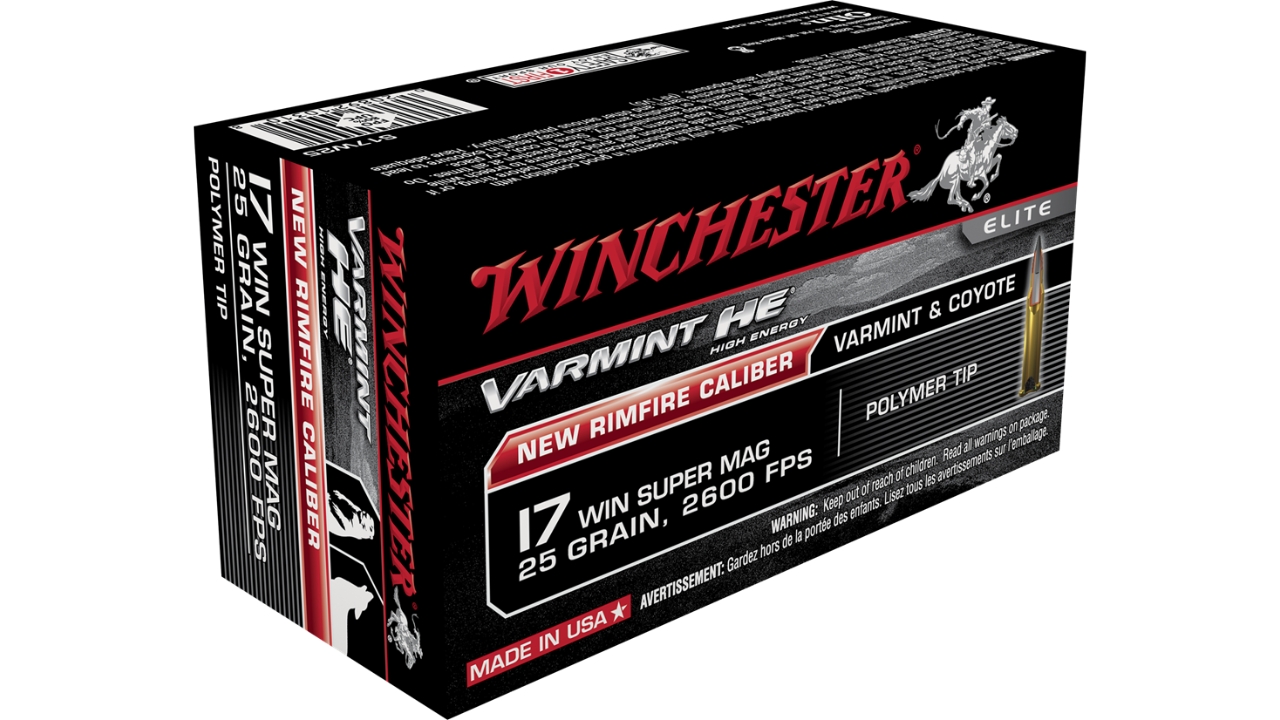
The .17 Winchester Super Magnum was pitched as the king of rimfires, with more velocity and energy than .17 HMR. On paper, it looked like a rimfire that could finally stretch into centerfire territory. In reality, hunters quickly learned that ammo was expensive, rifles were limited, and the supposed performance edge wasn’t worth the tradeoffs.
Wind drift still plagued the tiny bullets, and for the price of feeding it, you might as well run a cheap .223 and have more consistency. Ammo availability has also been shaky since launch, leaving many hunters uninterested in a caliber they can’t reliably buy. When talk around campfire circles turns to rimfires, the .17 WSM usually gets dismissed with a grin. It was marketed like a breakthrough, but it never earned a spot in serious hunting rifles.
.22 Hornet

The .22 Hornet has been around since the 1930s, and while it has history, modern hunters often laugh at the idea of buying one today. It sits in a strange gap—more power than a .22 LR but far less than a .223. For varmints, it’s either too much or not enough, and with the rise of cheap .223 ammo, the Hornet feels outdated.
Brass and factory ammo aren’t cheap either, and finding it in small-town shops is rare. Reloaders can make it work, but even then, it doesn’t give you a real advantage over rounds that are easier to feed. Most hunters don’t see the point in spending money on a caliber that has no clear role anymore. The .22 Hornet may have nostalgic value, but today it’s usually a punchline rather than a practical purchase.
.25-06 Remington

On paper, the .25-06 looks like a strong contender—flat-shooting and versatile. But in reality, hunters often skip right past it. It sits awkwardly between more practical rounds like .243 Winchester and .270 Winchester, offering little they don’t already cover. It’s not as common as either, so ammo availability is worse, and costs are higher.
Hunters laugh at it because, for all the praise it gets from diehards, it doesn’t provide enough of an edge to justify choosing it over more popular calibers. Walk into most sporting goods stores, and you’ll find .243 and .270 on the shelves. The .25-06? Maybe, maybe not. That uncertainty keeps it off most hunters’ lists. While it has fans, the lack of widespread adoption means most hunters see it as a dead-end caliber.
.26 Nosler

When the .26 Nosler launched, it was marketed as one of the flattest-shooting hunting rounds available. Hunters who looked deeper saw red flags right away. The ammo is expensive, barrel life is notoriously short, and it burns powder like it’s going out of style. You get hot ballistics, sure, but you also wear out barrels fast.
Add in the fact that ammo isn’t easy to find and costs a small fortune, and it’s clear why most hunters laugh about it rather than buy it. They’d rather stick with a 6.5 Creedmoor or .270 Winchester, both of which offer more affordable ammo and longer barrel life. The .26 Nosler makes for good gun magazine copy, but in real hunting camps, it’s usually dismissed as impractical.
.28 Nosler

The .28 Nosler has plenty of speed and power, but most hunters roll their eyes at it. It’s another high-performance cartridge that requires deep pockets and frequent barrel replacements. While it pushes heavy bullets fast, the real-world advantage over classic rounds like 7mm Remington Magnum isn’t worth the cost or hassle for most.
Ammo is hard to track down outside of big box stores, and the price per box makes many hunters laugh. When you can do nearly the same thing with a more common caliber, there’s little incentive to buy into the .28 Nosler hype. It appeals to long-range shooters and a handful of diehard fans, but in most hunting circles, it’s the butt of jokes about impractical magnums.
.30 Carbine

The .30 Carbine earned fame in the M1 Carbine during WWII, but as a hunting round, it’s a poor fit. Hunters laugh at the thought of using it on deer or hogs because it simply doesn’t pack enough punch. Ballistics are closer to a pistol caliber than a true rifle round, leaving it underpowered for ethical hunting in most states.
Ammo availability isn’t terrible, but choices are limited, and many loads aren’t designed with hunting in mind. Hunters who try it usually discover they’re better off with nearly any modern rifle cartridge. While the M1 Carbine itself is fun for the range, as a hunting tool, the .30 Carbine is often dismissed outright. It’s more nostalgia than practicality, and that’s why hunters rarely buy it for serious use.
.30 Remington AR

Remington promised the .30 Remington AR would bring .30-caliber punch to the AR-15 platform. Hunters looked at the numbers and shook their heads. It didn’t match the .308 Winchester, and it didn’t really outperform the .30-30 Winchester either. Worse yet, ammo was proprietary, expensive, and hard to find.
Hunters quickly learned that adopting the cartridge meant buying into an orphaned system with no long-term support. Once Remington stopped producing rifles for it, the round faded almost overnight. Today, most hunters laugh at the idea of spending money on a rifle chambered in .30 Remington AR. It never offered a clear advantage, and it disappeared so fast that few regret avoiding it altogether.
.32 H&R Magnum

The .32 H&R Magnum was pitched as a happy medium between .32 Long and .38 Special, but hunters rarely took it seriously. The power simply isn’t there for most game beyond varmints or small predators. For self-defense, it was overshadowed by .38 Special +P, and for hunting, it had no real niche.
Ammo availability has always been thin, and rifles chambered in it were few and far between. Hunters laugh about it because it never had a clear purpose in the field. When you’re carrying a sidearm as backup on a hunt, you want something you can trust against predators. The .32 H&R never inspired that confidence. It’s a round that lingers in obscurity, never earning much more than polite chuckles.
.357 Maximum

The .357 Maximum promised more velocity and range than the .357 Magnum, but its reputation never recovered from early issues. Revolvers chambered for it developed flame-cutting on the top strap, and that was enough to scare most hunters off. Ammunition availability has been limited ever since, and the round never caught on outside of a niche.
Hunters laugh at it because it represents an overhyped solution to a problem that didn’t exist. The .357 Magnum already worked well for what it was designed to do, and when hunters wanted more power, they stepped up to .44 Magnum or larger. The .357 Maximum ended up being a curiosity that most hunters were happy to avoid.
.41 Magnum

The .41 Magnum was supposed to split the difference between .357 Magnum and .44 Magnum, but hunters never fully bought in. Ammo has always been expensive and limited, and it doesn’t really offer enough of an advantage to justify itself. The .44 Magnum handles big game more effectively, and the .357 is easier to shoot.
Most hunters chuckle about it because it’s a classic case of a caliber trying to fill a gap no one needed. While a few enthusiasts swear by it, the majority see it as an unnecessary oddball. When you’re choosing a revolver for the field, you’re either going .357 or .44—and skipping right past the .41.
.45 GAP

The .45 GAP was created to mimic .45 ACP performance in a shorter case, designed specifically for Glock pistols. Hunters never saw the point. Ammo was always scarce, more expensive than .45 ACP, and hard to find outside of specialty shops. The supposed benefits were irrelevant in the field.
Hunters carrying a sidearm in the woods want reliability and availability. With .45 GAP, neither was guaranteed. As a result, most hunters laugh when the caliber is mentioned, knowing it was a solution in search of a problem. It had a brief moment of attention, but in the hunting world, it never made sense. Today, it’s almost forgotten entirely.
5.7x28mm
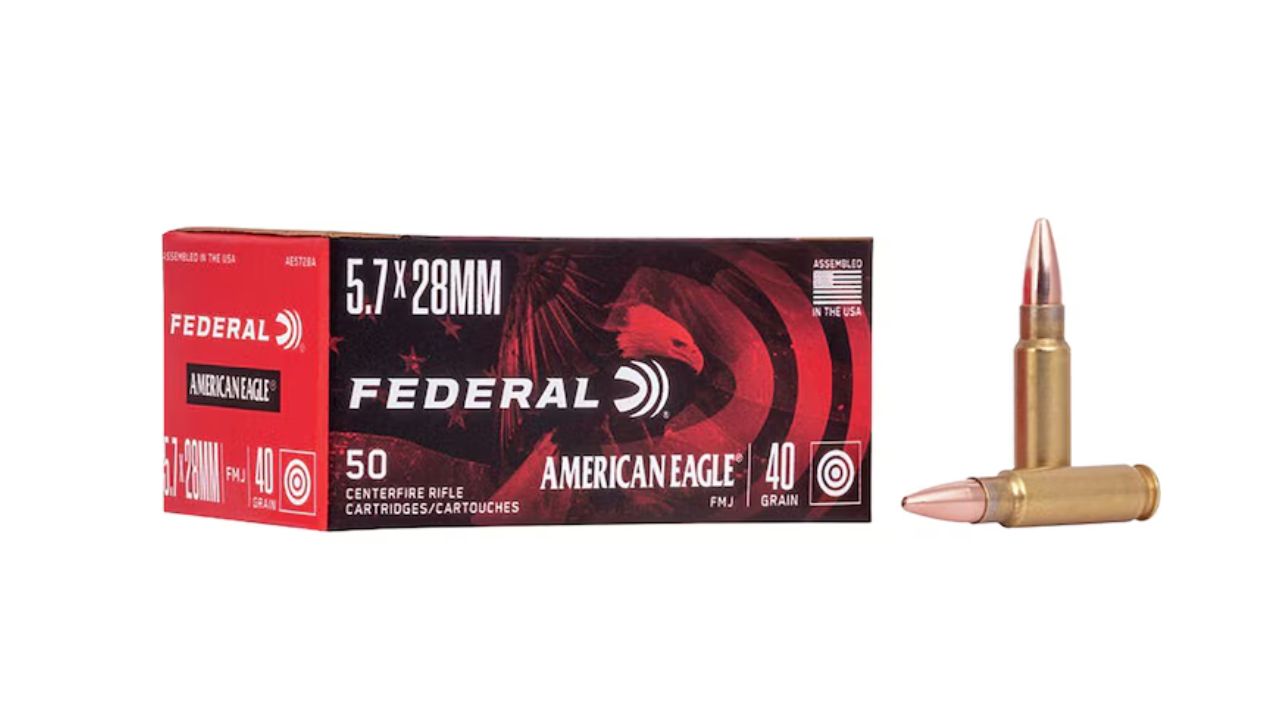
The 5.7x28mm made headlines with the FN Five-seveN pistol and later the Ruger-57, but hunters haven’t taken it seriously. The lightweight, high-velocity rounds lack the power needed for most hunting roles. On paper, it looks like a stretched-out rimfire. In the field, it struggles with penetration and stopping power.
Ammo is pricey and not widely available outside of larger markets. For small game, it’s overkill, and for backup against predators, it’s underpowered. That leaves it without a clear role. Hunters laugh about it because, while fun for range shooting, it has no place in hunting camps. It’s the kind of round you might try once for novelty, but never rely on again.
.300 RSAUM
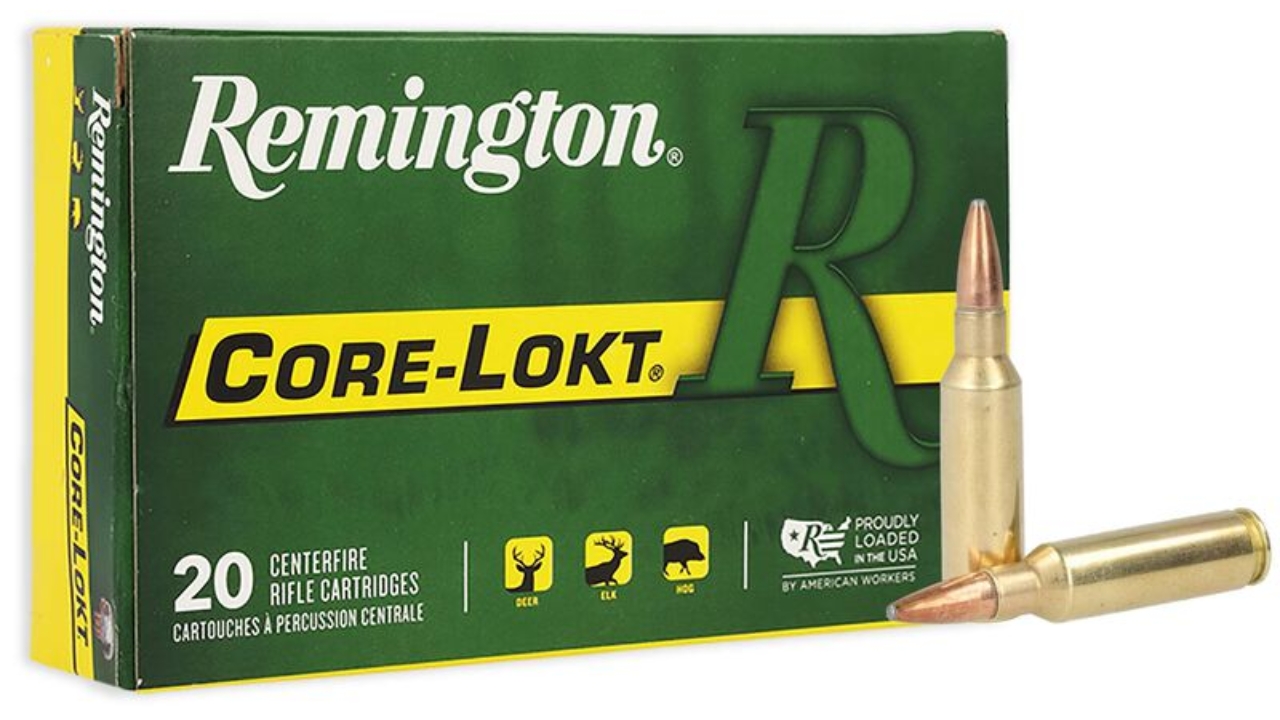
The .300 Remington Short Action Ultra Magnum was Remington’s late entry into the short magnum craze. Hunters looked at it and shrugged. By the time it came out, the .300 WSM had already taken over the niche, and the RSAUM didn’t offer anything new. Ammo was scarce, rifles were limited, and the cartridge never gained traction.
Hunters laugh about it today because it’s another reminder of how late entries into the market usually fail. While it can match .300 Win Mag ballistics, there’s no point buying into a cartridge that’s essentially dead. When hunters want magnum performance, they stick with proven rounds. The RSAUM became one of those calibers nobody bothers with anymore.
.338 Federal

The .338 Federal was pitched as delivering big-game stopping power in a short-action rifle. Hunters gave it a look, but most passed quickly. Ammo was expensive, rifles were limited, and the performance gains over .308 Winchester weren’t enough to matter.
Hunters laugh at it because, while technically capable, it has no edge in the real world. If you want a .338, you’re stepping up to .338 Win Mag. If you want affordable, versatile, and available, you stick with .308. The .338 Federal sits in limbo between them, with little purpose. Most hunters never even considered buying it.
.450 Bushmaster

The .450 Bushmaster gained popularity in states with straight-wall cartridge laws, but outside of those regions, most hunters laugh at it. The ammo is expensive, recoil is stiff, and trajectory falls off quickly past 200 yards. For hunters with access to traditional rifle cartridges, it doesn’t make sense.
In some areas, it fills a legal niche, but in most hunting circles, it’s viewed as unnecessary. Hunters who don’t live in straight-wall states see no reason to buy into it. The limited appeal and high costs mean it gets dismissed quickly. While it has utility in specific places, most hunters pass on it without a second thought.
.458 SOCOM

The .458 SOCOM was designed to give AR-15 rifles massive stopping power. Hunters laugh at it because, while impressive on paper, it’s impractical in the field. The recoil is harsh, the ammo is expensive, and capacity is limited. For hunting, it offers no advantage over more established big-bore options.
Ammo availability is another killer. Few shops carry it, and when they do, prices are steep. Hunters realize quickly that they can take big game more effectively with traditional calibers that don’t break the bank. The .458 SOCOM ends up as more of a novelty round than a practical choice, and hunters rarely consider it seriously.
*This article was developed with AI-powered tools and has been carefully reviewed by our editors.