Photo credit: ZoranOrcik/Shutterstock.com
Hunters can be loyal to cartridges long after the field has shown their limits. You’ll hear someone swear a certain round “works fine” right up until the moment it falls short on a quartering shot or runs out of steam when the terrain stretches out longer than they planned. The trouble usually comes from assuming good paper groups translate to consistent field performance. Some cartridges work great under ideal conditions but unravel fast when angles, wind, shot distance, or animal size shift even a little.
If you’ve spent any time comparing real-world results instead of campfire stories, you’ve seen how certain calibers hold together only when everything goes perfectly—then fail the moment it doesn’t.
.243 Winchester
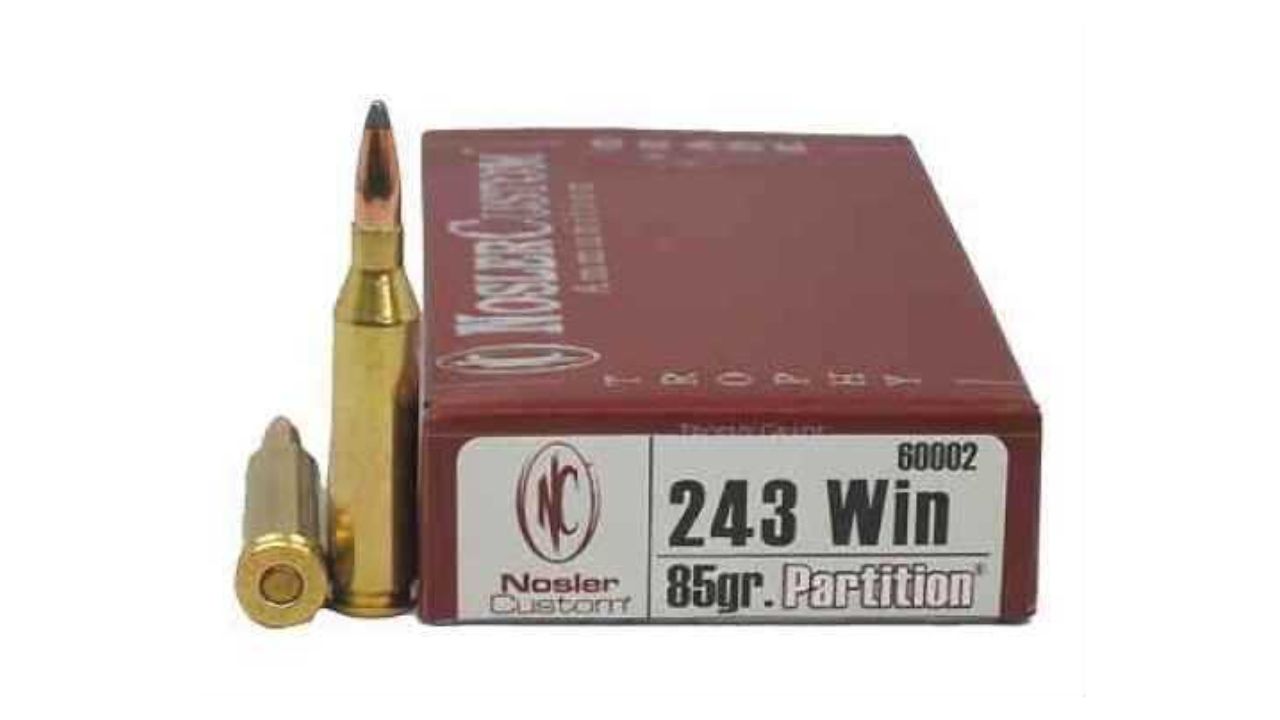
The .243 Winchester has filled plenty of tags, but it can be unforgiving when the shot angle gets sharp or the wind picks up. Light bullets work well on perfect broadside deer, yet they struggle with penetration once bone or heavy muscle gets involved. Hunters often say it “drops deer clean,” and it does—until the hit isn’t placed exactly where it needs to be.
Its mild recoil makes people confident, but confidence doesn’t add extra weight to the projectile. If you hunt in mixed terrain where shot angles change fast, the .243 can run out of margin at the worst possible moment.
.25-06 Remington

The .25-06 is known for speed, which looks great on the bench and in open fields. But that velocity comes with lighter-for-caliber bullets that can fragment on close shots. Hunters who love the round often forget that it doesn’t handle raking angles well, especially if the hit catches the shoulder.
At longer distances, it holds energy well but still lacks the depth needed for tougher hits. Most seasons it works fine because the shots are easy. When the shot isn’t perfect—especially in timber or uneven ground—the limitations show quickly.
.270 Winchester
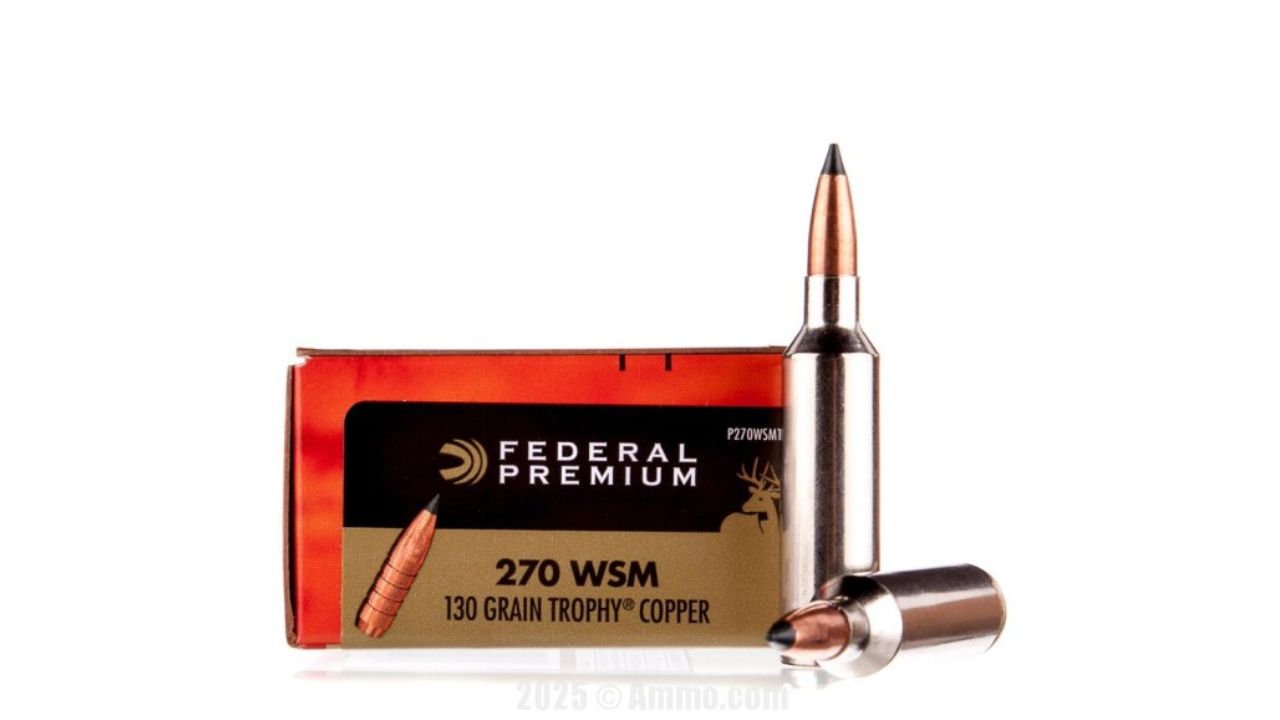
The .270 Winchester is a classic, and for many hunters, it’s what they grew up with. But the truth is that it can be more finicky on impact than people admit. Lighter 130-grain bullets can expand violently on close shots, reducing penetration on heavy-bodied deer or elk.
When everything lines up—clear angle, steady rest, moderate distance—it performs well. When the buck turns halfway or the shot lands a little forward, the .270 can fail to exit, leaving less blood trail than you want. It “works fine” until the day you need margin.
7mm-08 Remington

The 7mm-08 has a great reputation because it’s accurate, mild-recoiling, and hits harder than its size suggests. But the cartridge still relies heavily on bullet selection. Many hunters shoot light 120–140 grain loads that don’t hold together well on steep quartering shots.
In open hardwoods or cutovers, those hits are common. When the angle isn’t ideal, the 7mm-08 can lose penetration fast. It’s a cartridge that performs well under control—steady rest, broadside deer—but the minute conditions shift, it exposes its limitations.
6.5 Creedmoor

The 6.5 Creedmoor shines when you ask it to punch paper or ring steel. But some hunters forget that long, sleek bullets aren’t magic. On close-range impacts, especially with soft-fragmenting bullets, penetration can suffer. That’s where the “works fine” reputation starts to crack.
When you get a quartering-away or quartering-toward shot, bone can disrupt expansion enough to limit how far the bullet drives. The Creedmoor absolutely kills cleanly when the angle is easy, but if the deer isn’t standing just right, performance can drop off fast.
.30-30 Winchester

The .30-30 has taken more deer than most cartridges ever will, but it’s still limited compared to modern rounds. Its rainbow trajectory makes range estimation critical. Hunters who swear by it sometimes forget that 150–170 grain flat-nose bullets shed energy fast beyond 125 yards.
If your shot hits heavy shoulder bone or the deer stands at a quartering angle, the bullet can lose momentum before reaching the vitals. The .30-30 works well inside its short window, but as soon as the scenario stretches out or angles shift, it stops behaving predictably.
.44 Magnum (from rifles)

A .44 Magnum carbine feels handy, hits hard up close, and drops animals well under ideal conditions. The trouble is that those conditions are narrow. Energy falls off sharply after 100 yards, and the big slow bullets don’t perform cleanly on raking shots.
Hunters who rely on a .44 rifle often learn quickly that shoulder hits are unpredictable. Penetration can be deep one day and disappointing the next. It “works fine” in thick woods when the deer stands still, but it isn’t the cartridge you want when anything gets complicated.
.350 Legend

The .350 Legend became popular fast because it’s legal in straight-wall states and doesn’t kick much. But that leads many hunters to push it into situations it isn’t built for. The lightweight bullets struggle with steep angles or shoulder impacts, especially on larger-bodied deer.
Inside 150 yards on broadside shots, it behaves well. Stretch it past that or ask it to drive through bone, and you see the weak spots. Hunters praise it heavily—until the day they hit a quartering buck and watch the penetration fall short.
.223 Remington (for deer)

The .223 can be effective on deer with the right bullets, but it offers almost no margin for error. If you hit the ribs perfectly with a tough bullet, it performs surprisingly well. If the shot shifts forward by an inch or two, shoulder bone soaks up energy fast.
Wind also has more influence than hunters admit. A 10–15 mph crosswind can move a light bullet enough to turn a good hit into a marginal one. The .223 “works fine” until you’re cold, hurried, or shooting through branches—and then it can fail instantly.
.257 Roberts

The .257 Roberts has a loyal following and does great with the right loads, but many hunters use older soft bullets that don’t handle bone well. On broadside deer, it punches cleanly; on quartering shots, it can fragment too early.
Its mild recoil and decent velocity make people overconfident, especially at longer distances. But the Bob doesn’t carry energy as well as modern 6.5s or .270s. It’s a cartridge that behaves well when the shot is predictable and falls apart when the angle isn’t.
.300 Blackout (supers for deer)
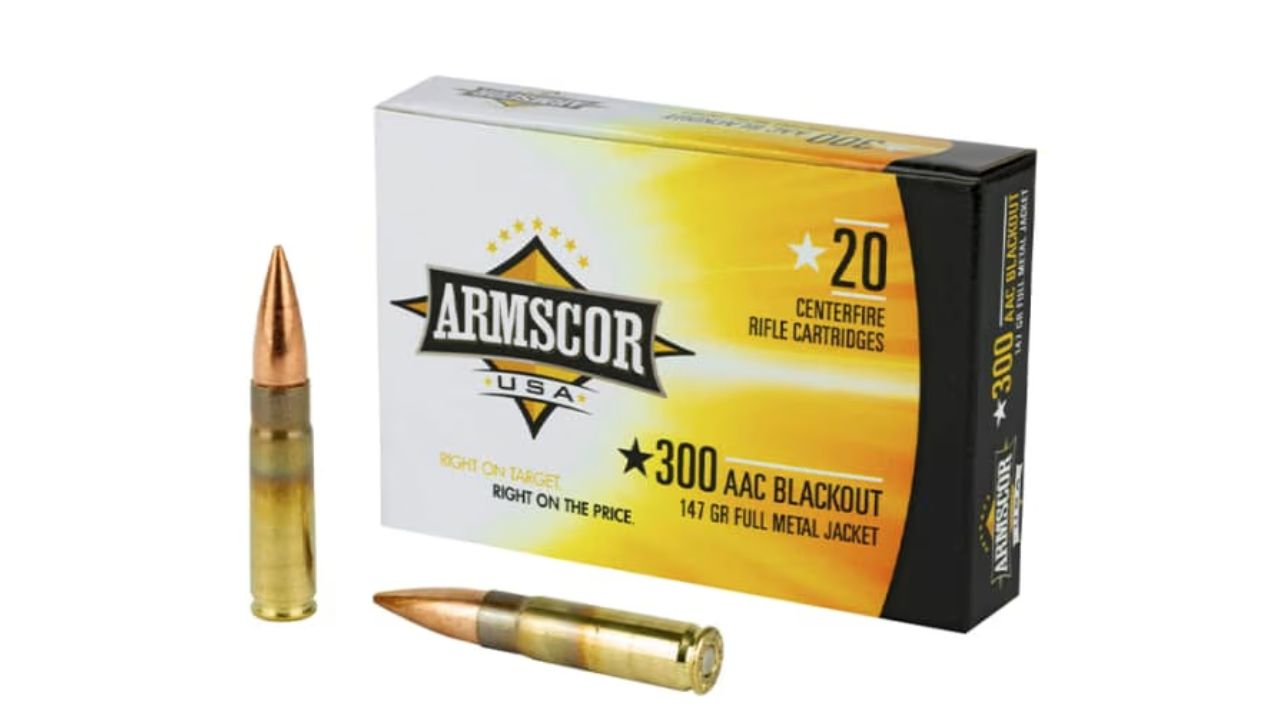
Supersonic .300 BLK loads are fine for close-range deer, but the slow velocity limits expansion. That’s the biggest problem when the shot isn’t perfect. A slight shoulder hit can prevent the bullet from doing enough damage to anchor the deer.
Beyond 125 yards, energy drops off fast. Many hunters assume a .30-cal bullet ensures clean kills, but bullet performance depends heavily on speed. The .300 BLK “works fine” for easy angles in tight timber—but once the situation shifts, it shows its boundaries quickly.
.280 Remington

The .280 Remington is accurate and capable, but inconsistent bullet choices have given it mixed field performance. Hunters who use lightweight 140-grain loads sometimes see shallow penetration or delayed exits on tougher deer.
It performs beautifully with the right bullet, but not everyone chooses that load. So you’ll hear stories of perfect kills and stories of long tracking jobs. Most of the failures come from pushing it into angles where a heavier bullet would have done better.
.30 Carbine
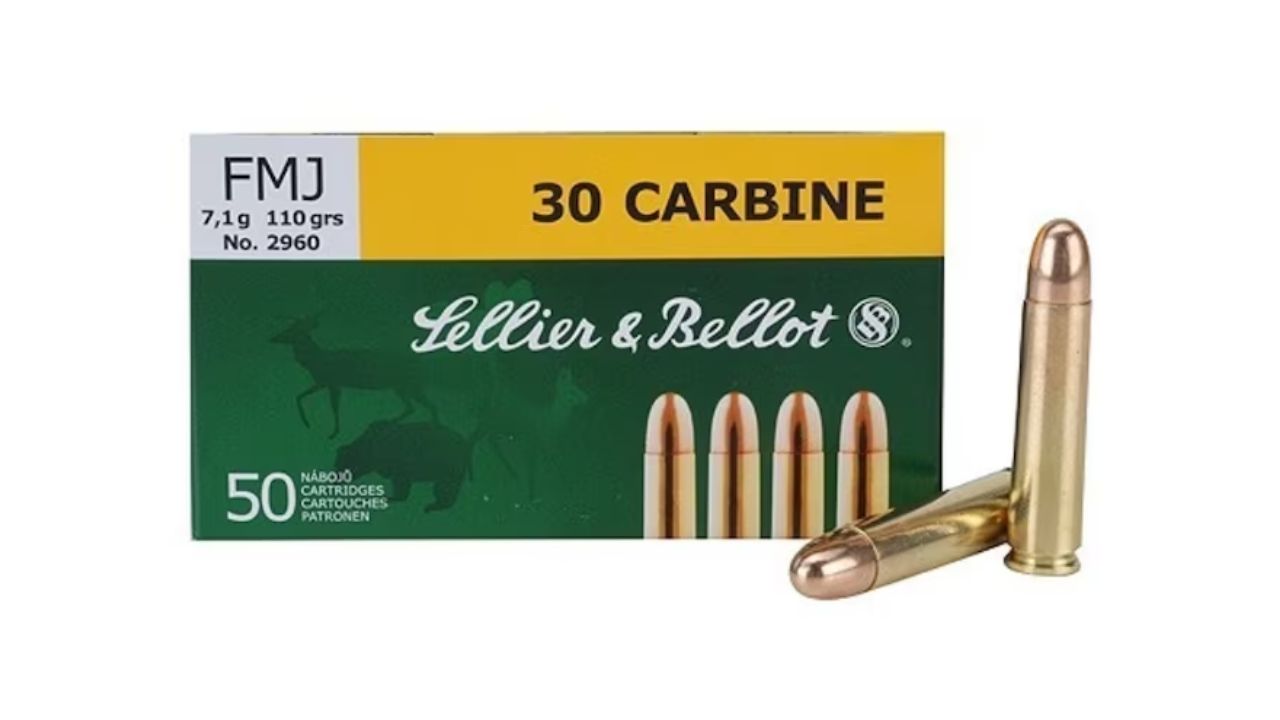
The .30 Carbine from a rifle or M1 carbine can take deer up close, but it rarely performs well on anything except perfect broadside shots. Energy is low, bullet construction is basic, and penetration falls apart quickly on angles.
It’s a round people swear “works fine” because someone used it decades ago. But compared to modern rifle cartridges, it’s severely limited. Once the deer shifts slightly or the range stretches past 75 yards, the performance gap becomes obvious.
.32 Winchester Special

The .32 Winchester Special sits between the .30-30 and .35 Remington, but it doesn’t outperform either. Bullet options are limited, and many loads don’t penetrate consistently on angled hits.
Hunters who grew up with the cartridge swear by it, but its real-world performance is inconsistent. Beyond short timber ranges, it loses energy quickly. When a deer turns even mildly, the bullet’s limited construction becomes a factor fast.
.35 Remington

The .35 Remington punches hard up close, but its slow-moving bullets don’t always deliver the penetration people expect. On perfect broadside shots it performs well, but on raking hits or heavy shoulder impacts, it can struggle.
Trajectory is another issue—drop happens fast past 150 yards. That leads hunters to take shots they think are manageable, only to see the bullet land lower than intended. The .35 Remington “works fine” when the animal cooperates, but it doesn’t give you much forgiveness when it doesn’t.
Like The Avid Outdoorsman’s content? Subscribe to our newsletter so you never miss an article.
Here’s more from us: