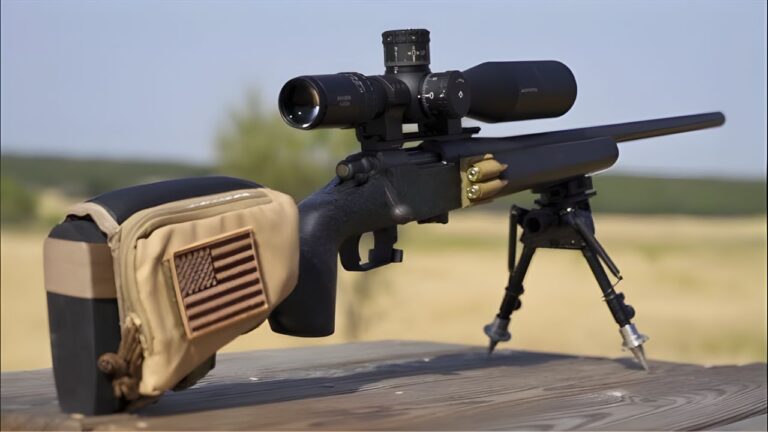
Photo credit: TheFirearmGuy/YouTube
Every company wants to convince you their handgun is problem-free, but anyone who’s spent time on ranges, in classes, or around working instructors knows that some models carry issues their makers never really address. These aren’t internet myths or one-off lemons—they’re patterns that keep showing up across training groups, defensive classes, and long-term ownership.
Some of these pistols look great in ads and feel solid in the hand, but the cracks start to show once the round count goes up. When you see the same stoppages, the same broken parts, and the same accuracy quirks year after year, it’s clear the companies behind them would rather pretend everything is fine.
Remington R51

The R51 is one of the most well-known examples of a pistol that never lived up to its marketing. You’ll feel the odd recoil impulse immediately, and shooters often describe it as unpredictable and harder to manage than it needs to be. That alone would hold it back, but the cycling issues are where things really fall apart.
Many R51s struggle with feeding and ejecting once you start running hollow points or even high-volume practice ammo. Accuracy can be inconsistent, with groups shifting around the target even when you’re steady on the trigger. Companies usually fix problems like this quickly—but Remington doubled down instead of admitting how flawed the design truly was.
Kimber Solo

The Kimber Solo came out with premium branding, but instructors know it’s one of the pickiest pistols ever sold as a defensive option. It’s infamous for requiring only specific loads to run properly, and most shooters don’t find that out until after the malfunctions start. A carry gun that chokes on common ammunition is a liability, not a tool.
The Solo’s trigger is also stiff and inconsistent, making accuracy harder than it should be. Even skilled shooters struggle to get clean, repeatable groups at realistic defensive distances. Kimber never really acknowledged how unreliable this gun was in the hands of everyday users, leaving many owners frustrated.
Taurus PT111 Millennium (older models)
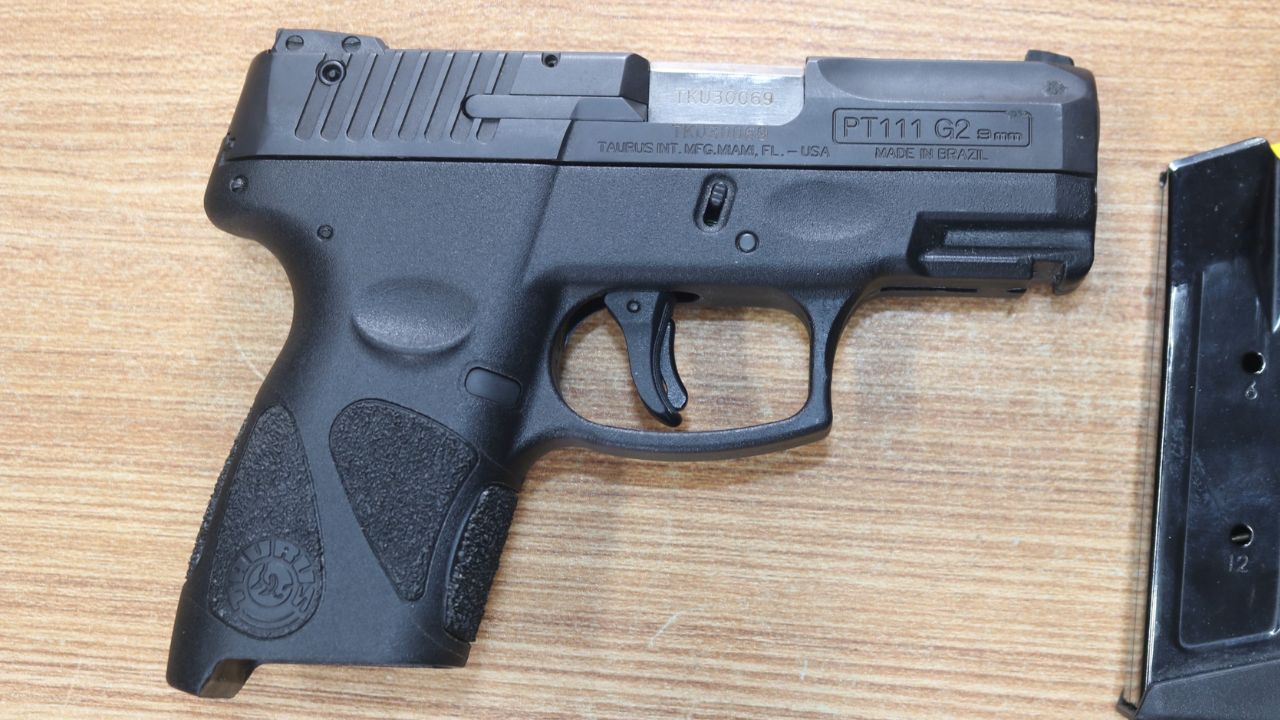
Older PT111 Millennium pistols developed reputations for unpredictable triggers and frequent malfunctions. Light strikes, feeding issues, and early wear on internal parts weren’t uncommon. The accuracy problems often came from the long, uneven trigger pull that pushed shots low or yanked them off center.
Taurus eventually improved the line with later versions, but the company never addressed how widespread those earlier flaws were. Shooters who owned the problematic models were left with pistols that felt more like projects than reliable tools. Even today, instructors instinctively brace themselves when they see one show up on the line.
SIG P290RS
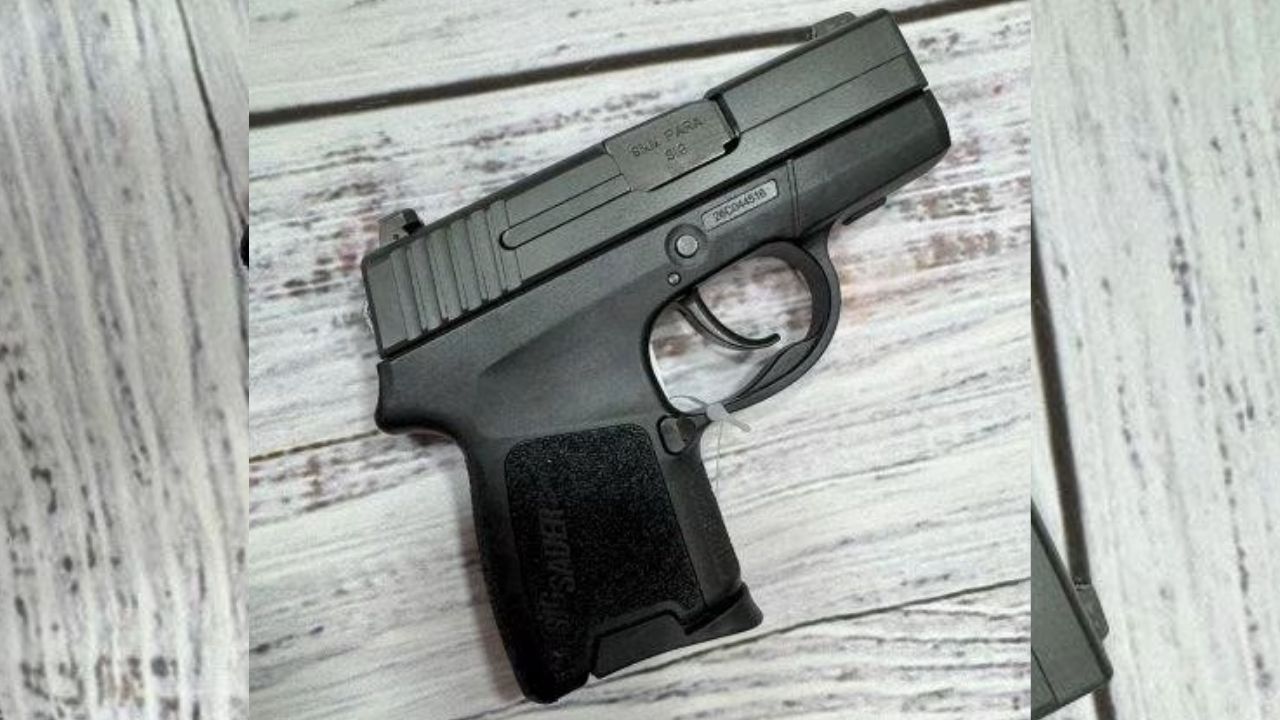
The P290RS is a sturdy little pistol, but the long double-action trigger creates more problems than SIG ever acknowledged. Shooters struggle to keep the gun steady through the break, and rounds land low or wander sideways. The trigger reset feels slow and heavy, making controlled pairs harder than they should be.
Recoil is also surprisingly sharp for the size, and the grip doesn’t give you much to counter it. That leads to cycling problems when shooters can’t maintain enough pressure. Owners often assume the gun’s reliability issues are isolated, but instructors know they show up across many examples.
Smith & Wesson Bodyguard 380

The Bodyguard 380 is easy to carry, but instructors see the same issues over and over: light strikes, stiff triggers, and erratic point of impact. The trigger alone sets shooters back because it’s long, heavy, and difficult to run without pulling shots off target.
Mechanically, early models had real trouble with reliability. Some of those flaws have been reduced over time, but the company rarely acknowledged how many guns struggled out of the box. Even now, many shooters report inconsistent ignition or odd extraction habits. It’s a pistol that demands more patience than most new owners expect.
Walther CCP (first generation)
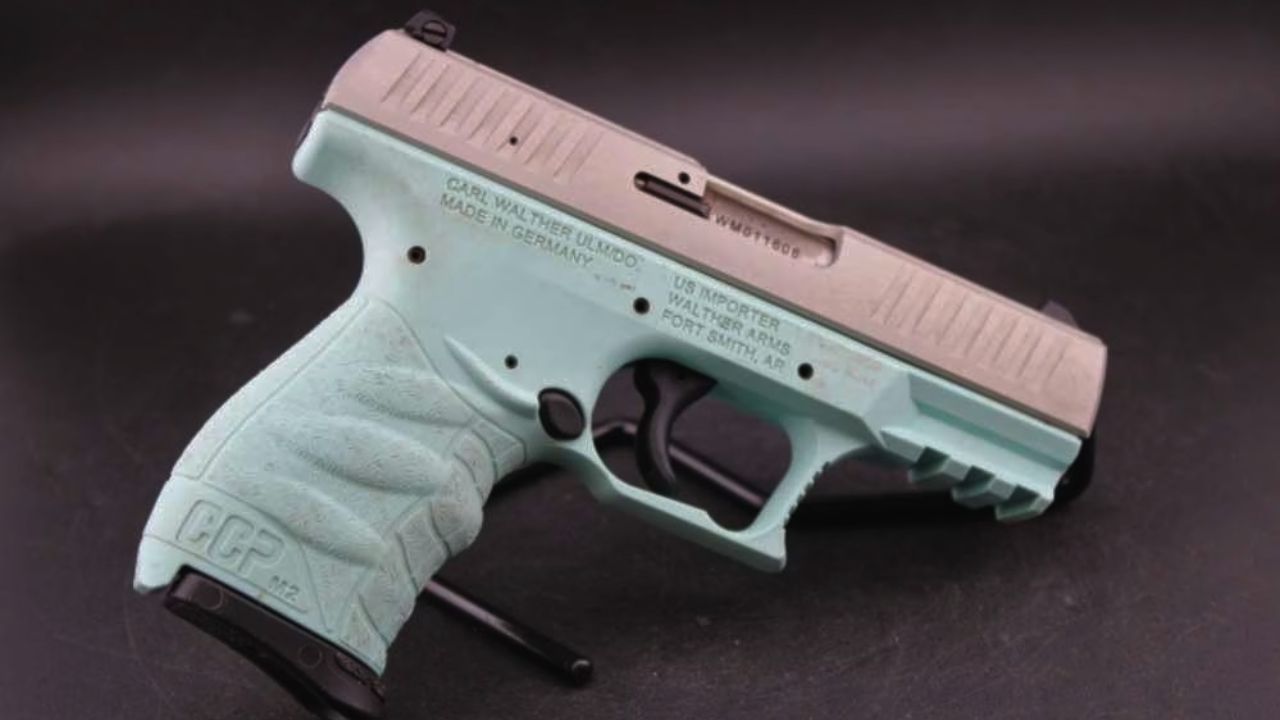
The original CCP had one of the more problematic release cycles in recent memory. The gas-delayed system created unusual heat issues, and the pistol was difficult to disassemble without tools. That alone caused headaches, but the real problems were stoppages and gas-system sensitivity.
The first-gen CCP frequently struggled with feeding certain bullet shapes and could feel sluggish when fouled. Walther issued a voluntary recall, but the company still highlighted the gun’s “comfort” design instead of owning the flaws outright. Many CCP owners found themselves fighting the gun far more than they expected.
Beretta Nano

The Nano is sleek and compact, but the reliability complaints have been consistent for years. Many shooters experience feeding issues with hollow points, and the gun often feels sensitive to grip pressure. That leads to stoppages that Beretta never fully admitted were tied to the design.
Accuracy isn’t great either. The long trigger and short sight radius magnify small mistakes, causing groups to drift or open up. Instead of acknowledging these issues, the marketing focused on its snag-free profile. Shooters quickly learned that smooth edges didn’t make up for rough performance.
Ruger LC9

The LC9 is dependable in some ways, but its long trigger has frustrated thousands of new shooters. It’s difficult to break cleanly, and the extended pull leads to dipping shots or drifting rounds. Ruger improved it with the LC9s, but they never openly acknowledged how problematic the original design was.
Recoil feels harsher than expected for such a small pistol, which causes cycling issues in inexperienced hands. Instructors have seen the same pattern for years: a new shooter brings an LC9, fights it all class, and leaves assuming the problem is them—not the pistol.
Honor Defense Honor Guard
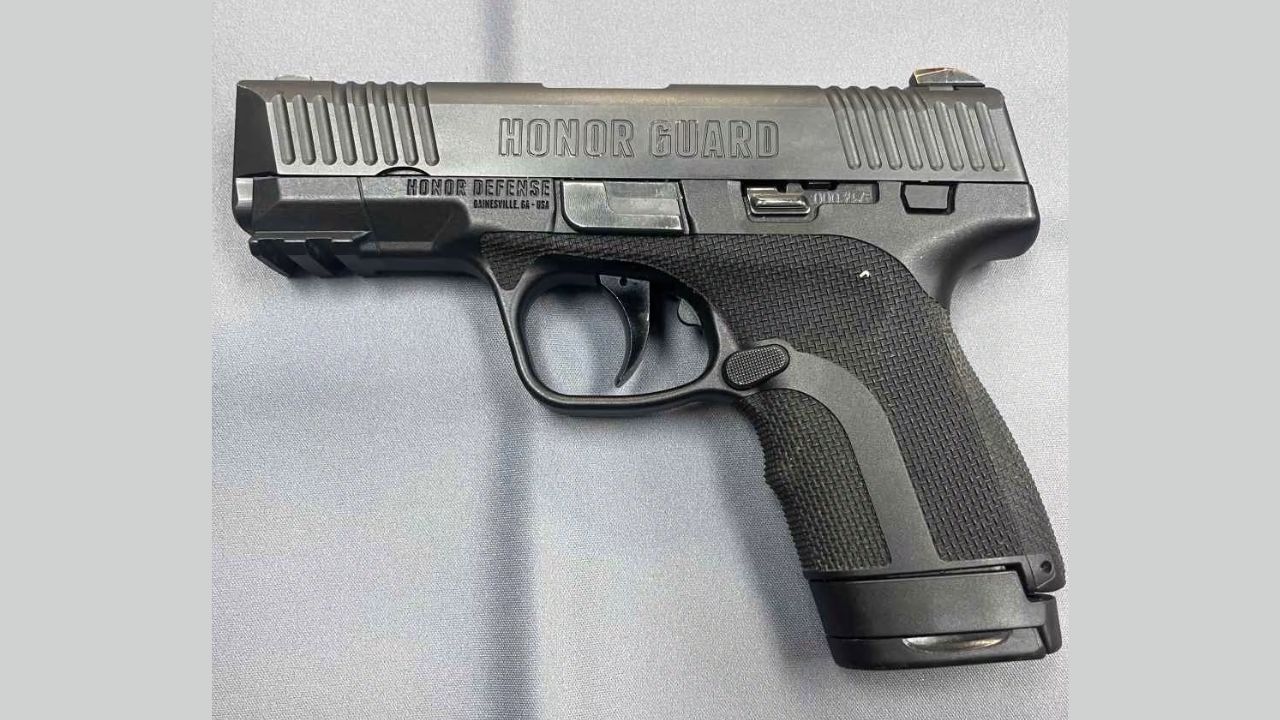
The Honor Guard entered the market promising duty-grade performance in a compact frame, but that promise fell apart quickly. Accuracy varied widely between guns, and the trigger feel changed more than most shooters were comfortable with. Many instructors noticed inconsistent point of impact that couldn’t be fully explained by fundamentals alone.
Early concerns about drop safety didn’t help, and while updates were made, the company never directly addressed how serious the flaws were. The gun faded from the mainstream for good reason—too many inconsistencies and not enough accountability.
KelTec PF9

KelTec pistols fill a niche, but the PF9’s reliability complaints were widespread enough that they weren’t “one-off issues.” The pistol is extremely light, which makes the recoil sharp and difficult for many shooters to handle. That leads to limp-wristing, feed failures, and ejection problems that KelTec rarely acknowledged in meaningful ways.
Even on its best day, the PF9 is hard to shoot accurately. The narrow grip and heavy trigger make tight groups a challenge. Instead of addressing the design constraints, the company treated the gun like any other compact 9mm—which didn’t match what instructors were seeing in real use.
SCCY CPX-1 / CPX-2

SCCY pistols are budget-friendly, but their heavy triggers have caused accuracy headaches for years. Shooters fight the pull from the first shot, and the long travel leads to drifting groups. Cycling issues also show up often, especially with weaker practice ammo or lighter grip pressure.
These flaws appear across many examples, but SCCY markets the guns as ideal for beginners—without acknowledging that the design demands more skill than most new shooters have. Instructors see the results every season: frustrated students and unpredictable performance.
Kahr CW380

The CW380 is tiny and easy to carry, but it has a reputation for being finicky. Many examples struggle through their break-in period, with failures to feed or extract showing up well into the round count. Kahr manuals mention break-in, but the company never openly states how many guns run rough far beyond that.
The trigger is smooth but long, which affects accuracy. Combine that with the extremely short sight radius and you get a pistol that’s tougher to shoot well than its size suggests. Owners often assume the faults are theirs—until they compare notes with others.
Colt Mustang Pocketlite (older runs)

The Mustang Pocketlite has a strong following, but older production runs weren’t as flawless as the reputation suggests. Instructors saw inconsistent reliability, particularly with hollow points. Some examples suffered from feed ramp geometry issues that Colt didn’t publicly acknowledge.
The light frame also makes the gun more sensitive to shooter input, which leads to malfunctions when fundamentals slip. Instead of addressing those weaknesses, marketing continued emphasizing nostalgia and style. Eventually quality improved, but many early owners dealt with problems the company never truly owned.
Diamondback DB9 (early generations)

The early DB9 models were some of the most notoriously fragile 9mms on the market. Parts wore quickly, recoil was punishing, and reliability was inconsistent with even well-known defensive loads. Diamondback improved the design over time, but the company never fully admitted how rough those early models were.
The gun’s extreme lightweight made it difficult to control, and accuracy suffered because shooters couldn’t keep a steady grip. Many examples had very short lifespans before components loosened or broke. Instructors remember those first generations for one thing: headaches.
SIG Mosquito

The Mosquito was sold as a fun .22 trainer, but it struggled with reliability from the start. Many examples only cycled well with specific high-velocity ammunition, and even then malfunctions were common. SIG downplayed the sensitivity, but shooters quickly figured it out the hard way.
Triggers varied wildly between guns, making accuracy unpredictable. Students often thought something was wrong with their technique until they switched pistols and immediately shot better. The Mosquito never lived up to the SIG name, and the company quietly moved on without ever acknowledging the full scope of its issues.
Like The Avid Outdoorsman’s content? Subscribe to our newsletter so you never miss an article.
Here’s more from us: