Photo credit: IndigoBunting/Pixabay.com
An Idaho trophy elk case is getting attention well beyond the Panhandle because it reads like the kind of story wildlife officers warn about for years but do not always get the evidence to prove. Idaho Fish and Game said Coeur d’Alene resident Joel Rose was convicted after investigators concluded he illegally killed a trophy-class bull elk with a rifle during an archery-only season on Sept. 10, 2024, then tried to make the kill appear legal. According to the agency, the case started with a Citizens Against Poaching tip and moved quickly from suspicion to forensic work: officers recovered a 6.5 mm bullet from the elk’s hide, served a search warrant at Rose’s home the next day, and later said ballistic analysis tied the evidence to a seized 6.5 Creedmoor rifle equipped for long-range shooting and sound suppression. Fish and Game also said the investigation found the elk had been hit by two lethal rifle shots and that an arrow had been inserted into the carcass after the animal was already dead.
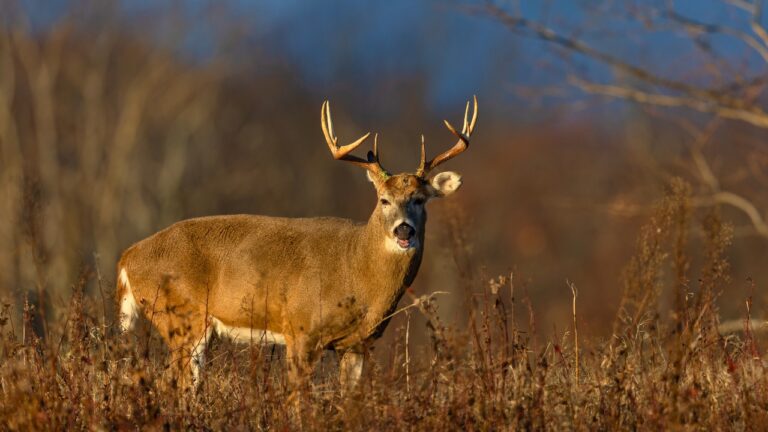
That combination is what turned this from a campfire rumor into a major wildlife case. Idaho Fish and Game said the bull’s antlers scored greater than 300 inches under Boone and Crockett standards, making it a “trophy” under Idaho law and giving the animal an assessed damage value of $5,000. The agency said Rose was convicted following a two-day jury trial in Kootenai County in late June 2025, and a later March 6, 2026 sentencing release said the case ultimately ended with $6,750 in restitution plus fines and court costs, a suspended prison term of up to five years, 60 days in county jail, four years of supervised felony probation, a 17-year hunting license revocation, 200 hours of community service and a requirement to complete an in-person hunter education course. For hunters, that sentence was a reminder that trophy-poaching cases can carry real consequences when investigators can piece together the physical evidence and show a jury what happened.
How the story started to come apart
The official timeline matters here because it shows how these investigations often turn on small details that do not fit the original story. Fish and Game said the elk was killed near Rose’s residence on private property in the Wolf Lodge area of Kootenai County during an archery-only season. The animal was described as well known locally because of its unusual antler configuration, and the agency said other hunters had pursued it for several years. That made the case notable from the start, but what really changed things was the tip and the bullet. According to Idaho Fish and Game, the Citizens Against Poaching report led to recovery of the 6.5 mm projectile from the hide, and that discovery appears to have given officers the hard lead they needed to move beyond hearsay. Once investigators served the Sept. 11, 2024 search warrant, the case shifted from a disputed hunting story to a testable evidence trail involving the rifle, antlers, meat, bow gear and photographs.
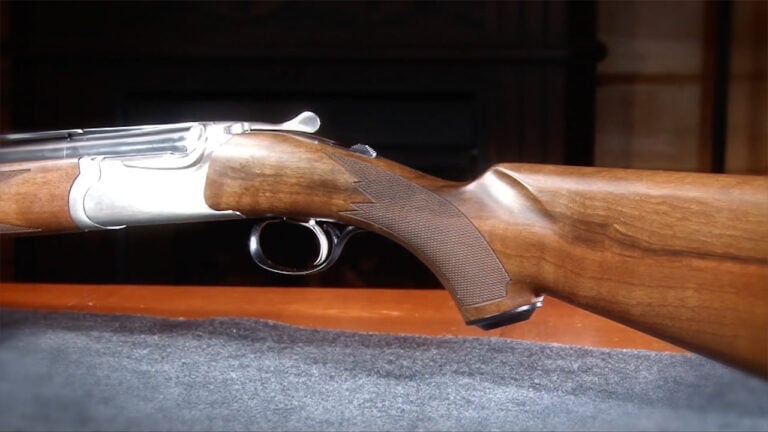
That is the part many hunters notice first, because wildlife investigations do not always get that kind of physical trail. Fish and Game said officers seized a 6.5mm Creedmoor rifle with a silencer, and later ballistic analysis found rifling characteristics consistent with the bullet recovered from the elk. The agency also said evidence showed Rose had been specifically targeting the bull during the archery season, which overlaps the rut in North Idaho, and that after the rifle kill he posed in photos with the elk while an arrow protruded from the carcass. That last detail is one reason the story has lingered in hunting circles. A lot of poaching cases involve obvious illegality like spotlighting, trespass or out-of-season shooting. This one drew more reaction because officials say it involved staging a scene to borrow the appearance of a lawful archery kill. That goes straight at the trust that underpins weapon-restricted seasons.
Why archery-season cheating hits a nerve
In most hunting communities, an archery-only season is not viewed as a technicality. It is its own kind of hunt, with its own access, timing and built-in limitations. Idaho’s 2025-26 big game rules show how seriously the state treats those distinctions. The agency’s season update notes that some hunts have been reworked specifically around weapon type, including extended archery-only dates in at least one mule deer unit and separate opportunity structures that treat archery, muzzleloader and any-weapon hunting as different categories rather than interchangeable methods. Those divisions are part of the state’s broader management system and part of what many hunters believe gives each season its legitimacy. The gear restriction is not just a box to check. It shapes range, shot opportunity, pressure on animals and the nature of the hunt itself.
That is why accusations like this keep sparking a bigger ethics debate than the average violation. To many bowhunters, a rifle kill passed off as an archery kill is not simply someone using the wrong tool. It is someone trying to take the easier ballistic advantages of a centerfire rifle while still claiming the identity and prestige associated with a close-range bow hunt during the rut. Idaho Fish and Game did not frame the case in those cultural terms, but the facts in its releases explain why the reaction has been so strong. The agency said the elk was taken in an archery-only season, that the rifle was set up for long-range shooting, and that an arrow was inserted after death. That is the exact kind of fact pattern that turns a standard poaching case into a fairness issue that regular hunters talk about for months, because it looks less like a momentary lapse and more like a deliberate attempt to beat both the rules and the culture around them.
What the case says about enforcement now
Another reason this case matters is that it shows how wildlife enforcement is evolving. Fish and Game repeatedly credited the public reporting system for helping open the investigation. In the July 2025 release, the agency said the conviction came thanks to a tip through the Citizens Against Poaching hotline. In the March 2026 sentencing release, it again said the investigation into the unlawful taking of the elk was aided by a call from a member of the public. That kind of language is not filler. It reflects how many wildlife cases are actually built. Officers cannot be everywhere, especially in big-game country, so enforcement often depends on local hunters, landowners and neighbors noticing details that do not add up and deciding to say something.
The case also shows that once officers do get a credible lead, they may have more tools than some violators assume. Ballistics, digital photographs, seized gear, carcass examination and location details can all matter. Idaho Fish and Game has documented other rifle-in-archery-season violations in past enforcement reports, including an older case where a defendant shot a bull elk with a rifle in an archery-only season and then falsely claimed he had been hunting in another zone. That older case did not have the same profile, but it showed the same basic lesson: these are not impossible cases to make when investigators can compare the story to the animal, the weapon, the place and the season. The modern reality is that a false narrative can collapse once enough pieces are lined up beside each other.
For the hunting world, the broader takeaway is not that most hunters are cutting corners. It is the opposite. The reason these cases cause so much anger is that most hunters do follow the season structure, buy the right tags, live with the weapon restrictions and accept that some animals will walk because the legal shot never came together. Cases like this sting because they put a spotlight on the few people willing to chase the image of a hard-earned animal without living by the same limits everybody else accepted. Idaho Fish and Game’s releases on the Rose case are a reminder that trophy animals, especially recognizable ones, draw a lot of attention and that officers will keep working those cases when the facts support it. They are also a reminder that when a story sounds just a little too neat for the season it supposedly happened in, investigators may keep pulling on the thread until the whole thing unravels.
Like The Avid Outdoorsman’s content? Subscribe to our newsletter so you never miss an article.
Here’s more from us: