Photo credit: ConcealedCarry dot com/YouTube
There’s nothing worse than a gun that looks dependable until you need it most. The kind that runs fine at the range but fails when sweat, dirt, or pressure enter the picture. Many carry pistols earn loyal followings only to show their true colors later—feeding issues, wandering sights, parts that loosen up, or accuracy that falls apart after a few boxes. Some are built too tight, some too cheap, and some were never meant to be trusted in real-world carry conditions. If you’ve spent time around serious shooters, you’ve probably heard stories—or lived them. Here are the sidearms that prove a “reliable reputation” doesn’t always mean it’ll have your back when things go bad.
Kimber Solo Carry
The Kimber Solo looks and feels like a premium pocket 9mm. It’s compact, smooth, and built with the kind of machining that grabs attention. But beneath the finish lies one of the most temperamental pistols ever sold for concealed carry.
The Solo’s biggest downfall is its appetite. It demands high-pressure defensive loads to function reliably, and even then, feeding problems are common. Light target loads turn it into a single-shot pistol. Many owners report jams after a few magazines, along with stiff controls and poor reset. It’s beautiful, sure—but it’s also one of those guns you stop trusting after too many failures on the line.
Remington R51

The Remington R51 should have been a comeback story for the brand. It promised low recoil, easy carry, and a throwback design with modern updates. Instead, it became one of the biggest letdowns in recent handgun history.
Early models suffered from failures to feed, lockups, and even out-of-battery discharges. The updated versions fixed some of the worst issues but couldn’t shake the bad reputation. On paper, it’s sleek and manageable. In practice, it’s unpredictable and frustrating. Even after Remington’s revision, the R51 remains the kind of gun you clean, admire, and then leave at home when it’s time to actually carry.
Taurus Spectrum
Taurus has come a long way with some of its newer designs, but the Spectrum missed the mark. It aimed to be a smooth-shooting .380 with sleek styling and comfortable grips, but reliability never kept up with the looks.
Owners frequently report failures to feed and extract, especially after extended use. The trigger is heavy, the reset is long, and the slide serrations are too slick for confident manipulation. In hot or cold weather, it becomes hard to handle—literally. It’s the kind of pistol that seems fine on day one but quickly teaches you that looks mean little when reliability isn’t part of the package.
SIG Sauer P238
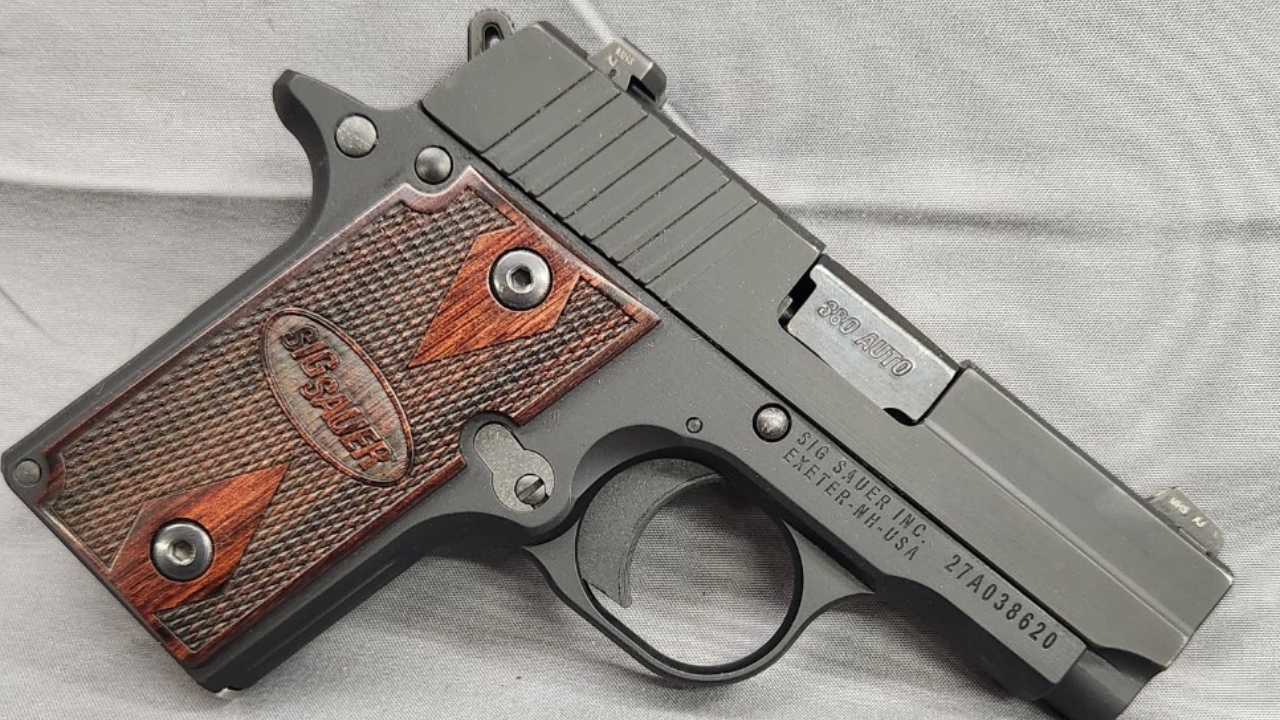
The SIG P238 is a well-made micro 1911 in .380 ACP that feels premium in every way. It’s accurate, light, and easy to conceal. But it’s also finicky about ammo and lubrication, and its small size makes it sensitive to grip and limp-wristing.
For some shooters, it runs flawlessly. For others, it’s one malfunction away from being retired. The tiny frame amplifies every flaw in form or maintenance. You’ll still polish it and appreciate the build quality, but you’ll hesitate to carry it after a few misfeeds in cold weather or when running different ammo brands. It’s a range darling—not a gun you want when stakes are high.
SCCY CPX-2
The SCCY CPX-2 gets points for affordability and simplicity, but budget design often shows where it counts most—in reliability. The long, gritty trigger, loose tolerances, and inconsistent extraction make it unpredictable for serious carry.
While some examples run well, others can’t make it through a box of ammo without a stoppage. The polymer frame flexes noticeably, and accuracy drops fast past ten yards. It’s a solid “truck gun” or backup for those on a budget, but it’s not one you should trust unconditionally. The SCCY may look like an affordable way into carry, but reliability isn’t something you want to gamble on.
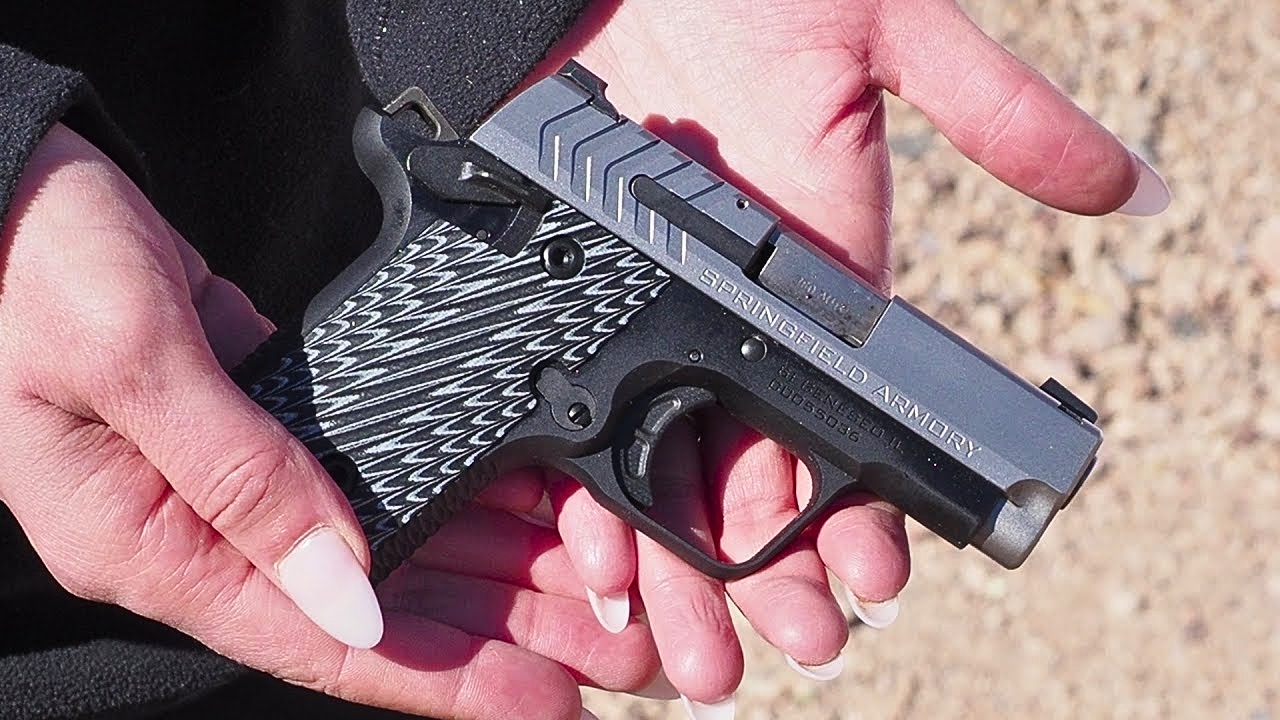
Springfield 911

Springfield’s 911 was meant to take on SIG’s P238—a mini 1911-style pistol in .380 ACP. It’s sleek, accurate, and crisp to shoot when everything’s working right. But those same tight tolerances and micro parts make it vulnerable to failure when neglected or dirty.
It doesn’t take much lint or grime to throw off reliability. Add in a stiff recoil spring and finicky magazine design, and you’ve got a gun that needs more maintenance than most people want to give a carry pistol. It feels excellent in the hand, but its “carry ready” claim only holds up for shooters willing to baby it.
KelTec P3AT
The KelTec P3AT deserves credit—it kicked off the micro .380 craze. But in today’s world, it shows its age. The trigger is heavy, the sights are minimal, and reliability varies wildly from one gun to the next.
Feed ramps often need polishing, and recoil springs wear out fast. It’s lightweight enough to forget you’re carrying it, but you’ll remember it when you try to hit anything beyond arm’s reach. It’s a true pocket pistol, but one that demands a lot of compromise. On the ranch or as a backup, fine. As your only line of defense? You’ll wish for something more consistent.
Colt Defender

The Colt Defender carries one of the most trusted names in handguns—but even big names can disappoint. The short barrel and aluminum frame make it ideal for carry, but they also magnify the 1911 platform’s reliability quirks.
Short-slide 1911s often struggle with timing issues, and the Defender is no exception. Ejection problems, feed hiccups, and sharp recoil are all part of the experience. Some run perfectly—but too many don’t. You might get a reliable specimen, or you might spend months tuning it to achieve consistency. Either way, it’s a gun that can betray your expectations fast.
Kimber Micro 9
The Kimber Micro 9 combines classic looks with modern concealment appeal. It’s slim, precise, and undeniably attractive. But like many of Kimber’s small pistols, it tends to be finicky with ammo and sensitive to dirt.
Owners report cycling failures after minimal shooting, especially with hollow points or light loads. The tolerances are so tight that any lack of lubrication becomes a reliability issue. It’s great for the range when cleaned and pampered, but not something you want to rely on after weeks of daily carry. The Micro 9 performs like a showpiece, not a workhorse.
Walther CCP (First Gen)

Walther’s CCP looked like a winner—comfortable grip, soft recoil system, and easy handling. Unfortunately, the first generation became known for feeding issues, striker problems, and an unsafe disassembly design that could pinch or cut users.
Even when running smoothly, its gas-delayed blowback system made cleaning a chore. Many owners loved the ergonomics but couldn’t trust it after repeated stoppages or sluggish cycling. Later versions fixed most issues, but the original CCP left a lasting stain. It’s the perfect example of a gun that feels great in hand but can leave you stranded when it matters most.
Like The Avid Outdoorsman’s content? Be sure to follow us.
Here’s more from us:
The worst deer rifles money can buy
Sidearms That Belong in the Safe — Not Your Belt
*This article was developed with AI-powered tools and has been carefully reviewed by our editors.