Photo credit: Hunting Mark – CC BY 2.0/Wiki Commons
Every caliber has tradeoffs, and barrel life is one that often gets overlooked. High velocity, tight bores, and extreme powder charges are a recipe for fast throat erosion. While some hunters and precision shooters accept it as the price for flat trajectories or extreme accuracy, others find themselves burning through barrels in less than a thousand rounds. If you’ve ever wondered why certain rifles lose their edge so quickly, here are the calibers that earn a reputation for eating steel faster than most.
.220 Swift
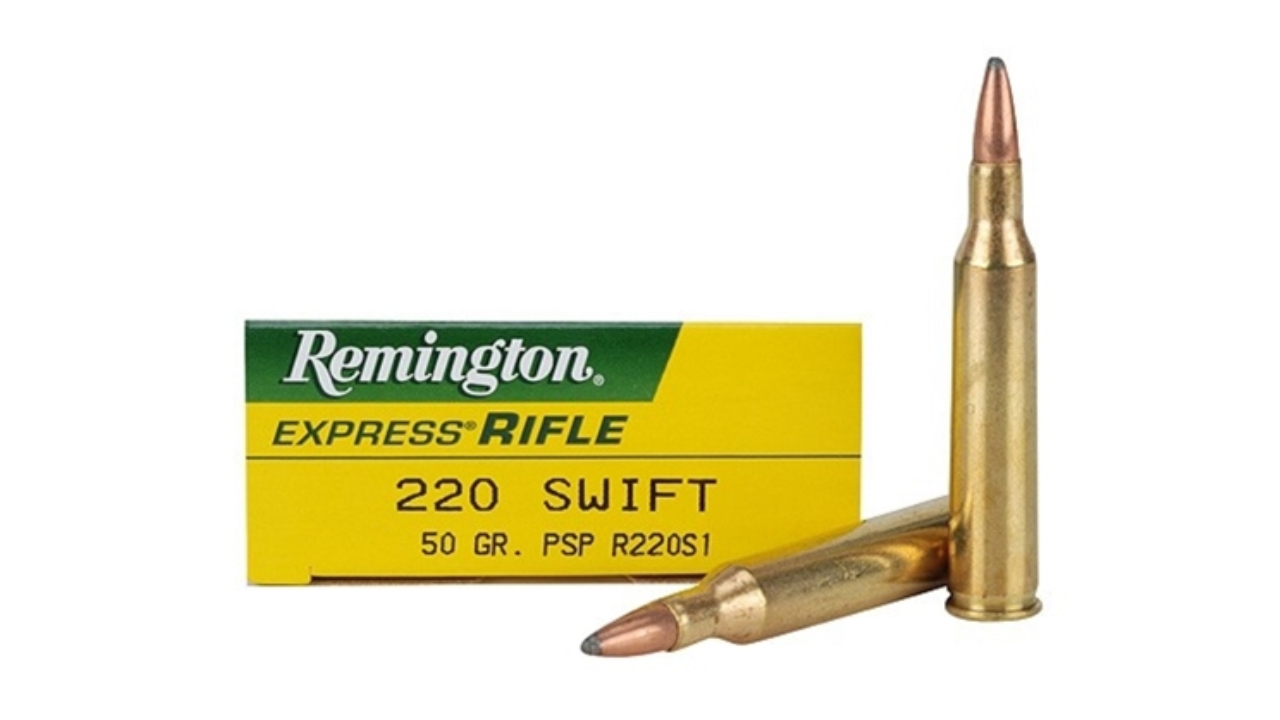
The .220 Swift has been famous for its blistering speed since it first hit the scene. But that velocity comes with a price—barrel life measured in hundreds, not thousands, of rounds. The throat erodes quickly, especially if you’re running hot loads.
On prairie dog hunts where volume is high, barrels can wear out in a single summer. Careful reloaders can extend its life a bit, but you’ll always be fighting heat and erosion in this caliber.
.243 Winchester

The .243 is a versatile hunting round, but it’s also known for chewing up barrels. Running light, fast bullets through a relatively small bore accelerates throat wear faster than many expect.
Competitive shooters in disciplines like high-power matches often report accuracy dropping off after a couple thousand rounds. For hunters firing only a few shots per season, it’s less of an issue, but if you train or shoot often, don’t expect a .243 barrel to last long.
6.5-284 Norma
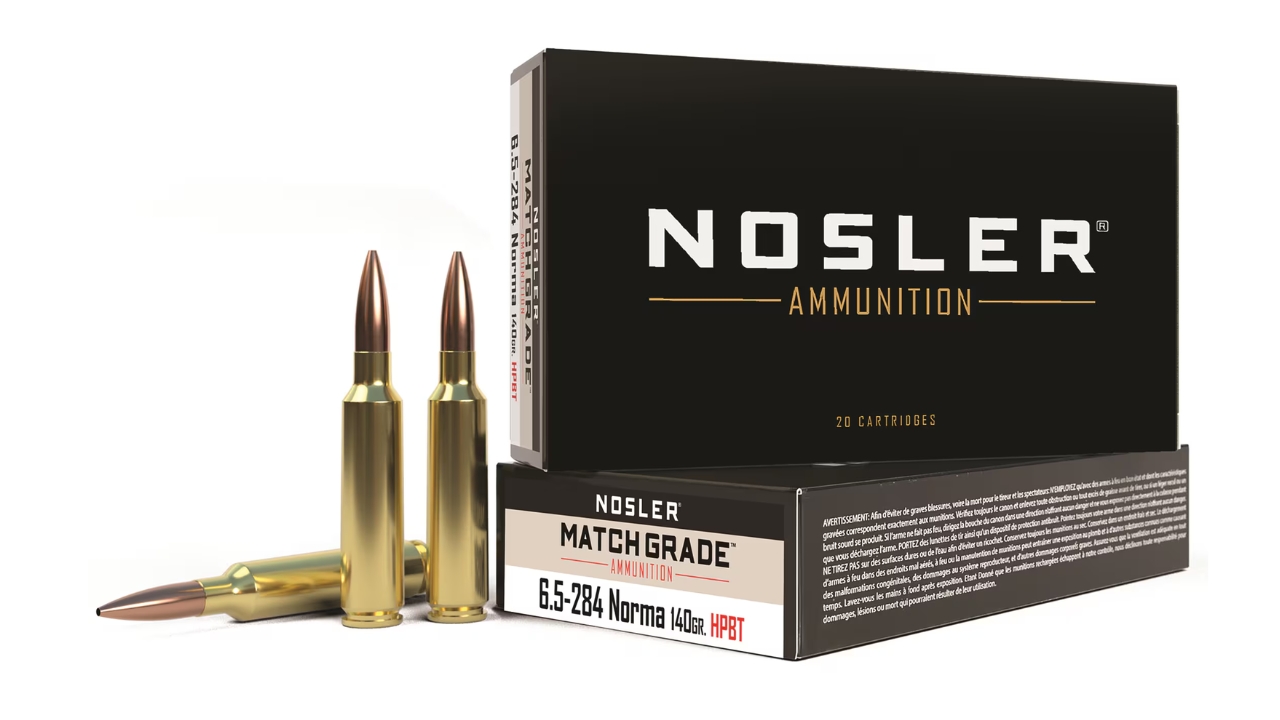
The 6.5-284 Norma was built for long-range precision, but it does so at the expense of barrel life. The case capacity is large for the bore size, which means hotter burns and faster erosion.
Most shooters find accuracy starting to fade by 1,000–1,500 rounds, depending on load and maintenance. It’s a cartridge that delivers on distance but leaves you budgeting for re-barreling far sooner than more balanced options like the 6.5 Creedmoor.
.257 Weatherby Magnum

Roy Weatherby loved speed, and the .257 Weatherby Magnum proves it. Pushing small bullets at extremely high velocities creates devastating performance on game, but it’s hard on barrels.
Hunters praise its effectiveness on deer and antelope, but those who shoot it frequently see accuracy fade quickly. Barrel life is often around 800–1,200 rounds, making it a caliber that’s best reserved for specific hunts rather than heavy practice.
7mm Remington Ultra Magnum

The 7mm RUM is all about raw horsepower, but that much powder behind a small bore accelerates throat wear. While it’s capable of excellent long-range performance, most shooters see barrel life cut dramatically short.
Some hunters never notice because they don’t put that many rounds downrange. But long-range shooters chasing tight groups often report fading accuracy within 1,000–1,200 rounds. If you go with a 7mm RUM, you’re trading longevity for ballistic performance.
.30-378 Weatherby Magnum

This cartridge is legendary for its velocity, and equally notorious for short barrel life. With massive powder charges and extreme heat generation, it eats steel at a staggering rate.
Barrels often lose precision well under 1,000 rounds, sometimes even sooner with hot handloads. It’s impressive in power and reach, but unless you’re prepared for frequent re-barreling, the .30-378 is a costly companion in terms of maintenance.
.264 Winchester Magnum

The .264 Win Mag promised flat trajectories and long-range capability, but its reputation for torching barrels has always followed it. It’s one of the fastest throat burners in the magnum family.
Many shooters reported accuracy falling off sharply after just 1,000–1,200 rounds. Though it still has fans, its demanding barrel wear is one of the reasons it never caught on the way Winchester hoped.
6mm Creedmoor

The 6mm Creedmoor has exploded in popularity with precision rifle competitors, but its barrel life is noticeably shorter than its 6.5mm cousin. The case is efficient, but pushing 6mm bullets fast still generates wear.
Serious PRS shooters often plan for 1,500 rounds of top accuracy before a re-barrel. For hunters firing less, this isn’t a big deal, but high-volume shooters will see barrel life vanish quicker than expected.
.204 Ruger

The .204 Ruger is a small-caliber speedster that many varmint hunters love, but all that velocity in a tiny bore accelerates throat erosion. Extended shooting sessions heat up the barrel fast, compounding the problem.
If you’re firing hundreds of rounds in a weekend at prairie dogs, you’ll burn out barrels quickly. It’s manageable with slow fire and careful cooling, but frequent shooters often find they’re swapping barrels sooner than they’d like.
7mm Weatherby Magnum
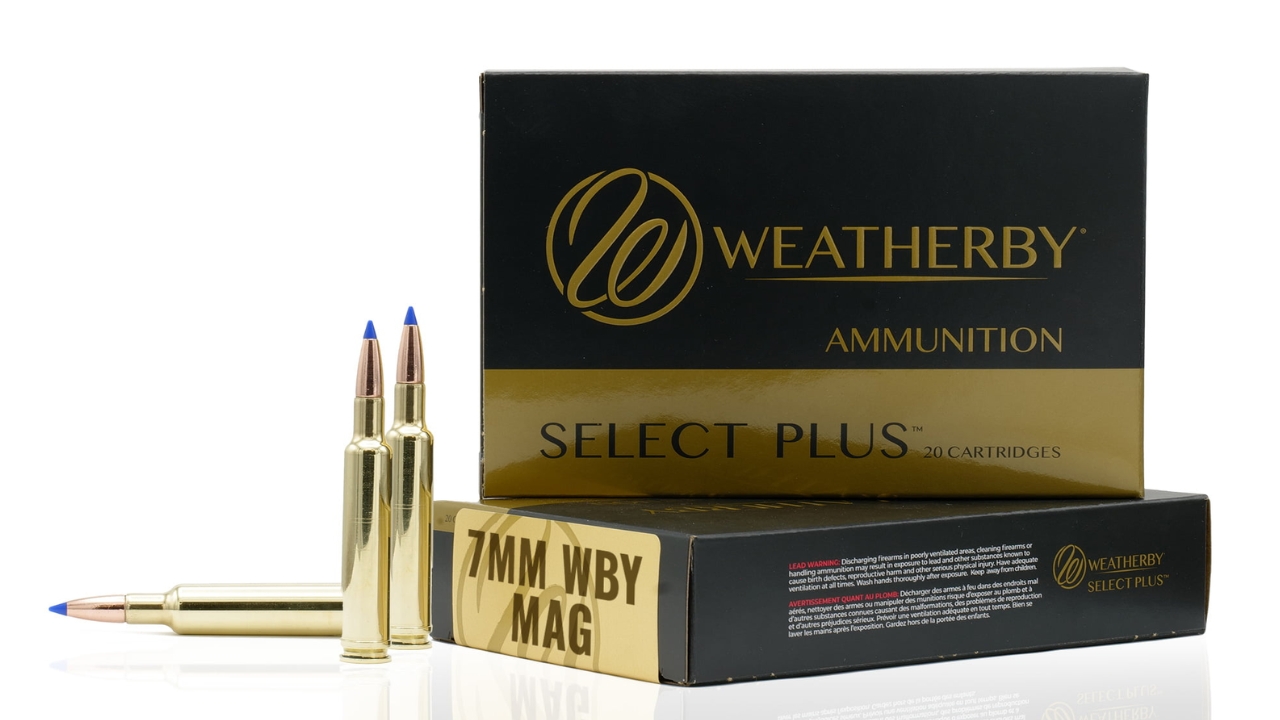
Like the other Weatherby offerings, the 7mm version delivers outstanding ballistics at the cost of steel. The freebore design helps with pressure, but it doesn’t prevent throat erosion under high round counts.
Hunters who use it sparingly for elk or mule deer won’t notice much wear. But anyone training heavily with a 7mm Weatherby will find accuracy fading fast compared to more balanced 7mm chamberings.
*This article was developed with AI-powered tools and has been carefully reviewed by our editors.