Photo credit: James Case – CC BY 2.0/Wiki Commons
A lot of shooters get hung up on price tags, like spending more automatically buys better results. Sometimes it does. A nicer trigger, tighter machining, better barrels, and cleaner finishes all cost money. But you already know the other side of it too: there are plenty of “budget” guns that flat-out run, shoot straight, and keep doing their job long after the shine wears off.
The trick is knowing where the value really lives. You want proven designs, solid QC, easy parts support, and guns that do the basics right without asking you to “upgrade” your way into reliability. These are the budget-friendly picks that can hang with pricier brands where it matters most: on the range, in the field, and in the truck.
Ruger American Rifle Gen II
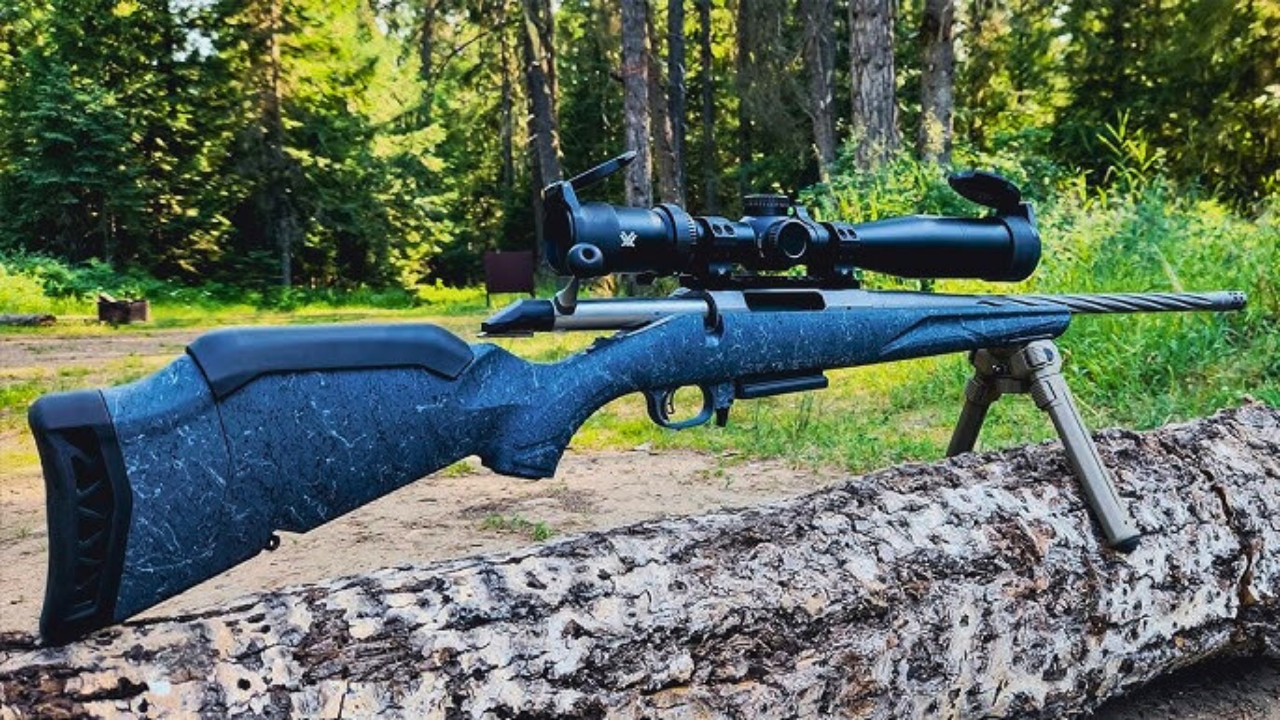
If you want a working bolt gun that shoots like it costs more, the Ruger American Gen II is hard to ignore. You get a modern stock, good magazine setup, and accuracy that usually surprises people who assume “budget” means “spray and pray.” In real hunting weights and common calibers, it’ll stack three-shot groups well enough for any ethical deer distance.
What makes it compete is consistency. You can mount a normal scope, torque the rings correctly, and expect it to hold zero through bumps and weather. The action isn’t fancy, but it feeds and extracts like it should. Put your money into glass and ammo, not a logo, and you’ll be in a better place than half the guys chasing premium rifles they barely shoot.
Savage Axis II

The Axis II earns its keep because it gives you practical accuracy without making you babysit the rifle. A lot of these shoot better than the price suggests, especially once you find a load it likes. For deer hunting, that’s the whole point. You need predictable first-shot performance, not a safe queen with a glossy stock.
The value play here is simple: the Axis II usually gives you a usable trigger, a barrel that wants to group, and an action that works even when it’s dirty from a season of riding around. It’s also one of those rifles that doesn’t punish you for being a normal hunter who shoots a few boxes a year and still expects a clean kill when the moment shows up.
Howa 1500
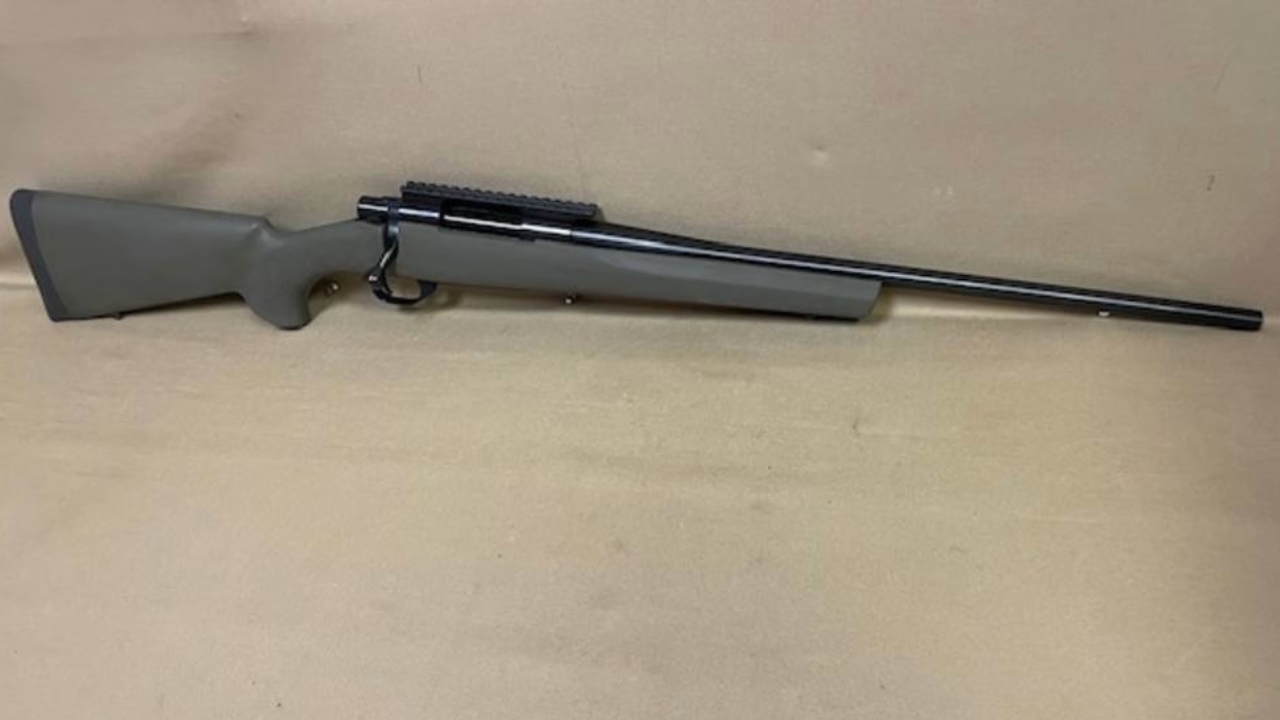
The Howa 1500 is a “quietly good” rifle that doesn’t get enough credit because it isn’t trendy. The action is smooth, the barreled actions have a strong reputation, and accuracy is often right there with rifles that cost a lot more. It feels like a serious rifle, not a toy built to hit a price point.
Where it competes with premium brands is in the bones. The receiver, bolt, and barrel quality are solid, and you can build it up later if you want without starting over. Even left alone, it’s the kind of rifle that stays dependable for years. If you care more about shooting and less about internet clout, the Howa is one of the smartest “budget” buys you can make.
CVA Cascade

CVA surprised a lot of hunters with the Cascade. It’s a modern bolt rifle that tends to shoot straight and handle well without costing like a boutique gun. The stock geometry usually feels natural, and the rifle balances better than some entry-level guns that feel nose-heavy and awkward offhand.
What makes it compete is how little you need to “fix.” You can mount a scope, confirm your zero, and head to the woods without feeling like you’re gambling. The action cycles cleanly, and the rifle typically feeds like it should with common hunting ammo. You’re not paying for fancy marketing or rare materials. You’re paying for a rifle that does the job and leaves you money for tags, gas, and more range time.
Tikka T3x Lite
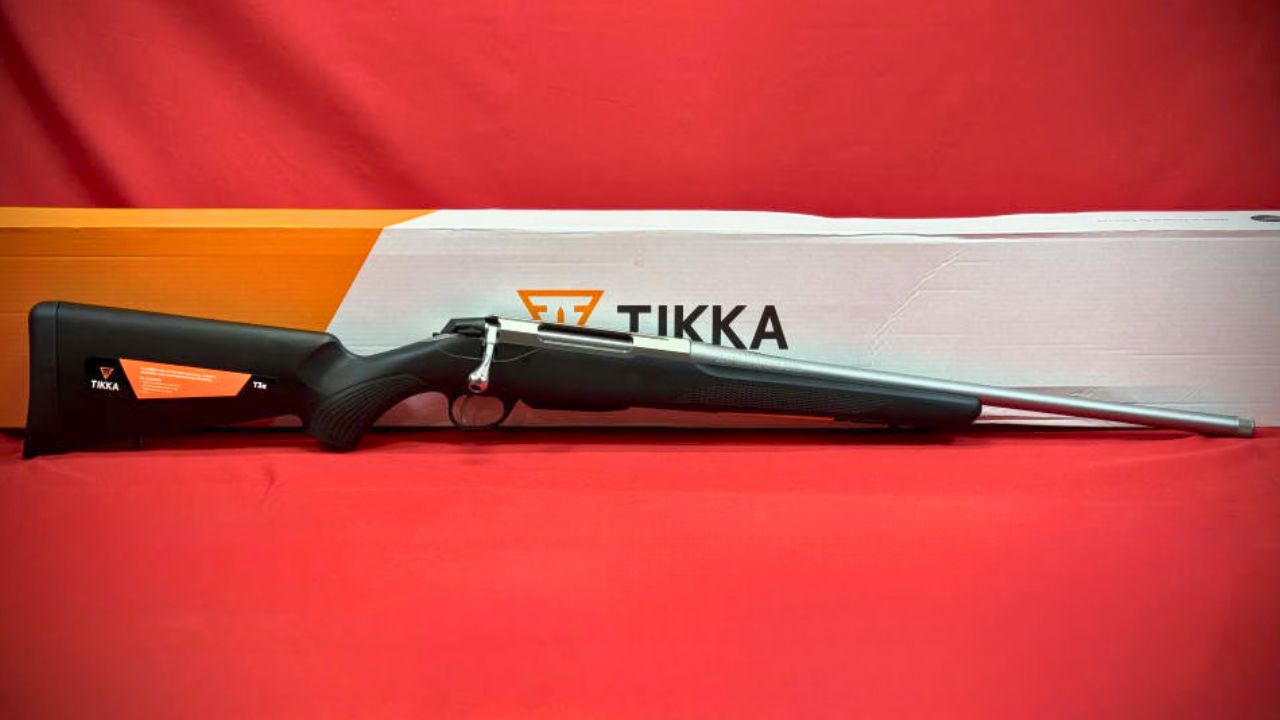
This one isn’t bargain-basement, but it’s the best example of “stretch a little, skip the regret.” The T3x Lite often shoots with rifles that cost much more, and the smoothness of the action is the kind of thing you notice immediately. If you’ve fought a rough bolt in cold weather, you know why that matters.
It competes with premium brands because it rarely gives you a problem to solve. It feeds, extracts, and holds accuracy with boring consistency. The factory trigger is usually clean, and the rifle’s overall fit feels refined without being precious. If you’re trying to buy once and not keep trading up, the Tikka is the budget-minded move that keeps you out of the “I should’ve bought better” cycle.
Mossberg Maverick 88

The Maverick 88 is proof you don’t need a premium pump gun to get a reliable shotgun. It’s the working man’s 500, and it’ll take real use without falling apart. For home defense, truck duty, or a budget bird setup, it’s the kind of shotgun that keeps going even when you treat it like a tool.
It competes because the design is proven and the parts support is everywhere. You’re not relying on weird proprietary systems or fragile furniture. You can run it hard, keep it lightly oiled, and trust it to feed and eject like a pump gun should. If you’ve ever watched a “cheap” semi-auto choke while the old pump keeps chugging, you already understand why this shotgun earns respect.
Winchester SXP

The Winchester SXP is one of those pump guns that feels faster than you expect. The action tends to run slick, and it points well in the field, which matters more than most people admit. When birds flush or a buck steps out, you don’t want to fight your gun.
It competes with pricier pumps because it does the basics right: cycling, feeding, and handling. You’re not buying hand-fitted perfection, but you are buying a shotgun that can be carried all day and worked hard without drama. For hunters who want a capable field gun without spending premium money, the SXP is a smart pick. Spend the savings on shells and practice, and you’ll outshoot plenty of folks carrying “nicer” names.
Stoeger M3000

If you want a semi-auto shotgun that doesn’t demand premium-brand money, the Stoeger M3000 is the one that keeps coming up for a reason. It’s an inertia-driven design that can run very well once it’s broken in and you feed it ammo it likes. For waterfowl, upland, or general hard use, it can be a workhorse.
It competes by giving you a real semi-auto experience without the heartbreak price. You’re getting fast follow-ups, softer perceived recoil than a pump for many shooters, and a platform that’s been around long enough to have a track record. Keep it clean, pay attention to lubrication, and it’ll treat you right. It’s not trying to be fancy. It’s trying to function when you’re cold, tired, and covered in marsh mud.
Ruger Security-9

The Security-9 is a good example of a pistol that doesn’t pretend to be anything it isn’t. It’s a straightforward defensive handgun that usually runs reliably with common ammo, and it’s priced for people who want protection and training time more than a boutique setup.
It competes with pricier pistols because it’s easy to live with. You can get mags, holsters, and parts without a scavenger hunt. The recoil impulse is manageable, and the controls are simple enough that you’re not fumbling under stress. Put a few hundred rounds through it, learn the trigger, and you’ll be surprised how “premium” it feels in practical shooting. Reliability and familiarity beat fancy features every day of the week.
Canik TP9SF and TP9 Elite Series
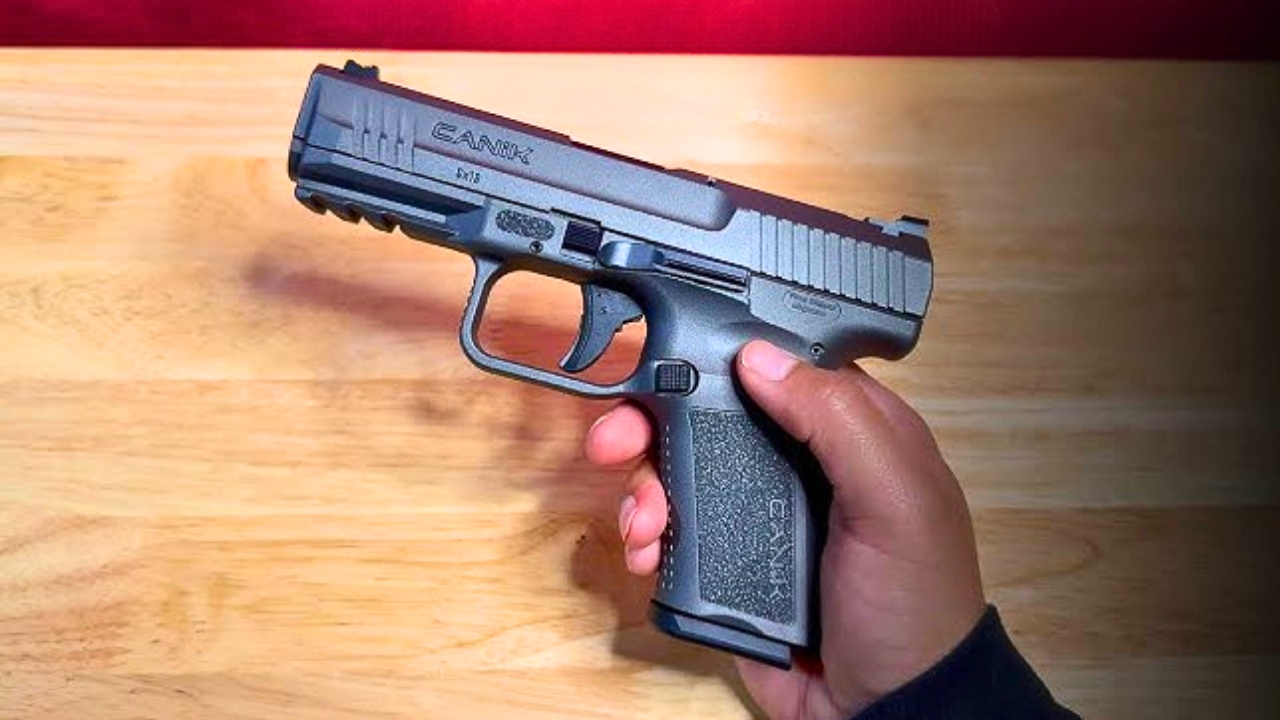
Canik built a reputation by giving shooters a lot of performance per dollar. The TP9 lineup tends to come with good triggers, solid accuracy, and a feel that’s easy to shoot well. If you’ve ever watched somebody run a Canik on steel, you’ve seen how quickly confidence shows up.
It competes because you’re not paying extra just to get a shootable trigger and decent sights. Many Canik models are ready to run with minimal changes, and they typically digest a wide range of practice ammo without turning picky. The grip shape works for a lot of hands, and the recoil behavior is usually friendly. If you want a pistol that helps you look competent at the range without a premium price tag, Canik is a real answer.
CZ P-10 C
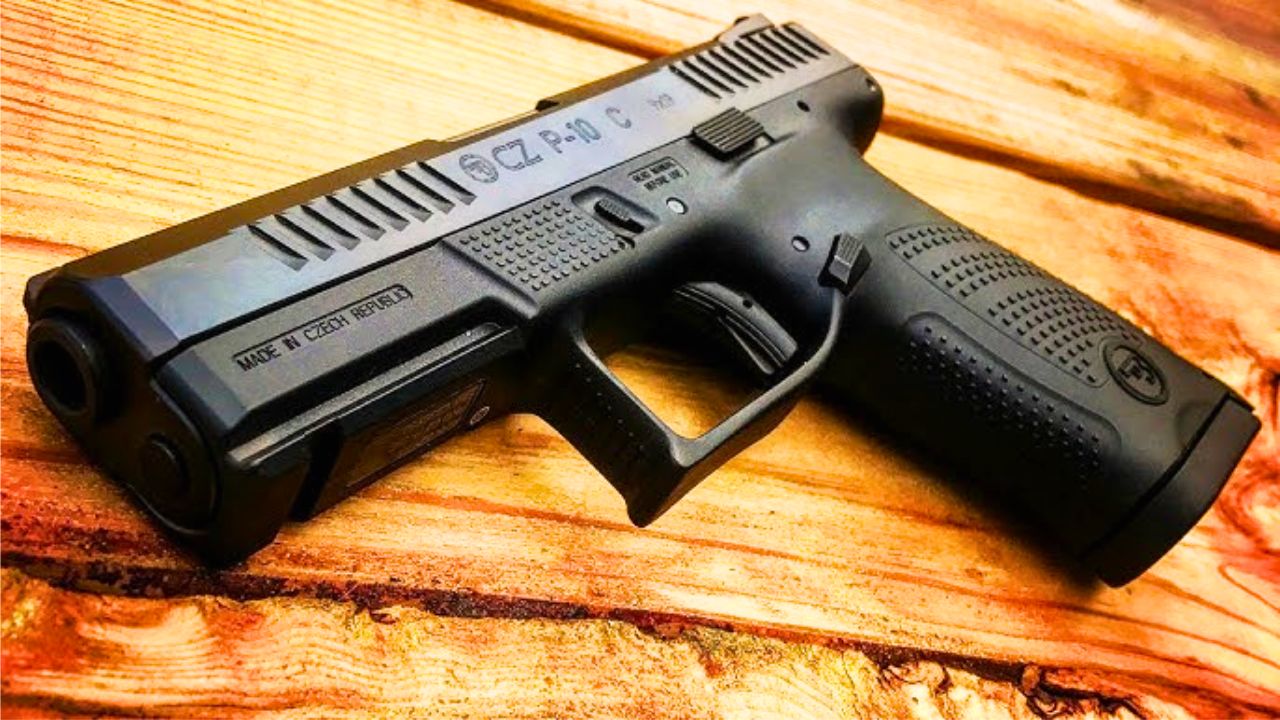
The CZ P-10 C is one of those pistols that feels “serious” the moment you start shooting it. The grip texture, the balance, and the way it tracks in recoil make it easy to keep shots together when you speed up. A lot of shooters end up saying the same thing after the first magazine: this doesn’t feel like a budget gun.
It competes with more expensive duty pistols because it runs clean and shoots flat, and it usually comes with sights and ergonomics you can live with. The trigger is generally usable without immediate upgrades, and the gun has a reputation for reliability with common ammo. If you’re building a practical defensive setup, you can buy the P-10 C, buy ammo with what you saved, and end up better prepared than the guy who spent all his money on the gun and skipped practice.
Taurus TX22

A good .22 pistol is a training cheat code, and the Taurus TX22 gives you a lot of value if you actually shoot. It’s light, easy to run, and tends to be reliable for a rimfire pistol, which is saying something. When you’re working on trigger control and sight tracking, the TX22 lets you stack reps without burning through your centerfire stash.
It competes with pricier rimfire pistols because it does what you need it to do. It feeds well with decent ammo, the magazines are practical, and the gun is comfortable enough to shoot for a long session. You can work draws, transitions, and speed without flinch-building recoil. If your goal is becoming a better shooter instead of owning a showpiece, the TX22 is one of the best “budget” guns you can buy.
Palmetto State Armory PA-15

The PSA PA-15 has put a lot of ARs into the world because it delivers a functional rifle at a price that leaves room for optics, mags, and ammo. If you assemble it correctly, use good magazines, and keep it lubed, it’ll run the way an AR should. That’s what matters.
It competes with premium ARs in the practical sense. You can hit the range, run drills, and do real training without feeling like you need to “save” the rifle for special occasions. Most shooters don’t outshoot a basic, reliable AR. They outshoot their own consistency. Spend less on the rifle, more on practice, and you’ll end up with a setup that performs when it counts, not one that only looks impressive in photos.
Ruger AR-556

The Ruger AR-556 is a solid pick when you want an AR from a major manufacturer without paying premium money. It’s built around a familiar, proven pattern, and it usually runs reliably with standard ammo and magazines. You’re getting a straightforward carbine that does not require a pile of aftermarket parts to be useful.
It competes because it’s easy to trust and easy to support. Ruger’s ecosystem and customer service track record give you peace of mind, and the rifle’s overall build tends to be consistent. For defensive training, range work, and general use, it does the same core job as rifles that cost much more. If you keep it lubricated and run quality mags, you’ll spend your time shooting instead of troubleshooting.
Ruger PC Carbine

The Ruger PC Carbine is one of the best values in the pistol-caliber carbine world because it’s simple, accurate, and easy to live with. A PCC should be easy to shoot well, and the PC Carbine delivers that with mild recoil and practical accuracy. It’s the kind of gun that makes new shooters look better than they feel.
It competes with premium PCCs because it’s reliable and boring, in the best way. It feeds well, stays controllable, and doesn’t need a bunch of tuning to be enjoyable. The takedown versions also make storage and transport easy without feeling flimsy. If you’re training on steel, keeping a truck gun, or wanting a home-defense long gun that’s comfortable to shoot, the Ruger PC Carbine brings a lot to the table for the money.
Tisas 1911A1 and Duty Series

A decent 1911 used to mean spending serious money or rolling the dice. Tisas changed that for a lot of shooters. Their 1911s have earned a reputation for being surprisingly well-fit for the price, with usable triggers and reliable function when you stick to good magazines and reasonable ammo.
It competes with more expensive 1911s because it gets you into the platform without the heartbreak tax. You can shoot it, learn it, and decide what you actually want before dropping premium cash. Plenty of shooters buy a Tisas, run it hard, and realize they do not “need” a semi-custom gun to enjoy the 1911 experience. If you want a steel pistol that feels classic and shoots well without draining your wallet, Tisas is a smart place to start.
Like The Avid Outdoorsman’s content? Subscribe to our newsletter so you never miss an article.
Here’s more from us: