Photo credit: melissamn/Shutterstock.com
Cold weather exposes weaknesses in certain cartridges that look fine on paper but crumble when the mercury falls. Propellants react differently at sub-zero temperatures, primers become less reliable, and lighter bullets lose steam faster in dense winter air. Hunters and shooters who trust their setup year-round often learn the hard way that not all calibers carry through the cold. This doesn’t mean the rounds are worthless—it just means they’re not dependable when the season turns brutal. If you’re planning to hunt in the kind of weather where your breath hangs in the air all day, you need to know which calibers fade away once the temperature drops.
.204 Ruger

The .204 Ruger is known for its blistering speed in warm weather, but when temperatures plummet, its performance changes noticeably. Lightweight bullets pushed at high velocity tend to shed energy fast, and in cold, dense air, the drop and drift are exaggerated. Add in the sensitivity of certain powders to cold, and you can see why varmint hunters sometimes walk away disappointed.
This round still works fine for small predators if you keep shots short, but stretching it in winter makes inconsistencies more obvious. You’ll see tighter velocity spreads at room temperature than you will at ten below. It’s not that the cartridge suddenly fails—it’s that its margin for error shrinks in ways you can’t ignore.
.22 Hornet

The .22 Hornet has always been a light hitter, and while it’s plenty for varmints in calm weather, winter conditions bring out its flaws. The slower velocity and lighter bullets drop more than most shooters expect when the cold sets in. That means holding dead-on in October won’t line up the same in December.
Powder choice also plays a big role. Traditional loads with older propellants see a larger velocity dip at freezing temperatures, making groups open up. Hunters who rely on it in sub-zero weather often feel undergunned, not because the cartridge is broken, but because the cold exaggerates its already modest ballistics.
7mm-08 Remington

The 7mm-08 is a fine all-around cartridge, but it shows some weaknesses in extreme cold. Many factory loads use powders that don’t burn as efficiently when the air is icy, causing slower velocities and inconsistent ignition. That might not matter at 100 yards, but it can be a headache if you’re taking a longer shot in the late season.
The round doesn’t completely fall apart, but you’ll notice your trajectory isn’t quite what it should be compared to moderate weather. Hunters who swear by the 7mm-08 in October sometimes find themselves questioning it in December. With careful handloads and temperature-stable powder, it’s manageable—but most factory loads don’t offer that cushion.
.300 Savage

The .300 Savage carries old-school charm, but when cold weather sets in, it shows its age. Designed around powders and primers from nearly a century ago, it never had the temperature stability that modern cartridges enjoy. Velocity swings widen in the cold, and that makes shot placement tougher than it should be.
Bullets already start with lower speeds than today’s comparable rounds, and dropping another hundred feet per second in freezing weather makes the difference obvious. In the deer woods, that means more drop and less energy on target. For hunters who stick to 100 yards or less, it’s fine, but stretch it in winter conditions and you’ll quickly see why many retired it.
.243 Winchester

The .243 has always walked a fine line—fast and flat with lighter bullets, but less forgiving with heavier ones. In freezing weather, lighter varmint loads lose their stability first. They shed velocity too quickly, and dense winter air exaggerates drift, making long shots unpredictable.
Big game loads also take a hit. Factory ammo often uses powders that lose speed in the cold, which increases drop and lowers impact energy. If you’re hunting deer in December with a .243, you’d better know your rifle well. While the round isn’t useless, its margins get thinner the lower the thermometer drops.
6.5 Grendel

The 6.5 Grendel is popular for AR-platform hunting rifles, but cold weather makes it stumble. With its modest case capacity, it relies heavily on powder efficiency to keep bullets moving fast enough. Sub-freezing conditions rob it of that edge, slowing velocity and making the trajectory arc more than expected.
This wouldn’t be as big of a deal if the Grendel had more horsepower to spare, but it doesn’t. Shots that feel comfortable at 250 yards in the fall can feel stretched thin in late season snow. You can work around it by sticking to closer ranges, but in the cold, the Grendel simply doesn’t hit with the same authority.
.220 Swift
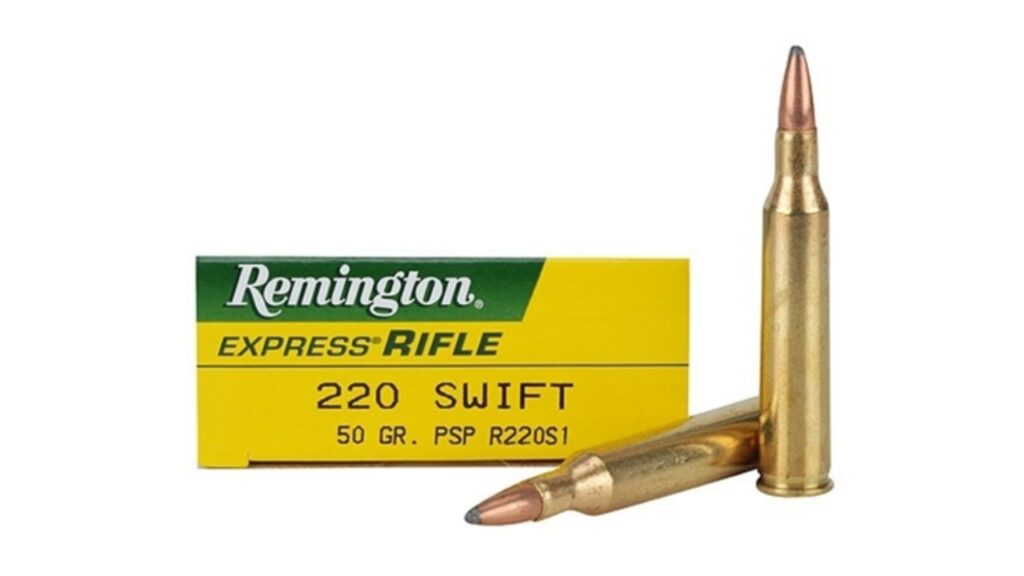
The .220 Swift is famous for speed, but that same trait is what makes it suffer in the cold. Lightweight bullets pushed to extreme velocities rely on stable powder burn, and when temperatures fall, velocity spreads widen noticeably. That leads to erratic performance at the distances where the Swift is supposed to shine.
It’s still fine for short-range predator hunting, but if you’re banking on tight groups at 300 yards in sub-zero air, you’ll likely be frustrated. The cartridge’s reputation for inconsistency only grows when paired with the challenges of winter. For cold-weather hunting, it often feels more like a liability than an advantage.
.270 Winchester

The .270 Winchester is an American favorite, but it’s not immune to cold-weather quirks. Many factory loads show velocity loss in freezing conditions, and that translates to more drop than you expect past 200 yards. Pair that with lighter 130-grain bullets, and you’ll see performance fade more quickly than you’d like.
Hunters who use heavier 150-grain bullets fare better, but the .270’s high-velocity reputation doesn’t hold up quite as well when the powder slows down in the cold. It still works for deer and elk in late season, but the differences in trajectory compared to warmer months are enough to catch unprepared shooters off guard.
.257 Roberts
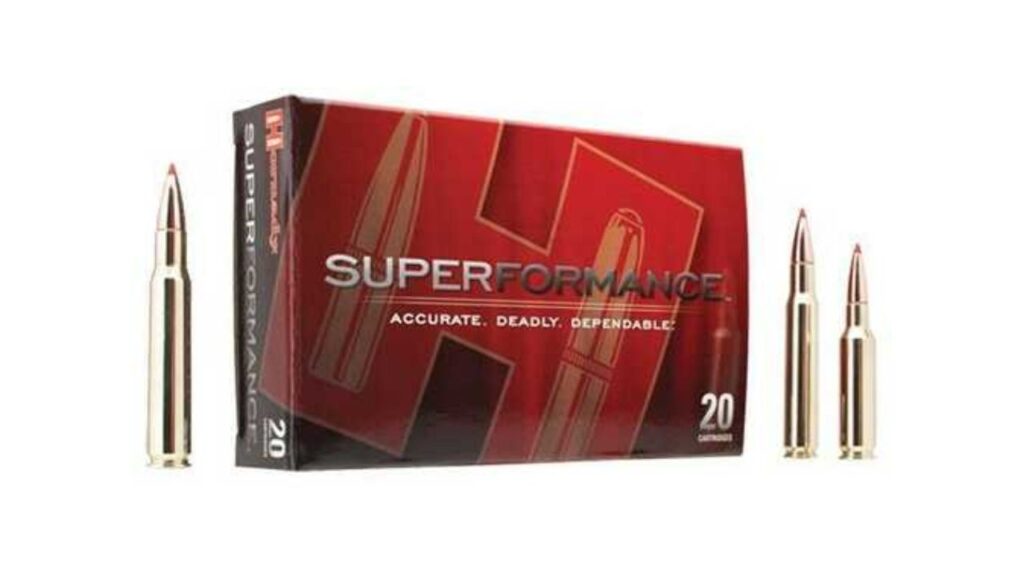
The .257 Roberts is already a niche cartridge, and cold weather makes its weaknesses stand out even more. Known for being mild, it drops velocity quickly in sub-zero conditions, which makes its already limited reach even shorter. At 250 yards in the cold, it simply doesn’t carry the same confidence it does at 70 degrees.
For hunters who keep shots under 150 yards, it’s manageable, but long-range reliability in freezing weather just isn’t there. Powders that stabilize better in temperature extremes can help, but if you’re using factory loads, you’ll quickly notice more drop and less punch than expected when the mercury dips.
.300 WSM
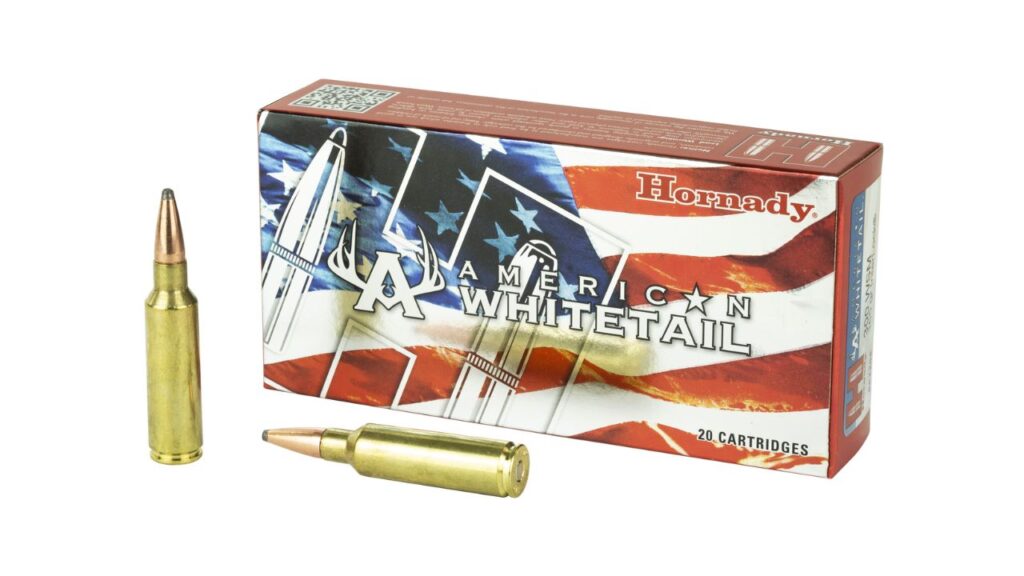
The .300 WSM was marketed as a modern powerhouse, but cold weather exposes its inconsistencies. Short magnum cartridges often rely on sharp pressure curves, and those curves flatten when powder burns sluggishly in the cold. That means you don’t always get the speed or consistency you were promised at freezing temps.
For elk hunters in late November, this can be frustrating. The difference between a flat-shooting round and one that arcs more than expected is noticeable on the mountain. It doesn’t make the cartridge useless, but it does prove that “short magnum” efficiency doesn’t always hold up when temperatures crash.
5.56 NATO
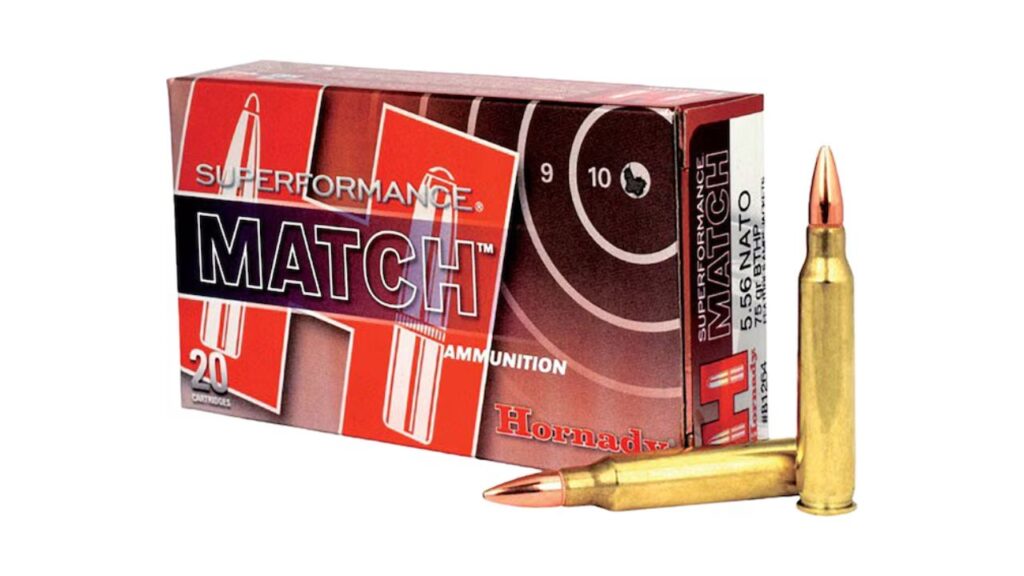
The 5.56 NATO is reliable in terms of cycling, but its ballistics in cold weather tell another story. Lightweight bullets and modest case capacity combine to make it especially sensitive to velocity loss. Dense, frigid air exaggerates drop and drift, making long-range accuracy inconsistent.
At closer ranges, it’s fine, but past 200 yards, the cold makes it struggle to hold energy and trajectory. Hunters who use 5.56 for coyotes or deer in winter often find themselves disappointed at the loss of performance. While it works as a defensive cartridge year-round, its hunting potential fades when the thermometer falls.
*This article was developed with AI-powered tools and has been carefully reviewed by our editors.