Photo credit: Savage Arms
Some calibers look fine on paper, especially when you’re staring at velocity numbers or group sizes at the range. But put them in the field against real-world targets, and they start to show their limits. Knockdown power isn’t just about feet per second or grain weight. It’s about how well the round transfers energy, penetrates, and disrupts tissue when it counts. Plenty of hunters and shooters have been let down by loads that zipped through without doing the job. These are the calibers that consistently leave folks wondering why the hit didn’t stop the animal—or worse, sent them on a long track job.
.243 Winchester (with light bullets)

The .243 Winchester is fast, flat, and accurate. But when you pair it with light bullets—especially 55 to 70 grain varmint loads—the knockdown power falls apart on medium game. They tend to fragment early or fail to penetrate deep enough to hit vitals reliably.
You can get decent results with heavier 95 to 100 grain controlled-expansion bullets, but when folks run varmint rounds on deer or hogs, that’s where problems start. A hit that looks perfect might not anchor the animal, and you’re left wondering what went wrong. It’s not that the caliber can’t do the job—it’s that it doesn’t forgive poor bullet choice, and that’s where knockdown power suffers.
5.56 NATO (with M193 or FMJ)

There are defensive and hunting loads that make 5.56 perform well. But basic M193 ball ammo or standard FMJs often punch through without transferring much energy. That pencil-through effect can lead to long chases or wounded animals.
Plenty of hog hunters and coyote callers have stories about 5.56 not putting critters down clean unless the shot was perfect. The round is fast, but lightweight and prone to underwhelming terminal effect unless it fragments just right. You can absolutely make 5.56 work—but with the wrong load, it has very little knockdown authority.
.270 Winchester (with soft points at high speed)

The .270 Win is a classic, but it’s also one that has caused more than a few head-scratchers in the field. When you run soft-point bullets at high velocity, especially closer ranges, they can come apart too fast and dump energy without deep penetration.
You get blood, but no exit—or worse, the bullet fragments in bone and doesn’t reach vitals. The result is an animal that runs off even though you hit it solid. Hunters often expect more than what those soft bullets give, and it’s why some have traded the .270 for slower, heavier calibers that punch through instead of blowing up.
.300 Blackout (supersonic)

Supersonic .300 Blackout runs faster and harder than the subsonic loads, but it’s still limited in range and terminal performance. Out past 150 yards, energy drops fast, and you start to see bullets that hit but don’t stop game cleanly.
Hog hunters especially have noticed this—a 110- or 125-grain round might expand well on paper, but in the field, it often fails to anchor pigs unless shot placement is perfect. You can make it work, but it doesn’t carry the knockdown force many expect when they hear “.30-caliber.” It’s a great cartridge for close-range suppressed use, but it’s not a hammer.
6.5 Grendel

Grendel fans will defend it hard, and for paper or light game, it does fine. But there’s a growing list of hunters who’ve watched deer or hogs soak up hits and keep moving. It shoots flat and stays accurate, but the energy on target isn’t always enough.
You’ll hear stories about perfect hits that turn into long tracks or failed recoveries. It doesn’t mean the round is useless—but it’s on the lower edge of knockdown reliability, especially beyond 200 yards. Good bullets help, but some folks end up switching to heavier cartridges after seeing the Grendel come up short in real conditions.
.257 Roberts
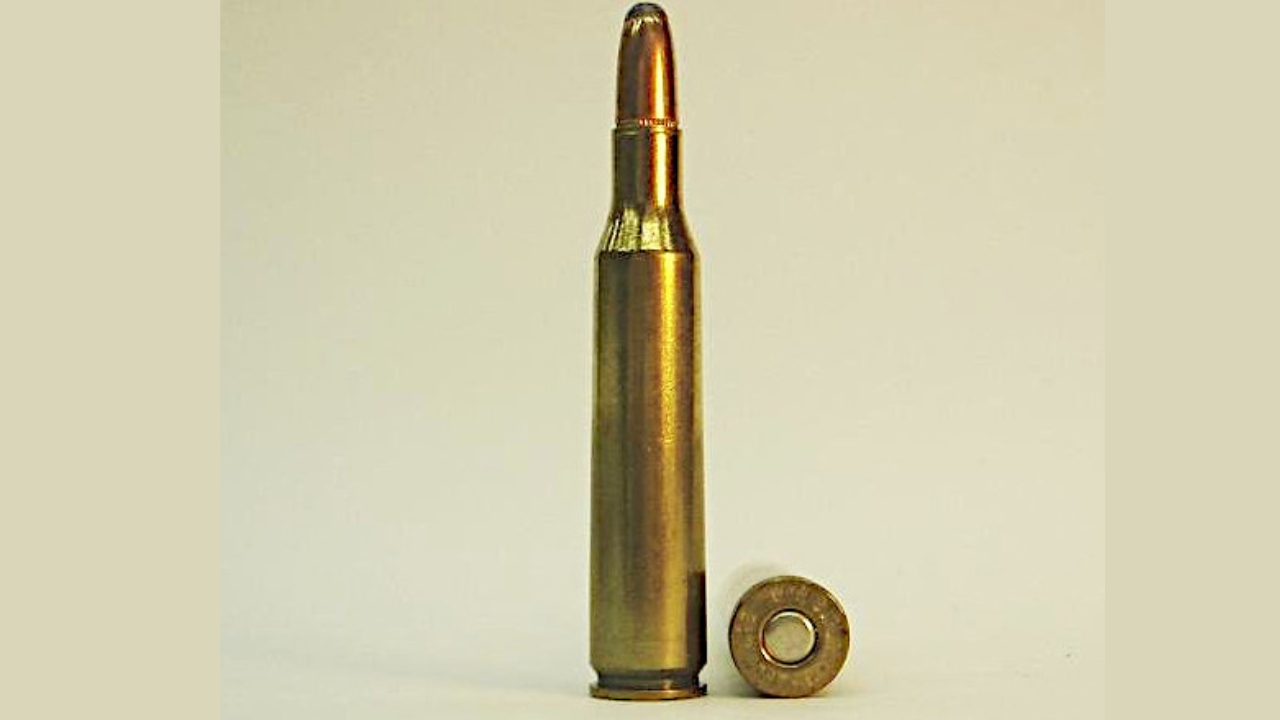
The .257 Roberts is fast and gentle on the shoulder, but with light bullets or older soft points, it doesn’t always drop animals like you’d hope. It pokes holes but doesn’t always tear up vitals unless you’re spot-on.
A well-placed shot works, sure, but the room for error is small. You’ll hear from folks who’ve had deer take off like nothing happened, even with a solid hit. The caliber can perform with modern loads, but it’s still one of those that needs the right ammo and perfect placement to deliver a clean drop.
.30 Carbine

The .30 Carbine cartridge was never designed for big-game hunting, but some folks try to push it there. On paper, it looks like a light .30-caliber round, but in the field, it’s more like a hot pistol round. Energy levels and bullet construction both limit its performance.
Even with soft points, the .30 Carbine lacks the mass and velocity to drive through bone and hit hard. It might kill, but it doesn’t stop. There are much better choices for deer-sized game, and most folks who try the .30 Carbine on critters bigger than coyotes end up moving on.
7mm-08 Remington (with varmint bullets)

The 7mm-08 is a great round—when it’s loaded properly. But some folks run light varmint-style bullets thinking the caliber alone will make up for it. That’s when the knockdown issues show up. Soft bullets can fragment too quickly, especially on close-range hits.
When a bullet breaks up on shoulder or rib, the energy gets dumped before reaching vitals. That leads to animals running farther than expected or not going down at all. Stick with 139 to 150-grain bonded or controlled-expansion bullets, and the 7mm-08 shines. But get lazy with bullet choice, and it starts to act like something a lot less effective.
6.8 SPC

The 6.8 SPC was meant to improve on 5.56, and it does in some areas. But for hunting, it’s still marginal in terms of knockdown power. The bullets are usually in the 90-120 grain range, and they don’t carry a lot of energy past 200 yards.
Inside 100 yards, it can be effective. Beyond that, you’re pushing the limits. It works for small deer or pigs in close quarters, but don’t expect it to flatten game or recover quickly from marginal hits. It’s not a bad round—just one that runs out of steam quicker than many expect.
.264 Winchester Magnum (with fragile bullets)

The .264 Win Mag shoots fast and flat, but like the .270, it can be too much speed for some bullet designs. Lighter or older soft-point bullets often explode on impact without pushing deep enough. You get a big entry wound and shallow penetration.
That doesn’t translate to clean kills, especially on larger game. Hunters who use the .264 often have to be picky about bullet construction. With the wrong load, all that velocity goes to waste. And when an animal runs 300 yards after a perfect hit, that’s not what you call knockdown power.
5.45x39mm

Originally designed for military use, the 5.45×39 has some ballistic similarities to the 5.56, but its terminal ballistics with civilian ammo are often underwhelming. Hollow points or soft points don’t always expand reliably, and FMJs just poke holes.
It can be a fun range round and decent for small game, but it doesn’t deliver much shock or energy transfer. If you’re hunting anything bigger than a coyote, it starts to show its limits. It might hit the target, but don’t expect it to anchor it.
.25-06 Remington (with light varmint bullets)

The .25-06 can hit hard when loaded right. But a lot of shooters push it with light 85- to 100-grain varmint-style bullets, and that’s where the knockdown issues show up. These rounds are designed for thin-skinned targets and come apart on impact with bigger game.
You might hit a deer or antelope in the shoulder and see no exit, or worse, poor blood trails. Use a good 115- to 120-grain hunting bullet, and the story changes. But too many folks try to make it into a do-it-all rifle with the wrong ammo, and that’s when knockdown power fades fast.
.300 HAM’R

The .300 HAM’R is a cool concept—more velocity and energy than .300 Blackout, still fits in an AR-15. But it’s not a .308, and some shooters treat it like it is. Bullet weight tops out around 150 grains, and it still loses energy fast past 200 yards.
On hogs or deer, you need solid shot placement and the right load to make it effective. If you go in expecting heavy knockdown like a .30-06 or .308, you’ll probably be disappointed. It’s not weak, but it’s also not a hammer.
6mm Creedmoor

The 6mm Creedmoor is accurate and fast, but like other high-velocity 6mm rounds, it doesn’t always hit with authority unless the bullet is perfect. Light match bullets or varmint rounds can fail to penetrate or fragment too early.
You can make it work for deer, but some shooters report inconsistent drops and long track jobs. It behaves a lot like a souped-up .243, and it shares the same strengths and weaknesses. With a good hunting bullet, it does the job. With the wrong one, it leaves you frustrated.
.224 Valkyrie

The .224 Valkyrie was designed for long-range accuracy, not hunting power. It flies flat, but the bullets are small, and terminal energy drops fast beyond 200 yards. If you’re shooting paper or steel, it’s a blast. On game, especially mid-sized animals, it struggles.
Even with soft points or hunting loads, you don’t get much expansion or energy dump. It behaves more like a precision .22 than a true medium-game cartridge. You’ll see a lot of guys move away from it after trying it in the field. It’s not that it can’t kill—it’s that it doesn’t stop animals clean without near-perfect placement.
*This article was developed with AI-powered tools and has been carefully reviewed by our editors.