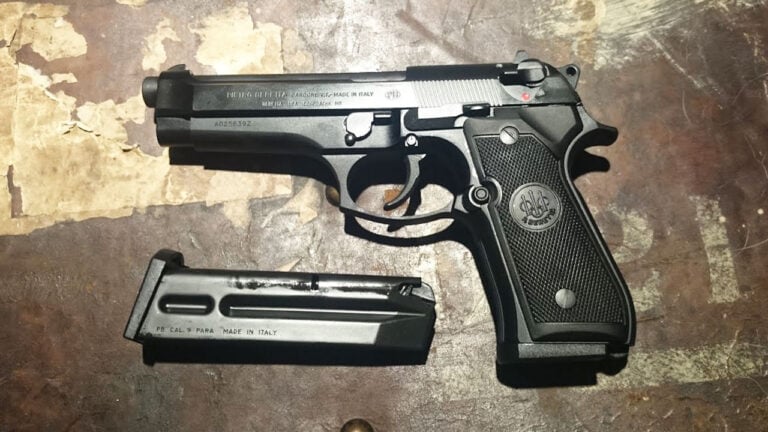
Photo credit: The Avid Outdoorsman
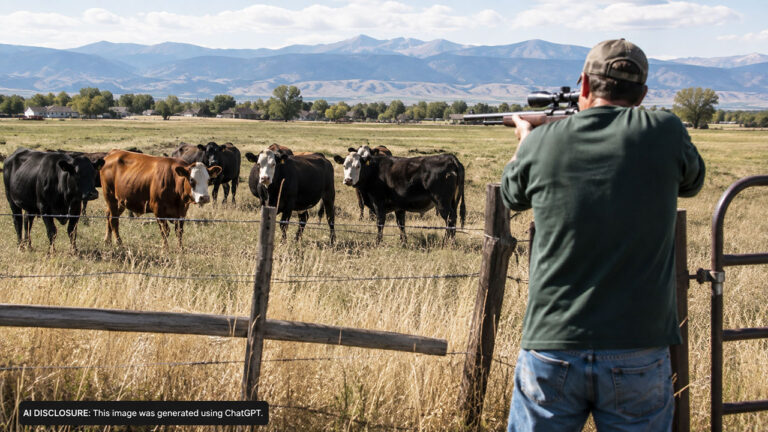
A Texas resident said a neighborhood problem took a strange turn after neighbors were allegedly hunting hogs in a suburban area, leaving the poster worried about safety, legality, and what was happening with the animals afterward.
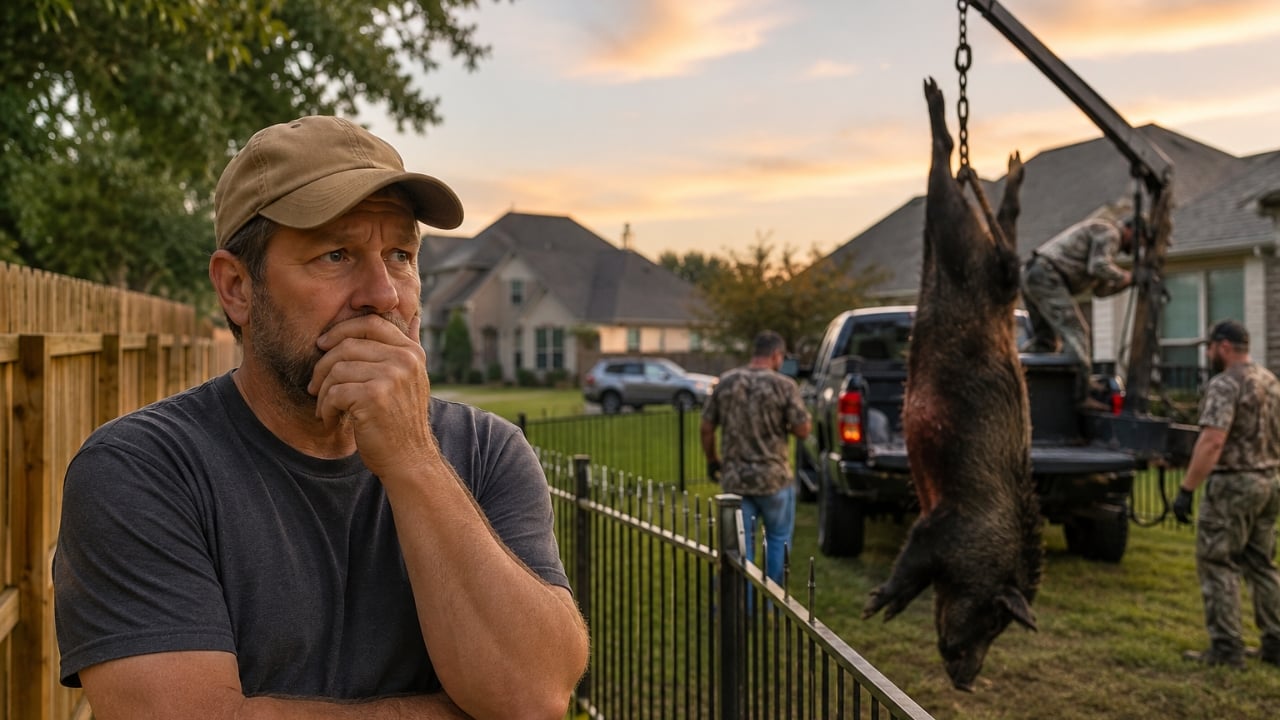
According to the Reddit post, the situation involved people reportedly hunting hogs near homes. That alone was enough to raise concern, but the poster also seemed bothered by what happened after the animals were shot, including questions about the carcasses and whether the whole setup was being handled legally.
The resident explained the situation in a Reddit thread about suburban neighbors hunting hogs in Texas: https://www.reddit.com/r/legaladvice/comments/tnk69z/tx_suburban_neighbors_hunting_hogs_in/
In rural Texas, hog hunting is not unusual.
In a neighborhood, it gets complicated fast.
Wild hogs are a real problem, but neighborhoods are not hunting leases
Texas has no shortage of feral hogs.
They tear up yards, destroy crops, damage fences, root through soft ground, and spread quickly. In many parts of the state, landowners treat them as a constant nuisance. So the idea of someone wanting to remove hogs is not strange on its own.
The problem is location.
A suburban area is not the same as a wide-open ranch. There are homes nearby. There may be children, pets, fences, streets, parked cars, sheds, pools, and neighbors sitting outside. Even if the people hunting believe they are helping, discharging a firearm or setting up a hunt near houses can create serious risk.
That appeared to be the resident’s concern.
The question was not simply whether hogs are bad. Most Texans already know they can be destructive. The question was whether the neighbors were handling the problem in a safe and legal way.
Hog hunting can sound informal until weapons are involved
Because feral hogs are treated differently from deer or other game animals in many places, people sometimes talk about hunting them casually.
That can create a false sense that anything goes.
But even when hog removal is allowed, other rules may still apply. Local firearm-discharge ordinances, city limits, county rules, animal disposal laws, property lines, hunting methods, and safety requirements can all matter.
A person may be allowed to kill hogs on certain property and still violate the law by shooting too close to homes, crossing property lines, leaving carcasses improperly, or creating a nuisance for neighbors.
That is where these situations get messy.
The neighbors may have believed they were solving a pest problem. The resident saw something that looked dangerous and possibly illegal in a residential setting.
Both things can be true in part: hogs may need control, and the method may still be wrong for the location.
Commenters focused on local rules and reporting
Commenters generally recognized that Texas hog laws can be different from ordinary hunting rules, but they did not treat that as permission to ignore everything else.
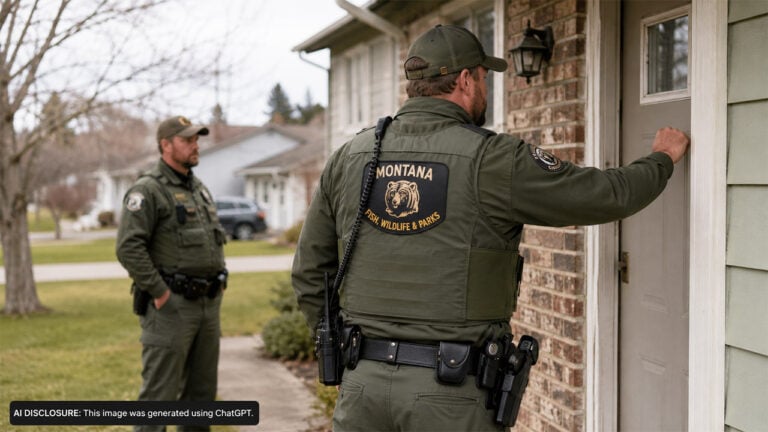
Several pointed toward local authorities, especially if the hunting was happening inside city limits or near homes. Police, animal control, code enforcement, or game wardens could all potentially have a role depending on the exact location and what the neighbors were doing.
The advice was to avoid guessing.
If shots were being fired, if carcasses were being left out, or if neighbors were creating a hazard, the resident needed documentation. That could include dates, times, photos from a safe distance, video if available, and notes about where the activity happened.
Commenters also warned against direct confrontation if firearms were involved.
Even if the resident was right to be concerned, arguing with people in the middle of a hunt is not the safest way to solve the problem.
The carcass issue made it feel less like pest control and more like a nuisance
The hunting itself was only part of the resident’s concern.
The question of what happened to the hog carcasses made the situation stranger.
Improper carcass disposal can create smell, attract scavengers, draw flies, bother neighbors, and create sanitation concerns. In a rural pasture, a dead hog may be handled one way. Near homes, it becomes everyone’s problem fast.
That is why the story had more than one layer.
There was the safety concern of hunting near houses. There was the legal concern of whether the neighbors were allowed to do it. Then there was the practical concern of what happened after the hogs were killed.
Even people sympathetic to hog control may draw the line at neighbors turning a residential area into a messy disposal site.
The real issue was whether the neighbors had the right place for the job
Feral hogs are destructive, and Texas residents have good reason to want them gone.
But the method matters.
A suburban neighborhood is not automatically the right place for people to start shooting or conducting informal hunts. Even if the intention is pest control, residents nearby have a right to be safe, and they should not have to wonder whether rounds, carcasses, or wounded animals are going to end up near their homes.
For the resident, the best move was likely to document the pattern and contact the proper local authority rather than trying to debate hog law with the neighbors.
For the neighbors, the lesson is simple: solving a hog problem does not give someone permission to create a new safety problem.
In Texas, hogs may be a nuisance.
But in a neighborhood, reckless hog hunting can become the bigger one.
Like The Avid Outdoorsman’s content? Subscribe to our newsletter so you never miss an article.
Here’s more from us: