Photo credit: The Avid Outdoorsman
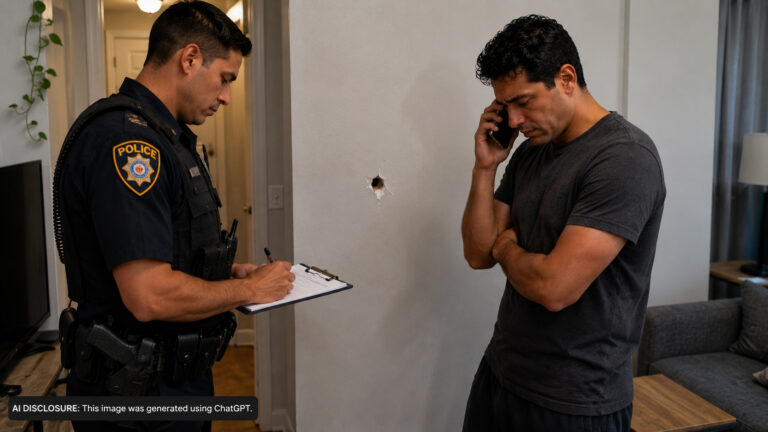
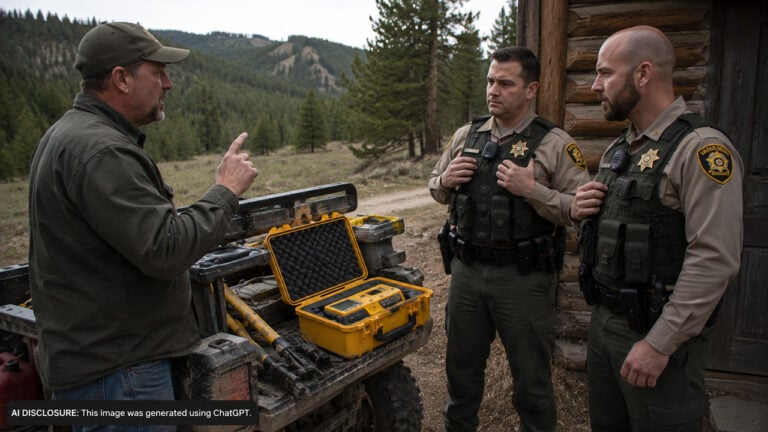
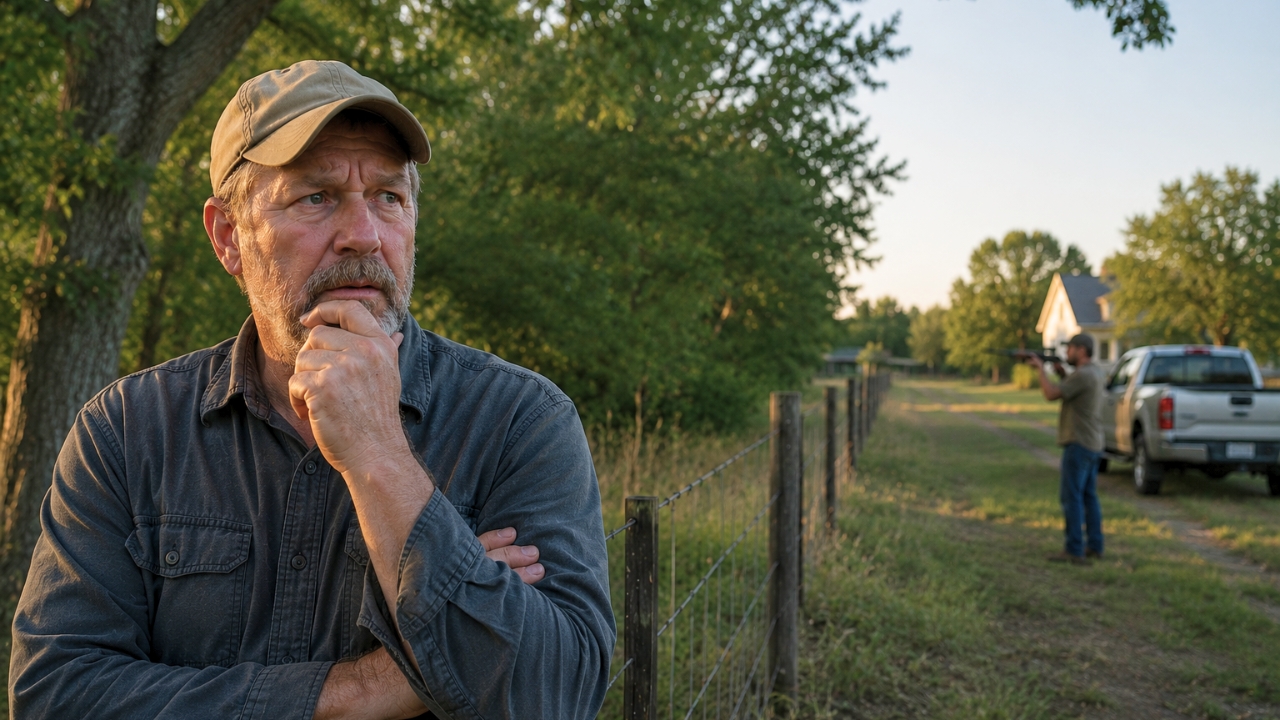
A rural homeowner said a neighbor kept shooting in the direction of his property, but the problem was difficult to prove because there were not always obvious bullet holes, impact marks, or physical evidence left behind.
According to the Reddit post, the homeowner believed a neighbor was firing toward his land and creating a serious safety concern. The poster described hearing shots, having recordings, and dealing with the stress of not knowing exactly where rounds might be landing.
He shared the situation in a Reddit thread and asked what could be done when a neighbor appeared to be shooting toward his property: https://www.reddit.com/r/legaladvice/comments/1k3lg9z/neighbor_is_shooting_my_property/
For anyone living in the country, this is one of those situations that can be hard to explain to people who have never dealt with it.
Gunfire in a rural area is not automatically unusual.
Gunfire that may be crossing onto someone else’s land is a completely different problem.
The homeowner was stuck between fear and proof
The most frustrating part of the situation was that the homeowner seemed to know something was wrong, but proving it was another matter.
That happens a lot with rural shooting complaints.
A person may hear shots and know the direction they are coming from. They may believe rounds are traveling too close. They may have neighbors or family members who also hear it. They may even have recordings of the gunfire.
But unless there is a bullet hole in a structure, an impact mark in a tree, a recovered round, or a clear video showing the shooter and direction of fire, authorities may have limited evidence to act on.
That leaves the homeowner in a miserable position.
He cannot ignore the risk, but he also may not have the kind of proof that turns concern into enforcement.
And when bullets are involved, waiting for stronger proof can feel like waiting for something terrible to happen.
Rural shooting is common, but responsibility still matters
A lot of rural residents shoot on their own land.
They sight in rifles, practice with pistols, hunt, run drills, shoot pests, or use backyard ranges. In many places, that is legal if done safely and within local rules.
But being rural does not mean every direction is safe.
A shooter still has to know what is beyond the target. They need a safe backstop. They need to understand where neighbors, roads, houses, livestock, barns, and property lines are. They cannot simply fire into trees and assume the woods will catch everything.
That is especially true with rifles.
Rounds can travel much farther than many people think, and rural land can create a false sense of security. Just because a property looks open or wooded does not mean there is nothing important beyond the target.
The homeowner’s concern was not that the neighbor owned guns or enjoyed shooting.
The concern was that the shooting might be unsafe.
Commenters pushed him toward documentation and official complaints
Commenters focused heavily on building a record.
They suggested keeping detailed notes of dates, times, shot direction, and any specific incidents. Recordings could help show a pattern, but physical evidence would be even stronger if it could be found safely.
Some commenters suggested contacting law enforcement each time the shooting seemed unsafe, especially if the homeowner believed rounds were entering his property. Others pointed toward local authorities who handle firearm discharge rules, depending on the area.
The advice was practical rather than flashy: document everything, avoid direct confrontation, and do not put yourself in danger trying to find bullets or confront the shooter.
That last part matters.
If someone is actively firing, walking around in the suspected line of fire to gather proof is a terrible idea. The homeowner needs evidence, but not at the cost of becoming the evidence.
The hardest part was that nothing had to be hit for the risk to be real
One thing that makes these cases so difficult is that a lack of damage does not always mean a lack of danger.
A bullet can pass through woods and never strike a house. It can land in a field. It can hit a tree where nobody notices. It can bury itself in dirt. It can pass near someone without leaving an obvious sign.
That does not mean the shooting was safe.
But enforcement often depends on what can be shown, not only what someone reasonably fears.
That gap is what drives landowners crazy. They may feel like they are being asked to wait until a bullet hits a barn, vehicle, window, or person before anyone takes the complaint seriously.
That is why patterns matter.
One vague complaint may be hard to act on. Repeated reports with dates, recordings, witnesses, and any recovered evidence can start to show that this is not just normal rural noise.
It is a continuing safety concern.
The real issue was whether the neighbor had a safe backstop
The basic rule behind the entire story is simple: bullets need somewhere safe to stop.
If a neighbor is shooting toward another person’s property without a proper backstop, that is not a harmless hobby. It is a risk being pushed onto someone else.
The homeowner should not have to wonder whether his land is part of the neighbor’s shooting lane. He should not have to listen for gunfire and guess whether a round is coming his way. Rural living may come with noise, hunting, and target practice, but it should not come with reckless shots crossing property lines.
For homeowners in this situation, the best path is usually boring but important: document the pattern, call authorities when it happens, preserve any evidence, and avoid escalating face-to-face with an armed neighbor.
For shooters, the lesson is even simpler.
If your neighbor has to ask whether your rounds are entering his property, your setup needs a hard look before the next shot is fired.
Like The Avid Outdoorsman’s content? Be sure to follow us.
Here’s more from us: