Photo credit: The Avid Outdoorsman
A Virginia homeowner said a neighbor’s shooting went from loud to alarming after an explosive target was allegedly set off near the property line, shaking the house and leaving the homeowner worried about what might happen next.
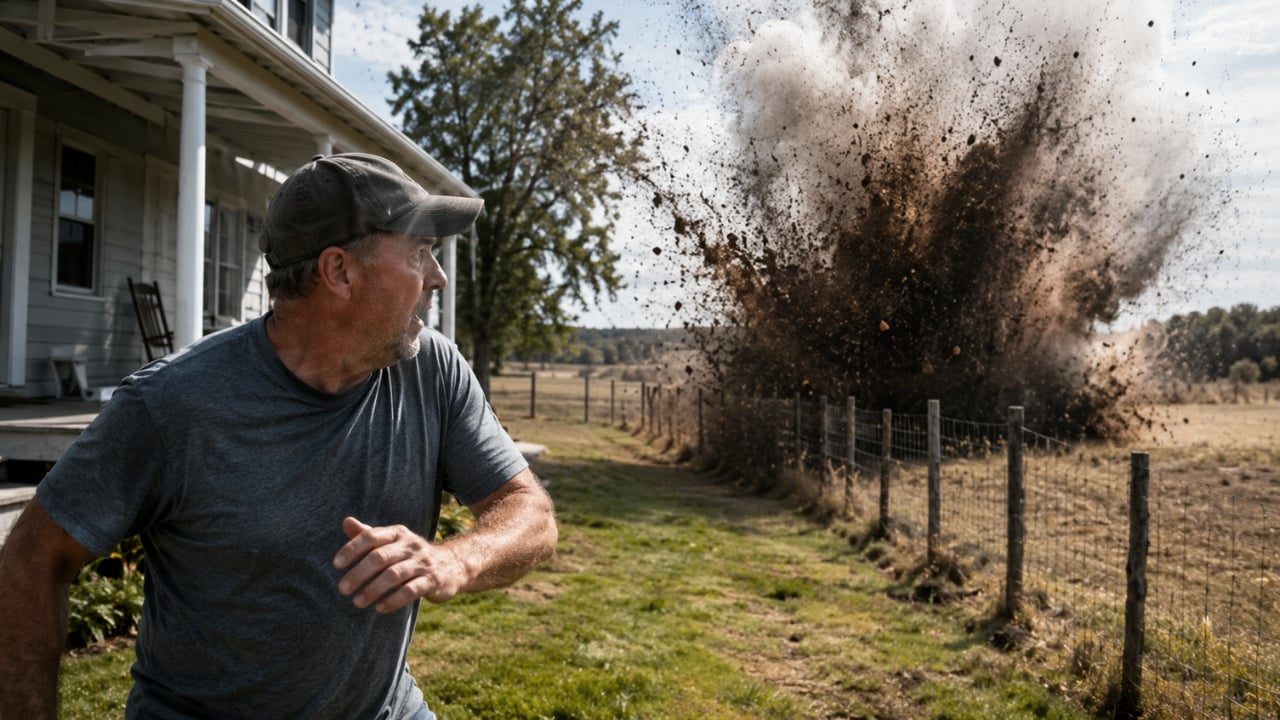
According to the Reddit post, the neighbor had been shooting loudly near the property line, but one incident stood out. The poster said the neighbor set off Tannerite close enough that the blast shook the home. That turned the situation from a normal rural noise complaint into something that felt much more serious.
The homeowner explained the situation in a Reddit thread about a neighbor shooting near the property line: https://www.reddit.com/r/legaladvice/comments/1ntukcc/neighbor_shoots_loud_guns_near_my_property_line/
For rural homeowners, distant gunfire is one thing.
An explosion that rattles the house is another.
The homeowner was not just upset about noise
Living in the country often means accepting sounds that would be unusual in town.
People shoot. They sight in rifles. They run chainsaws. They use tractors. Dogs bark. Equipment starts early. During hunting season, gunfire may be part of the background.
But this homeowner’s concern was not simply that the neighbor was loud.
The problem was the force of the blast.
Tannerite and similar binary exploding targets are often used for recreational shooting, but they can produce a serious boom, especially when used in larger amounts or close to homes. Even when legal, they require judgment, distance, and a safe setup.
If a blast shakes a neighbor’s house, it is reasonable for that neighbor to wonder whether the shooter is being careless.
That is where the story shifted from “my neighbor is annoying” to “is this actually safe?”
Property lines do not make every shot or blast responsible
A common attitude in rural disputes is that a person can do whatever he wants on his own land.
There is some truth behind that. Property rights matter. Rural residents often move outside city limits because they want more freedom, fewer restrictions, and room to do things they could not do in a subdivision.
But property rights do not erase responsibility.
A person may be standing on his own land and still create a danger or nuisance for the people around him. If shooting is directed poorly, if bullets leave the property, if explosions are too close to neighbors, or if noise becomes extreme enough to interfere with others, the fact that it happened on private land does not automatically end the discussion.
That was the homeowner’s concern.
The neighbor may have believed the setup was fine because it was on his side of the line. The homeowner was the one feeling the blast inside the house.
Commenters focused on local rules, safety, and documentation
Commenters generally told the homeowner to start with the local laws and county rules.
Exploding targets can be regulated differently depending on the state, county, fire conditions, and amount used. Firearm discharge rules may also vary by location. Even in rural areas, there can be restrictions related to distance from homes, reckless use, noise, fire risk, or public safety.
The practical advice was to document the incidents.
Dates, times, videos, witness accounts, and notes about how close the activity appeared to be could help if the homeowner needed to contact authorities. If the blasts continued, a pattern would matter more than one vague complaint.
Some commenters also suggested calling the sheriff or appropriate local authority when the explosions happened, especially if the homeowner believed the activity was unsafe.
The warning was clear: do not walk over and start a confrontation while someone is shooting or using explosive targets.
That is a bad moment to settle a neighbor dispute.
The blast raised more than one concern
The shaking house was the obvious problem, but it was not the only one.
Exploding targets can also raise fire concerns, especially in dry conditions. They can startle livestock, pets, children, and elderly neighbors. They can damage relationships between neighbors quickly. And if someone is using them too close to other homes, there is always the question of whether debris, shock, or poor shooting setup could create additional risk.
That does not mean every use of Tannerite is illegal or reckless.
Plenty of people use it safely, far from structures, in appropriate amounts, with a clear understanding of what is around them.
But like most shooting-related activities, context matters.
A wide-open property with a safe backstop and plenty of distance is different from a setup close enough to rattle someone else’s home.
The real issue was whether the neighbor understood the impact
What makes this kind of story frustrating is that the person creating the blast may think it is harmless fun.
From his side, it may be a quick boom and a laugh.
From the neighbor’s side, it is the house shaking, the family wondering what exploded, pets panicking, and a new worry about whether the next shot or blast will be worse.
That disconnect is what turns rural hobbies into rural conflicts.
For the homeowner, the best path was likely to document the incidents, check the local rules, and contact authorities if the activity continued or seemed unsafe.
For the shooter, the lesson is simple: if your target practice is shaking your neighbor’s house, you are no longer the only person affected by it.
Private property gives people room to enjoy themselves.
It does not give them a free pass to make the people next door feel like they are living beside a blast zone.
Like The Avid Outdoorsman’s content? Subscribe to our newsletter so you never miss an article.
Here’s more from us: