
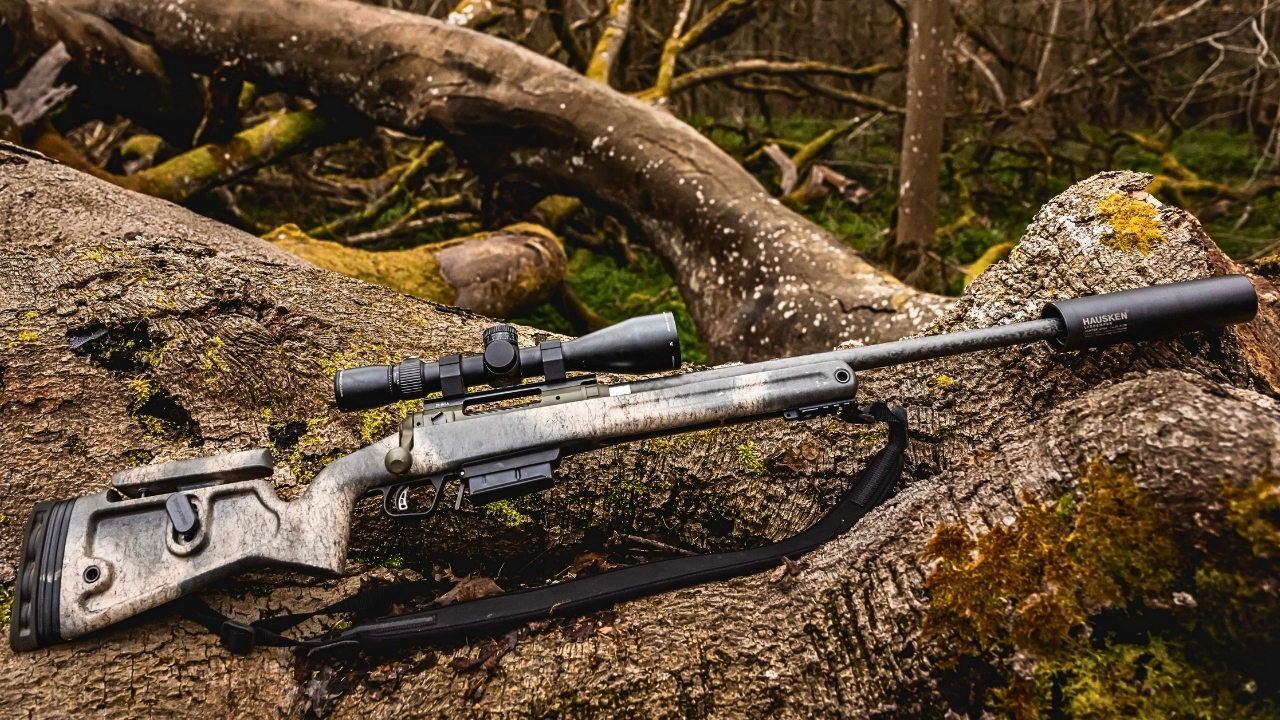
Photo credit: Savage Arms
I had spent the whole week talking about that rifle like it was the answer to every hunting problem a man could have. I bragged on the groups it shot at the range, the smooth action, the trigger, the glass, and how well it carried. By the time the hunt rolled around, I had built that thing up so much in conversation that I had pretty much convinced myself all I had to do was show up and let the rifle do the rest. That kind of thinking tends to fall apart the second a real animal steps out and turns paper confidence into something more expensive. When the moment finally came, I missed a shot I should have made, and the silence afterward hit harder than the recoil ever could have. Missing is bad enough on its own. Missing after you have been running your mouth about how dialed-in your setup is feels different. It leaves a man sitting there replaying not just the shot, but all the talk that came before it.
A good rifle does not erase bad shooting habits
That was the first thing I had to admit once I stopped feeling sick about it. The rifle was not the problem. It was a solid gun, properly sighted, capable of better than what I gave it in that moment. The ugly truth was that I had started treating the rifle’s performance like it automatically covered for everything else. Shooting tight groups off a bench had made me too comfortable. I was letting range confidence stand in for field readiness, and those are not the same thing. In the field, breathing matters more, position matters more, timing matters more, and the ability to build a steady shot under pressure matters more than anything I can brag about at the range. A lot of hunters learn that lesson the hard way, especially when they get a little too impressed with their setup. Rifles do not kill deer by reputation. They kill deer when the shooter behind them handles the moment correctly, and that is exactly where I came up short.
I had practiced, but not the right way
I do not say that to let myself off the hook. I had shot the rifle. I had zeroed it. I had spent time with it. But most of my practice had happened in controlled conditions where the target stayed put and nothing inside me was trying to rush the process. That is useful, but it is not complete. I had not done enough shooting from realistic hunting positions. I had not done enough work off sticks, off a pack, from awkward seated angles, or from that half-settled posture that happens when an animal steps out before you are fully ready. The bench had made me feel better than I was. Since then, I have come to believe that a hunter ought to spend less time admiring tiny groups and more time learning what he can actually do from the positions he is most likely to use when a real shot shows up. There is nothing wrong with liking a rifle that shoots well. The mistake is assuming that alone means you are prepared for the field.
The miss happened before I ever pulled the trigger
I can still replay that sequence well enough to know the shot started going wrong before the trigger broke. I rushed settling in. I let excitement speed me up instead of forcing myself to slow down. I was a little too proud of the opportunity and not quite disciplined enough in the seconds that mattered most. The crosshairs were close, but “close” is not the same as right when the window is small and the consequence is an animal running off untouched or worse. I did not build the shot the way I should have. I let the pressure of the moment, and probably the pressure of wanting the rifle to prove me right, override the basics. That is one of the more embarrassing parts to admit. My ego was in the shot with me. I wanted the clean kill, obviously, but I also wanted the story that followed to match all the confidence I had been selling. Hunting does not care about that kind of pride. In fact, it seems to enjoy punishing it.
Better equipment still matters, just not the way I was using it
I still believe in using dependable gear. A rifle that feeds well, holds zero, and fits the hunter matters. A stable bipod or a set of shooting sticks matters. Good glass matters too, especially when you are trying to pick a shot through brush or at fading light. Bass Pro carries the Primos Trigger Stick line, and gear like that can absolutely help a hunter settle down if he has enough sense to use it instead of trying to muscle through a shaky shot on ego alone. I have also become more convinced that a good sling setup and a practical pack matter because they help you get steadier quicker when you do not have much time. But again, the gear is there to support good habits, not replace them. I had spent all week talking about the rifle like it was the whole story when really it was only one part of a much bigger equation. The hunter still has to manage himself, and I did not do that well enough when it counted.
Missing changed how I talk about rifles
It also changed how I listen when other people do a lot of talking about theirs. I do not mean that a man cannot enjoy a good rifle or be excited about a setup he worked hard to put together. I get that. I still appreciate a rifle that shoots flat, cycles clean, and feels right in hand. But I have a lot less interest now in the chest-thumping side of it. I care more about how a rifle performs after miles of carrying, in awkward positions, in bad weather, and in the hands of a hunter who is breathing harder than he would like to admit. I care more about how often I practice the kinds of shots I may actually have to take. The range is where you confirm what the rifle can do. The field is where you find out what you can do. Those are related, but they are not interchangeable, and I had blurred that line until a missed opportunity made it plain.
The only useful response was to get honest and get better
After that hunt, I did not need a new rifle. I needed a more honest look at myself. I started practicing differently, especially from kneeling, seated, and improvised supported positions. I started timing some shot setups so I could feel what rushing does to my process. I made myself dry-fire more with intent instead of just casually going through the motions. I also got more selective about when not to shoot, which matters just as much as making the shot. There is a lot of maturity in recognizing that the shot you cannot settle is the shot you need to let walk. That is not weakness. It is part of becoming the kind of hunter who values clean outcomes more than personal pride. Missing a shot you should have made has a way of burning that lesson deep if you let it. It is painful, but it can still be useful.
I still like a good rifle, but I respect the moment more now
I did not stop caring about rifles after that. If anything, I still enjoy them a lot. I notice triggers, fit, recoil, balance, and optics as much as ever. But I am more careful now about how much credit I give the rifle before the hunt happens. The animal does not care what kind of action it is, what brand is on the barrel, or how many glowing things I said about it all week. The only thing that matters in the end is whether I do my part when the moment arrives. That miss taught me to respect that moment more than I respect the story I want to tell about the setup. These days, I would rather quietly kill one with a rifle I trust than spend a week bragging and then sit there sick to my stomach after blowing an opportunity I had no business wasting. A rifle can be excellent and still make a man look foolish if he forgets he is the weakest link in the system.
Like The Avid Outdoorsman’s content? Subscribe to our newsletter so you never miss an article.
Here’s more from us:


