
There are powerful rounds that earn their kick, and then there are the ones that leave you wondering why you ever pulled the trigger in the first place. Recoil isn’t something you need to fear, but it should buy you something—reach, penetration, or a clean punch on game that needs it. Too many calibers deliver the blast, muzzle rise, and shoulder slap without giving you noticeably better results than softer-kicking options. After a few range sessions or a long day in a deer stand, you learn quickly which rounds actually help you—and which ones punish you for no good reason. Here are the calibers that deliver more recoil than real-world payoff.
.338 Winchester Magnum

The .338 Win Mag has a reputation for power, but most shooters never need anything it offers. It kicks hard, burns a lot of powder, and still doesn’t deliver the same long-range consistency that modern 7mm and .30-caliber magnums offer with less punishment. Unless you’re hunting moose, large bears, or heavy-bodied elk at extended distances, the .338 Win Mag is simply more rifle than you’ll ever need.
Its recoil can make newer shooters flinch, and even experienced hunters struggle to maintain steady groups after a handful of rounds. With today’s bullets and loads, cartridges like the 300 Win Mag or 7mm PRC deliver more predictable results with far less fatigue. You don’t gain much by choosing the .338 unless you’re tackling truly large game.
.45-70 Government (hot modern loads)

The .45-70 is legendary, but modern high-pressure loads change its personality completely. When pushed to Ruger No. 1 or modern lever-action pressures, the recoil becomes a sharp, unforgiving shove—far more than most hunters need for deer or black bear. While it still hits hard up close, you don’t get the flat trajectory or long-range accuracy that might justify the abuse.
Standard-pressure loads are pleasant and effective, but once you step into the “magnum-level” territory, you’re absorbing recoil that outpaces the round’s practical benefits. With modern bullets, cartridges like the .308 or .30-06 offer clean performance without the shoulder-thumping misery. Unless you’re dealing with large, dangerous animals, the heavy recoil of hot .45-70 loads rarely pays off.
.300 Remington Ultra Magnum

The .300 RUM is a powerhouse on paper, but very few shooters ever see that power translate into consistent field performance. The recoil is brutal, the muzzle blast is harsh, and most hunters struggle to maintain accuracy once fatigue sets in. It also demands long barrels and heavy rifles, which only partially offset the kick.
Today’s .300 Win Mag and 300 PRC deliver nearly identical downrange results with far better manners. You’re dealing with more efficient powder burn, better ammunition availability, and rifles that don’t punish you with every trigger pull. Unless you live in a place where 600-yard elk shots are the norm, the .300 RUM simply doesn’t make sense.
7mm Remington Ultra Magnum

The 7mm RUM suffers from the same issues as the .300 version: excessive recoil, fierce muzzle blast, and a diminishing return compared to modern cartridges. It burns too much powder for the performance it delivers and punishes shooters who aren’t used to handling heavy-kicking rifles. In real-world hunting ranges, the 7mm Rem Mag or 7mm PRC outperform it with far better control.
Accuracy becomes a challenge once fatigue sets in, and many rifles chambered for it are heavier simply to tame the recoil. When you compare hits on game, you don’t gain enough terminal effect to justify that level of punishment. It’s a round that has largely aged out of its purpose.
.375 H&H Magnum
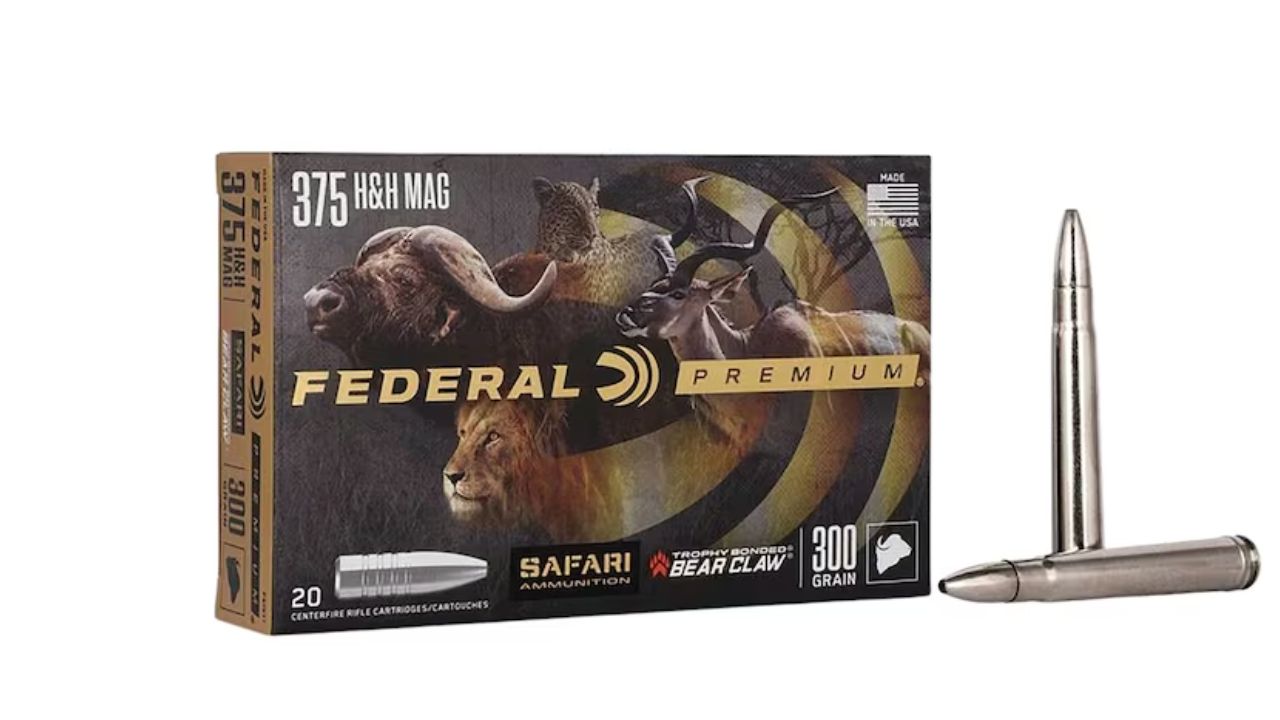
The .375 H&H is iconic, but unless you’re hunting large and potentially dangerous game, it simply doesn’t provide meaningful benefits. The recoil is heavy but manageable—yet it’s still far more than needed for elk, moose, or anything in North America outside of big coastal bears. Most shooters struggle to stay consistent past a handful of rounds, especially from lightweight rifles.
With modern bullets, mid-sized calibers perform exceptionally well on everything short of dangerous game. The .375 is still the right tool for Africa or brown bear country, but outside of those environments, you’re dealing with recoil that adds up fast without returning much practical value.
.450 Marlin

The .450 Marlin was designed to match the performance of hot .45-70 loads, but it carries the same drawbacks: stout recoil, limited reach, and a punishing firing experience. Even though it’s capable up close, it doesn’t shoot flat enough to justify the discomfort for most deer or elk hunters. The ammo is also expensive and not nearly as available as other big-bore options.
Modern bullets and powders have made standard-pressure .45-70 loads incredibly effective, making the .450 feel somewhat redundant. For most shooters, the recoil-to-benefit ratio simply isn’t worth the trade, especially when softer-kicking calibers deliver reliable results.
.340 Weatherby Magnum

Weatherby cartridges often push the limits, and the .340 Weatherby takes that reputation seriously. It delivers blistering velocity but at the cost of recoil that can rattle anyone who doesn’t practice regularly. In most field situations, that extra speed doesn’t translate into cleaner kills or longer shots. Instead, it adds fatigue, muzzle rise, and a tendency to develop flinch.
When you compare it to more manageable rounds like the .300 Win Mag or 7mm PRC, the .340 loses its justification quickly. You’re essentially paying with recoil for ballistics that smarter bullet designs can deliver with less effort.
.458 Winchester Magnum

The .458 Win Mag is a hammer meant for dangerous game at close distances. For anything else, it’s simply too much. The recoil is severe, and the muzzle blast can be overwhelming. Even seasoned shooters practice sparingly with it because each round takes a physical toll. It’s not a cartridge you enjoy shooting—it’s one you tolerate for specific tasks.
For general hunting, or even large North American game, you get no realistic benefit from this level of power. Cartridges like the .375 H&H or even moderate .30-caliber magnums do everything you need without bruising shoulders and creating bad habits.
.416 Rigby
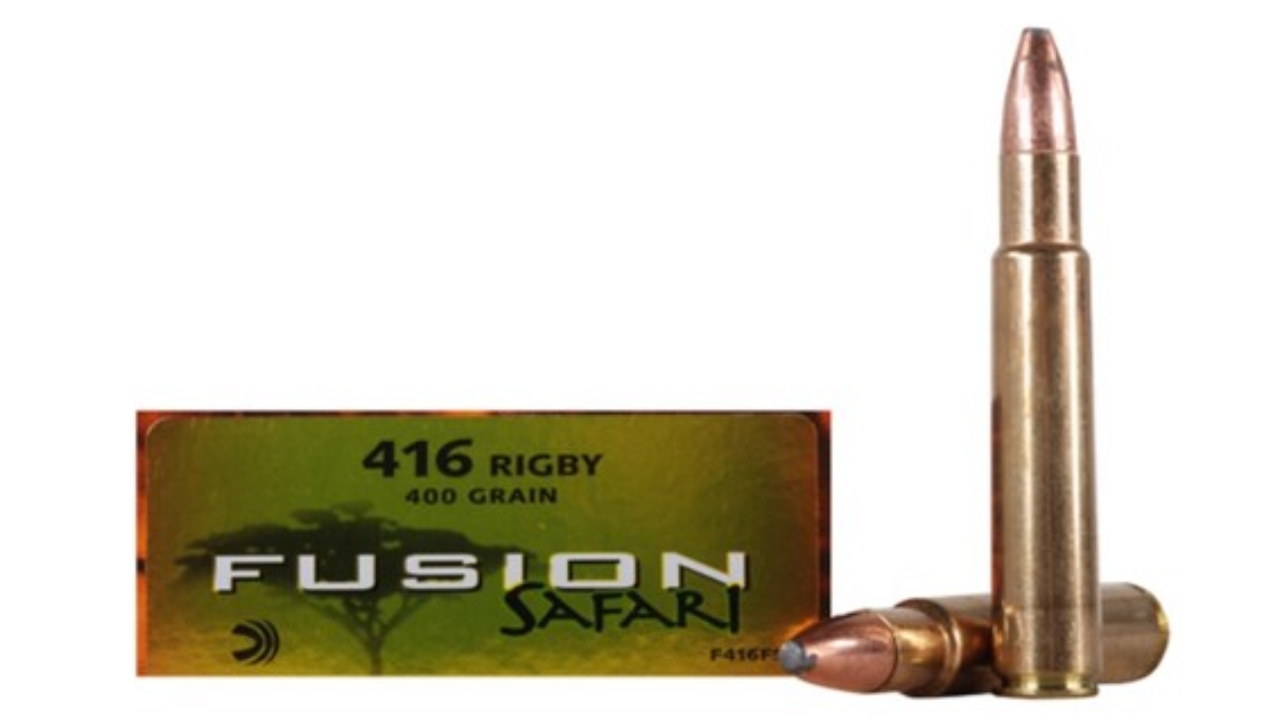
The .416 Rigby has history behind it, but its recoil level is among the most punishing you’ll encounter in a standard rifle platform. It excels in dangerous-game environments, where penetration is critical, but it offers nothing that a recoil-sensitive shooter—or any average hunter—needs on temperate big game species.
As with many big bores, ammunition is expensive, rifles are heavy, and the return on recoil investment is minimal unless you’re specifically facing animals that can turn the tables. It’s impressive but unnecessary for the vast majority of shooters.
.257 Weatherby Magnum

The .257 Weatherby Magnum is known for its incredible velocity, but with that velocity comes a level of recoil and muzzle blast that feels out of proportion to its real-world advantage. It’s a flat shooter, but today’s 6mm and 6.5mm cartridges match its reach with significantly better recoil control and more consistent factory loads.
Barrel wear is a real issue, and lightweight rifles chambered for it can be unpleasant to shoot for extended periods. While it still performs well on deer-sized game, you have softer-kicking options that produce the same results without punishing your shoulder.
.460 Weatherby Magnum

The .460 Weatherby Magnum is one of the hardest-kicking sporting cartridges ever designed. It puts out staggering energy—far more than anyone needs outside of stopping the largest and most dangerous animals on the planet. Shooting one from the bench is an exercise in pain tolerance, not accuracy.
For everyday hunters or recreational shooters, there’s simply no justification. Even those who hunt dangerous game often choose milder big-bores because the recoil makes follow-up shots difficult. The .460 Weatherby is impressive, but its recoil-to-practicality ratio is unmatched in the wrong direction.
.300 Weatherby Magnum

The .300 Weatherby Magnum has plenty of power, but it comes with a sharp recoil pulse and a muzzle blast that wears you down quickly. With today’s 300 PRC and modern .30-cal magnum loads performing more consistently, there’s little reason to endure the Weatherby’s punishment.
It does offer speed and reach, but modern cartridges deliver similar ballistics with better efficiency and softer recoil. Many shooters move away from it after realizing that the performance gains don’t offset the discomfort, especially in lightweight rifles.
.444 Marlin

The .444 Marlin was once a niche thumper, but today it suffers from stiff recoil without giving you real advantages over a standard-pressure .45-70 or a .450 Bushmaster. Ammo selection is limited, rifles are fewer each year, and its bullet options haven’t kept pace with modern designs.
The recoil hits hard, especially in lever guns without recoil pads or added weight. When you look at what other straight-wall cartridges can do with far greater comfort, the .444’s role becomes smaller every season.
.338 Lapua Magnum (for hunting use)

The .338 Lapua is phenomenal for long-range precision work, but it’s wildly excessive for general hunting. It produces heavy recoil, requires very heavy rifles, and doesn’t offer a realistic advantage at normal hunting distances. Even experienced shooters struggle to maintain steady accuracy once the recoil fatigue sets in.
Unless you’re shooting steel at extreme ranges or working in a military environment, it simply doesn’t earn the discomfort. Modern 6.5 and .30-caliber cartridges match most real-world hunting needs without beating you up.
.300 WSM (in ultralight rifles)

The .300 WSM is a capable cartridge, but many manufacturers dropped it into ultralight rifles that magnified recoil to unpleasant levels. Fired from a heavy gun, it’s manageable. Fired from a five-pound mountain rifle, it’s a fast track to flinching and inconsistent groups.
When you compare its performance to modern long-range loads like 300 PRC or 7mm PRC, you see little incentive to put up with the discomfort of a lightweight .300 WSM setup. The recoil simply outweighs its modest ballistic advantage, especially for newer or recoil-sensitive hunters.
Like The Avid Outdoorsman’s content? Be sure to follow us.
Here’s more from us:
The worst deer rifles money can buy
Sidearms That Belong in the Safe — Not Your Belt
*This article was developed with AI-powered tools and has been carefully reviewed by our editors.


