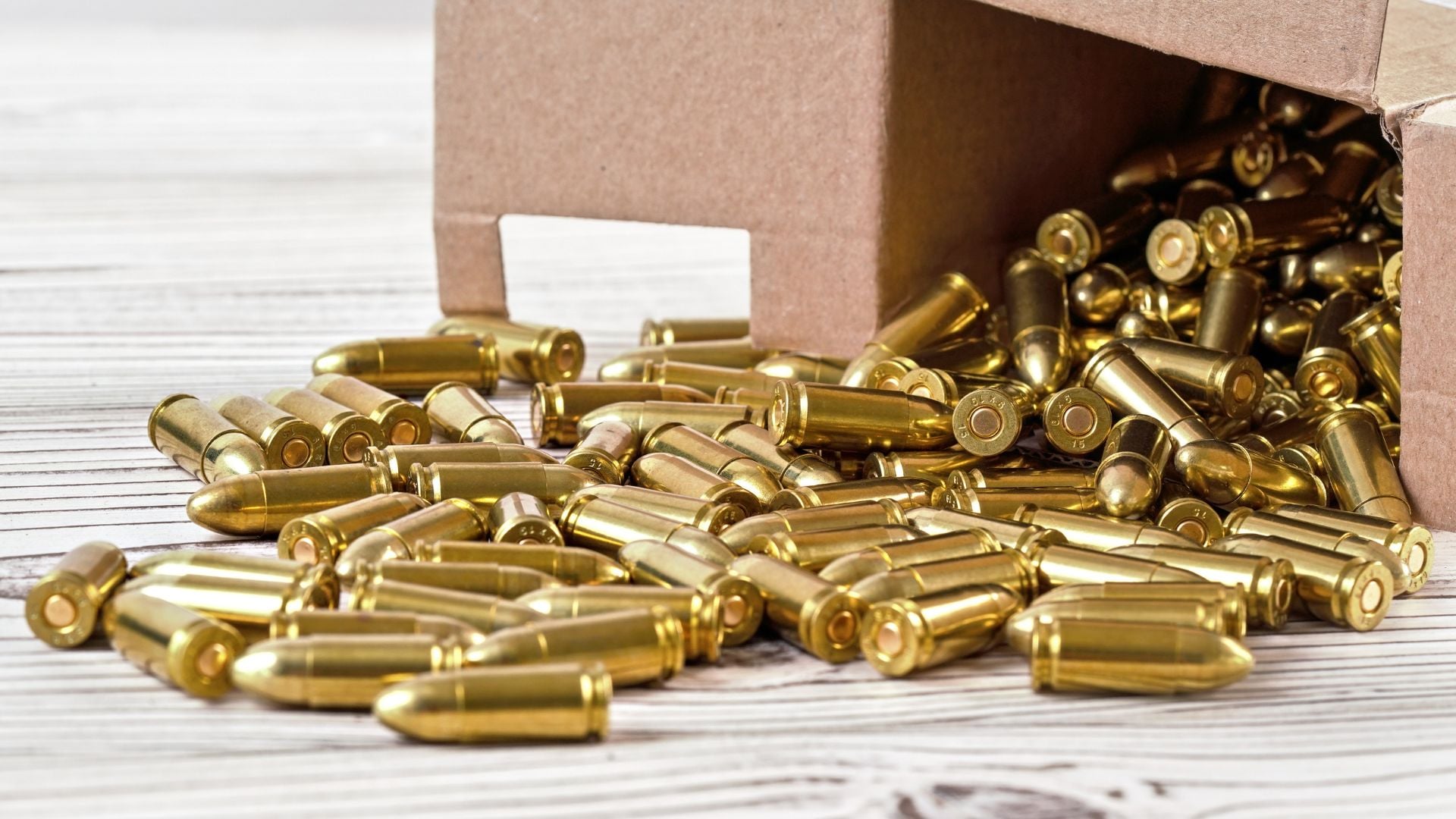
Photo credit: Lubo Ivanko/Shutterstock.com
When ammo shortages hit, some calibers hold steady because they’re widely produced and supported across multiple platforms. Then there are the others—the ones that disappear almost overnight and don’t come back quickly, if at all. These are the rounds that hunters and shooters quickly realize are more hassle than they’re worth when shelves empty. Whether it’s due to limited demand, specialized use, or lack of consistent manufacturing, these calibers vanish first and take the longest to return. If you depend on one of these, you know the frustration of hunting down overpriced boxes online or driving store to store in vain. When ammo runs dry, these calibers are usually the first to leave you high and dry.
.41 Magnum

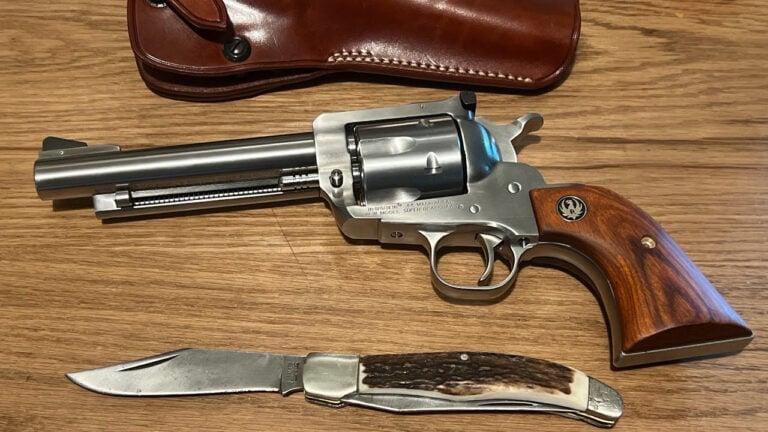
The .41 Magnum has its loyal fans, but when ammo dries up, it disappears almost instantly. With fewer companies producing it compared to .357 or .44 Magnum, shelves don’t stay stocked for long. Even in good years, it’s never been a high-volume round, which makes it especially vulnerable during shortages.
Hunters who carry .41 Magnums know this problem well. The round is capable in the field, but it simply doesn’t have the mainstream support to keep it available year-round. When panic buying hits, .41 Magnum is gone long before common revolver calibers. Reloading is an option, but factory ammo is always spotty at best. This is one of those cartridges that’s great when you already have it, but when the shelves empty, it vanishes without a trace. If you rely on one for hunting or carry, you’d better have a stash at home, because resupply is never guaranteed.
.300 Savage

The .300 Savage had its heyday decades ago, but today it’s a round that disappears fast when supply gets tight. While it was once popular in lever-action and early bolt rifles, it has largely been overshadowed by the .308 Winchester. That means there’s less incentive for manufacturers to keep steady runs of it on shelves.
Hunters who still carry rifles chambered in .300 Savage often find themselves scrambling during shortages. Even in normal times, you don’t see it stacked high at every sporting goods store, and when people start grabbing ammo in bulk, it’s one of the first to go. The round is still effective for deer hunting, but practicality takes a hit when finding ammo becomes the real challenge. Unless you’re dedicated to handloading, the .300 Savage is a caliber that vanishes quickly when the market tightens, leaving its users wishing they had chosen something with stronger long-term support.
.32 H&R Magnum

The .32 H&R Magnum is another caliber that doesn’t stand a chance in an ammo crunch. It has a small but loyal following among revolver shooters, yet production runs are limited, and most stores don’t carry more than a box or two at any given time. Once demand spikes, those boxes disappear instantly.
Even though it offers advantages over the .32 Long and serves as a steppingstone below .357 Magnum, it simply doesn’t have the user base to keep it afloat during shortages. Many who shoot .32 H&R Magnums eventually move to reloading, because relying on factory supply is a losing battle. The ammo companies focus on higher-demand rounds first, leaving niche calibers like this one to sit at the bottom of the priority list. It’s a practical and fun round when you can get it, but when ammo runs dry, the .32 H&R Magnum is one of the first to vanish without warning.
.35 Remington

The .35 Remington has a long history in the deer woods, especially in rifles like the Marlin 336. But when ammo runs scarce, it becomes almost impossible to find. Even under normal conditions, you might only see a few boxes sitting in specialty shops, and once panic buying starts, those are the first to disappear.
This caliber never had the mass appeal of .30-30 Winchester, which is why it struggles to maintain a steady supply. For hunters who love their .35 Remington rifles, it means stocking up well in advance. Once the shelves empty, it can be months—or years—before you see it again. Reloaders keep the cartridge alive, but casual shooters are often left high and dry. The .35 Remington is still effective in the woods, but its lack of broad support guarantees it won’t survive ammo shortages without disappearing completely. That reality makes it more of a specialty round today than a practical one.
.41 AE (Action Express)

The .41 AE was never mainstream, and that’s exactly why it vanishes the moment ammo supply dips. Designed in the late 1980s as a way to bring .41 Magnum ballistics into semi-autos, it never gained widespread adoption. With almost no new pistols chambered for it, production runs are rare and limited even in good years.
During shortages, ammo makers focus on what sells—9mm, .45 ACP, .223—and the .41 AE is left behind. That means existing stock disappears immediately, and finding replacements becomes nearly impossible. Even online retailers rarely have it outside of specialty batches. If you own one of the few pistols chambered in .41 AE, you’re probably already used to hoarding ammo or reloading, because there’s no relying on steady supply. This is a perfect example of a caliber that simply vanishes when times get tough, leaving its already small user base scrambling for any leftovers they can find.
.280 Remington

The .280 Remington has always lived in the shadow of .270 Winchester and .30-06 Springfield, which hurts its chances when ammo runs tight. While it’s a solid performer in its own right, it doesn’t have the widespread support of its more famous competitors. That means fewer production runs and thinner inventory on shelves.
During shortages, you’ll see .270 and .30-06 disappear quickly but reappear just as fast. The .280, on the other hand, might not come back for months. Hunters who love the caliber understand this problem all too well, and many have learned to reload simply to keep shooting. The round has plenty of merit in the field, but it’s hard to recommend when supply is this unreliable. If you rely solely on factory ammo, the .280 Remington is one of those calibers that vanishes completely once the shelves run bare.
.221 Fireball

The .221 Fireball is an interesting cartridge with a dedicated following among varmint shooters, but it suffers badly during ammo shortages. With such limited production runs, most stores don’t carry it regularly, and when they do, it’s usually just a box or two. That’s not enough to keep shooters supplied once demand rises.
While the cartridge offers great performance in small packages, like the XP-100 pistol, its niche status means ammo makers don’t prioritize it. When factory output slows or shifts, the .221 Fireball is one of the first rounds to vanish completely. Reloaders can keep it alive, but if you depend on buying off-the-shelf ammo, you’ll quickly find yourself empty-handed. This is one of those calibers that reminds you just how fragile niche cartridges can be when the market turns. For casual shooters, relying on the .221 Fireball in a shortage is a recipe for frustration.
.307 Winchester

The .307 Winchester was designed to give lever-action rifles ballistics closer to a .308, but it never really caught on. Ammo has always been scarce, and when supply gets tight, it’s one of the first cartridges to disappear entirely. Even before shortages, many shooters already struggled to find it regularly stocked.
Hunters who own rifles in .307 Winchester often learn quickly that handloading is the only real option. Factory ammo is produced in such limited numbers that it vanishes from shelves at the first sign of panic buying. While the cartridge itself is capable and effective, its practicality suffers heavily due to supply issues. For that reason, most hunters shy away from it, and those who do keep rifles chambered in it know they’ll be on their own when the shelves go bare. It’s a caliber that belongs more to dedicated enthusiasts than anyone relying on steady access to ammunition.
.284 Winchester

The .284 Winchester was ahead of its time in design, but it never found mainstream success. Today, it has a small but dedicated group of fans, many of them handloaders. Unfortunately, factory ammo production is limited, and when shortages hit, it disappears completely. Even online, finding loaded .284 Winchester can be a challenge.
Hunters who use it praise its performance, but they also know the frustration of trying to keep rifles fed. Compared to common calibers like .270 or .308, it simply doesn’t have the same manufacturing priority. That means when the supply chain slows, .284 is one of the first to dry up and one of the last to come back. Unless you’re committed to reloading, relying on it can be risky. It’s a round with plenty of merit, but when ammo runs dry, the .284 Winchester always seems to vanish quicker than most.
.32 Winchester Special

The .32 Winchester Special still shows up in older lever rifles, but ammo availability has been shrinking for years. When demand spikes, it disappears from shelves quickly, leaving owners scrambling to find any leftover stock. Even in normal times, you won’t see it in bulk like .30-30, and that makes it especially vulnerable during shortages.
The round is effective on deer, but it’s never had the massive following of other lever-action calibers. That limited base keeps production sporadic, and once those limited runs sell out, there’s no telling how long it’ll take to come back. Many hunters with rifles chambered in .32 Winchester Special end up relying on old stashes or moving to more common calibers. It’s a classic round that still works in the field, but its vulnerability in ammo shortages is undeniable. When the market tightens, it’s one of the first lever-gun calibers to vanish completely.
.257 Roberts

The .257 Roberts has long been a favorite among those who appreciate its balance of power and mild recoil. But when ammo runs scarce, it vanishes in a hurry. With far fewer rifles chambered for it today, manufacturers only produce small batches, which are quickly bought up when panic buying starts.
Hunters who rely on the .257 Roberts often learn to keep a reserve at home, because shelves don’t restock quickly. Even though the round has plenty of practical field performance, it doesn’t have the numbers behind it to stay supported during shortages. Compared to more mainstream cartridges, it’s always at the bottom of the priority list. That’s why pawn shops and online classifieds often see rifles chambered in .257 Roberts changing hands whenever ammo dries up. It’s a caliber that deserves respect, but its vulnerability during shortages makes it one of the first to vanish when the market turns.
*This article was developed with AI-powered tools and has been carefully reviewed by our editors.