
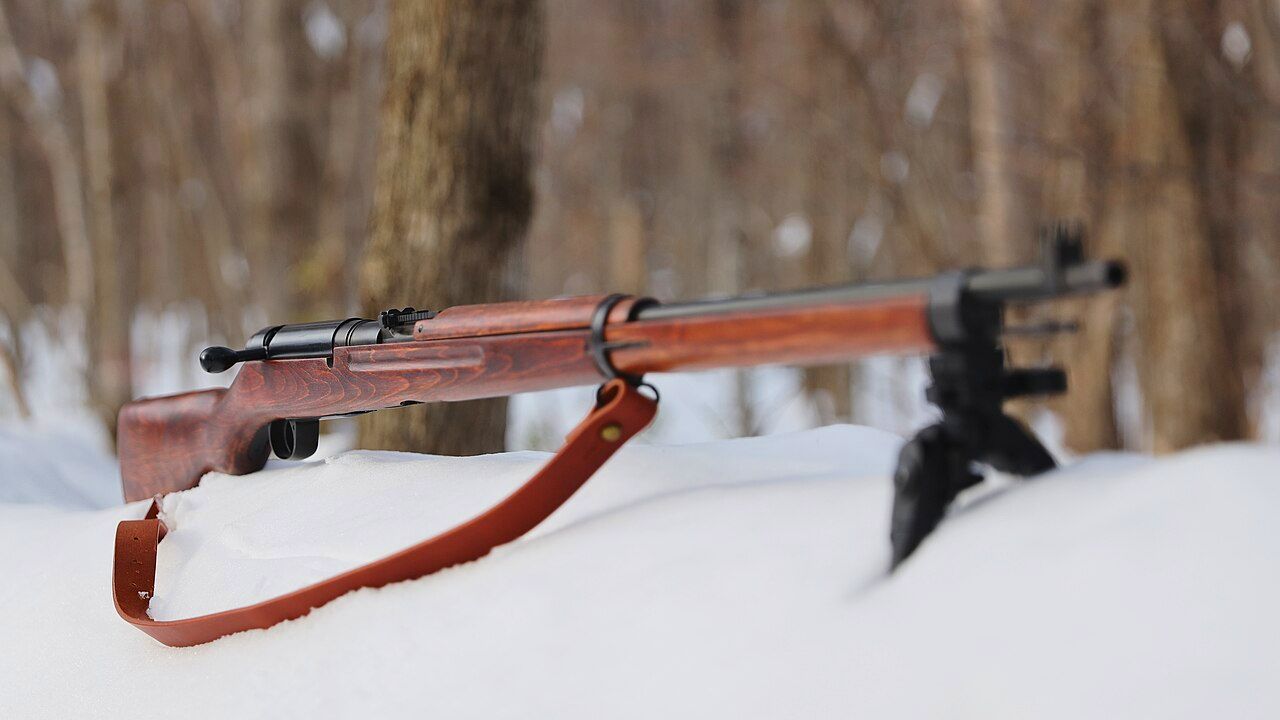
Photo credit: By MIKI Yoshihito – Flickr, CC BY 2.0, /Wikimedia Commons
Old war rifles have a way of humbling modern shooters. While most people assume newer equals better, a handful of military rifles from decades past can still print groups that would embarrass rifles coming off the shelf today.
These guns were built during a time when accuracy was earned through craftsmanship and tight tolerances, not fancy optics or carbon stocks. Many were hand-fitted, forged from real steel, and built to perform under real-world pressure—not benchrest comfort.
Even after years of service and storage, they still shoot tight and true. If you ever doubt what old-world machining can do, these rifles will remind you fast.
Swedish Mauser M96
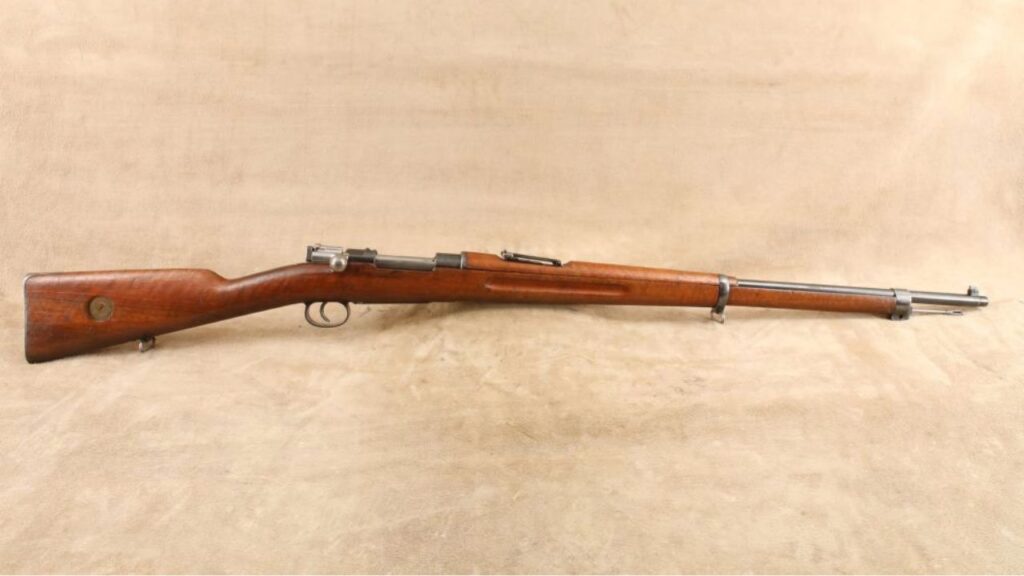
The Swedish M96 is one of the most consistently accurate surplus rifles ever made. Chambered in 6.5x55mm, it benefits from a mild recoil impulse and long, sleek bullets that stay stable well beyond 300 yards. The barrels were cold-hammer forged and meticulously inspected, often outshooting rifles that cost triple today’s market price.
Most M96 rifles still produce one-inch groups with factory loads, and handloads tighten that further. The action is smooth, and the triggers—especially on unmolested examples—break clean. You’ll feel the precision in every cycle. For a rifle built over a century ago, it performs like it’s competing for medals today.
Swiss K31
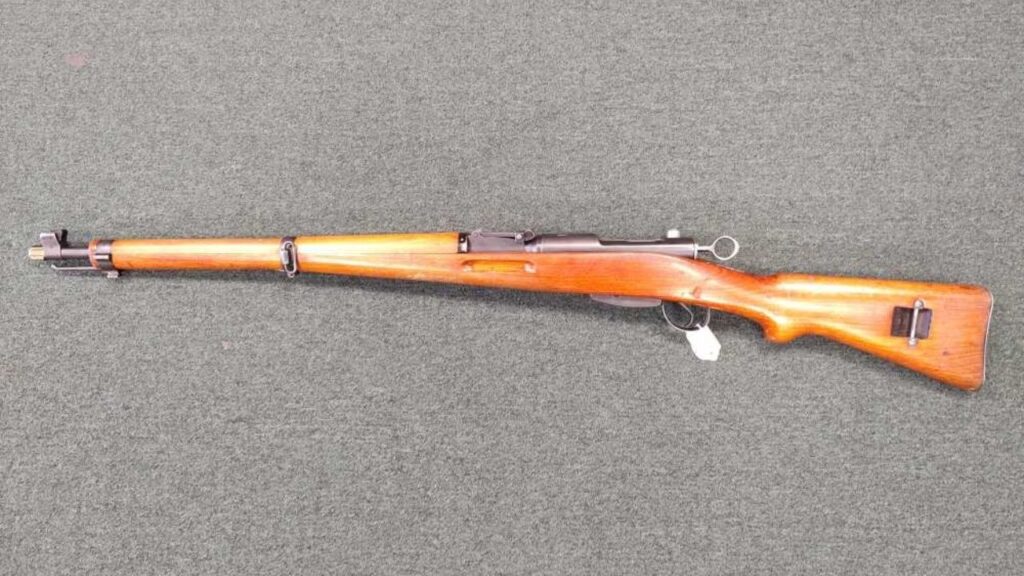
The K31 is a precision instrument disguised as a battle rifle. The straight-pull action is fast and strong, and the barrels were made with surgical precision. The 7.5x55mm Swiss cartridge is inherently accurate, and when paired with the K31’s tight tolerances, it produces groups that rival modern target rifles.
Even with surplus GP11 ammo, many shooters report sub-MOA results. The craftsmanship shows in the machining—the bolt locks up like a bank vault, and the triggers are crisp and predictable. It’s the kind of rifle that rewards skill and punishes laziness. Every shot feels deliberate, and the results speak for themselves.
M1903 Springfield
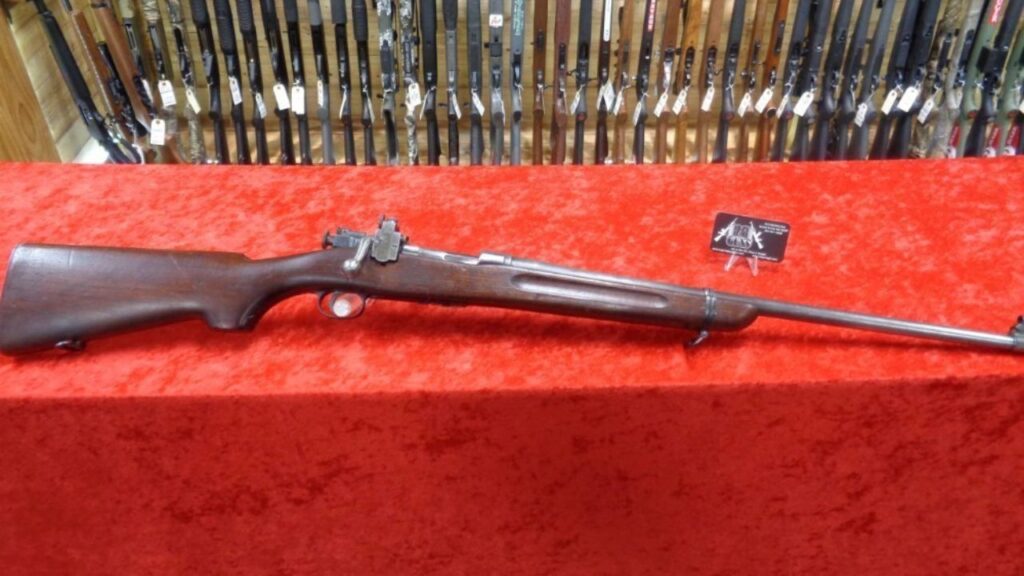
The 1903 Springfield is still the benchmark for military bolt rifles. Its 24-inch barrel and tight chambering in .30-06 make it a natural tack driver. Many were built to match-grade standards for competition shooting, and even service rifles regularly group under 1.5 inches at 100 yards.
The sights are among the best of any old war rifle, and the action feels rock solid. With modern match ammo, an original 1903 can still outshoot most factory hunting rifles. There’s a reason many were sporterized after the war—they were simply too accurate to leave behind.
Lee-Enfield No. 4 Mk I (T)
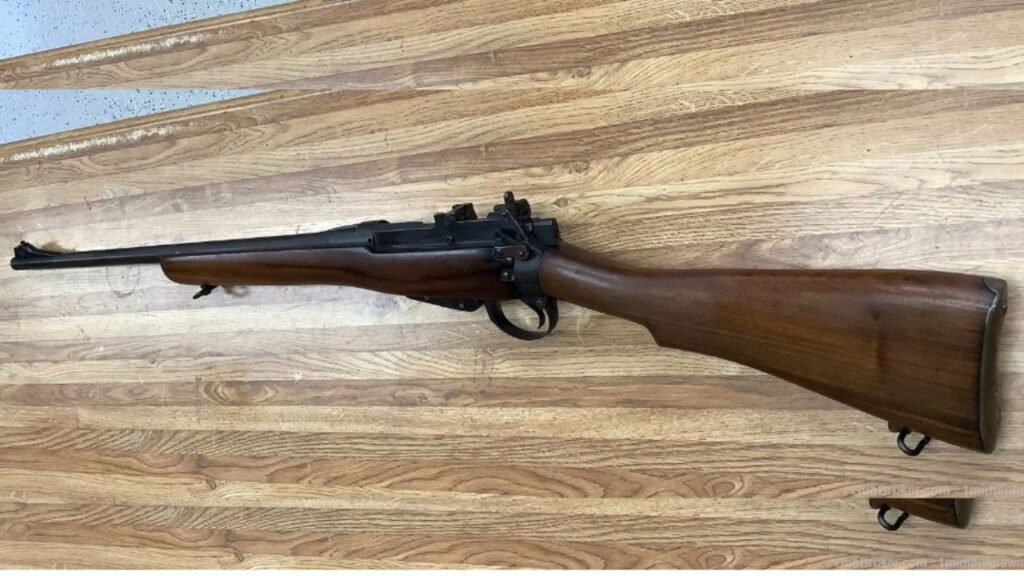
The No. 4 Mk I (T) sniper variant of the Lee-Enfield was hand-selected for accuracy, and it shows. Even the standard No. 4 rifles can surprise you with how consistently they group, thanks to their excellent bedding system and smooth bolt throw. The .303 British round isn’t flashy, but it performs remarkably well in these rifles.
The Enfield’s rear-locking bolt gives it a fast follow-up, and the longer sight radius adds precision. A properly maintained No. 4 can print groups tighter than many modern hunting rifles. It might look like a relic, but in capable hands, it’s anything but outdated.
Mosin-Nagant M39 (Finnish)
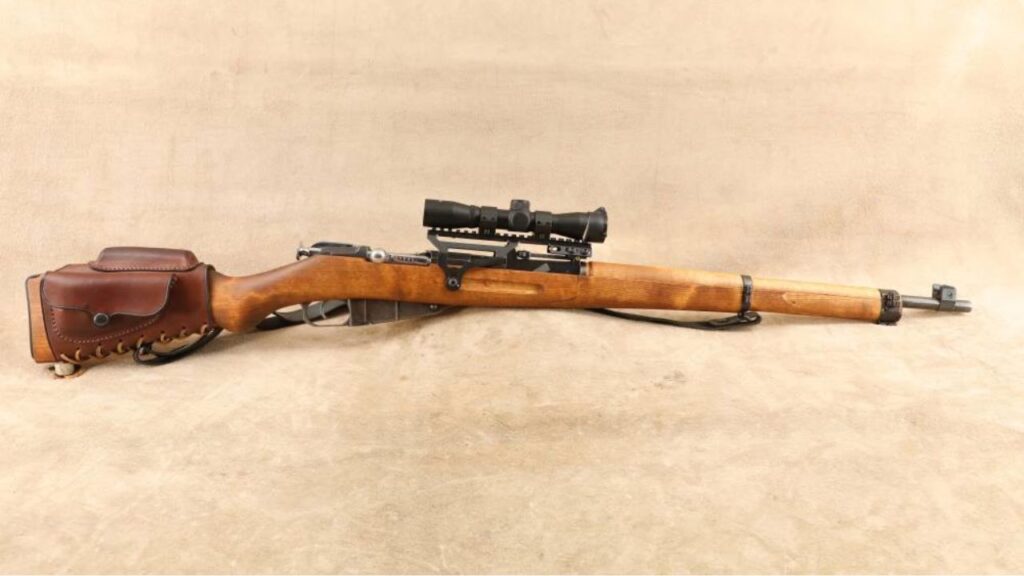
Forget the rough Russian Mosins—the Finnish M39 is a whole different animal. The Finns took the basic Mosin design and turned it into a precision rifle. Barrels were hand-fitted, triggers were tuned, and the 7.62x54R cartridge was optimized for repeatable accuracy.
The result is a surplus rifle that can hold 1.5 MOA all day long. Some M39s have produced near-MOA groups with factory ammo, which is impressive for a design that predates most shooters’ grandparents. It’s heavy, yes, but that weight stabilizes it. In terms of bang for your buck, few old rifles can match its performance.
M1 Garand (National Match Builds)

The M1 Garand wasn’t designed as a precision rifle, but the National Match builds turned it into one. The semi-auto action doesn’t stop it from producing 1 MOA groups in the right hands. The .30-06 round pairs well with its 24-inch barrel, delivering consistent velocity and accuracy shot after shot.
Even service-grade Garands, when well-maintained, can rival newer bolt guns at 100 to 300 yards. The sights are excellent, and the trigger break is cleaner than many modern rifles. When tuned correctly, a Garand proves that old-school craftsmanship can hang with modern CNC perfection.
Mauser K98k (German Production)
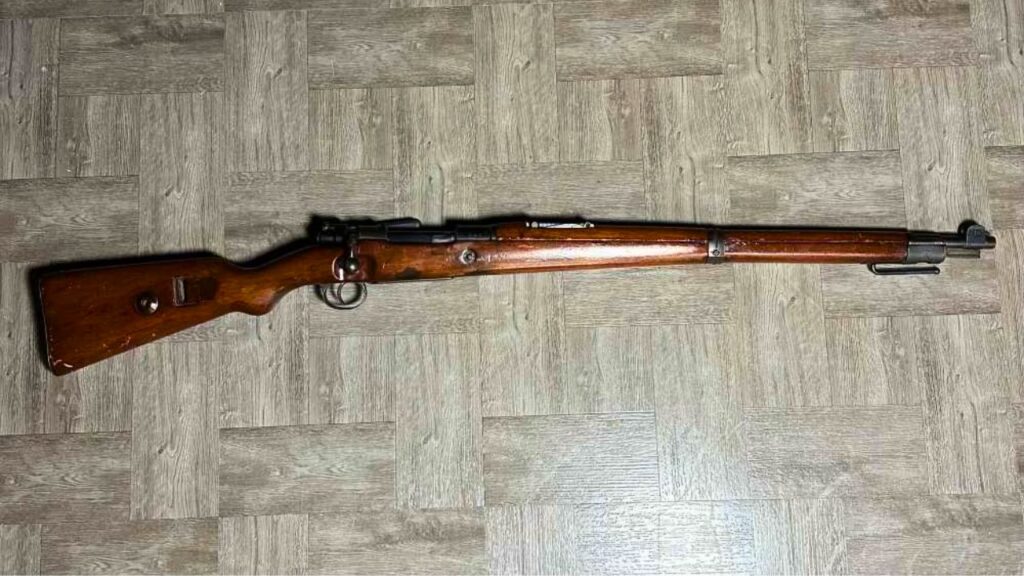
The German K98k set the standard for bolt-action design. Its controlled-feed action is still the model many manufacturers copy today. With its 8mm Mauser chambering and excellent metallurgy, it delivers repeatable accuracy that puts it in league with far newer rifles.
Original K98ks with clean bores can still group within 1.5 MOA using quality ammo. The barrels were precision-cut, and the actions were hand-fitted by craftsmen who knew their trade. Even with iron sights, you can consistently hit out to 400 yards. It’s no wonder this design shaped generations of bolt rifles that followed.
Swiss 1911 Long Rifle
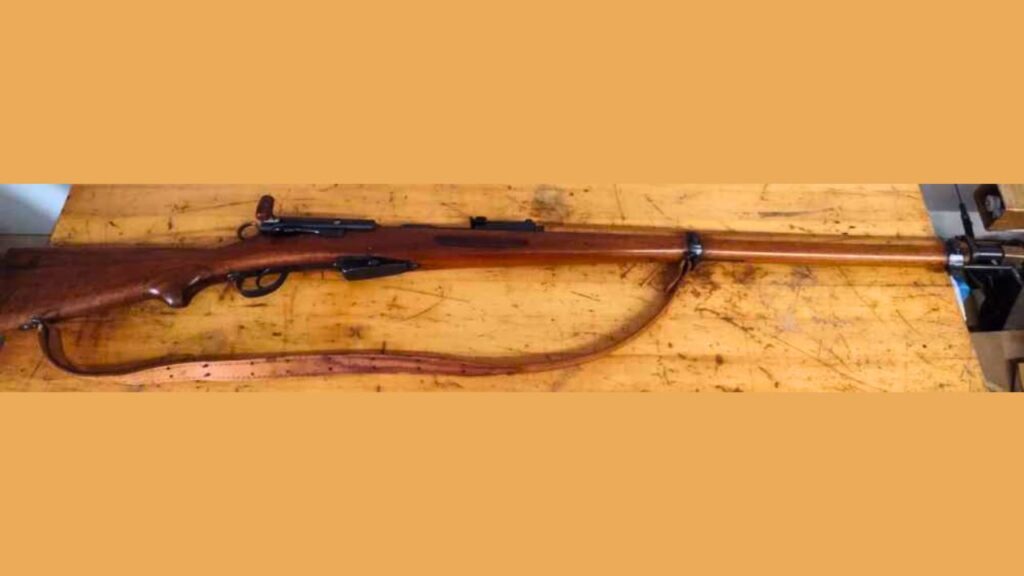
The predecessor to the K31, the 1911 long rifle, shoots every bit as well. The longer barrel wrings out even more precision from the 7.5x55mm round, and the action feels smoother than most rifles from its era. It’s heavier and a bit more cumbersome, but it rewards careful shooting with unmatched consistency.
Surplus examples often show exceptional accuracy, even after a century of use. With quality GP11 ammunition, sub-MOA groups aren’t uncommon. The 1911’s weight and barrel length make it less handy in the field, but on the range, it’s a surgical instrument.
Arisaka Type 99 (Early Production)

The early Type 99 Arisakas were built to incredibly high standards. Their chrome-lined barrels resist wear and corrosion, and their 7.7x58mm round offers excellent ballistic performance. Many underestimate these rifles because of late-war versions, but the early models are exceptionally tight shooters.
The action is strong, the recoil manageable, and the accuracy often rivals top-end Mausers. Collectors know these rifles are undervalued for what they can do. The machining precision of those first runs means many still shoot like they left the factory last month, not eighty years ago.
U.S. M40 (Vietnam-Era Sniper Rifle)

Built from the Remington 700, the original M40 was hand-fitted by Marine armorers and chambered in 7.62 NATO. These rifles regularly shot sub-MOA groups under combat conditions, and many still do today. The barrels were carefully selected, and the bedding was tuned for perfect consistency.
Even decades later, those M40 rifles can outshoot plenty of modern production bolt guns. The design’s simplicity and precision are why the platform remains relevant. It’s proof that when a rifle is built right the first time, it doesn’t need constant reinvention—it just needs a steady trigger finger.
*This article was developed with AI-powered tools and has been carefully reviewed by our editors.


