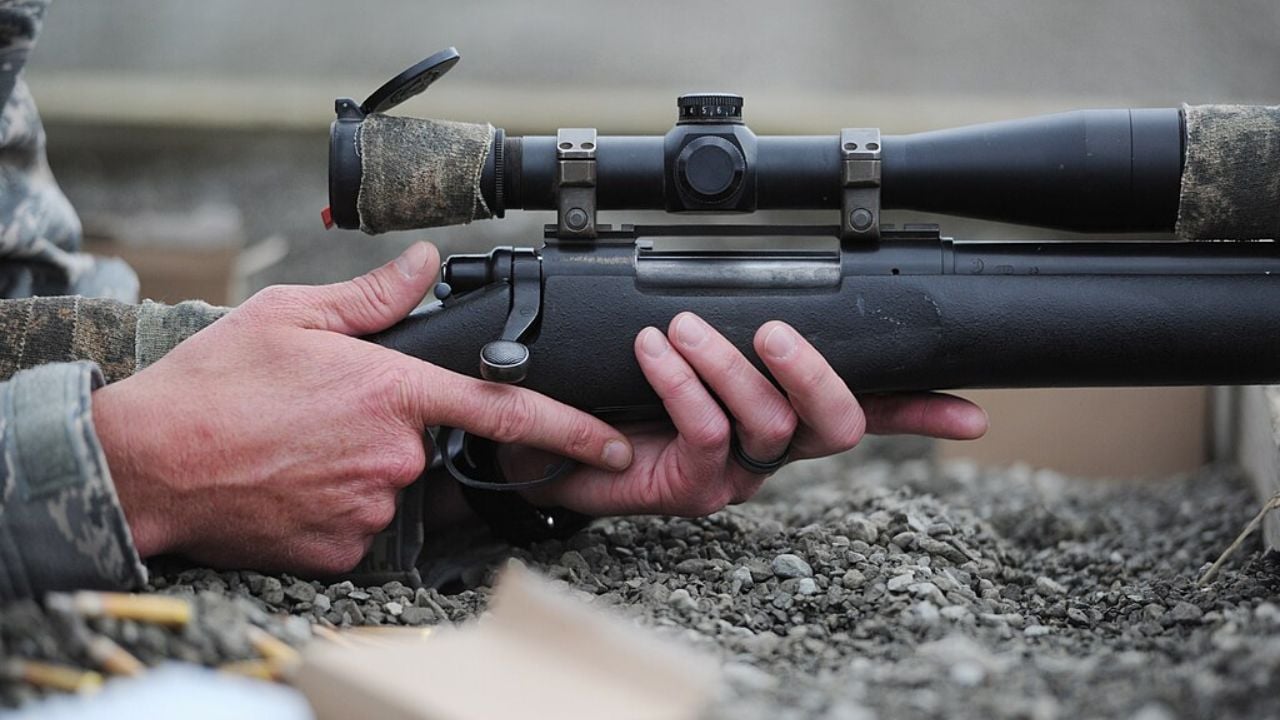
Photo credit: By Justin Connaher – /wikimedia Commons
Wind is the great equalizer when you’re shooting at distance. No matter how steady your rest or how sharp your scope, a strong crosswind can make even the best marksman miss. Hunters know this all too well, especially in open country where the breeze never really settles down. You might think only the heavy magnums can muscle through it, but the truth is, some calibers surprise you with how steady they fly. Bullet shape, speed, and ballistic coefficient all matter more than raw size alone.
If you’ve written off certain cartridges because you assumed they’d drift too much, you might want to rethink that. Some of the most common hunting calibers hold their line far better than expected when you factor in modern bullet designs. From lighter rounds that punch above their weight to overlooked mid-calibers that carry sleek projectiles, these are the rifle cartridges that can handle the wind better than you’d guess at first glance.
.243 Winchester

The .243 Winchester is often labeled as a youth or varmint round, but with heavier bullets it surprises people in windy conditions. Pairing it with a 95- or 105-grain boat-tail projectile gives you a streamlined shape that cuts through the air far better than the lighter varmint loads most shooters associate with the caliber. That extra ballistic efficiency makes it hold its line even when the wind picks up.
Recoil is mild, which means you’re more likely to practice enough to understand its performance in different wind speeds. Many hunters dismiss it for long shots on deer or antelope, but with the right bullet it stays accurate farther than you’d expect. If you want a caliber that doesn’t beat you up but still holds its ground against the breeze, the .243 Winchester is better in the wind than its reputation suggests. It’s one of those cartridges that rewards the shooter who chooses their ammunition wisely.
6mm Creedmoor
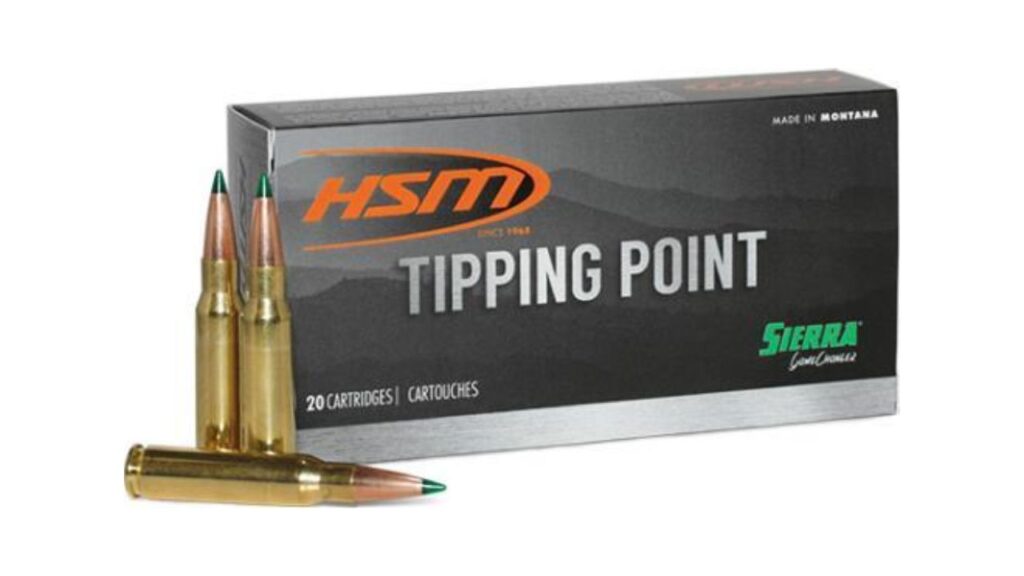
The 6mm Creedmoor doesn’t get the same attention as its bigger sibling, but it’s one of the flattest shooting cartridges available today. Its ability to launch long, heavy-for-caliber bullets with very high ballistic coefficients makes it perform exceptionally in crosswinds. Even though it’s a 6mm, it stays on target better than some larger rounds simply because its bullet design fights drag so effectively.
Hunters chasing pronghorn, mule deer, or coyotes in windy terrain often find the 6mm Creedmoor easier to manage than they expected. The recoil is light enough to let you stay in the scope and call your own shots, which helps when conditions are variable. It may not carry the same stopping power for elk or moose, but within its lane it’s a stable, efficient choice. If you’ve overlooked it because of caliber size alone, you’d be surprised how calm it stays in rough air.
.25-06 Remington
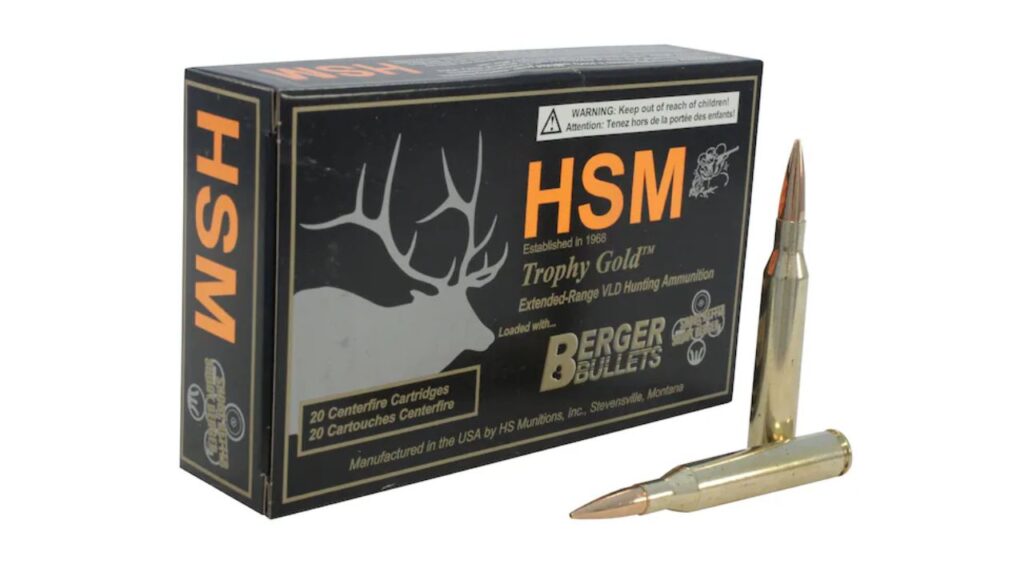
The .25-06 Remington is one of those rounds that doesn’t get talked about much anymore, but it holds its own when the wind blows. It drives 115- to 120-grain bullets at impressive speeds, and that velocity helps minimize how long the projectile is exposed to shifting air. Combine that with modern bullet designs, and you’ve got a caliber that stays straighter than many hunters expect.
For deer, antelope, and similar game, the .25-06 delivers flat trajectories and dependable accuracy. Many hunters assume it drifts too much because of its smaller diameter, but once you see it perform on a windy day across an open field, it changes your mind. It may not have the cachet of newer cartridges, but in the right hands it stays remarkably stable. If you’ve written it off as a dated option, you’ll be surprised at how well it can hang in variable weather.
7mm-08 Remington
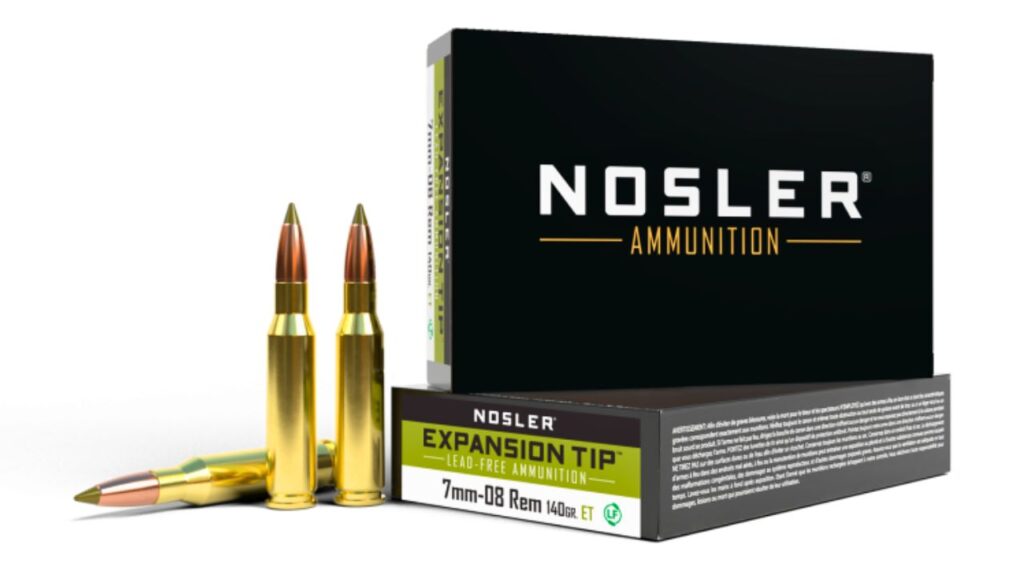
The 7mm-08 Remington is often overlooked in favor of bigger names, but its wind performance is stronger than you’d guess. Built off the .308 case, it pushes streamlined 7mm bullets that carry excellent ballistic coefficients. Those bullet designs mean less drift, even when you’re stretching shots across windy plains.
It doesn’t punish your shoulder, which encourages more practice and better familiarity with wind calls. Hunters use it for deer and elk with confidence, and part of that comes from how steady it stays in real-world conditions. While it may not match the raw horsepower of a magnum, it makes up for it with efficiency. If you’re hunting in areas where the breeze always seems to cut across the ridges, the 7mm-08 is more capable than many realize. It’s a mid-caliber with real long-range stability, especially when paired with the right bullet weight.
.260 Remington
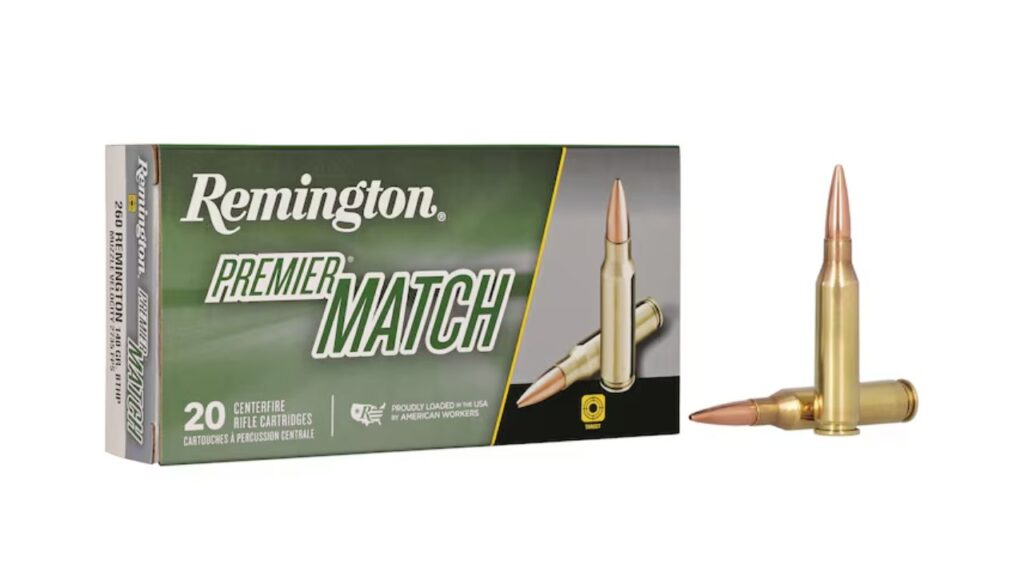
The .260 Remington has quietly built a reputation among long-range shooters for staying steady in less-than-ideal weather. Its 6.5mm bullets carry high ballistic coefficients, and that gives them an edge over many similar-sized cartridges when the wind kicks up. With the right load, it hangs close to the 6.5 Creedmoor in terms of stability, but it often flies under the radar.
For hunters, that means a cartridge that works on deer, antelope, and even elk with bullets that keep their path consistent. It doesn’t have flashy marketing behind it, which is why it isn’t as common, but those who shoot it know how forgiving it can be. If you’re looking for something different from the Creedmoor but still want reliable performance in open, windy country, the .260 Remington delivers more than most give it credit for. Its underrated wind resistance makes it a sleeper choice for serious hunters.
.280 Remington

The .280 Remington sits in an interesting spot between the .270 Winchester and the 30-06, and while it never became hugely popular, it has impressive wind performance. Shooting 140- to 160-grain bullets with sleek profiles, it stays straighter in gusty conditions than many give it credit for. Those 7mm bullets carry the kind of ballistic efficiency that makes crosswind holds easier to manage.
Hunters who know the .280 often swear by its consistency in big, open spaces. It works on deer, elk, and antelope with authority, but without the recoil of magnums. That balance makes it approachable while still being effective in the wind. It might not be the first caliber that comes to mind when you think of stability, but once you’ve shot it across canyons or prairies, you’ll understand its appeal. The .280 Remington is quietly one of the better rounds for holding its line when conditions get unpredictable.
.223 Remington (with heavy bullets)

The .223 Remington doesn’t usually make wind-stable lists, but load it with heavier match-style bullets—69 grains and up—and it becomes a different animal. Those longer projectiles carry better ballistic coefficients than the lighter varmint rounds, meaning they resist drift more effectively. It’s not a long-range hunting powerhouse, but within its effective game range it does better than most expect.
Hunters targeting varmints, coyotes, or hogs in open country often find that the heavier bullets keep them on track even when the breeze is working. The mild recoil also helps you stay locked on target and make quick follow-up shots if necessary. While the .223 will never be a top elk or deer cartridge, it deserves recognition for punching above its weight in terms of wind resistance when paired with the right bullet. It’s a reminder that caliber alone doesn’t tell the whole story—bullet choice matters.
.30-30 Winchester

The .30-30 Winchester isn’t a cartridge most people associate with long-range wind stability, but inside its practical range, it handles breezy conditions better than many think. Its heavier flat-nose or round-nose bullets carry enough mass to keep from drifting excessively at 100 to 200 yards. In the thick woods or open clearings where it’s most often used, that stability is more than enough.
Hunters often dismiss the .30-30 as outdated, but those who’ve used it in gusty crosswinds know it maintains surprising consistency at typical hunting distances. It’s not going to compete with modern long-range cartridges, but in its wheelhouse it performs better than its old reputation suggests. If you carry a lever-action into the field, you can have confidence that a windy day won’t throw you off nearly as much as you might think. The .30-30 remains reliable where it counts.
.308 Winchester
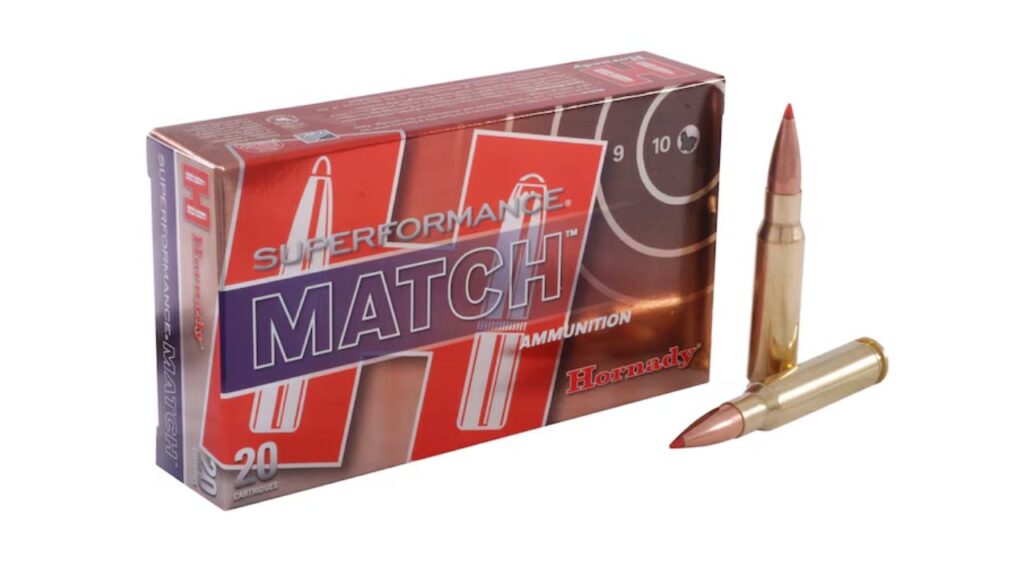
The .308 Winchester is widely respected for its versatility, but it’s often underestimated in wind. Shooting 165- to 175-grain bullets with good ballistic coefficients, it holds steadier than many assume. While it doesn’t match the flatter magnums at extreme distance, within normal hunting ranges it resists drift far better than some lighter calibers.
Hunters who carry the .308 in windy terrain appreciate how predictable it is. Once you’ve dialed in a load, it performs the same shot after shot, even when gusts are shifting. Its wide availability of ammunition also means you can choose bullets specifically designed for higher stability. For deer, hogs, or even elk, the .308 continues to prove why it’s so trusted. It may not sound flashy on paper, but in the field its wind performance is stronger than you’d expect. That consistency is why it’s still one of the most carried rifles today.
.35 Whelen

The .35 Whelen is often thought of as a heavy, close-range hammer, but its wind performance can surprise you. With bullets in the 200- to 250-grain range, it has the mass to shrug off drift at reasonable hunting distances. Even though its trajectory isn’t flat like a .270 or 7mm magnum, the sheer weight of its bullets helps them hold course through gusty conditions.
Hunters chasing elk, moose, or bear appreciate that stability, especially when shooting across clearings or ridgelines where wind is unpredictable. The recoil is stout, but the payoff is a bullet that doesn’t wander as easily as lighter calibers. While it isn’t meant for extreme long-range, within 250 yards it stays remarkably consistent. If you’ve only thought of the .35 Whelen as a thumper for brush hunting, you’d be surprised how well it holds up when the air is moving. It’s better in the wind than most give it credit for.
*This article was developed with AI-powered tools and has been carefully reviewed by our editors.