Photo credit: Volodymyr Burdiak/Shutterstock.com
When you’re hunting deer and hogs on the same ground, you want a caliber that handles both without hesitation. Deer aren’t hard to bring down with a well-placed shot, but hogs are a different story—thick shoulders, tough bone, and a bad habit of soaking up marginal hits. A good dual-purpose caliber should give you clean kills on deer while still punching deep enough to deal with a quartering hog or a boar running through brush. These cartridges balance penetration, accuracy, and recoil in a way that works across open fields, hardwoods, crop edges, and dense southern thickets. If you want a round you can trust for either animal, these are the ones that earn that place in your rifle.
.308 Winchester

The .308 Winchester is one of the most dependable do-everything hunting calibers out there. It shoots accurately, offers a wide selection of bullet weights, and has the energy you need to handle heavier hogs. For deer, the .308 gives you predictable performance with manageable recoil, even in lightweight rifles. It stays steady from field rests, saddle setups, and box blinds.
For hogs, the .308 shines with bonded or copper bullets that drive deep without blowing apart. Hunters who deal with a mix of deer and hogs appreciate how easy it is to find ammo that performs well across both species. It’s a round you can carry with confidence no matter which animal steps out first.
.30-06 Springfield
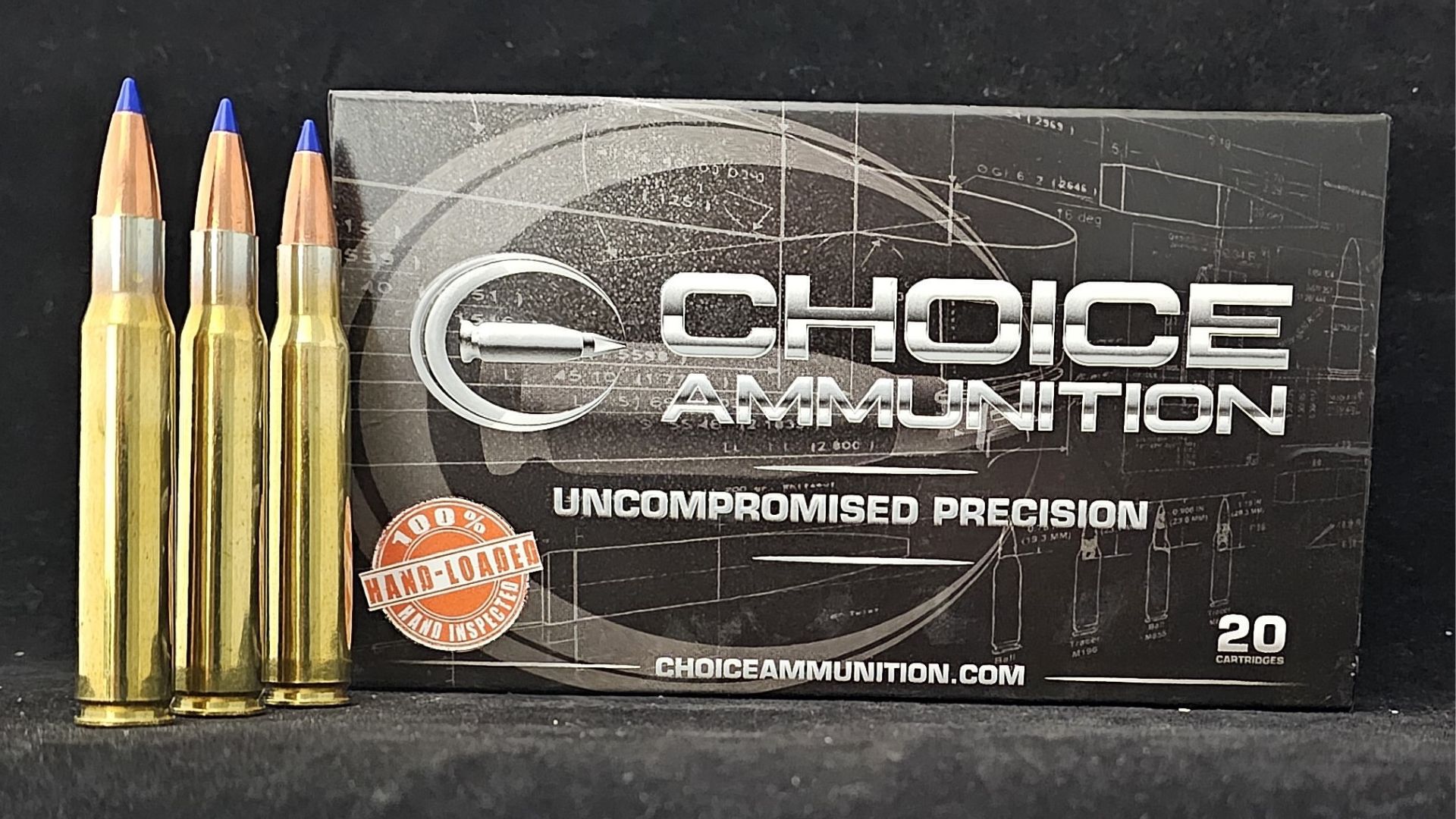
The .30-06 is one of the most versatile cartridges ever used for North American hunting. It carries heavier bullets than the .308 and maintains solid energy at longer distances. On deer, it offers clean, reliable kills with common 150- to 165-grain loads. The recoil stays manageable if your rifle fits you well.
For hogs, especially bigger boars, the .30-06 brings enough punch to reach the vitals even on quartering shots. Heavier 180-grain bullets perform well through thicker bone and muscle. If you want a single rifle and caliber that’s been proven for decades on both species, the .30-06 is hard to argue against.
.270 Winchester
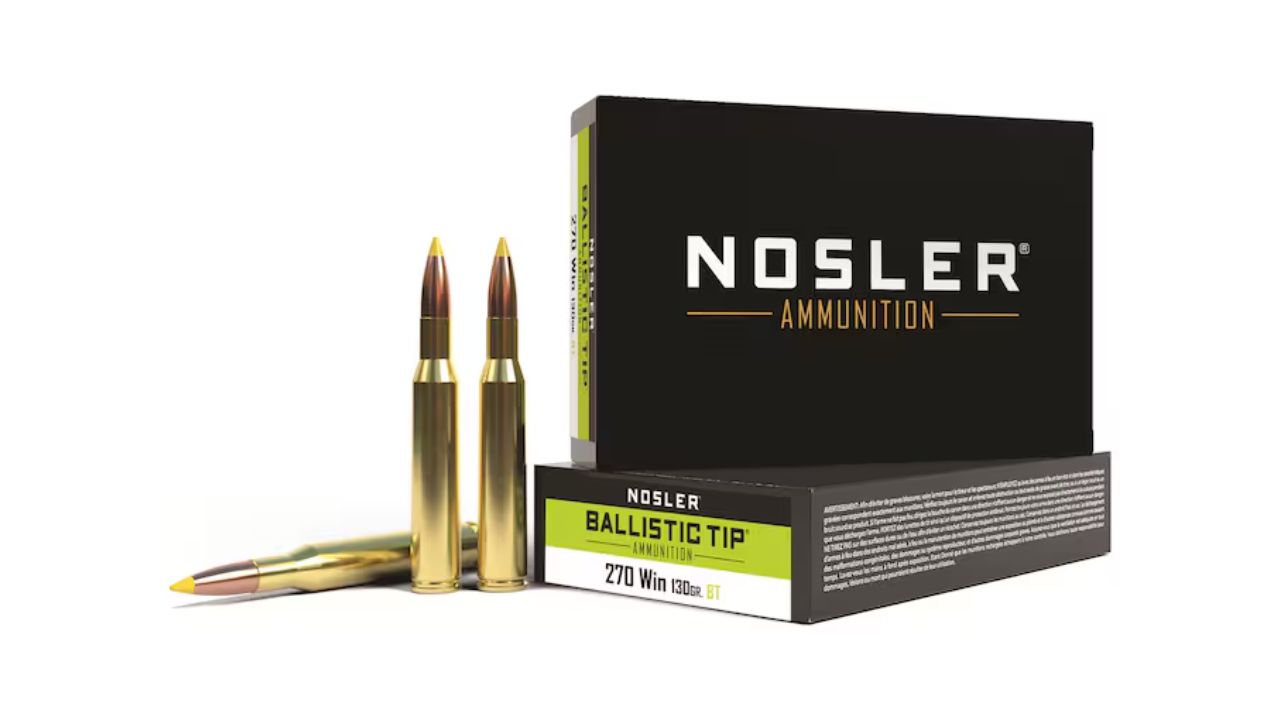
The .270 Winchester gives you flat trajectories and strong energy delivery with 130- to 150-grain bullets. Deer hunters appreciate how naturally it carries across open terrain and how confidently it performs at extended distances. Recoil remains comfortable for most shooters, which helps you stay consistent in the field.
On hogs, the .270 handles better than many expect. With controlled-expansion bullets, it penetrates deep enough to deal with larger pigs. While lighter bullets are better suited for broadside shots, the heavier options work well for tougher angles. If you like a flat-shooting caliber that remains effective on both deer and hogs, the .270 earns its place on the list.
7mm-08 Remington
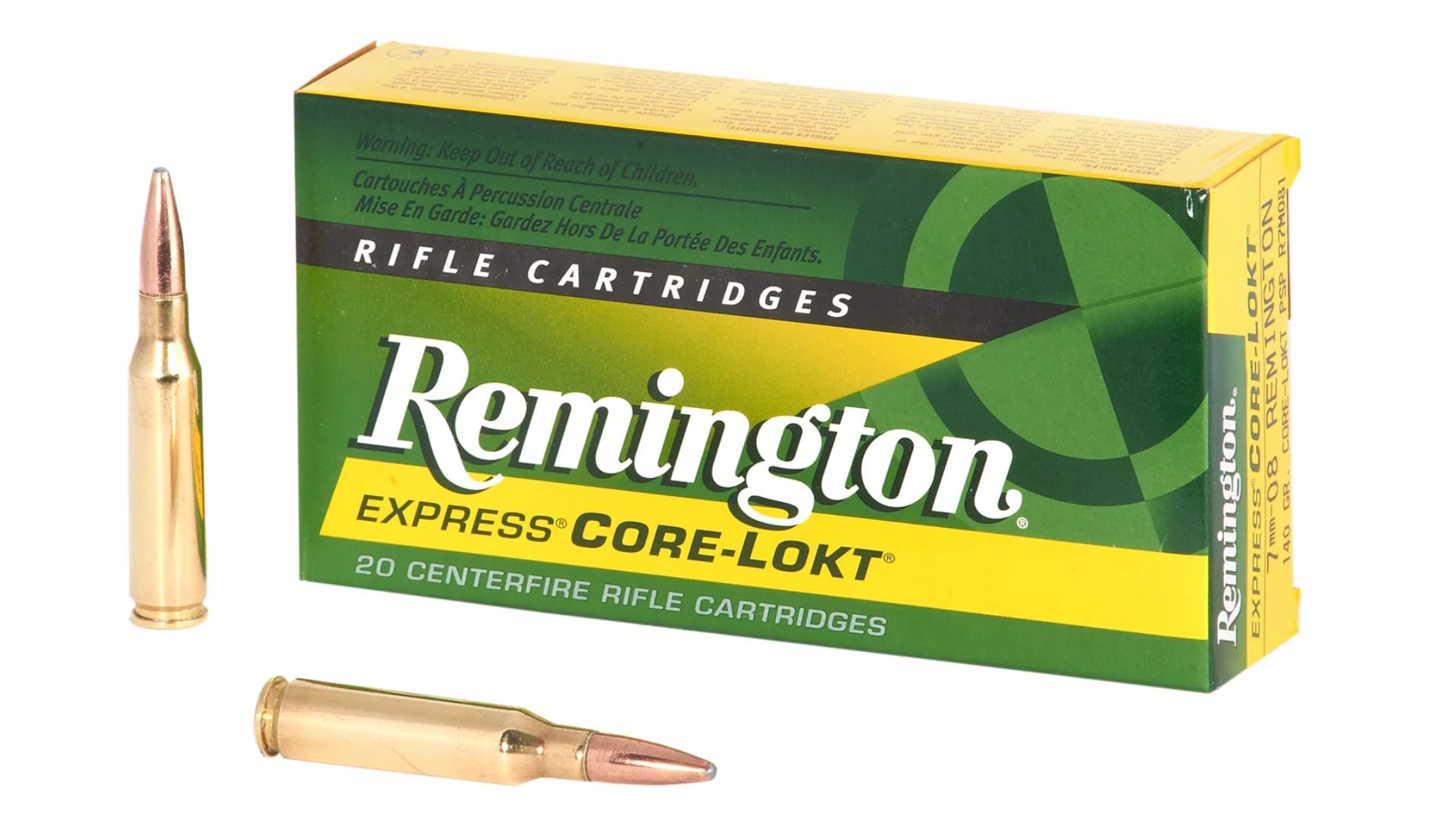
The 7mm-08 blends efficiency and accuracy in a way that suits mixed-bag hunting. It recoils less than the .308 while still carrying sleek, high-BC bullets that hold energy well. For deer, the 7mm-08 is extremely steady and takes the guesswork out of longer shots.
For hogs, the caliber performs best with bonded or copper bullets in the 140- to 150-grain range. Those bullets penetrate well enough for large boars while still expanding reliably on deer. Many hunters who deal with both species end up sticking with the 7mm-08 because it shoots comfortably while still offering real field power.
.30-30 Winchester

The .30-30 is a classic for a reason, especially where shots stay inside 150 yards. It has long been a favorite in thick woods and brush, where both deer and hogs often appear quickly. The recoil is manageable, and lever-action rifles chambered in .30-30 are light, quick, and easy to point in tight cover.
On hogs, the .30-30 still performs well with heavier flat-nose or round-nose bullets. It may not be a long-range caliber, but inside typical woods distances, it carries enough punch to break bone and reach the vitals. If your hunting happens in dense southern terrain, the .30-30 remains one of the most practical dual-purpose options.
.35 Remington

The .35 Remington has been anchoring deer and hogs cleanly for generations. Its heavier bullets hit with authority and penetrate deeply, which is especially important for hogs that quarter hard or run through tangled cover. In thick woods, this caliber feels tailor-made for quick, controlled shots.
For deer, the .35 Remington offers decisive performance without excessive recoil. It’s ideal for hunters who prefer close-range accuracy and reliable energy transfer. Lever guns chambered in .35 Rem carry easily and cycle quickly, making the caliber a favorite for mixed-species hunts in brush country.
.450 Bushmaster

In straight-wall states, the .450 Bushmaster has become a go-to option for both deer and hogs. Its heavy bullets deliver tremendous close-range punch, making it extremely effective on big hogs. Inside 200 yards, the .450 offers deep penetration and strong energy retention.
For deer, the Bushmaster may seem like overkill, but many hunters appreciate how cleanly it anchors whitetails. Recoil is stout but manageable in properly built rifles. If you hunt thick ground where neither species is likely to be far away, this caliber is one of the most reliable choices available.
6.5 Creedmoor

The 6.5 Creedmoor divides opinions, but its real-world performance on deer and hogs is well-documented. With modern hunting bullets, it creates controlled expansion and deep penetration. For deer, it’s extremely forgiving thanks to its mild recoil and excellent accuracy.
On hogs, the Creedmoor performs best when paired with tough bullets that hold together on shoulder hits. It may not deliver the same punch as heavier .30-caliber rounds, but its penetration and consistency make it an effective dual-purpose caliber when used with the right ammo.
.243 Winchester

The .243 Winchester might seem light for hogs, but with proper bullet selection, it performs far better than many give it credit for. On deer, it’s one of the most comfortable and accurate options you can shoot. The mild recoil leads to steadier field shots, especially for hunters who struggle with heavier calibers.
For hogs, the .243 requires careful shot placement and tough bullets. Copper or bonded bullets turn it into a surprisingly capable performer within moderate distances. If you want a low-recoil caliber that still handles both species with discipline, the .243 deserves consideration.
.25-06 Remington

The .25-06 offers excellent speed and flat trajectories, making it strong for open-country deer hunting. Hunters appreciate how predictable it is across longer ranges, and recoil remains light enough for extended practice sessions.
On hogs, the .25-06 benefits from heavier 115- to 120-grain bullets with sturdy construction. Those loads carry enough energy to break through tough shoulders and reach the vitals. If you hunt open fields, pastures, or prairie edges where both deer and hogs roam, this caliber performs extremely well.
7mm Remington Magnum

The 7mm Rem Mag brings plenty of reach and impact for both deer and hogs. It shoots flat, bucks wind effectively, and drives deep with 150- to 175-grain bullets. On deer, it offers clean, fast kills without excessive meat damage when you choose the right load.
For hogs, the magnum energy shines on bigger boars or longer shots across cutovers and crop fields. Recoil is noticeable but manageable with a proper stock and fit. If you want a caliber that handles both species at longer distances, the 7mm Rem Mag is a solid choice.
.300 Winchester Magnum

For hunters who want a heavier caliber capable of handling any hog that walks, the .300 Win Mag stands tall. It hits with authority, carries energy far, and still provides excellent accuracy. On deer, lighter bullets make it more manageable, while heavier ones excel on tough hogs.
Even though the recoil is stronger, many hunters trust this caliber when they expect shot angles to be difficult or ranges unpredictable. It’s more power than you need for deer alone, but on hogs, that extra punch often matters.
.44 Magnum (carbine)

When fired from a carbine, the .44 Magnum becomes a very effective short-range caliber for both deer and hogs. It delivers heavy, wide bullets that expand well inside typical woods distances. For deer, it creates quick, clean kills, especially in thicker terrain where long shots aren’t common.
On hogs, the .44 Mag’s heavy bullets penetrate well and carry enough punch to stop running pigs inside 100 yards. Paired with a handy lever-action or lightweight semi-auto, it’s a practical, compact choice for hunters who prefer close-range encounters.
.300 AAC Blackout

The .300 Blackout works best at short distances, but within its lane, it handles both deer and hogs effectively. Supersonic loads with sturdy bullets penetrate well and offer reliable expansion. It’s a popular choice for hunters using compact rifles or night-hunting setups.
For hogs, the .300 Blackout excels with barrier-blind or copper loads, especially in thick brush or near feeders where shots stay tight. For deer, it performs predictably inside 150 yards. With the right ammo and shot discipline, the Blackout makes sense for mixed-species hunts in close-quarters environments.
Like The Avid Outdoorsman’s content? Be sure to follow us.
Here’s more from us:
The worst deer rifles money can buy
Sidearms That Belong in the Safe — Not Your Belt
*This article was developed with AI-powered tools and has been carefully reviewed by our editors.