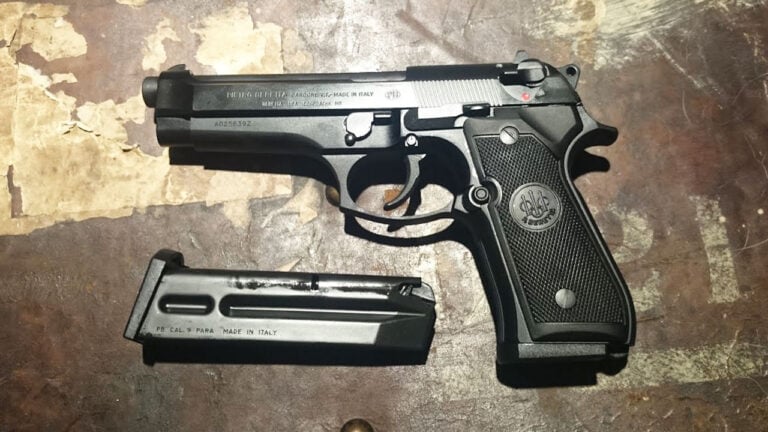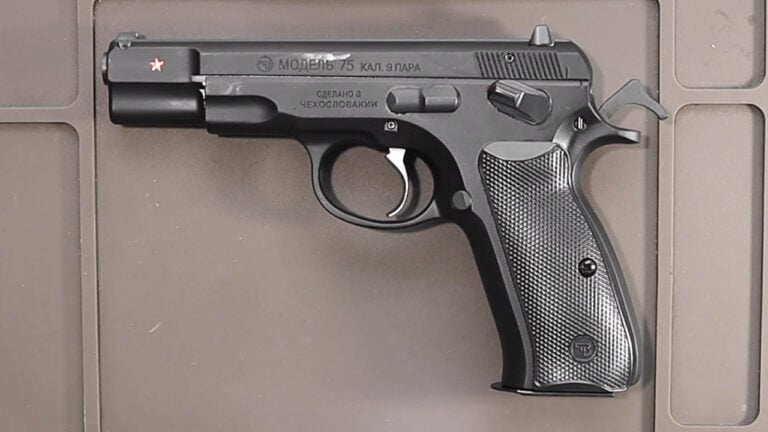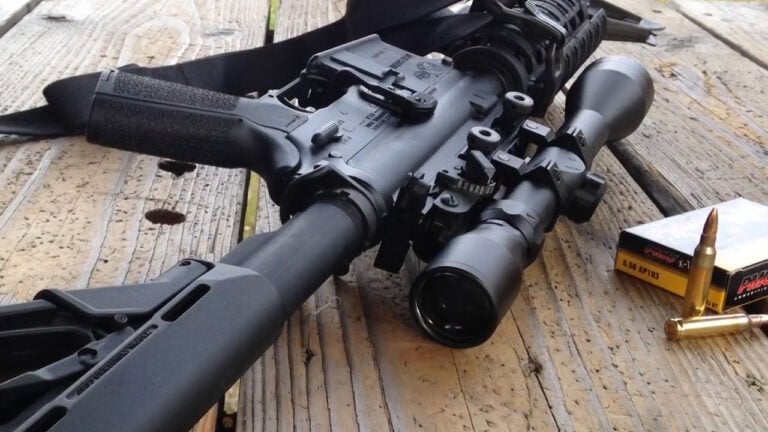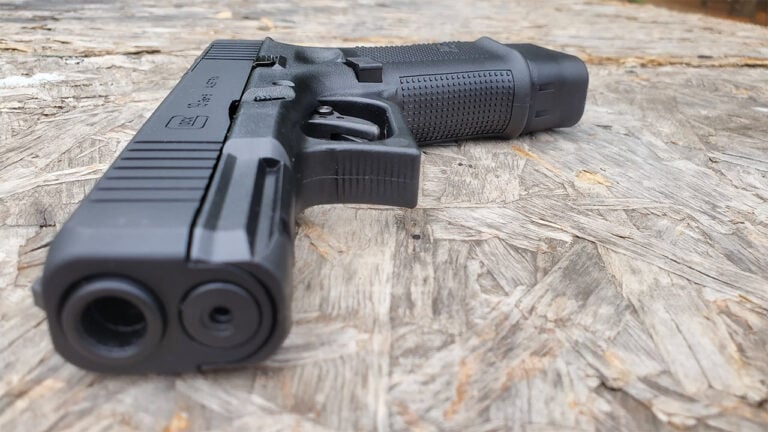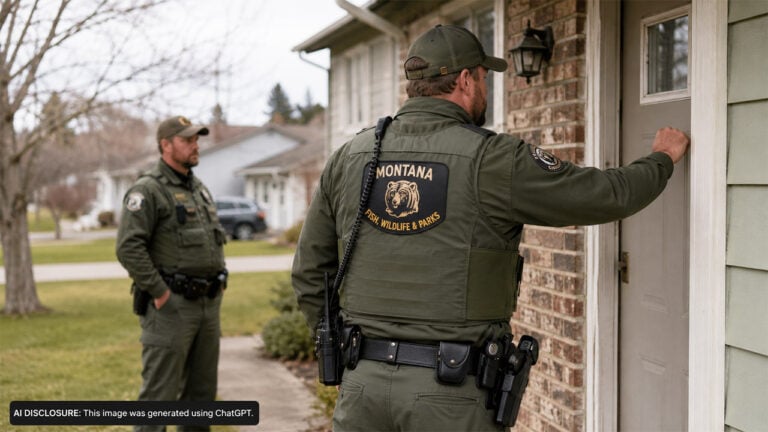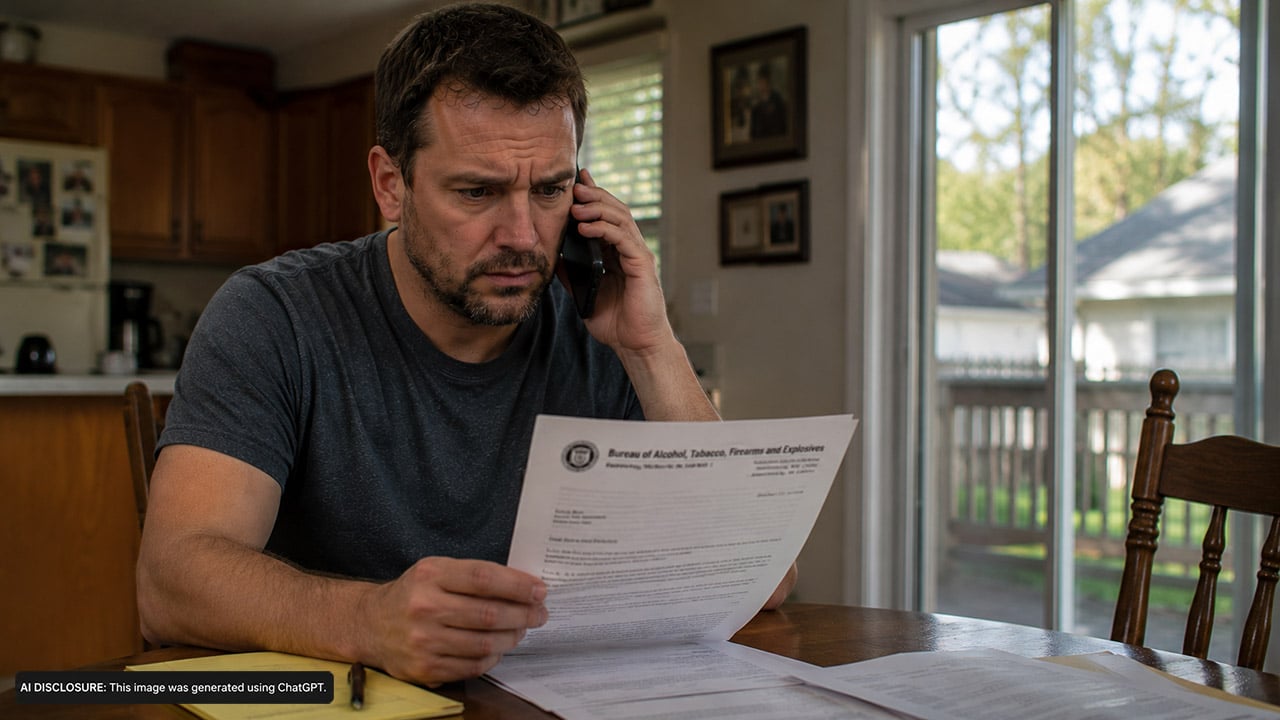
Photo credit: AI-generated image created using ChatGPT. Illustrative only
There are phone calls that make your stomach drop, especially if you’ve got a family at home and you’ve tried to do everything by the book. One gun owner recently described getting a call from a federal agent who said a firearm the man used to own had been used in a homicide. The story was shared in the original post, and it’s the kind of scenario that makes a lot of hunters and shooters rethink how they handle paperwork.
The man said he’d sold the gun the previous summer—not in a private parking-lot deal, but to a “reputable dealer.” Still, the agent wanted details, and wanted to meet. That’s when the situation got real in a hurry: a gun you once owned is tied to a violent crime, and now you’re in the middle of a trace whether you like it or not.
A routine trace can feel like an accusation
According to the account, the agent called asking about a specific firearm the man had owned. The caller asked if they could meet, and the gun owner immediately explained he didn’t still have the gun and had sold it through a dealer sometime the prior summer.
The agent reportedly told him he wasn’t “in trouble,” but that they needed information about the firearm. That’s an important line, but it doesn’t automatically calm anyone down. When the words “used in a homicide” enter the conversation, most folks aren’t thinking about administrative procedure—they’re thinking about handcuffs, lawyers, and their family getting dragged into a mess they didn’t create.
The quickest way out was a record with a date, serial number, and location
The gun owner told the agent he could dig through paperwork because he believed he had records tied to the sale. Specifically, he said he had documentation from a purchase made with the money he received from selling the firearm, and he offered to look when he got home.
That little habit—keeping records—turned out to be the whole ballgame. He later found the sales record from when he “physically sold” the firearm, including the date, the location, the serial number, and other details. In his mind, it likely saved him from getting pulled deeper into the process, and he came away with a very clear lesson: keep your paperwork.
Why meeting at your house isn’t something most folks want
The man explained he has three kids at home and has dealt with law enforcement and lawyers before. He said he knows what to say and what not to say without an attorney. Even so, he didn’t want federal agents showing up at his home with his children there.
So instead of setting up a meeting that could turn into a long, stressful interaction, he chose to provide proof of the sale. He said he sent a picture of the sales record specifically to avoid having them come to his home. That’s a practical decision plenty of rural gun owners will understand: you can cooperate without inviting a complicated situation onto your porch.
The dealer paperwork matters, but your paperwork matters too
One detail that stood out is that he sold the gun to a dealer he considered reputable. In most shooters’ minds, that should be the cleanest way to do it—your name comes off the gun, and the dealer handles the transfer to the next buyer.
But when a trace call happens, the trail is only as good as the records at each step. The gun owner’s guess was that the gun store may have made a mistake somewhere along the line. Whether that’s true or not, the point is simple: even when you do the “right” kind of sale, you don’t control how perfectly other people keep their books. If you can produce your own record showing when and where you transferred it, you’re not relying on somebody else’s filing cabinet to protect you.
What other gun owners tend to do after a scare like this
The man said it will “probably” be the last time he sells a gun. That’s an emotional reaction, but it’s also an understandable one. Most hunters and recreational shooters aren’t looking for extra attention from law enforcement. They just want to buy, sell, trade, and pass down firearms legally and peacefully—then get back to the range or the deer woods.
The bigger takeaway for everyday gun owners isn’t that you should never sell a firearm. It’s that you should assume any gun you’ve owned could someday be part of an investigation, even if you sold it properly. That means keeping a simple system: save your bills of sale, keep copies of receipts and transaction records, and store them somewhere you can actually find them a year later. Paperwork isn’t fun, but neither is trying to reconstruct a timeline from memory while someone with a badge is asking questions.
It also reinforces something many experienced folks already practice: keep your interactions calm and limited to what’s necessary, especially when you’re caught off guard. The gun owner in this story emphasized he’d dealt with cops and attorneys before and understood the value of not oversharing. A trace is a trace—but you still want to be careful, accurate, and measured.
In the end, this wasn’t a story about a man being hauled off—it was about a gun owner being pulled into an investigation and quickly learning the difference between being a suspect and being a witness. The cleanest way he found to draw that line was a simple piece of documentation he’d kept when he sold the gun. For anyone who owns firearms—whether it’s a duck gun, a deer rifle, or a carry pistol—that’s a reminder worth taking seriously.
Like The Avid Outdoorsman’s content? Subscribe to our newsletter so you never miss an article.
Here’s more from us: