
Photo credit: LifeSizePotato/YouTube
Some pistols were engineered with durability in mind. Others were engineered with durability in mind far beyond anything a normal shooter will ever need—to the point where the design becomes heavier, bulkier, and more complicated than the job requires. These guns often boast tank-like construction and extreme pressure tolerance, but most shooters will never come close to testing those limits. Instead, they’re left with a sidearm that weighs like a boat anchor and handles like a brick. Overbuilt pistols have their place for niche shooters, but when you actually carry, train, and maintain them, you start to question whether the extra metal and extreme tolerances add real value—or if they’re solutions to problems almost nobody has.
Desert Eagle Mark XIX

The Desert Eagle Mark XIX is the poster child for unnecessary overengineering. Everything about it—from the gas-operated system to the massive slide—adds weight that most shooters simply don’t want to deal with. You feel every ounce the moment you holster it, and the handling becomes cumbersome after a single mag. While it can handle powerful loads, very few people truly need a handgun this large or this heavy.
Accuracy is respectable, but the practical side is lacking. Recoil management, muzzle flip, and slow follow-ups make it more of a novelty than a working pistol. It’s a gun that impresses at the range but rarely makes sense for real-world carry or field use. The engineering is impressive, but the purpose is questionable.
Magnum Research BFR (Revolver Variant)

The BFR revolver is built like it was designed for someone who wanted a handheld artillery piece. Its massive frame and cylinders allow it to handle extreme loads, but most shooters will never fire ammunition anywhere near its full potential. The gun’s weight alone makes it tough to steady, and the long barrel lengths often feel more theatrical than functional.
While the BFR is unquestionably strong, the practical applications are narrow. It’s fun for recoil junkies, but awkward for hunting, slow to maneuver, and far too heavy to carry comfortably. The engineering is impressive, but the overbuilt nature pushes it out of the realm of reasonable use.
Ruger Super Redhawk Alaskan

The Super Redhawk Alaskan is a rugged revolver meant for bear defense, but it’s built so heavily that it often feels like overkill. Its thick frame and reinforced cylinder were designed for the worst-case scenario, yet most shooters who buy one will never face anything remotely close to that. The gun is extremely durable, but the tradeoff is a level of weight and bulk that makes it tough to shoot well.
Even experienced revolver shooters note how challenging it can be to manage, especially in rapid strings. The engineering wasn’t wasted, but the practicality is limited to a tiny group of outdoorsmen. For most people, it’s more gun than any realistic situation requires.
Smith & Wesson X-Frame 500
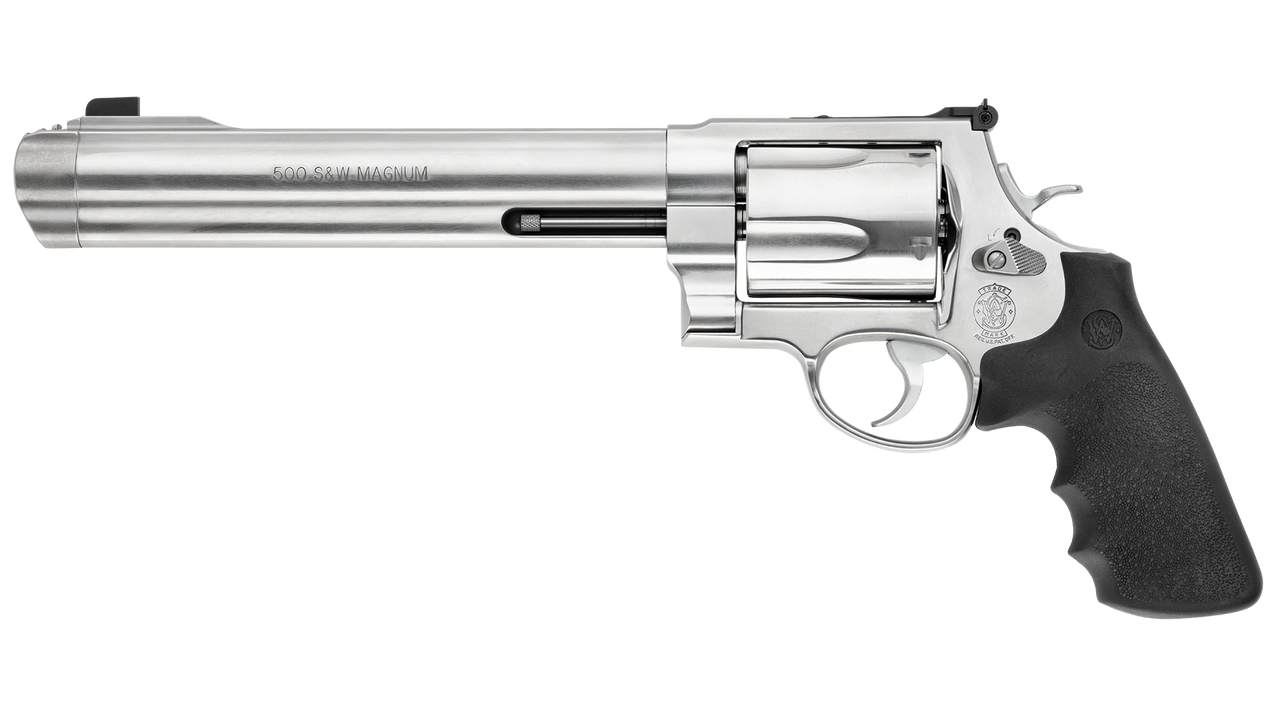
The X-Frame in .500 S&W Magnum is an engineering achievement, but it’s so overbuilt that its usable purpose becomes questionable. The massive frame, enormous cylinder, and heavy barrel make it one of the most unwieldy handguns ever created. Even with the weight, recoil is immense and often unpleasant for all but the most seasoned shooters.
It’s capable of serious power, but most buyers never take advantage of that capability. They end up with a pistol too large to carry, too heavy to shoot comfortably, and too powerful for practical hunting ranges. It’s a firearm built for spectacle more than necessity.
Glock 40 MOS (10mm)

The Glock 40 MOS is undeniably capable, but its oversized long-slide format and bulk make it feel like a gun designed to push limits more than fill a real gap. The 10mm cartridge already has stout recoil, and stretching the slide to competition lengths creates a pistol that’s larger and heavier than most shooters want to carry.
Accuracy improves with the longer barrel, but the weight distribution isn’t ideal for field use. Most hunters find they can get similar performance from more compact 10mm models. The gun works, but the design feels like an answer to a question not many people were asking.
Colt Delta Elite Heavy Rail Model
The rail-equipped Delta Elite brings 10mm power to a classic 1911 frame, but the heavy-duty rails and reinforced components create a pistol that’s noticeably bulkier than necessary. The added metal changes the balance and makes the gun feel front-heavy, which affects how smoothly it points.
While the reinforced frame helps manage wear, few shooters actually push a 10mm hard enough to justify that level of construction. It’s reliable and well made, but the extra mass doesn’t offer real benefits for typical range or field use. You’re left with a pistol that feels like it’s trying too hard.
FN Five-seveN (Third-Gen Variants)

The modern Five-seveN models come with reinforced polymer frames and beefed-up slides meant to handle pressure spikes in 5.7×28mm. But the cartridge itself doesn’t demand the level of reinforcement FN built into the platform. You end up with a pistol that’s larger than many 9mm handguns while firing a lightweight round better suited to niche roles.
Shooters appreciate the capacity and flat recoil, but the build feels like it was designed to withstand abuse the cartridge will never deliver. The result is a uniquely shaped pistol that handles awkwardly for many shooters—more engineering than the job requires.
CZ Tactical Sport Orange

The CZ Tactical Sport Orange is a competition pistol built with extreme tolerances and heavy steel construction. While it’s incredibly precise, the weight borders on excessive for most shooters. The thick frame, full-length dust cover, and heavy slide give it a tank-like feel that’s great for recoil control but overbuilt for anything outside of competition.
For everyday range shooters, the extra metal becomes a chore, especially when moving between shooting positions or running extended drills. It’s a beautiful piece of engineering, but for most people, its heft outweighs its value.
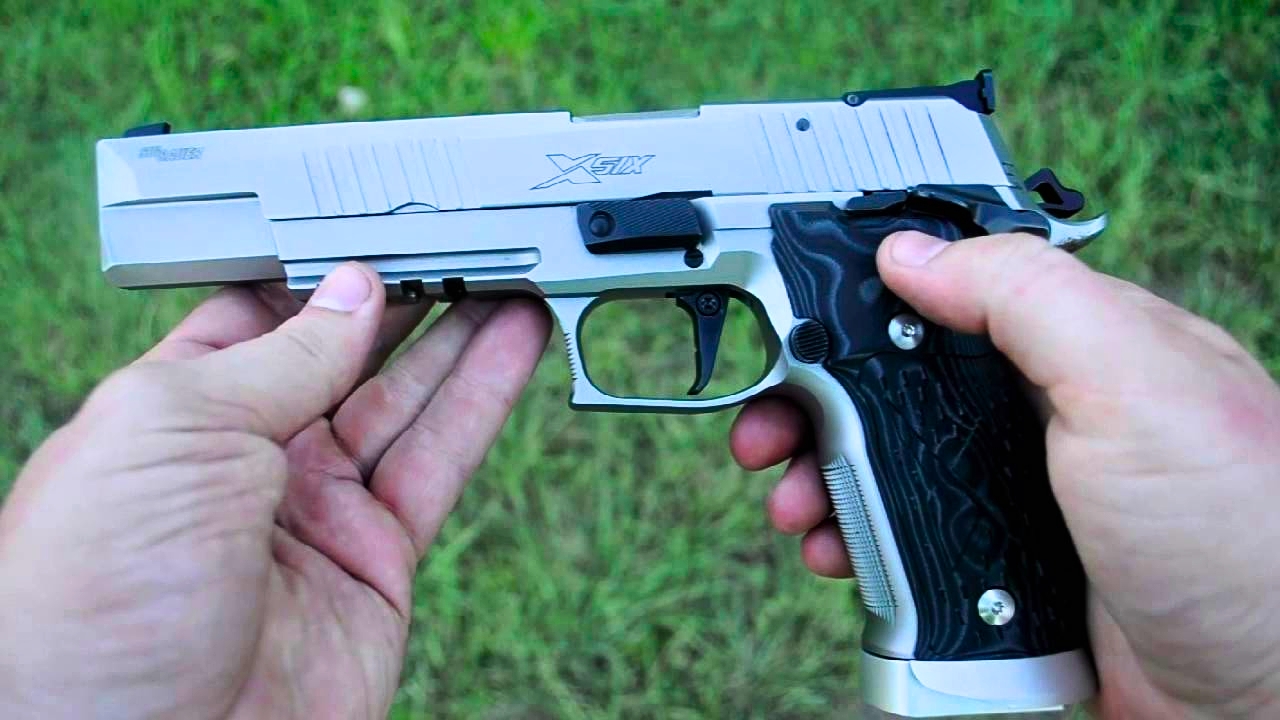
SIG Sauer X-Six Supermatch
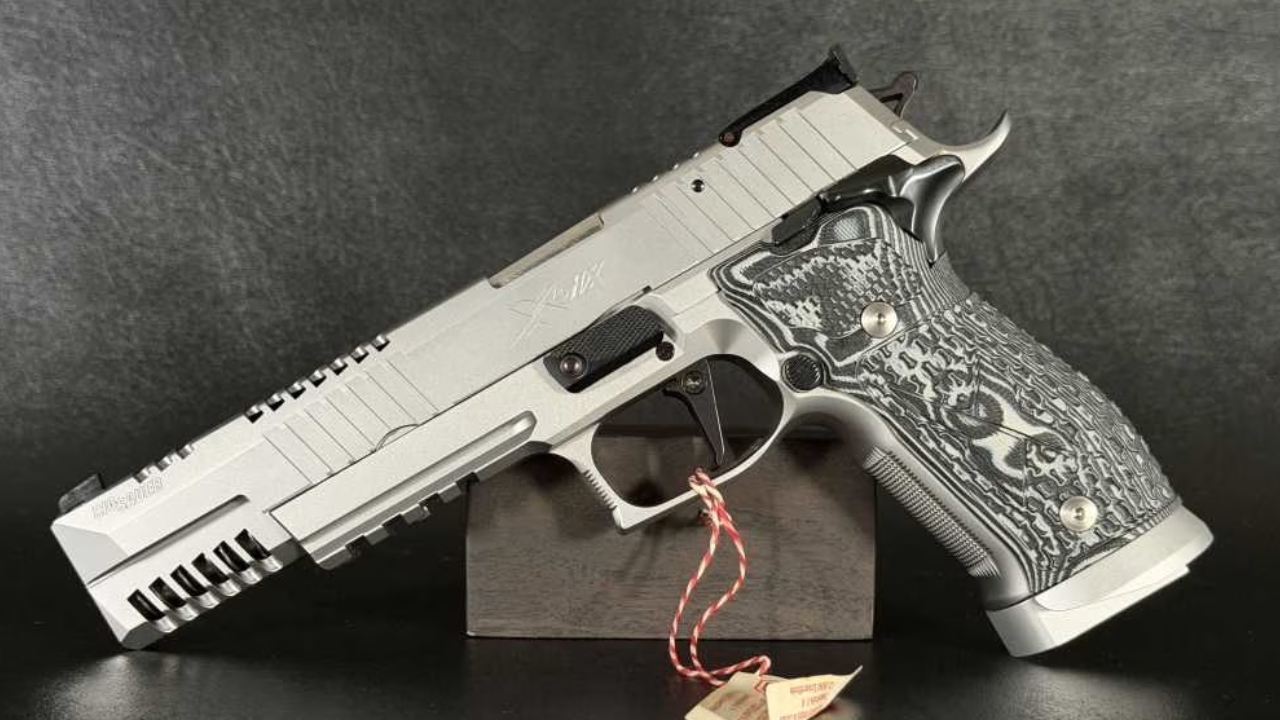
The X-Six Supermatch is engineered for premium accuracy with a long slide, heavy frame, and precision-fitted internals. While it delivers incredible performance, the size and weight put it well outside practical use for most shooters. Holstering it feels like strapping on a steel beam, and maintaining that level of precision requires more care than many owners expect.
It’s undeniably well built, but the over-engineered nature limits its usefulness. You end up paying for precision you’ll rarely use and carrying weight that never really pays off.
RIA 22TCM High-Capacity Models
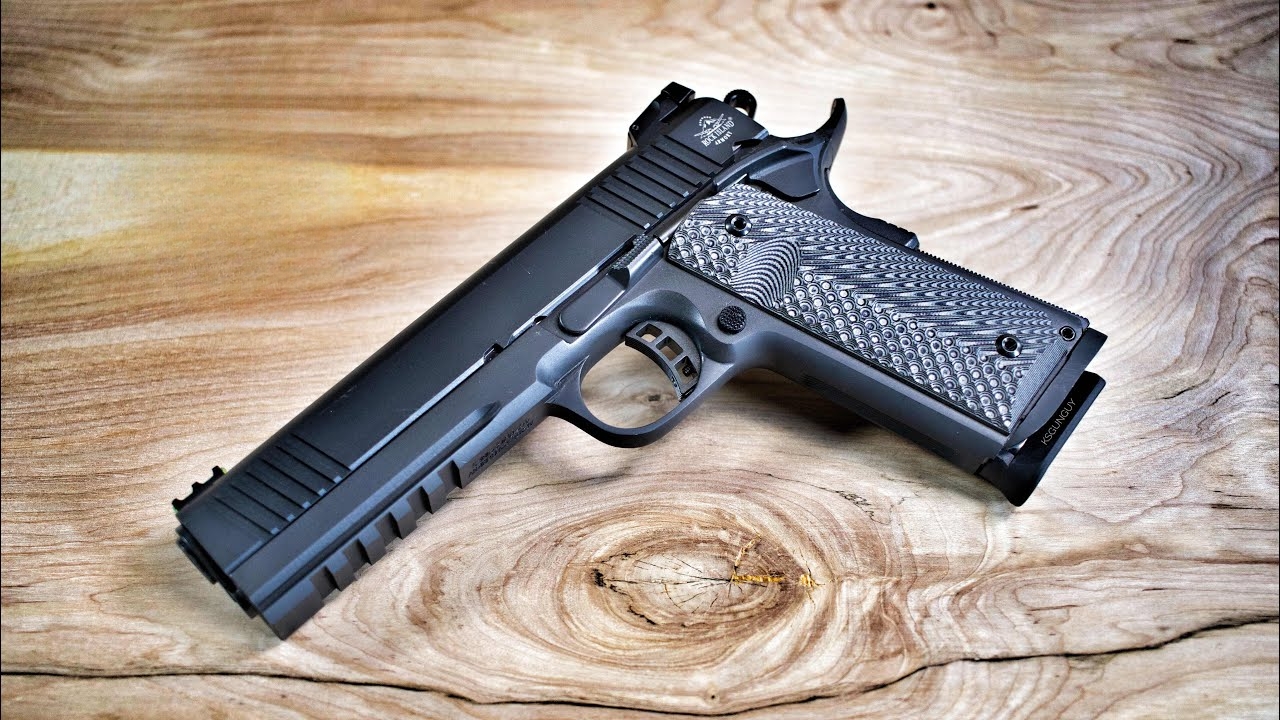
RIA’s 22TCM pistols are built on double-stack frames meant to handle intense chamber pressure, but the recoil impulse of the 22TCM doesn’t demand such a massive platform. These guns end up feeling oversized for a cartridge that performs closer to a hot varmint round than a defensive load.
The heavy construction dampens recoil but adds bulk that doesn’t offer real benefits. Shooters often find the size disproportionate to the energy being produced. It’s a gun that looks like it should fire something far more powerful than it actually does.
H&K Mark 23

The Mark 23 might be the single most famously overbuilt service pistol ever issued. Designed to survive extreme military testing, it became heavier, longer, and bulkier than nearly anything else in its class. The reinforced barrel, massive slide, and oversized controls make it reliable but borderline unwieldy.
While it’s accurate and durable, few shooters ever need that level of toughness. Most treat it more like a collector piece than a field pistol, simply because carrying and running it feels like handling a scaled-down carbine. It’s engineering without practical limits—and not in a good way.
IWI Jericho 941 Steel Frame

The steel-frame Jericho 941 is built stronger than most shooters will ever require. The thick slide rails, heavy dust cover, and reinforced frame create a gun that absorbs recoil well but handles like a brick. The weight makes it tiring to hold on target, and quick transitions feel sluggish.
It’s a reliable, accurate gun, but the extra steel turns it into a pistol that’s tougher to carry and slower to run. The durability is appreciated, but the platform is built far stronger than the cartridge demands.
Kimber Stainless Target II (Long-Slide)
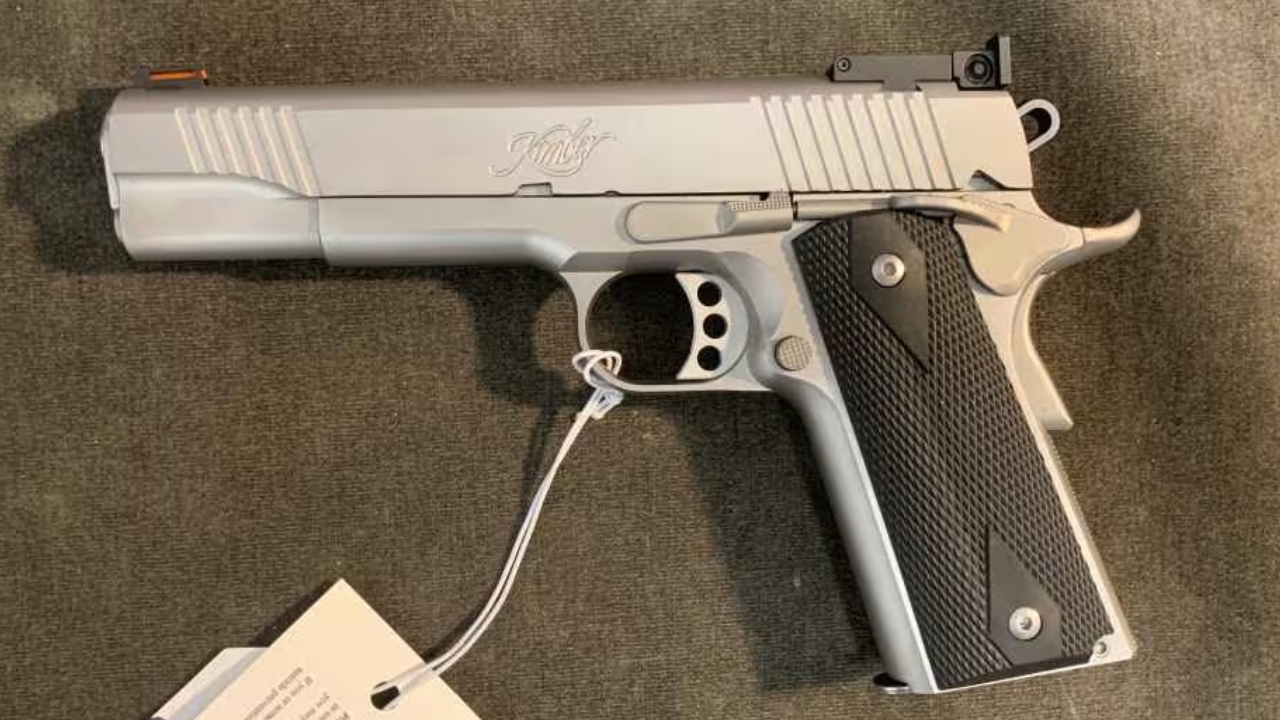
Kimber’s long-slide 1911s are built for accuracy, but the six-inch configurations are heavier and bulkier than many shooters want to deal with. The extended slide adds mass that slows cycling and changes balance, and the long barrel doesn’t offer practical benefits beyond specialized competition roles.
While elegant on paper, the overbuilt frame and elongated slide take the pistol out of everyday use. It handles like a steel plank, and unless you’re shooting slow-fire groups all day, the extra length is more burden than benefit.
SIG Sauer P226 X-Five All-Around
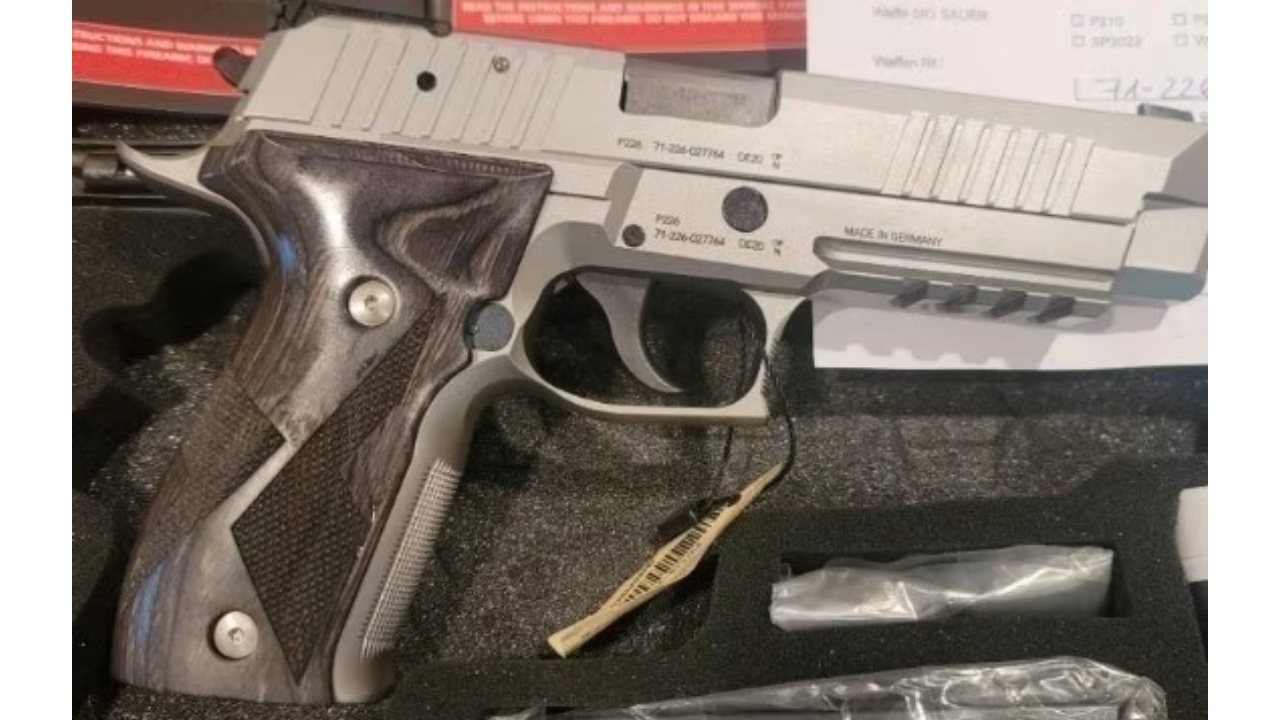
The X-Five All-Around is another precision-minded platform built with exceptional tolerances, but the heavy frame and extended dust cover push it into the category of “more gun than necessary.” It’s beautifully constructed, yet the extra steel makes it difficult to manage during long sessions.
Shooters appreciate the feel, but the practicality fades fast. It’s too heavy to carry, too big for general training, and too specialized for casual users. The engineering is impressive—there’s just more of it than needed.
STI Perfect 10 (2011 Platform)
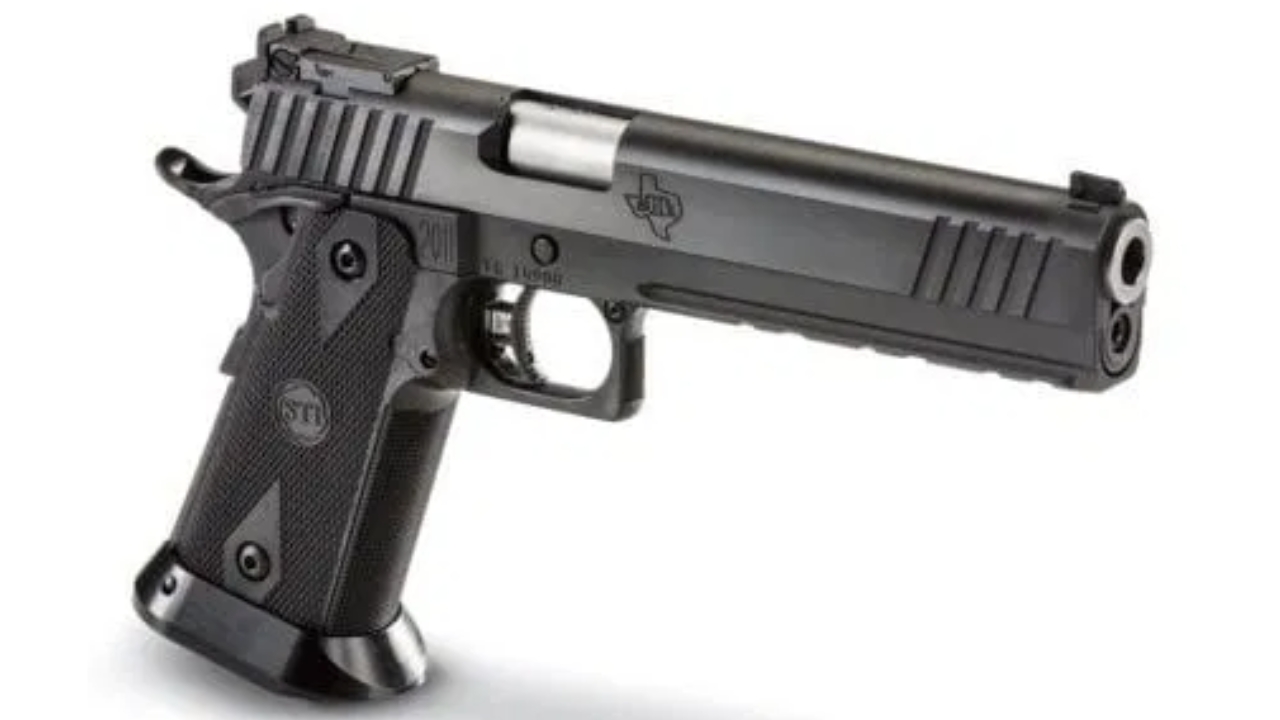
The STI Perfect 10 is a 1911-style 10mm built with reinforced components designed for long-term durability under full-power loads. But the double-stack grip, thick slide, and heavy bull barrel make it feel oversized and unwieldy. Most shooters don’t fire enough hot 10mm to justify a pistol built this heavily.
It performs well mechanically, but the weight punishes your wrists and slows your shooting rhythm. You’re left with a pistol that’s incredible on paper but excessive in real-world use—a perfect example of overengineering overshadowing practicality.
Like The Avid Outdoorsman’s content? Be sure to follow us.
Here’s more from us:
The worst deer rifles money can buy
Sidearms That Belong in the Safe — Not Your Belt
*This article was developed with AI-powered tools and has been carefully reviewed by our editors.


