Photo credit: Pepsi Boi/Youtube
Every gun shop has that one old revolver in the case that makes newer shooters slow down and stare a second longer. Not because it has a rail, or a red dot, or some marketing name. It just looks right. The edges are honest, the bluing is deep, and the cylinder locks up with a kind of confidence you can feel through the counter glass.
These aren’t just “old guns.” These are wheelguns that had already earned their reputations back when your granddad still had good knees. Some are pricey now, some are still attainable if you keep your eyes open, and a few are honestly more nostalgia than practical tool. But every one of these was a known quantity long before the current wave of polymer and optics took over.
1. Colt Single Action Army

If you want to talk about a revolver that became a legend while the West was still being argued over, this is it. The balance is light in the muzzle, the grip rolls in the hand, and the whole thing points like it was built for horseback and dust.
They’re not the most practical choice for a modern do-everything handgun, and nobody should pretend they are. Still, a good Single Action Army has a feel that modern guns keep trying to imitate and never quite nail.
2. Smith & Wesson Model 10 (Military & Police)
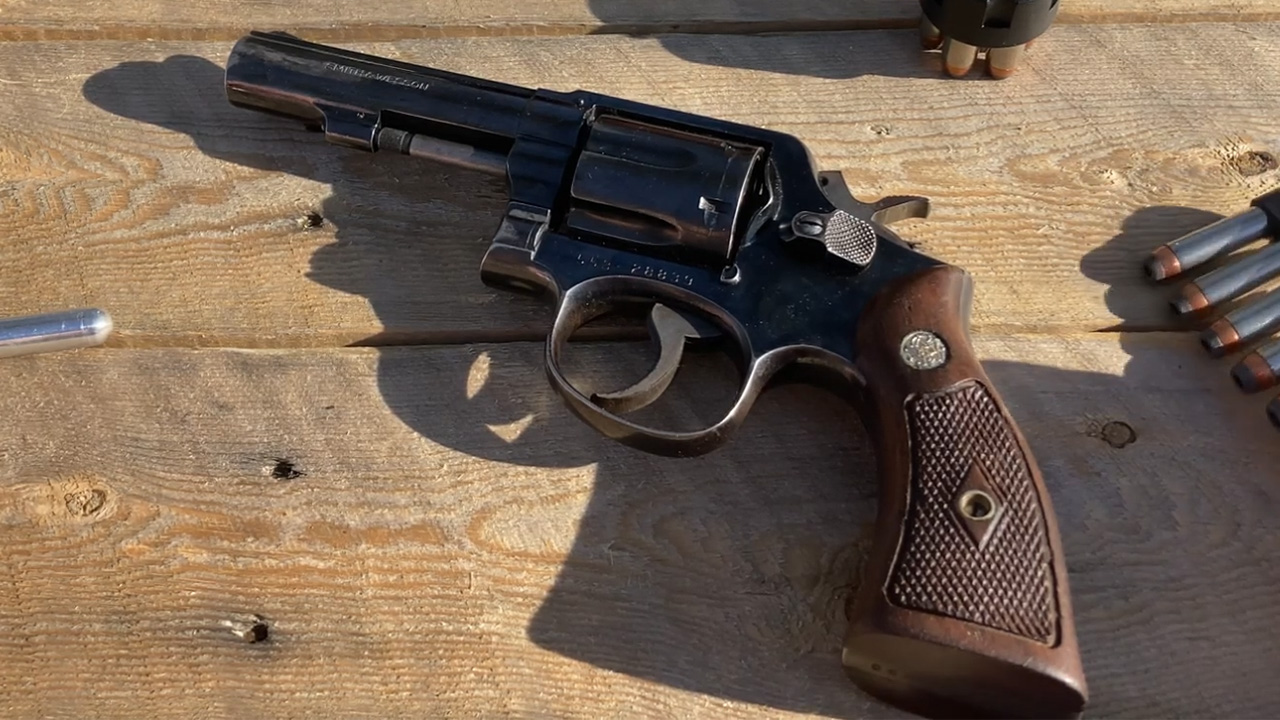
This is the plain brown boot of revolvers. It isn’t flashy, it doesn’t beg for attention, and it just keeps working. If you’ve ever shot a tight Model 10 with decent wadcutters, you know how easy it is to look like a better shot than you are.
It carries well in a simple belt holster and it’s not picky. The downside is it’s “boring,” which is exactly why so many of them got traded away… and exactly why they were trusted for decades.
3. Colt Python

The Python is the revolver everybody talks about, even folks who don’t really like revolvers. The ventilated rib, the full underlug, that smooth Colt action when it’s right—there’s a reason it became the measuring stick.
Here’s the truth: they’re not magic. They’re also not cheap, and they can be fussy if you get one that’s been shot loose or messed with by the wrong hands. But a good one is still a treat, and replacement cost can sting.
4. Smith & Wesson Model 27

The Model 27 is what happens when you build a .357 like you’re not trying to save money. Big N-frame, deep blue, checkering on the topstrap on many of them, and a “serious” look that doesn’t need explaining.
It’s heavy, no getting around it. But that weight makes .357 feel civilized, and it’s the kind of revolver that makes you want to slow down and shoot well instead of just making noise.
5. Smith & Wesson Model 29

Yes, it’s the .44 Magnum everyone knows, and yes, it has the movie baggage. Strip that away and you still have a classic hunting-sidearm revolver with real authority.
Most folks don’t actually enjoy full-tilt loads for long strings. A Model 29 makes more sense with sensible practice ammo and a handful of hot stuff for the woods. If you buy one thinking you’ll run magnums every weekend, you’ll learn quickly.
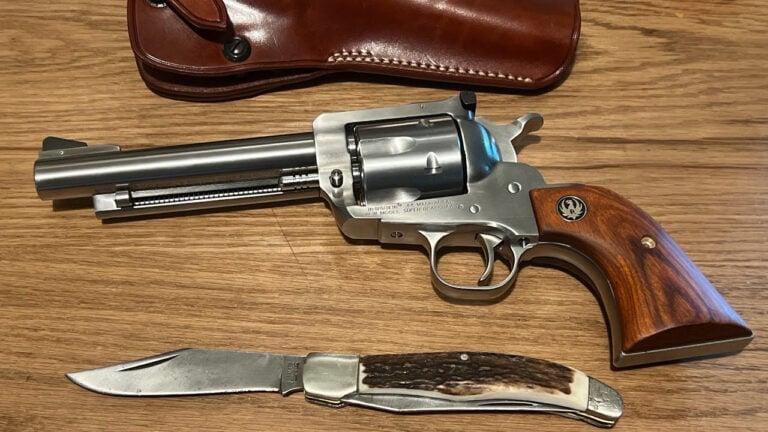
6. Ruger Blackhawk

This is the working man’s single-action that can take real use. Ruger built these to be shot, carried, and lived with, not babied. The adjustable sights are a big part of why so many outdoorsmen actually used them instead of just admiring them.
The grip and plow-handle feel isn’t for everyone, especially with hotter loads. Still, if you want a classic revolver you won’t feel guilty about scratching on a belt buckle, the Blackhawk is hard to argue with.
7. Ruger Super Blackhawk

The Super Blackhawk is what you buy when you like the Blackhawk concept but want more gun. More steel, more weight, and typically more .44 Magnum confidence.
It’s not a casual carry piece unless you’re committed to a good holster and belt. But if you spend time in big-woods country, it’s one of those revolvers that feels like a tool instead of a toy.
8. Ruger Security-Six
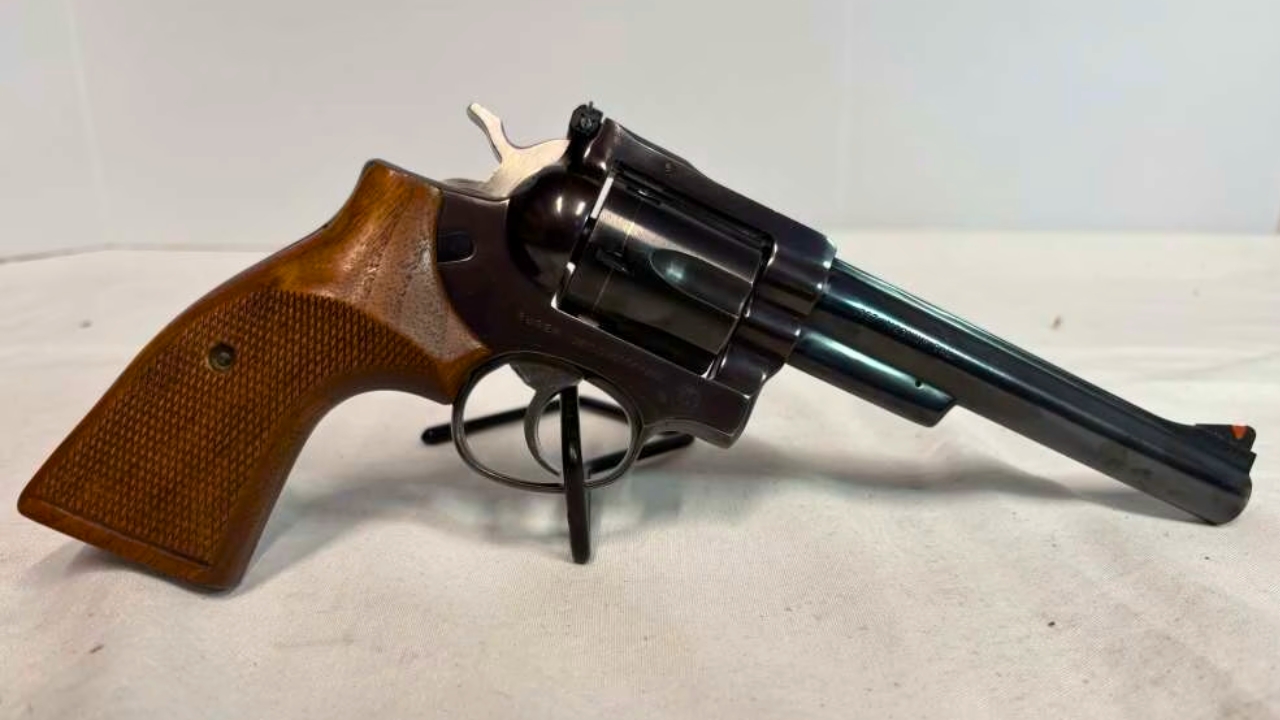
Before the GP100 took over the “Ruger .357 workhorse” role, the Security-Six was the one riding in a lot of holsters and glove boxes. They’re trim, tough, and usually shoot better than you expect.
They don’t have the refined trigger feel of a tuned Smith, and they’re not as overbuilt as later Rugers. But they hit a sweet spot for size and strength that still makes sense today.
9. Ruger GP100

Call it chunky if you want, but the GP100 is the revolver equivalent of a good farm truck. Not the prettiest thing in the driveway, but it starts every time and doesn’t complain when you ask it to work.
They soak up .357 recoil well, and the lockup feels like closing a bank vault. If you want a revolver you can actually shoot a lot without treating it like a museum piece, this is a safe bet.
10. Ruger SP101
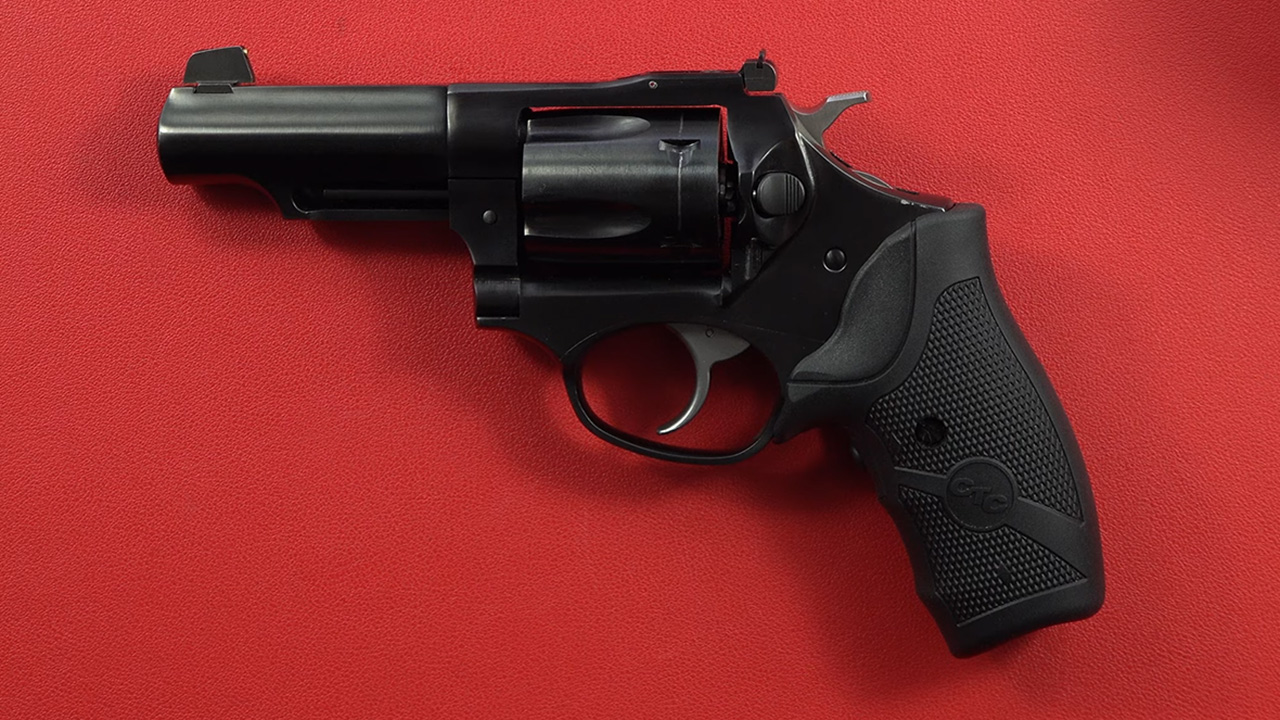
The SP101 is one of the few small revolvers that doesn’t feel delicate. It’s heavier than the ultralight snubs, which is the whole point if you plan on practicing instead of just carrying.
The tradeoff is pocket carry isn’t as effortless as the featherweights. But for an outdoorsman wanting a compact .357 or .38 that can handle steady use, it’s a classic for a reason.
11. Colt Detective Special
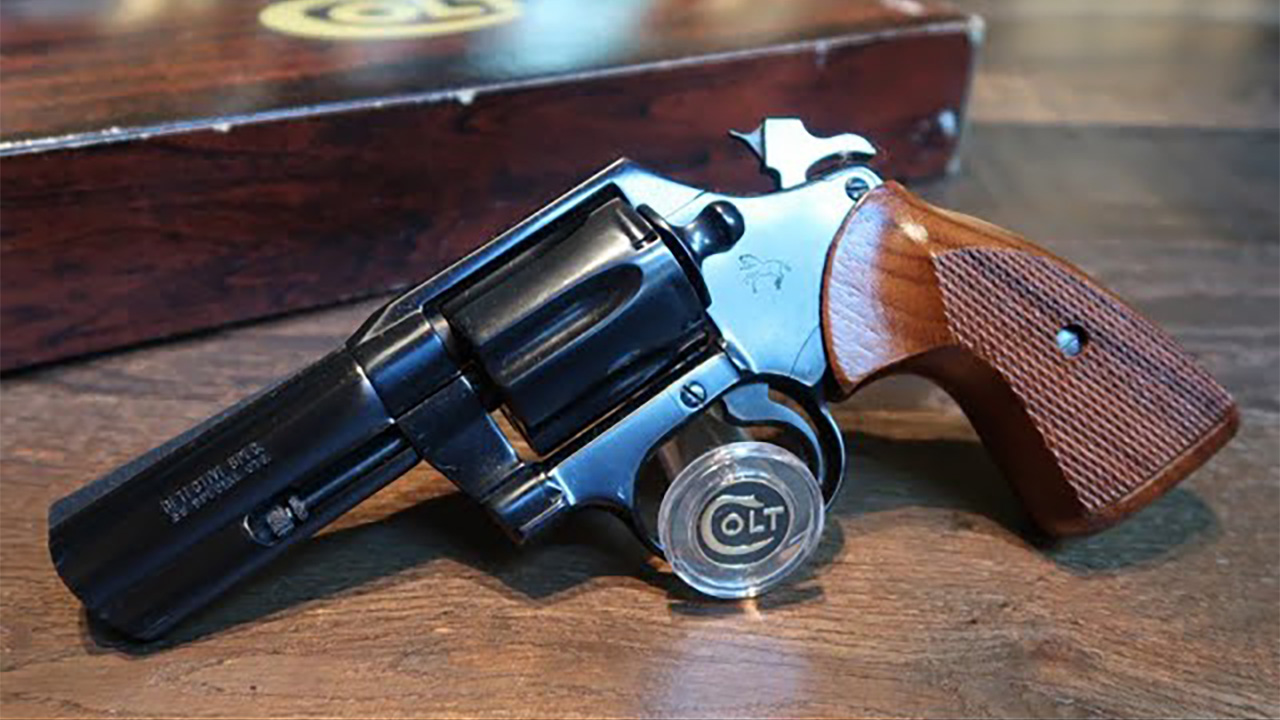
This is the old-school snub that still feels like a “real gun” in the hand. Six shots in a compact frame made it a standout for a long time, and the lines are just clean.
They’re not as common on the shelf now, and prices reflect that. If you find one with tight timing and decent finish, it’s the kind of revolver you don’t need to upgrade—just maintain and shoot with respect.
12. Smith & Wesson Model 36 (Chief’s Special)

There’s something about a J-frame that makes sense, even if you’ve got a safe full of newer options. The Model 36 is the classic version: steel, simple, and easy to live with.
It’s not a range toy, especially with hotter loads, and tiny sights are tiny sights. But for a pocketable revolver that disappears until you need it, the old Chief’s Special still does the job.
13. Smith & Wesson Model 60
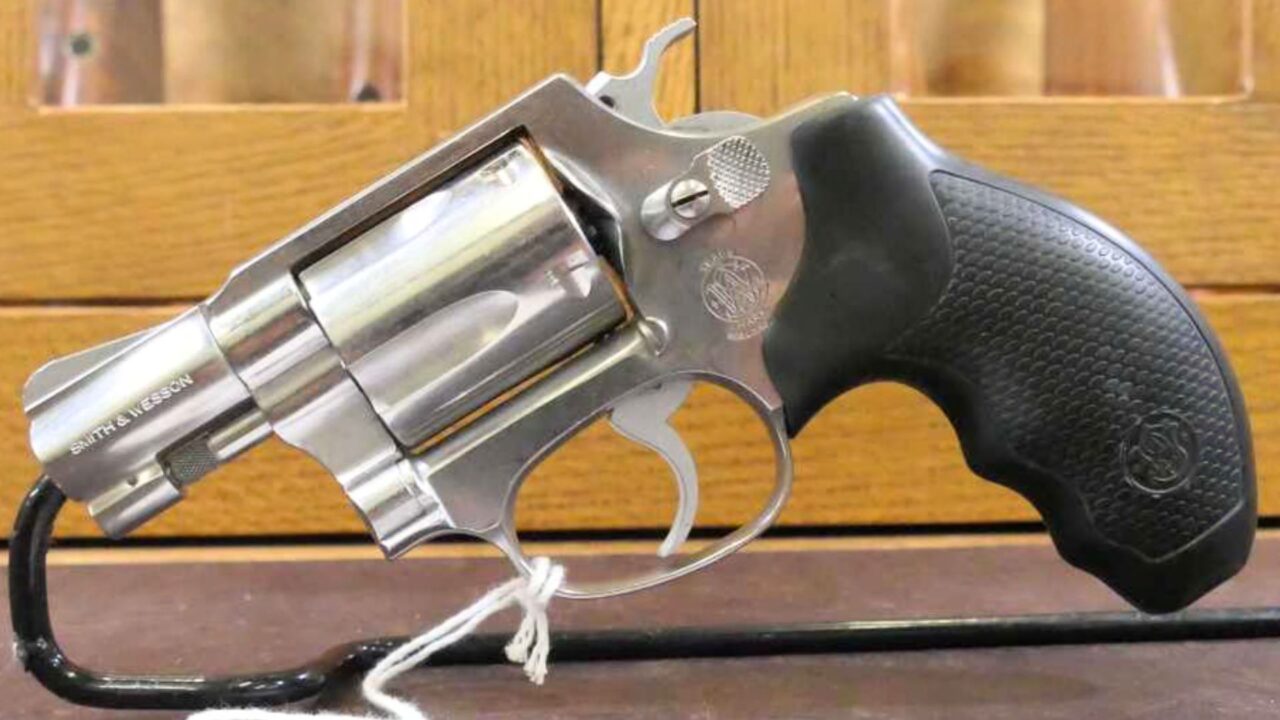
The Model 60 took the J-frame idea and gave it stainless steel practicality. If you’ve ever carried in humid weather, near salt water, or just sweat a lot in summer, you understand why stainless became a big deal.
They can be snappy depending on barrel length and load choice. But the Model 60 is one of those revolvers you can actually carry hard without watching bluing wear off like a time-lapse video.
14. Smith & Wesson Model 19 (Combat Magnum)
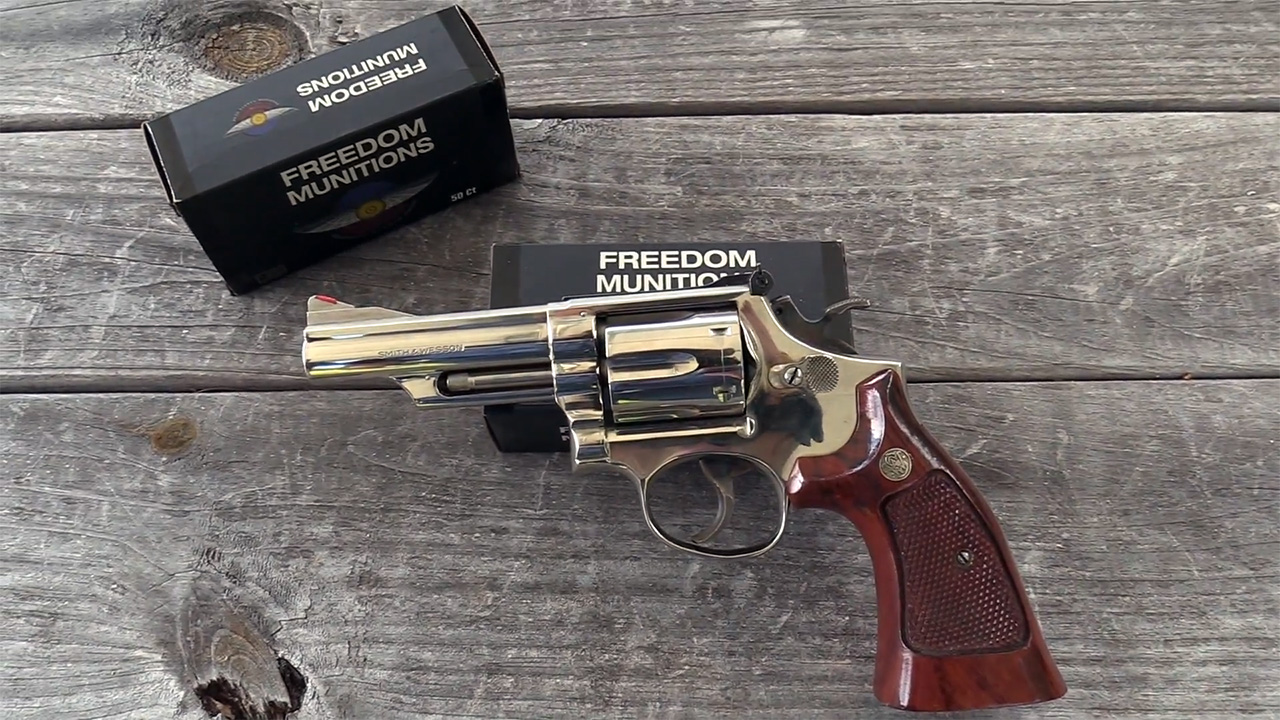
The Model 19 is the classic “carry a .357 but don’t carry a brick” revolver. K-frame size, good balance, and a feel that makes you want to do slow double-action work until the trigger smooths out in your mind.
The honest caveat: a steady diet of hot .357 loads isn’t what made these famous. They shine with .38s and reasonable magnums. Treat it like a fighting revolver, not a torture test platform, and it’ll treat you right.
15. Smith & Wesson Model 686
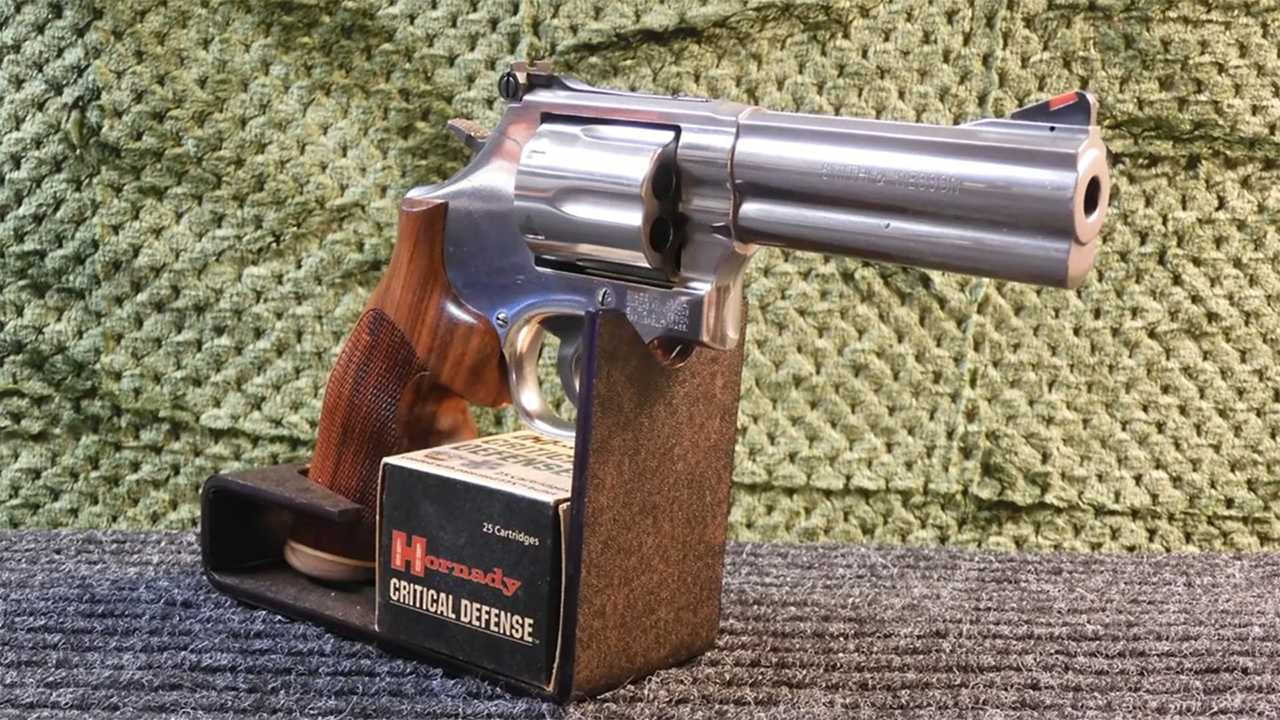
If the Model 19 is the classic carry .357, the 686 is the “I actually shoot magnums a lot” answer. L-frame weight, stainless durability, and a reputation for being forgiving to shoot well.
They’re not light, and they’re not meant to be. In the woods or on the range, that extra steel makes you more likely to practice, and practice is what makes any handgun worth owning.
16. Smith & Wesson Model 14 (K-38 Target Masterpiece)
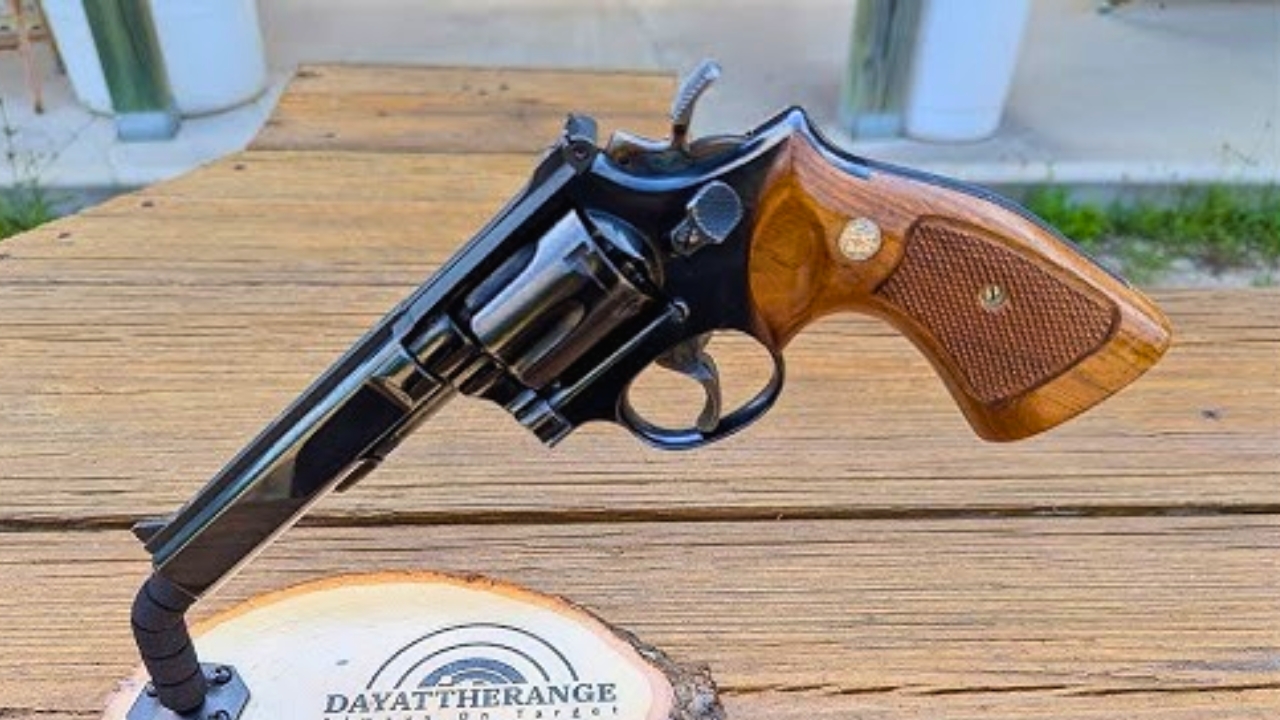
This is a revolver for people who like tight groups and calm mornings at the range. The Model 14 is smooth, accurate, and built for .38 Special in a way that feels almost unfair.
It’s not a “modern defensive trend” gun, and it won’t impress the tacticool crowd. But if you want to actually get better at shooting double-action with a revolver, a good K-38 is like a good coach that never talks back.
17. Smith & Wesson Model 17 (K-22 Masterpiece)
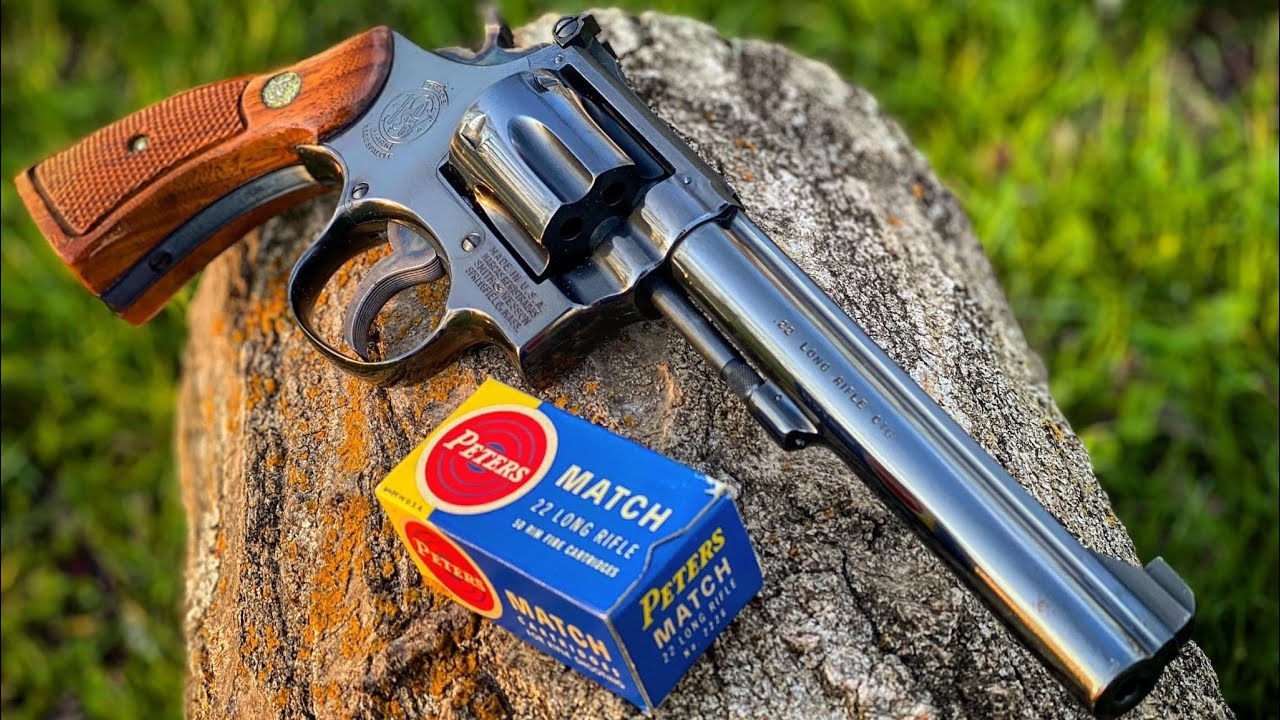
Every serious revolver shooter eventually figures out the value of a good .22. The Model 17 lets you practice sight picture and trigger control without burning up your ammo budget or your hands.
They’re easy to love and hard to replace cheap. If you see one that hasn’t been abused, don’t overthink it. A quality .22 revolver ends up being the most-shot handgun in a lot of safes.
18. Colt Official Police
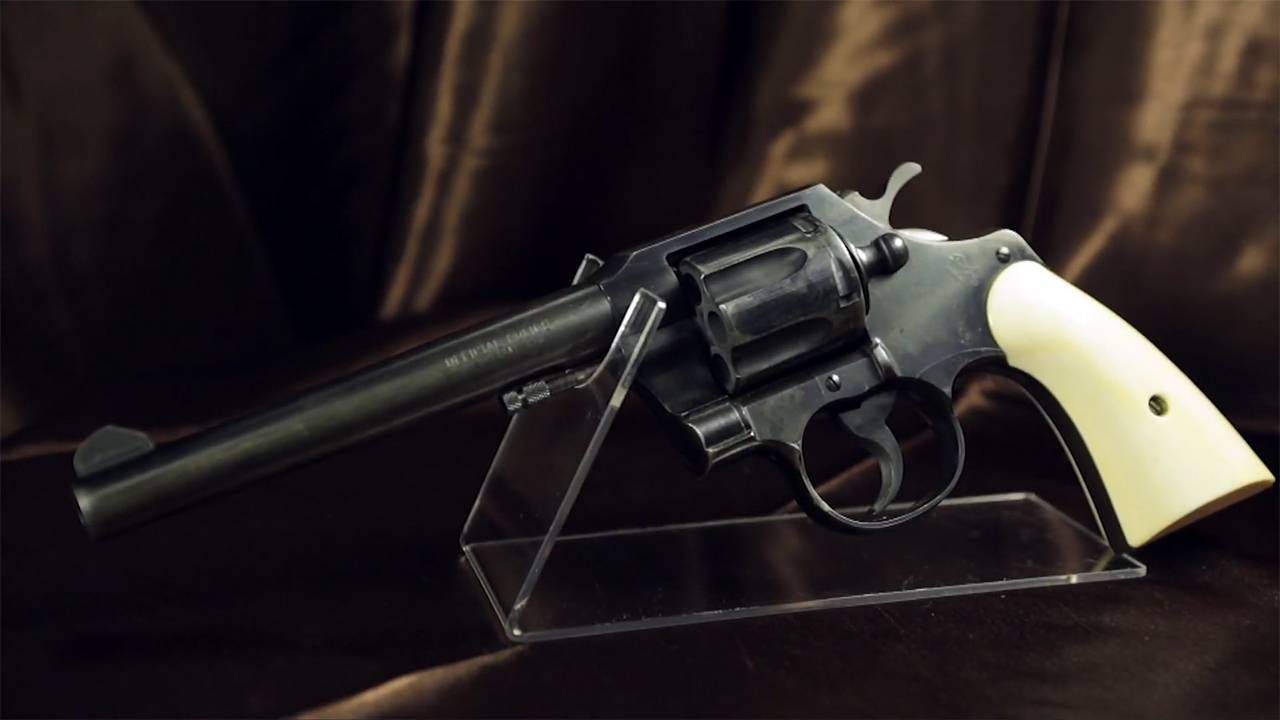
This is one of those revolvers that looks like it spent decades riding in a duty holster, because many of them did. They’ve got a solid feel and that older Colt personality in the action.
They’re also a reminder that not every classic needs to be a safe queen. A clean, mechanically sound Official Police is still a fine shooter. Just don’t buy one that’s loose and tell yourself you’ll “fix it later.” That one hurts.
19. Webley Mk VI
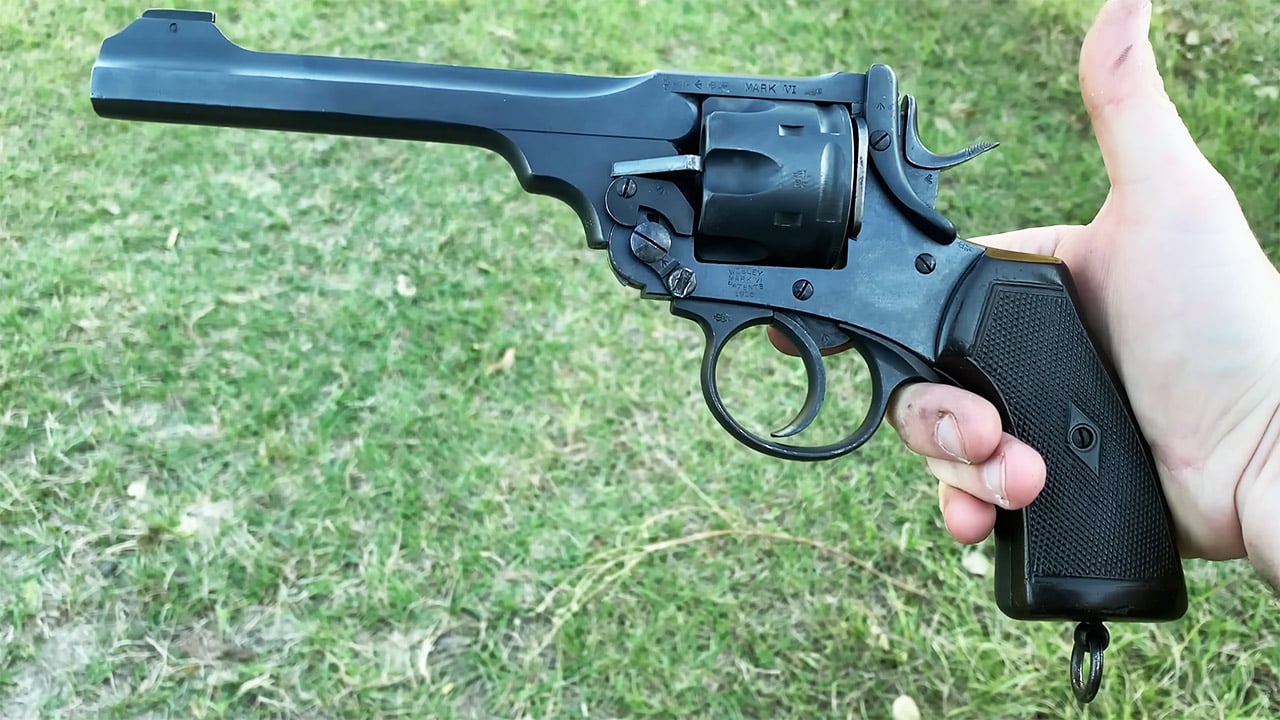
Break-top revolvers have their own charm, and the Webley is the one most shooters recognize. Big, odd, and undeniably cool, with that quick-eject function that still makes people grin the first time they run it.
They’re not for everyone, and ammunition choices and bore dimensions can be a rabbit hole depending on what you end up with. But as a piece of functional history you can still shoot (carefully and correctly), it’s hard not to appreciate.
20. Colt New Service
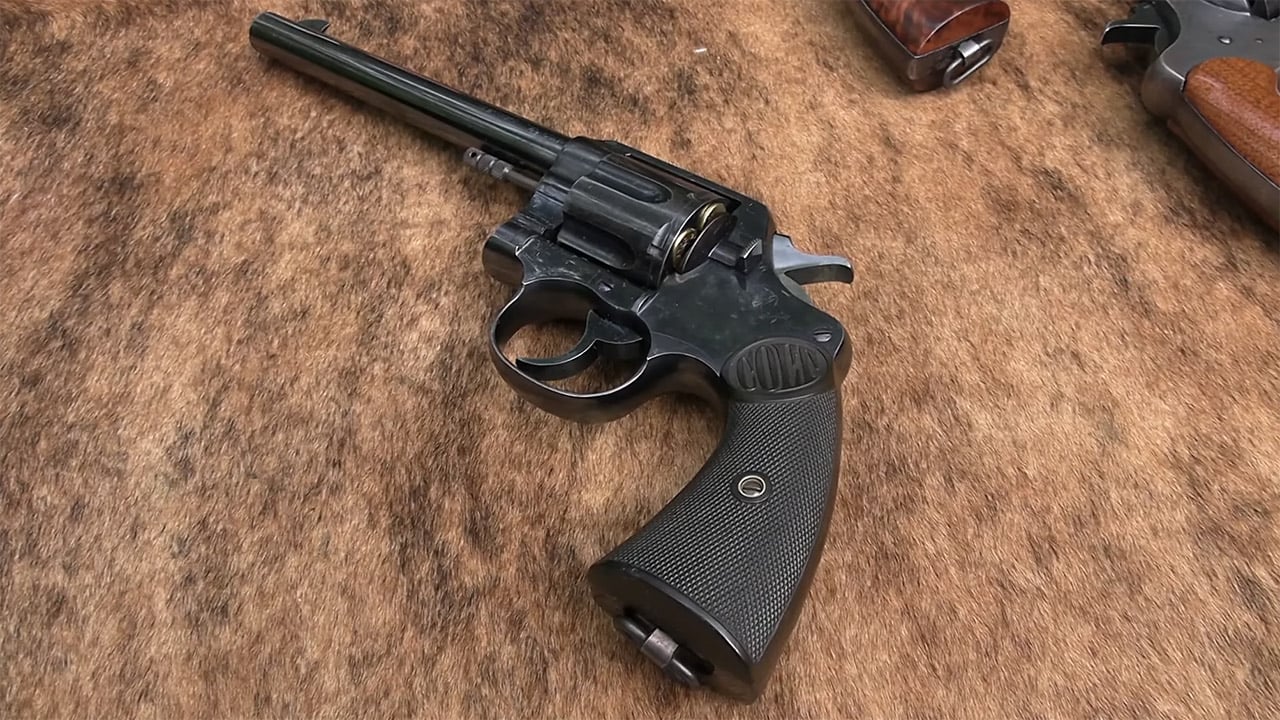
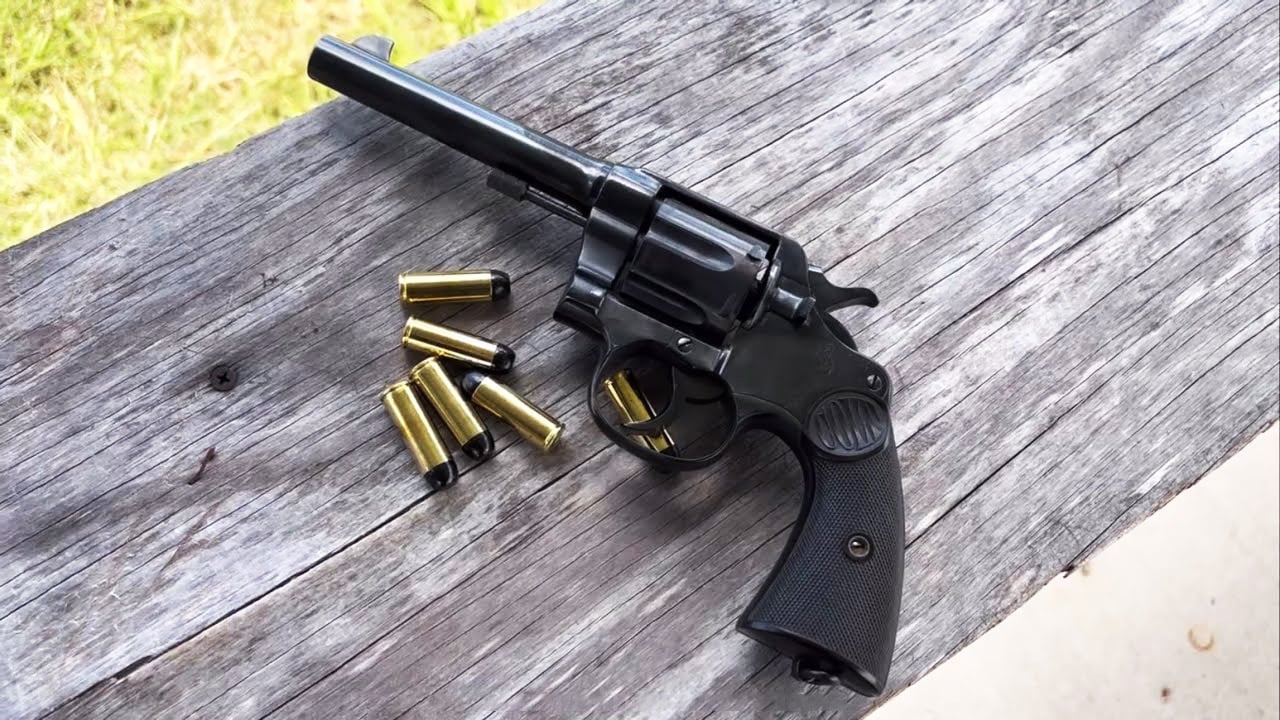
The Colt New Service is a big-frame revolver from a time when “big frame” really meant something. They’re not compact, they’re not light, and they don’t apologize for it.
What you get is a serious old-school sidearm with history baked in. If you handle one and it feels like too much revolver, you’re not wrong. But for collectors and big-bore fans, it’s one of those classics that earned its reputation the hard way.
New revolvers come and go, and some of them are excellent. But there’s a reason these older models still get talked about like they’re benchmarks instead of antiques. If you ever get a chance to handle a well-kept example, pay attention to what your hands tell you when the cylinder closes and the trigger starts moving. The classics weren’t perfect. They were just right often enough, for long enough, that everybody remembered.
Like The Avid Outdoorsman’s content? Subscribe to our newsletter so you never miss an article.
Here’s more from us: