
Photo credit: Smith & Wesson/YouTube
Walk into a sporting goods store in August and the ammo shelf can look healthy. Come late September, after a couple weekend zero sessions and the first cold front, you start seeing the same gaps in the same places. It isn’t random. Some cartridges get hit by predictable waves: deer season, elk season, waterfowl season, match season, even “new rifle season” when folks buy a gun and immediately buy three boxes of the one load their buddy recommended. Add in how ammo is made—long production runs, limited machine time, and component bottlenecks—and you get a pattern that repeats year after year.
You also can’t ignore human behavior. When one person sees a shelf thinning, they buy more than they planned. Then the next person does it. Before long, common hunting rounds vanish while obscure stuff sits untouched. Some calibers disappear because they’re popular everywhere. Others vanish because only a few loads are made each year, and they sell out fast. If you know why it happens, you can plan around it instead of hunting for ammo like it’s the last week before season.
.30-06 Springfield
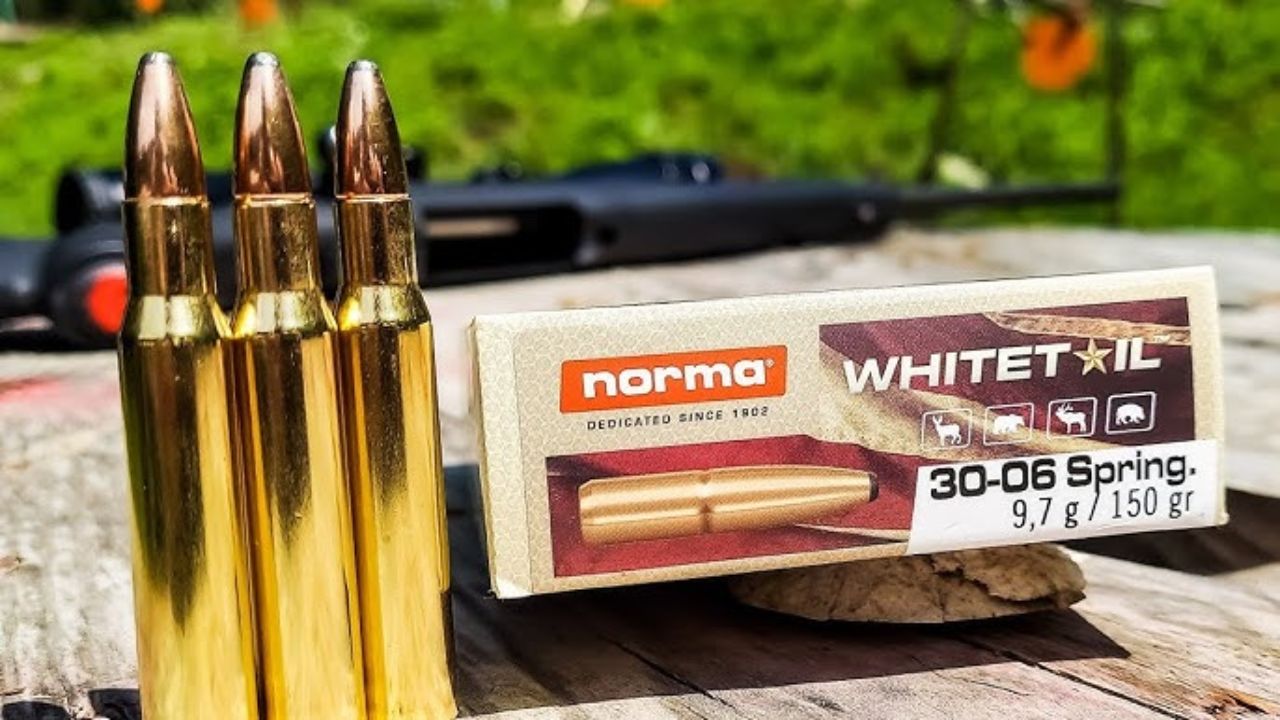
This one disappears because it’s still one of the most widely owned hunting chamberings in America. A huge chunk of those rifles come out right before deer season for a zero check, then guys grab a couple extra boxes “for later.” Multiply that across a state and shelves thin fast.
It also gets pinched by the load variety problem. People aren’t buying any .30-06 they see. They’re looking for a specific bullet weight or a specific premium load they trust on deer and elk. Stores might have two oddball options left, but the popular 165- and 180-grain hunting loads go first. Production tends to prioritize what sells fastest, so when demand spikes, you feel the gap immediately.
.308 Winchester
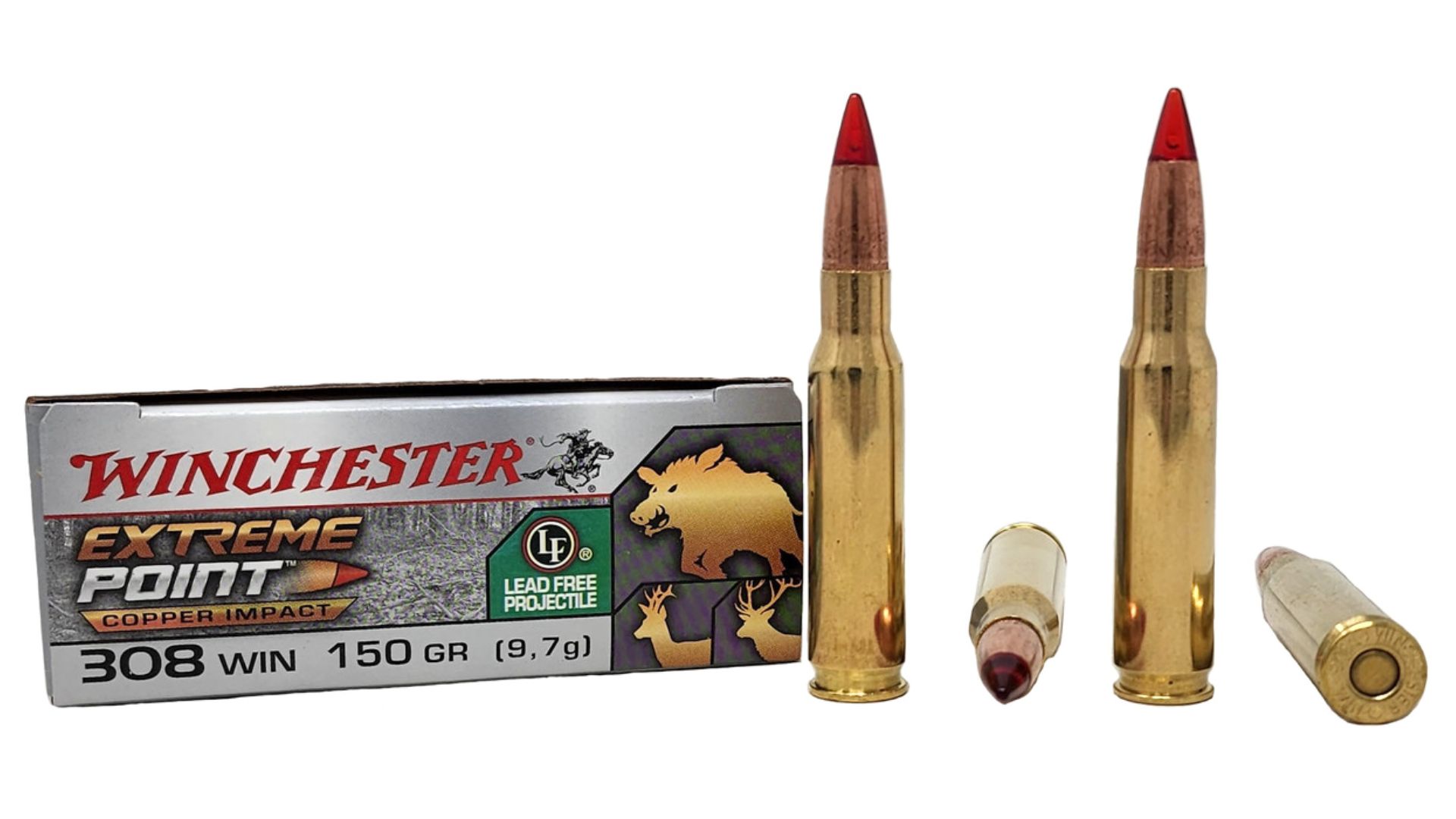
The .308 gets squeezed from both ends: hunting and the broader training world. You’ve got deer hunters buying a box or two, and you’ve got shooters feeding bolt guns, semi-autos, and range rifles year-round. When fall hits, that steady demand stacks on top of seasonal demand.
It also disappears because shooters tend to buy in volume. One range trip can burn more .308 than a hunter uses in two seasons. If the shelf has a case, it’s tempting to grab a pile and “get ahead.” Then there’s the load split: hunting soft points, match ammo, and bulk ball all move for different reasons. When suppliers get tight, the most common SKUs vanish first, and the shelf looks empty even if a few niche boxes remain.
.270 Winchester
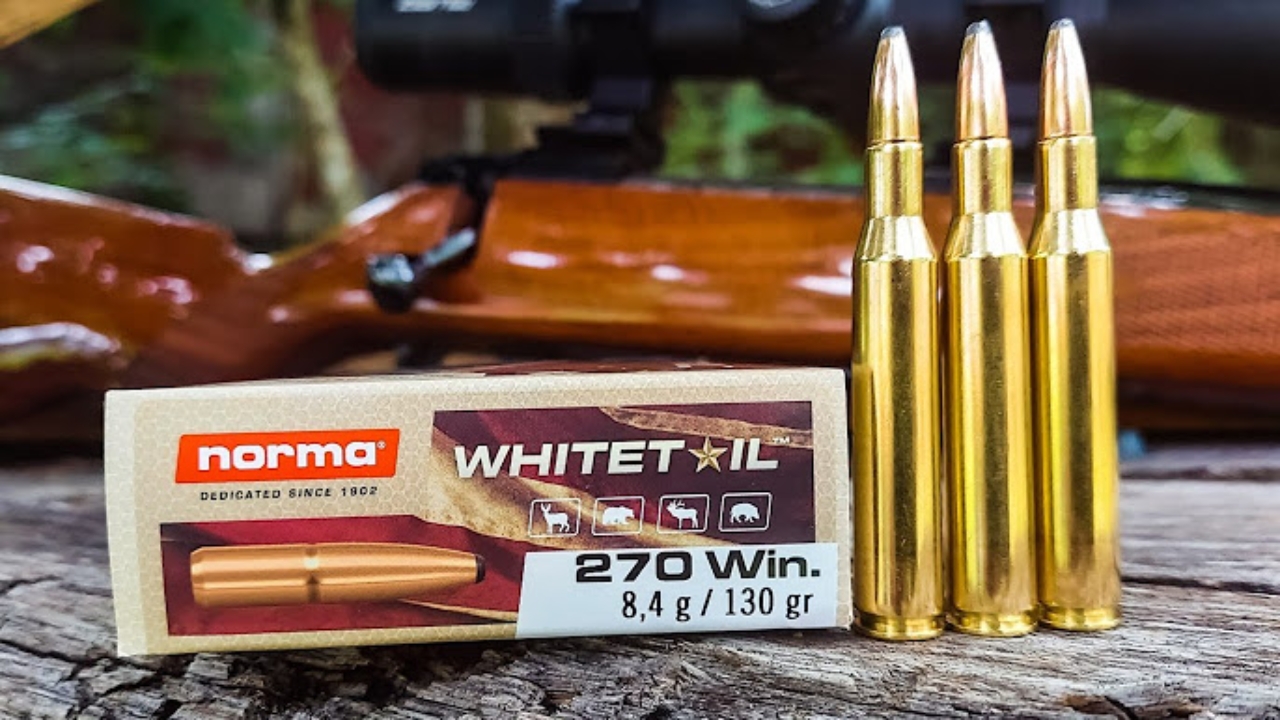
The .270 vanishes because it’s a classic deer rifle round with a loyal crowd, and those shooters often stick to one load for years. They sight in with that load, hunt with that load, and buy more of it when they see it. When season approaches, they don’t experiment—they restock.
It’s also a shelf-space victim. Many stores dedicate more room to newer darlings, leaving fewer facings for .270. That means the inventory looks fine one day and wiped out the next. Add in the fact that .270 ammo often shows up in predictable shipments, and you get a pattern: it’s plentiful, then suddenly gone. If your rifle prefers one specific 130- or 150-grain load, you feel that swing harder than the guy who’s willing to shoot anything.
.243 Winchester

.243 disappears because it’s a go-to for youth rifles, smaller-stature shooters, and anyone who wants mild recoil with real deer capability. When families start getting ready for season, they buy ammo for multiple rifles at once. That creates a sharp seasonal spike.
It’s also load-sensitive in the real world. Many .243 owners know exactly what their rifle likes, and they go hunting for that exact box: the same bullet weight, the same brand, sometimes even the same line. So the popular deer loads get cleaned out while varmint loads or odd weights sit longer. Another quiet factor is that .243 gets used for varmints and predators too, so demand isn’t limited to deer season. When the fall surge arrives, it piles onto an already active cartridge.
7mm Remington Magnum

7mm Rem Mag disappears because it’s still a common “one rifle for deer and elk” choice, and it shows up in a lot of older hunting rifles that come out once a year. When that crowd starts checking zeros, the demand hits all at once instead of spreading out.
It also suffers from premium-load behavior. Many 7mm Rem Mag hunters buy higher-end ammo and don’t want to compromise. Those boxes cost more, so stores stock fewer of them, and they vanish quickly. The cartridge also pushes higher velocities, which makes some rifles picky about bullet construction and point of impact. Once a hunter finds a load that shoots well, they chase that exact load every season. That concentration on a few SKUs is why you can see empty hooks even when other 7mm options technically exist.
.300 Winchester Magnum
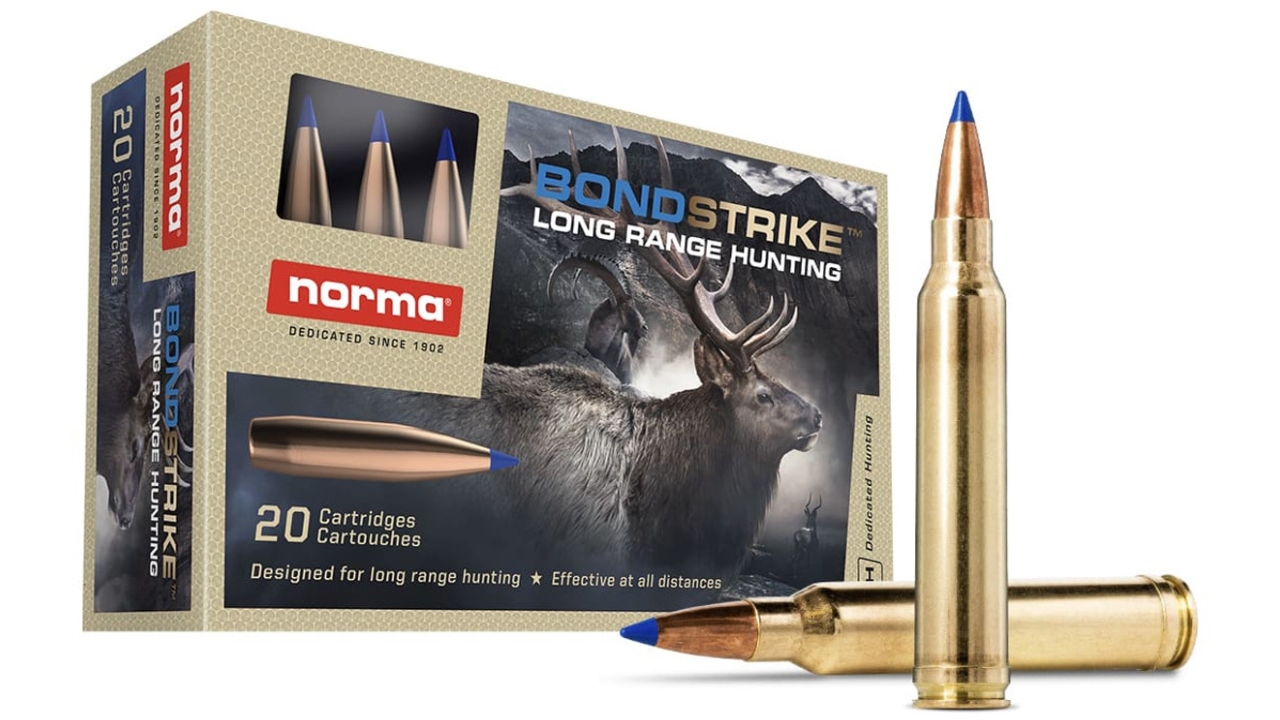
This one disappears for the same reason it always has: big-game hunters trust it, and they tend to buy ahead. Elk season drives a lot of that, and you’ll see shelves thin in regions where elk and moose are part of the calendar. Even in whitetail country, the .300 crowd is steady.
It’s also a cartridge where ammo cost changes buying habits. When people see a load they like, they grab more because they don’t want to re-zero with something different. Recoil and velocity can shift point of impact enough that swapping ammo isn’t a casual decision. Stores also don’t keep deep stacks of .300 Win Mag, because fewer customers buy it weekly compared to common deer rounds. So when demand rises, the supply cushion is thin, and it looks like the cartridge vanished overnight.
6.5 Creedmoor

6.5 Creedmoor disappears because it lives in two worlds at once: hunting and target shooting. Hunters want it for deer and pronghorn. Shooters want it for steel, groups, and match practice. That year-round pull means the shelf rarely gets a long break.
It also disappears because people buy it in bulk. Creedmoor owners tend to shoot more than the average once-a-year hunter, and many of them keep a “training” load and a “hunting” load. When fall approaches, they’ll grab both. Another factor is rifle sales. New rifles chambered in 6.5 Creedmoor keep selling, which creates new ammo buyers every season. Even when manufacturers are producing a lot of it, demand stays high enough that popular loads don’t linger long.
6.5 PRC

6.5 PRC disappears for a different reason than Creedmoor: fewer loads, fewer boxes on the shelf, and a customer base that often buys premium ammo. Stores stock it, but they don’t stock deep. When a shipment lands, it can be gone in a day.
The PRC crowd also tends to be picky. Many of these rifles wear good optics and get treated like “serious” rigs, so owners want specific high-quality loads. That concentrates demand into a small number of SKUs, and those get cleaned out fast. There’s also a regional factor: in western hunting areas, PRC demand climbs hard before elk and mule deer seasons. When you combine limited retail inventory with seasonal spikes, 6.5 PRC becomes one of those cartridges that seems to evaporate at the exact time you start thinking about tags.
.350 Legend
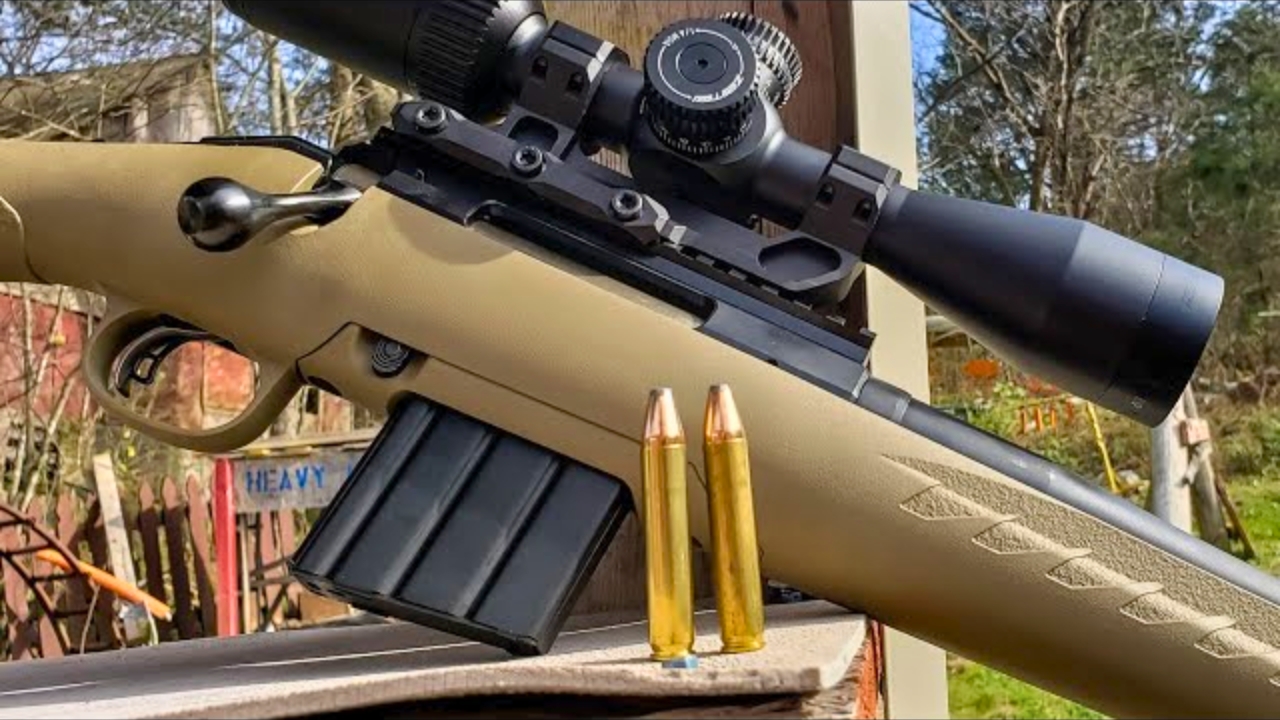
.350 Legend disappears because it’s tied to straight-wall rules in a lot of deer states, and that creates a predictable annual run on ammo. As season approaches, new hunters buy rifles, and existing hunters restock. Straight-wall cartridges don’t get the same shelf footprint as legacy deer rounds, so they go empty faster.
It also disappears because the cartridge is still maturing. Certain loads are far more popular than others, and stores might only carry a handful of options. If your rifle likes one specific 150- or 180-grain deer load, you’re competing with everyone else who had the same idea. Another factor is “backup buying.” People who hunt in straight-wall zones often keep extra ammo because they don’t want to be stuck. That behavior, repeated across a region, makes .350 Legend vanish in a hurry.
.450 Bushmaster
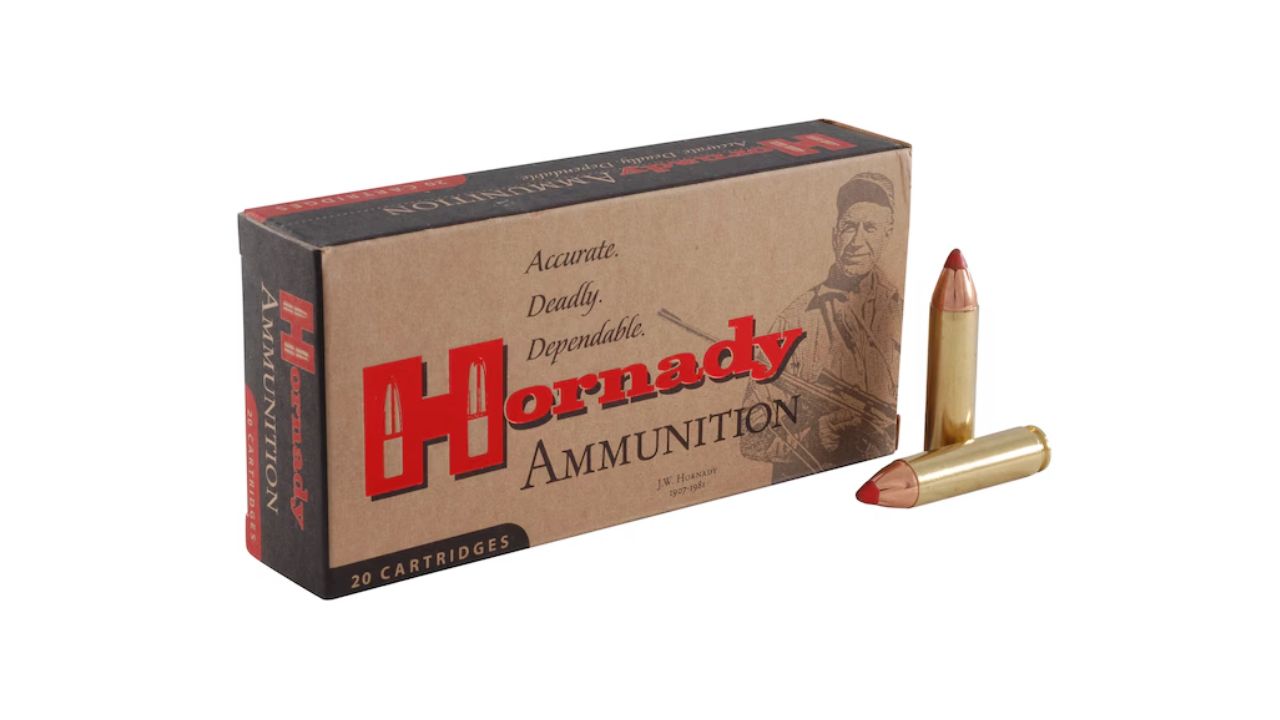
.450 Bushmaster disappears for the same straight-wall season reasons, but the effect can be even sharper because fewer people carry it weekly. Stores often stock limited quantities, and the buyers who do show up tend to buy more per visit because availability feels uncertain.
The cartridge also leans toward specific use cases: heavy bullets for deer, hogs, and closer-range work. That means the popular hunting loads get scooped first, and there isn’t a wide buffet of alternatives. Recoil and point of impact are also noticeable with different loads, so hunters prefer sticking with what they’ve already confirmed. When you see it on the shelf, it feels like a “buy it now” situation. That mindset spreads fast, and the shelf goes bare even if demand isn’t massive nationwide.
.45-70 Government
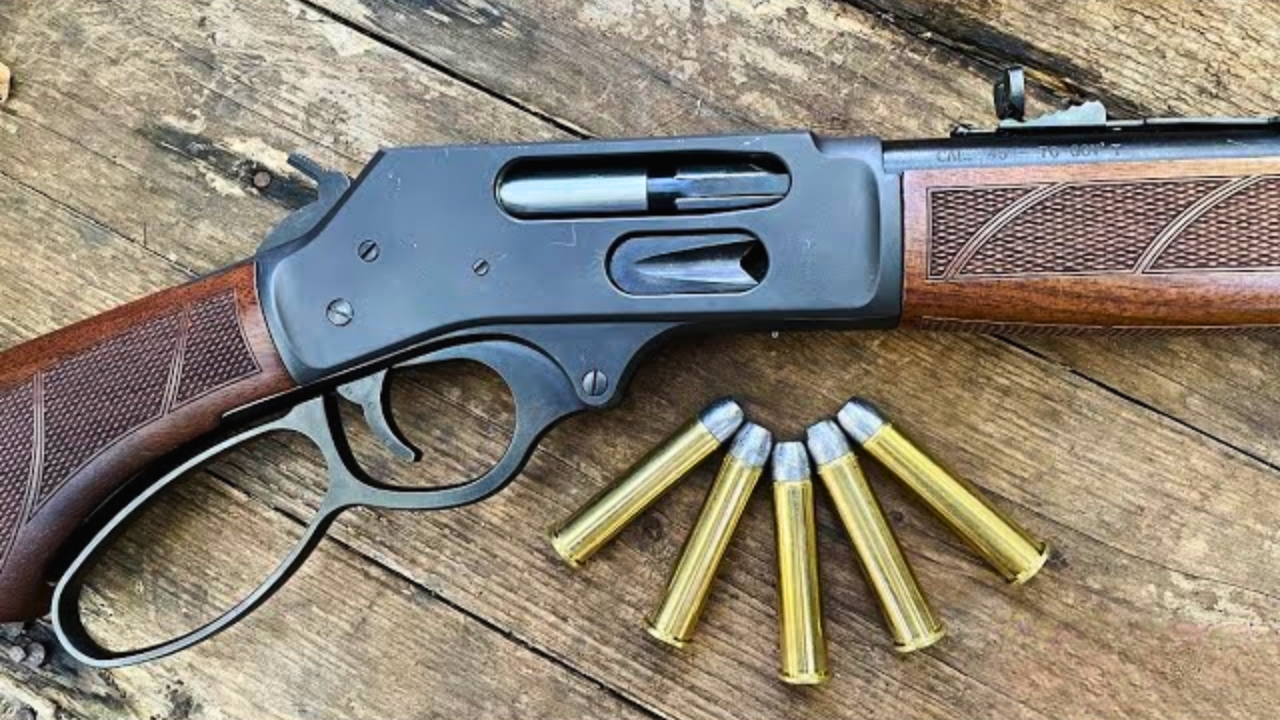
.45-70 disappears because it has a dedicated following that treats it like a tradition and a tool at the same time. Lever guns come out for deer season, bear season, and timber hunting, and those hunters often buy ammo with the same urgency as a straight-wall crowd.
It also disappears because many .45-70 owners chase a specific load type: mild classic loads for older rifles, or heavier modern loads for stronger actions. Stores don’t always carry a full range, so the loads that fit popular rifles sell out quickly. On top of that, .45-70 isn’t cheap, and shipments aren’t always huge. When people see a stack, they grab enough to last. That turns a normal restock into a short-lived event, and then you’re back to empty space until the next run hits.
.44 Magnum

.44 Magnum disappears because it serves both rifles and revolvers, and that cross-demand spikes in hunting season. Lever guns in .44 Mag are popular for woods hunting, and revolver hunters stock up at the same time. When fall approaches, everybody seems to remember they need ammo.
It also disappears because many shooters want specific loads for specific jobs. Some want mild practice ammo, others want heavy hunting loads, and the shelves rarely have deep inventory across all types. Retailers also tend to stock fewer boxes compared to the big deer rounds, so it doesn’t take much buying to clear it out. Another factor is panic buying within a niche: once the .44 section looks thin, the remaining boxes vanish fast. The cartridge hasn’t stopped being made. It’s the seasonal surge hitting a smaller shelf.
.223 Remington / 5.56 NATO

This one disappears because demand never really sleeps. It’s used for training, varmints, predators, and general range time, and people shoot a lot of it. When hunting season hits, you add another layer: coyote hunters, hog hunters, and landowners grabbing ammo for the rifle they keep in the truck.
It also disappears because it’s a “case-buy” cartridge. Plenty of shooters don’t buy one box—they buy a stack, or a case, or whatever the store will allow. Even if the shelf looks full, it can be wiped out by a few customers. Another piece is load variety. Bulk FMJ goes fast, but so do popular hunting loads and defensive loads. The shelf can look empty because the high-demand types are gone, even if a few odd options remain. Either way, when .223 dries up, you feel it immediately.
.22 Long Rifle

.22 LR disappears because it’s the ammo everyone uses, including people who don’t consider themselves “gun people.” It feeds plinking, training, small game, and farm chores. When families plan range trips, they buy .22. When squirrel season rolls around, they buy .22. When someone buys their first rifle, it’s often a .22.
It also disappears because it’s bought in bricks and bulk packs, and those fly off shelves when folks get even slightly uneasy about supply. A small shortage becomes a big shortage fast because people are used to seeing mountains of .22. When that mountain shrinks, they buy more than usual. Then the next person does the same. The result is a cartridge that can be plentiful for months, then vanish in a weekend. It’s not mysterious demand. It’s the most common ammo on earth behaving like the most common ammo on earth.
12-gauge 00 buckshot
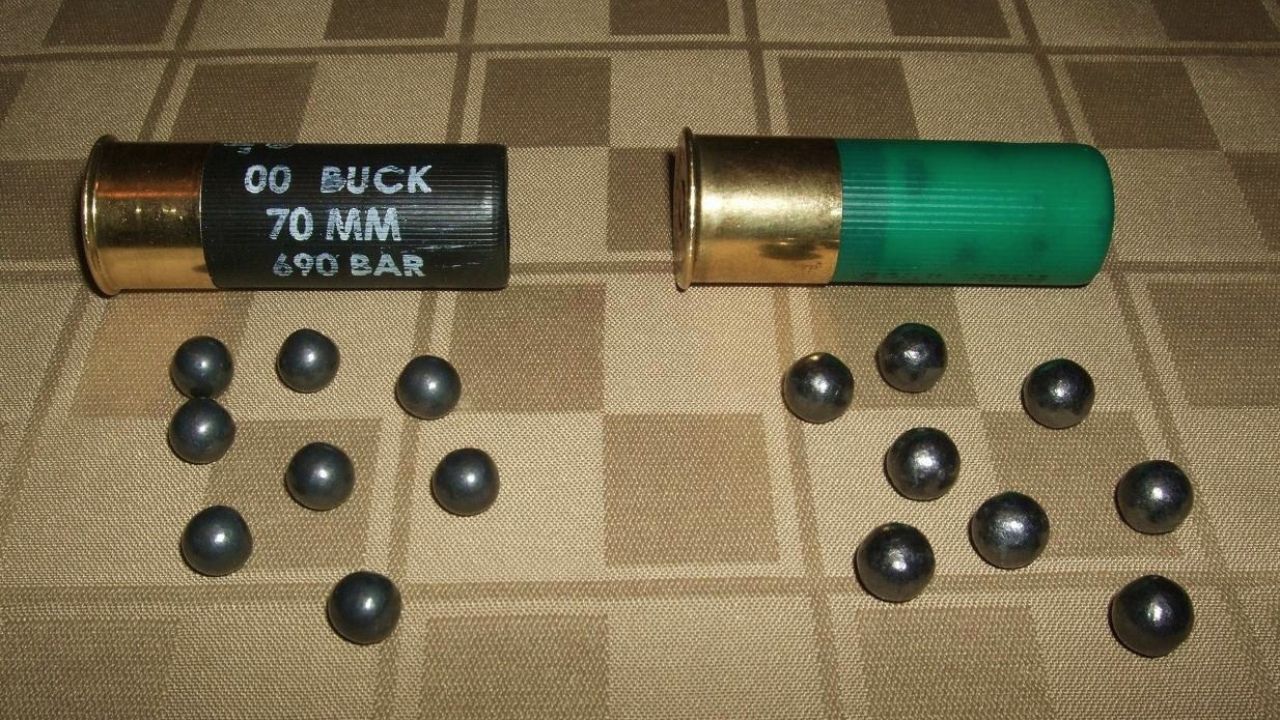
00 buck disappears every season because it sits at the crossroads of home defense, hunting, and general shotgun ownership. As fall approaches, shotgun interest spikes—deer drives, predator control, and people prepping for winter. Buckshot gets pulled into that wave even if the buyer’s main goal isn’t hunting.
It also disappears because buckshot is often bought as “insurance.” People don’t want one box. They want enough to feel set. On the retail side, buckshot inventory can be uneven because stores carry many different loads and brands, and shelf space is limited. When the popular 2¾-inch 00 buck loads show up, they go fast. Add in the fact that some shooters prefer certain pellet counts or recoil levels, and demand concentrates on a few specific SKUs. Those vanish first, leaving the shelf looking picked clean.
12-gauge rifled slugs
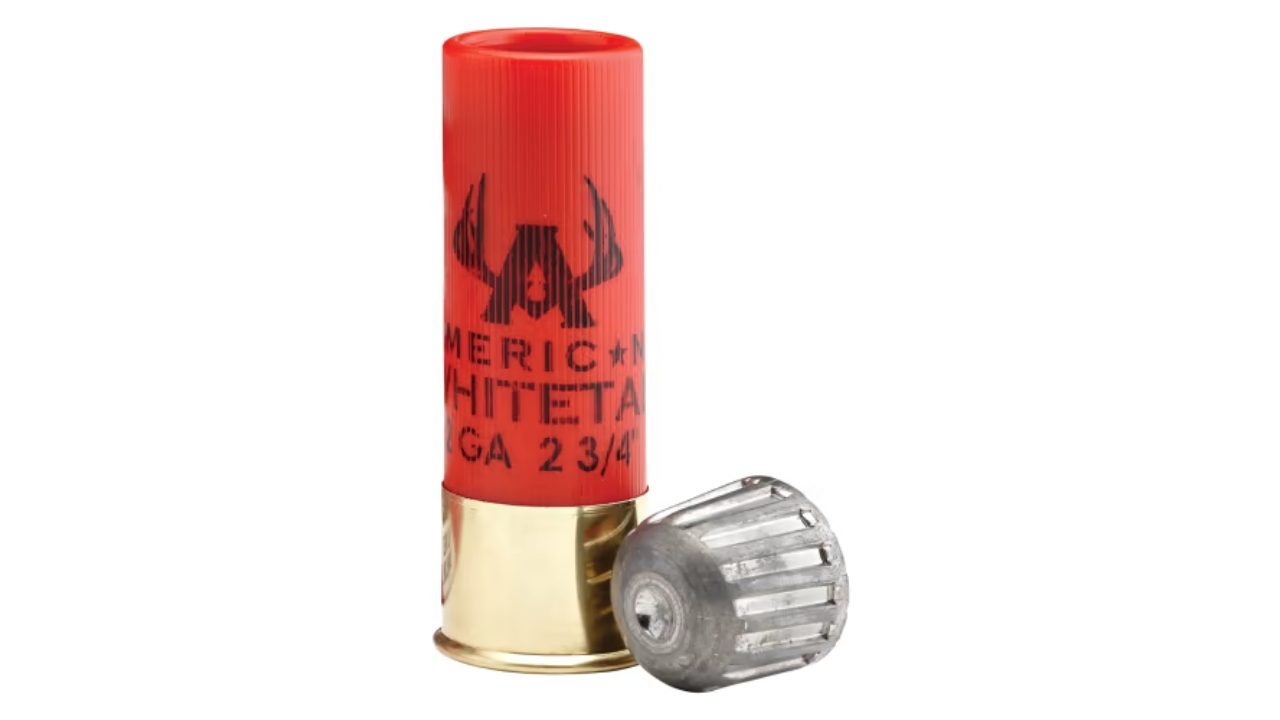
Rifled slugs disappear because slug season is still a big deal in many regions, and the buying pattern is predictable. As soon as hunters start checking zero with their slug guns, the shelf starts thinning. Then the late planners show up, and the remaining stock gets wiped.
Slugs also create pickiness. Shotguns can be surprisingly load-sensitive with slugs, and hunters remember what grouped well in their barrel. They aren’t browsing; they’re hunting for a specific brand and a specific slug type they trust. Stores often carry fewer slug options than people expect, and premium slugs tend to be stocked shallow because they cost more. When demand hits, the popular choices vanish first. You can still find slugs sometimes, but the ones you want—the ones your gun already likes—are usually the first to disappear.
Like The Avid Outdoorsman’s content? Subscribe to our newsletter so you never miss an article.
Here’s more from us: